Why Is Filter Location So Important in an RO System?
Ever wondered why filters in an RO system are placed in a specific order? Placing them incorrectly can destroy expensive membranes and cause massive system failure.
Filters are placed strategically to protect the RO membranes. Pre-filters go first to remove large particles. A security filter is placed directly before the high-pressure pump to catch fine particles, safeguarding the membranes from abrasion and fouling. Post-filters are used last to condition the final water.
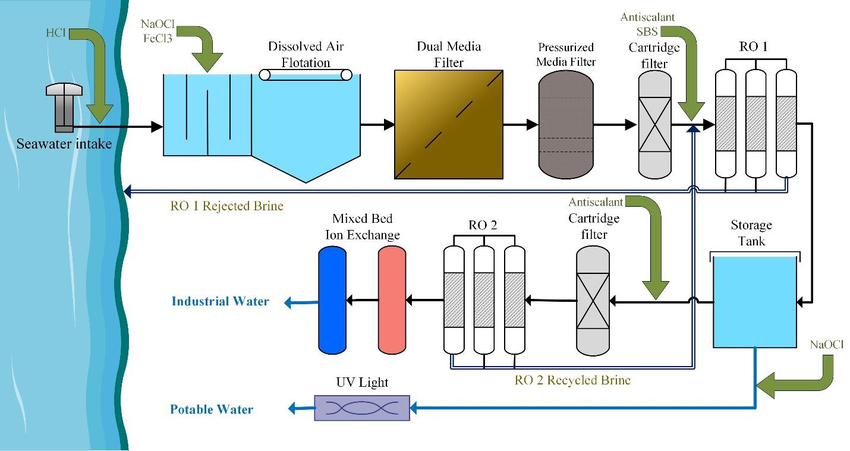
I’ve seen systems fail because of a simple mistake in filter placement. An engineer once called me in a panic because his new membranes were fouling in just a few weeks. The problem was his security filter was installed after the high-pressure pump, not before. This small error cost him thousands in replacement membranes. Understanding the correct order is not just about following a diagram; it is about protecting your most valuable components. Let’s look at each stage in detail to understand why this order is so critical.
Where Is the Pre-Filter Located and What Does It Do?
Dealing with raw water full of sand, silt, and other large debris? This contamination can quickly overwhelm your entire system and clog everything downstream. The pre-filter is your first defense.
The pre-filter is located at the very beginning of the RO system, right after the raw water intake pump. Its job is to remove the largest suspended solids, typically above 10-25 microns, to reduce the load on the finer filters that follow.
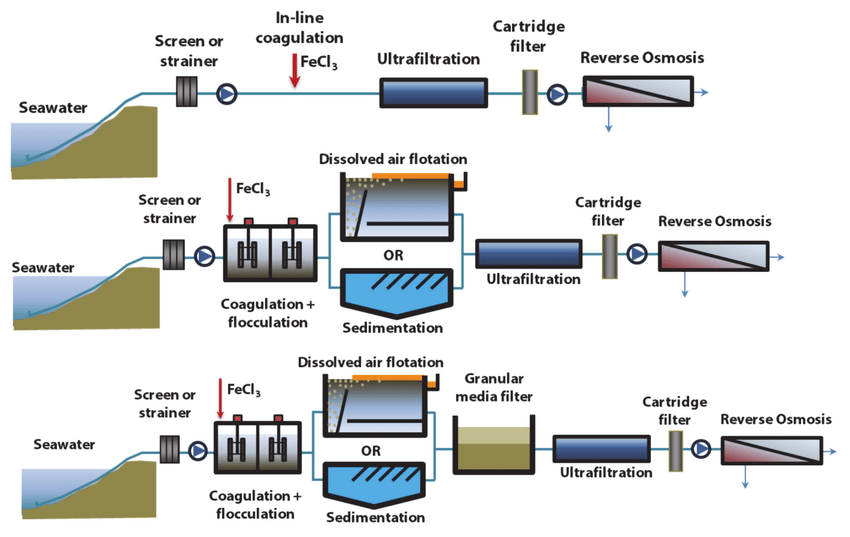
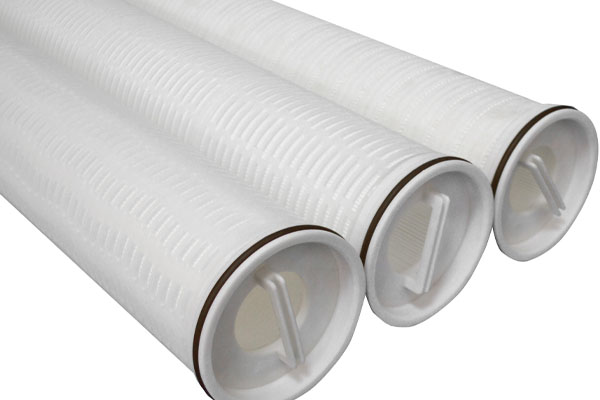
I always tell my clients to think of the pre-filter as the bouncer for the entire system. Its only job is to get rid of the big, obvious troublemakers. This is especially important when you are working with surface water from a river or lake, which can have high levels of sediment. This first stage handles the heavy lifting, so the rest of the system does not have to. This is where High Flow filter cartridges really perform well. Their large diameter and deeply pleated media can handle huge volumes of water and trap a massive amount of dirt without causing a big pressure drop. A good pre-filter protects downstream equipment and dramatically extends the life of your more expensive security filters.
Common Pre-Filter Types
Choosing the right type depends on your water source and flow rate.
| Filter Type | Typical Application | Advantage |
|---|---|---|
| Multimedia Filter (MMF) | Very dirty water, large systems | Handles extreme turbidity and high solid loads. |
| High Flow Cartridge | High flow rates, critical systems | High efficiency, long service life, and a small footprint. |
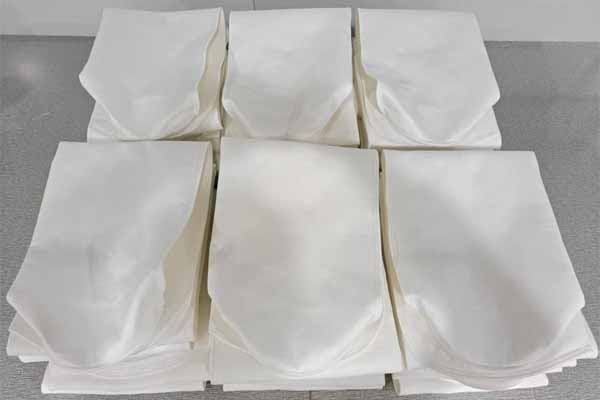
| Bag Filter | High sediment loads, non-critical apps | Low initial cost and very easy to change out. |
Why Is the Security Filter Placed Right Before the RO Membranes?
Worried about fine particles damaging your delicate RO membranes? Even tiny particles can permanently foul or tear membrane surfaces, which leads to very costly and time-consuming replacements.
The security filter is placed after the pre-filter but directly before the high-pressure pump and RO membranes. It acts as a final safety check, catching any fine particles (usually 5 microns) that got past the pre-filter, protecting both the pump and membranes.
I once consulted on a system where the engineer skipped the security filter to save a little money on the initial build. It was a catastrophic decision. Within six months, they had to replace half of their membrane array because of abrasive damage from fine silt. The cost of the new membranes was over one hundred times what the security filter housing and a year’s supply of cartridges would have been. The security filter is not optional; it is the most important insurance policy you have for your membranes. It catches any particles that the pre-filter missed. It also stops any carbon fines from an upstream carbon bed or resin beads from a water softener from reaching the pump. Its placement before the pump is critical.
Key Specifications for a Security Filter
You must get these specifications right.
| Specification | Recommended Value | Why It’s Important |
|---|---|---|
| Micron Rating | 5 Micron (Absolute) | This is the industry standard. It’s small enough to protect membranes but large enough to avoid clogging too quickly. |
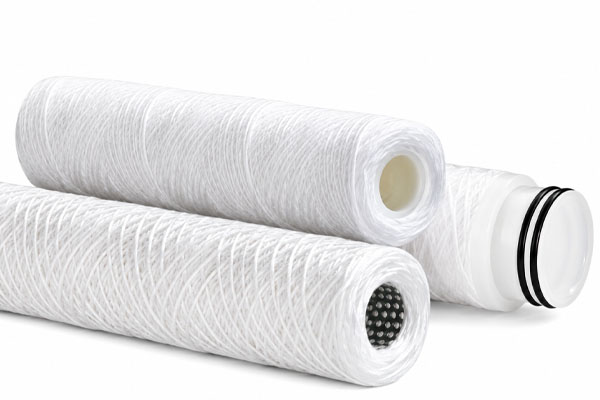
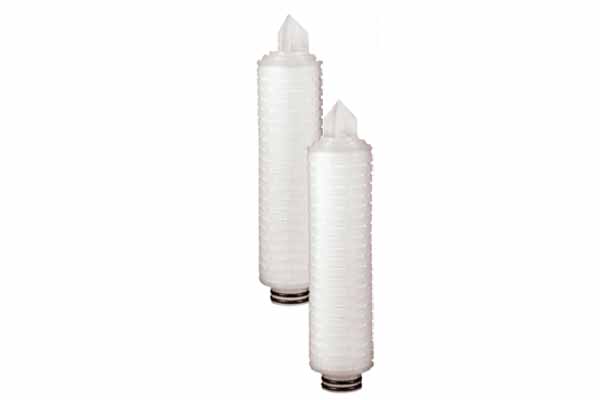
| Filter Type | Pleated or Melt Blown Cartridge | Both provide excellent depth filtration and high efficiency to capture fine particles reliably. |
| Housing Material | Stainless Steel or FRP | The housing must be able to withstand the system’s operating pressure without failing. |
What About Post-Filtration After the RO System?
Is your RO water pure but needs a final adjustment? Sometimes RO water can have a slight off-taste or requires specific minerals to be added back for its intended use.
Post-filters are located after the RO permeate storage tank. They are not for particle removal but for conditioning the water. This often involves using activated carbon filters to improve taste or remineralization cartridges to add back healthy minerals for drinking water.
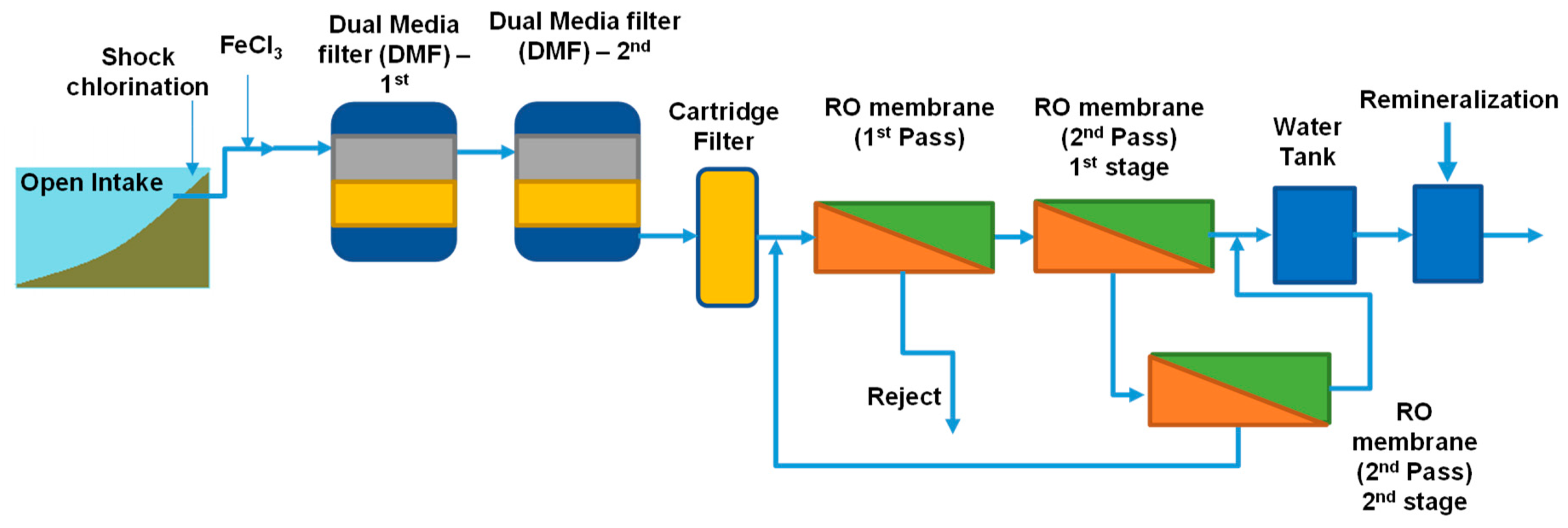
Post-filtration is all about getting the water ready for its final job. For many industrial applications, you do not need it. But for others, it is absolutely essential. I worked with a beverage company whose customers complained that their bottled water had a flat, "plastic" taste. The RO water was perfectly pure, but it was too pure. We installed a simple granular activated carbon (GAC) post-filter. The carbon removed the trace organic compounds causing the off-taste. We also added a remineralization cartridge to add back small amounts of calcium and magnesium, which gave the water a much better mouthfeel. The customer complaints stopped overnight. This final stage ensures the water is perfectly suited for its specific use, whether it is for drinking or for an ultra-high purity process.
Common Post-Filtration Methods
This final step is tailored to the end-use of the water.
| Method | Purpose | Common Application |
|---|---|---|
| Activated Carbon | Removes taste, odor, and chlorine. | Drinking Water, Food & Beverage |
| Remineralization | Adds back essential minerals like calcium. | Drinking Water Production |
| UV Sterilization | Disinfects and kills any remaining bacteria. | High Purity, Pharmaceutical, Bottled Water |
Conclusion
Filter placement in an RO system is a deliberate strategy. Pre-filters handle bulk solids, security filters provide final membrane protection, and post-filters condition the water for its specific end-use.