Why Is a Security Filter Needed for RO Pretreatment?
Thinking of skipping the security filter to cut costs on your RO system? This small saving could lead to catastrophic failure and cost you thousands in membrane replacements.
A security filter is an essential, non-negotiable final safeguard. It is installed directly before the high-pressure pump to capture fine particles that slip past pre-filters. This protects delicate RO membranes from irreversible fouling, abrasion, and premature failure, ensuring system reliability.
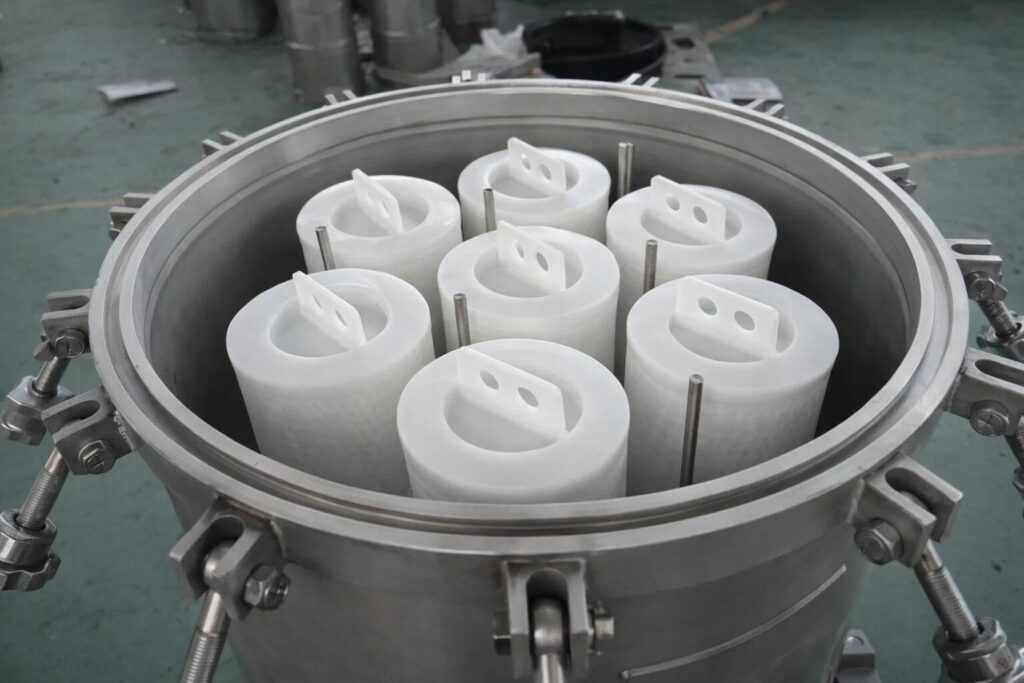
I cannot tell you how many times I have seen engineers try to value-engineer the security filter out of a system design. They see a robust multimedia pre-filter and think it is enough. But in the world of high-pressure membrane filtration, "enough" is not good enough. The security filter is your last line of defense, a critical insurance policy for the most expensive and sensitive part of your entire system. It is a small investment that prevents a massive loss. Let’s break down exactly what it protects against and why your pre-filter alone cannot do the job.
What Exactly Does a Security Filter Protect Against?
You believe your main pre-filters are catching all the solids. But what about the things you cannot see? Tiny particles and media fines can easily pass through and cause havoc.
A security filter protects RO membranes from fine suspended solids, media fines from upstream units (like carbon or resin), and particles from pipe scale or corrosion. These contaminants can cause irreversible physical damage like scratching, tearing, or plugging the membrane surface.

I once got a call from a plant manager who was furious that his new RO membranes failed in less than three months. His team had installed a top-of-the-line multimedia pre-filter and thought they were safe. When we inspected the failed membranes under a microscope, we found them covered in fine scratches and embedded with tiny black particles. It turned out their upstream activated carbon filter was shedding small amounts of carbon fines. The multimedia filter was too coarse to catch them. A simple 5-micron security filter would have stopped these particles and saved them over $50,000 in replacement membranes. This experience taught me to always emphasize that the security filter is not just for silt; it is for any unexpected particulate.
The Primary Threats to RO Membranes
The security filter is designed to stop several specific types of damaging particles.
| Threat Type | Source | Type of Damage |
|---|---|---|
| Fine Suspended Solids | Raw water (silt, clay) | Plugs membrane pores, causing fouling. |
| Media Fines | Pre-treatment units (GAC, softener) | Abrasive scratching and tearing of the membrane surface. |
| Corrosion Products | Old piping (iron scale) | Abrasion and catalytic fouling on the membrane. |
Protecting the High-Pressure Pump
The security filter does more than just protect the membranes. It is also a critical line of defense for the high-pressure pump. These pumps are precision-engineered with very tight tolerances. Even small, hard particles can cause severe abrasive wear on impellers and seals. This leads to reduced efficiency, increased energy consumption, and eventually, costly pump failure. By placing the security filter just before the pump, you ensure that the water entering it is clean, extending its operational life and maintaining its performance.
Isn’t a Good Pre-Filter Enough to Do the Job?
You have already invested in a high-capacity pre-filtration unit. You might think adding another filter is redundant and just adds cost and maintenance to the system.
No, a pre-filter alone is not enough. Pre-filters handle bulk solids removal, but the security filter acts as a failsafe. It provides guaranteed protection against system upsets or media breakthrough that can release a sudden burst of particles.
Think of it like this: your car has powerful main brakes, but you still have an emergency brake. You hope you never need it, but you would never drive a car without one. The security filter is the emergency brake for your RO system. I worked on a municipal water project that drew water from a river. Their multimedia pre-filter worked perfectly 99% of the time. But after a major storm, the river’s turbidity spiked dramatically. The pre-filter was overwhelmed and started "channeling," allowing streams of fine silt to pass through. The 5-micron security filters downstream caught everything. They clogged quickly and had to be changed daily for a week, but they did their job perfectly. The RO membranes were completely protected. That event proved the value of redundancy.
Understanding the Different Roles
Pre-filters and security filters are designed for different jobs.
- Pre-Filtration: The primary goal is to remove the bulk of suspended solids to reduce the overall load on the system. It handles the heavy lifting and is designed to take on high levels of contamination. Its efficiency is important, but not absolute.
- Security Filtration: The single, critical goal is to protect the membranes. It is not designed to handle a heavy load of dirt. Instead, it is designed to provide an absolute, guaranteed barrier against particles of a specific size (typically 5 microns). Its job is to be the final, reliable check.
Why Redundancy is Critical
In any high-value industrial process, you never want a single point of failure. The RO membranes are often the most expensive consumable in the entire water treatment plant. Relying solely on one stage of filtration, no matter how good, introduces an unacceptable level of risk. A small mechanical failure in a pre-filter valve or a sudden change in water quality could destroy your entire membrane array. The security filter is a simple, low-cost way to eliminate that risk and ensure operational stability.
What Are the Key Specifications for an RO Security Filter?
You know you need a security filter, but which one is right? Choosing the wrong size or type can either fail to protect your membranes or clog up constantly, creating a maintenance headache.
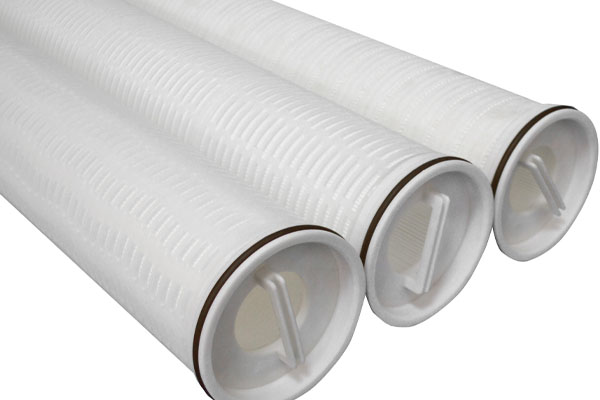
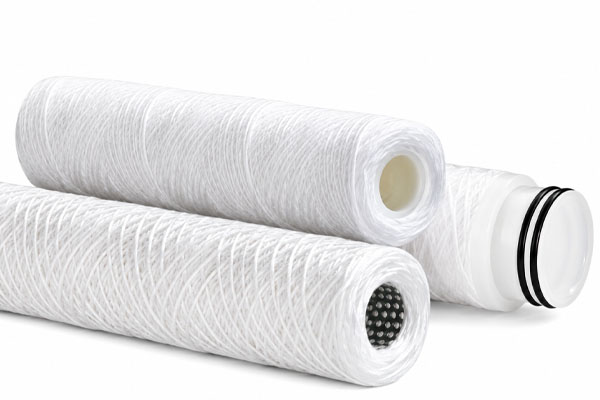
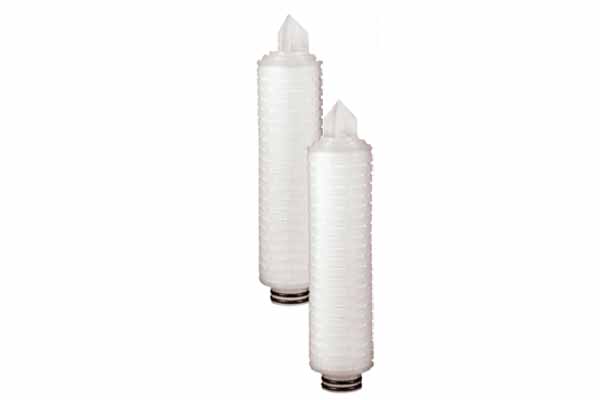
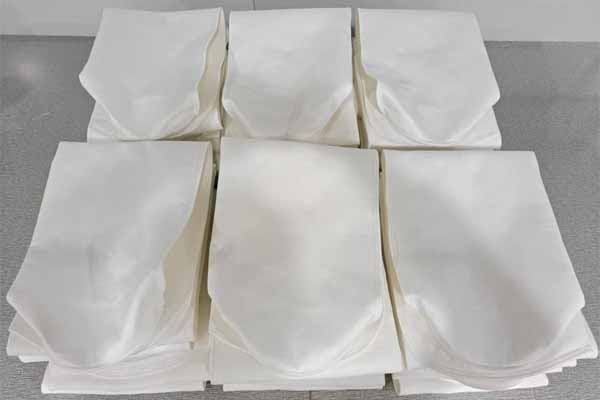
The industry standard for an RO security filter is a 5-micron absolute-rated cartridge filter. This specification provides the best balance between protecting the membranes from damaging particles and achieving a reasonable service life without frequent change-outs.
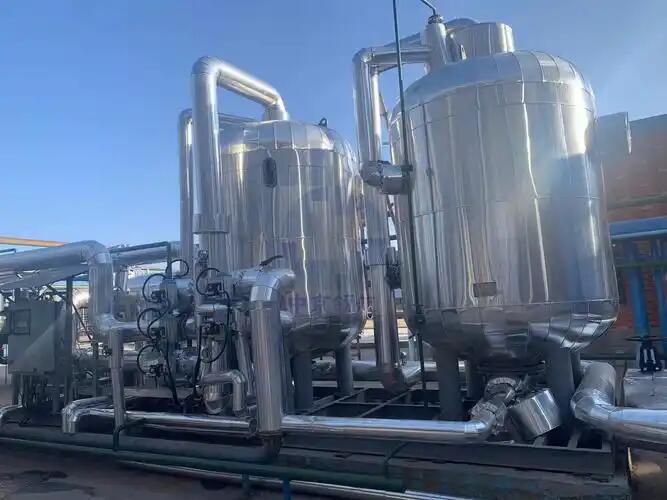
When selecting a security filter, the details matter. The most important specification is the micron rating, and you must insist on an "absolute" rating. I’ve seen datasheets use the word "nominal," which sounds similar but is completely different. A nominal rating is just an average; it might capture 85% of 5-micron particles. An absolute rating is a guarantee; it will capture 99.9% or more of 5-micron particles. For protecting something as precise as an RO membrane, you need that guarantee. The second key factor is the filter media. Melt-blown polypropylene cartridges are very common. They offer excellent depth filtration, meaning they trap particles throughout the filter’s depth, giving them a good dirt-holding capacity and service life.
Choosing the Right Filter
Here are the key parameters to check on a filter’s datasheet.
| Specification | Standard Recommendation | Why It Matters |
|---|---|---|
| Micron Rating | 5 Micron Absolute | Guarantees removal of particles large enough to damage membranes. Anything finer can clog the filter too quickly. |
| Filter Media | Melt-Blown or Pleated Polypropylene | Offers excellent chemical compatibility, high efficiency, and does not add anything to the water. |
| Length and Diameter | Match Housing | Must fit the filter housing perfectly to create a proper seal and prevent bypass. |
| Construction | Thermally Bonded | No glues or binders should be used. This prevents leaching of contaminants into the clean water stream. |
Conclusion
A security filter is not an optional accessory; it is a critical component. This small investment protects your high-pressure pump and expensive RO membranes, ensuring system reliability and preventing catastrophic failure.