Struggling to pick the right filtration for your large-scale water system? A poor choice means wasted money and space. Let’s compare high-flow filters and sand tanks to find the truly efficient solution.
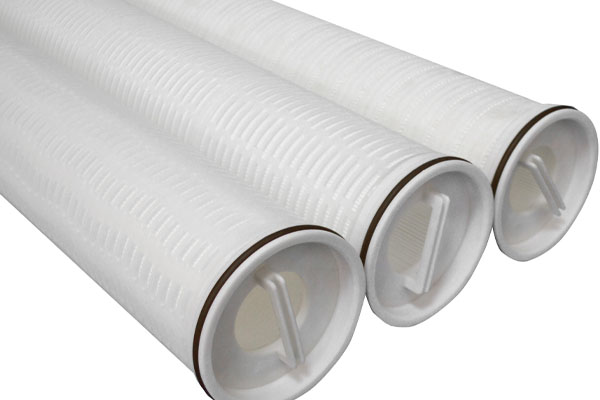
High-flow filter elements are often the more efficient choice for modern large-scale circulating water systems. They require up to 80% less space, involve significantly lower long-term operational costs, and have minimal maintenance downtime, offering a greater financial return than traditional sand filter tanks.
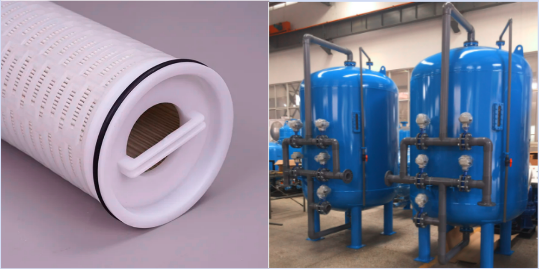
Many people I talk to assume that sand filtration is the default cheap option. It’s a technology that has been around forever, so it feels safe. But in my experience, especially working with clients in power generation and large-scale water treatment, this "safe" choice can hide significant costs. The real picture only becomes clear when you look beyond the initial price tag and consider the total cost of ownership over the system’s lifetime. Let’s break down the numbers and see how these two technologies really stack up against each other.
A deep quantitative comparison of land occupation, initial investment and long-term operation and maintenance costs?
Worried about the real cost of your filtration system? The initial purchase price is just the beginning. Hidden expenses in valuable factory space and long-term upkeep can quickly drain your budget.
High-flow systems can slash space requirements by up to 80% and make maintenance simple. This drastically cuts long-term operational costs compared to bulky sand filters that demand extensive backwashing, media replacement, and complex upkeep, making high-flow filters a smarter long-term investment.
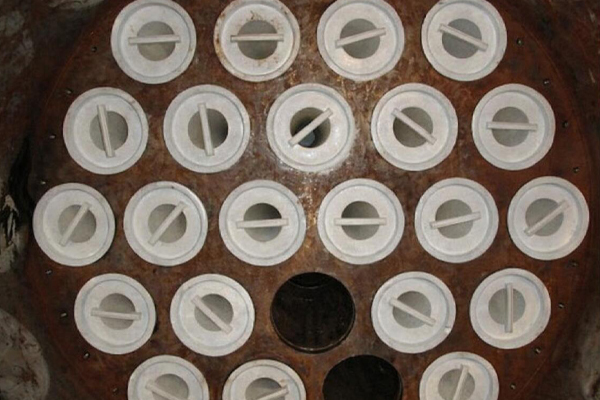
When we help a client evaluate filtration options, we don’t just look at the quote for the equipment. We analyze the total impact on their facility. Many procurement engineers are surprised when we prove that the seemingly "cheaper" sand filter is actually the more expensive option in the long run. Let’s dive deeper into the three core cost areas: footprint, initial investment (CAPEX), and long-term operations (OPEX).
Footprint and Land Cost
In modern industrial facilities, space is money. A large sand filtration system for a high flow rate, say 1000 m³/h, can easily occupy a huge area, sometimes the size of a small room. This isn’t just about the tanks themselves; it includes the extensive piping, valves, and access platforms needed for operation and maintenance. In contrast, a high-flow cartridge filter system designed for the same flow rate is incredibly compact. I once worked on a project for a seawater desalination plant where replacing their sand filter pre-treatment with our high-flow system freed up enough space for them to install an entirely new production line. That’s a direct financial return from saving space. The 80% space reduction we often see is not just a marketing number; it’s a tangible asset for factories looking to optimize their layout and expand production without acquiring more land.
Initial Investment (CAPEX) vs. Long-Term Operations (OPEX)
While the initial purchase price of sand filter vessels might seem lower, the total installed cost often tells a different story. You must factor in the cost of building large concrete foundations, complex plumbing for backwashing, and higher labor costs for installation. A high-flow system, being much lighter and more compact, requires a simpler foundation and far less piping, often reducing the overall initial project cost.
The real difference, however, emerges in the long-term operational costs. Here’s a simple breakdown:
| Feature | Sand Filter Tank | High-Flow Filter System |
|---|---|---|
| Footprint Cost | High (large area, expensive land) | Very Low (up to 80% smaller) |
| Maintenance Downtime | Long (hours for backwashing, days for media change) | Short (15-30 minutes for cartridge replacement) |
| Labor Cost | High (manual backwashing, heavy media handling) | Low (simple, fast, one-person job) |
| Consumables | Sand/media (replaced every 3-5 years) | Filter cartridges (replaced as needed) |
| Water/Energy Use | High (frequent, large-volume backwashing) | Low (no backwashing required) |
| Waste Disposal | High (backwash water needs treatment) | Low (only solid cartridges to dispose of) |
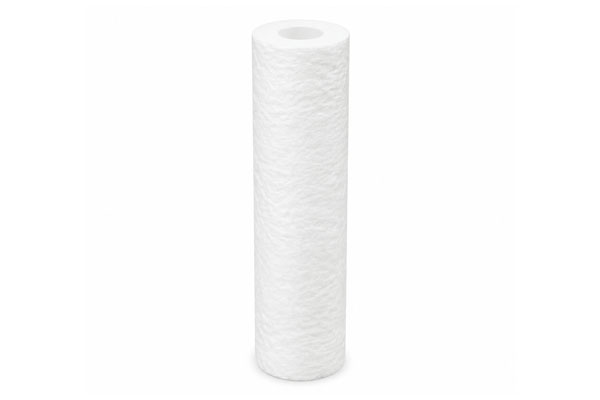
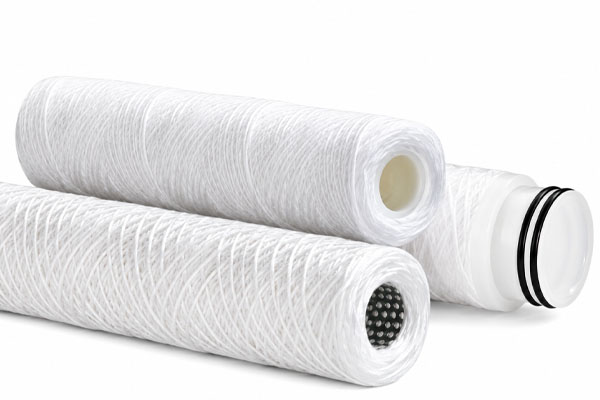
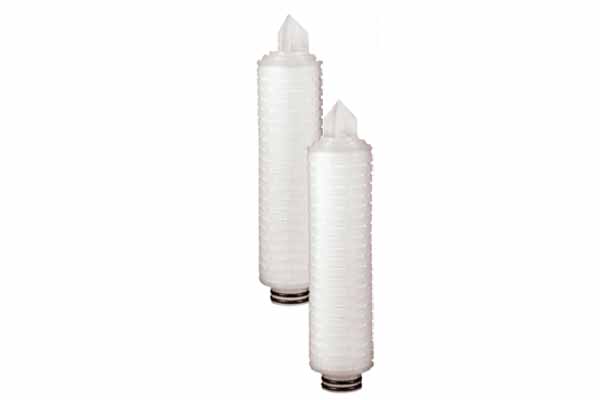
The biggest drain with sand filters is the backwashing process. It consumes a massive amount of treated water, which is then sent to a wastewater system, adding another layer of cost. It also requires energy to run the pumps. High-flow filters eliminate this entirely. Maintenance is as simple as opening the housing, swapping out the lightweight cartridges, and closing it back up. This takes minutes, not hours. For a power plant or a petrochemical facility, reducing system downtime from hours to minutes translates directly into thousands of dollars of saved production. At Ecofiltrone, we specialize in providing these high-quality, OEM-alternative cartridges that ensure this quick and reliable performance.
Conclusion
For large-scale circulating water systems, high-flow filters offer superior long-term value by saving space, cutting operational costs, and minimizing downtime, making them a more efficient and profitable choice.