Your current filter replacement schedule feels safe, but it’s likely wasting money or risking your equipment. A smarter, data-driven approach is the future of industrial filtration and cost savings.
By shifting from a fixed replacement schedule to a predictive model using pressure sensor data, you can optimize filter life, prevent costly damage, and reduce operational expenses by up to 20%. This transforms the filter from a simple consumable into a smart, data-providing asset.
The idea of a filter cartridge is simple: it catches dirt. For years, the approach to managing them has been just as simple: change them every three months, or six months, or whatever the manual says. But in my 10+ years in this industry, I’ve seen that this "safe" approach is anything but. It’s a blind spot in operational budgets. We are moving into an era where data is king, and the humble filter cartridge is about to become a powerful source of that data. The future isn’t about just selling more filters; it’s about helping you use them smarter. Let’s explore how this shift from "passive replacement" to "active early warning" can fundamentally change your plant’s efficiency and profitability.
You think you are being responsible by replacing filters on a strict schedule. But this fixed routine ignores reality, quietly draining your budget while offering a false sense of security.
Regular replacement is inefficient because it disregards the filter’s actual condition. You either discard cartridges that still have service life left, wasting money, or you run clogged filters too long, risking catastrophic downstream damage and higher energy costs.
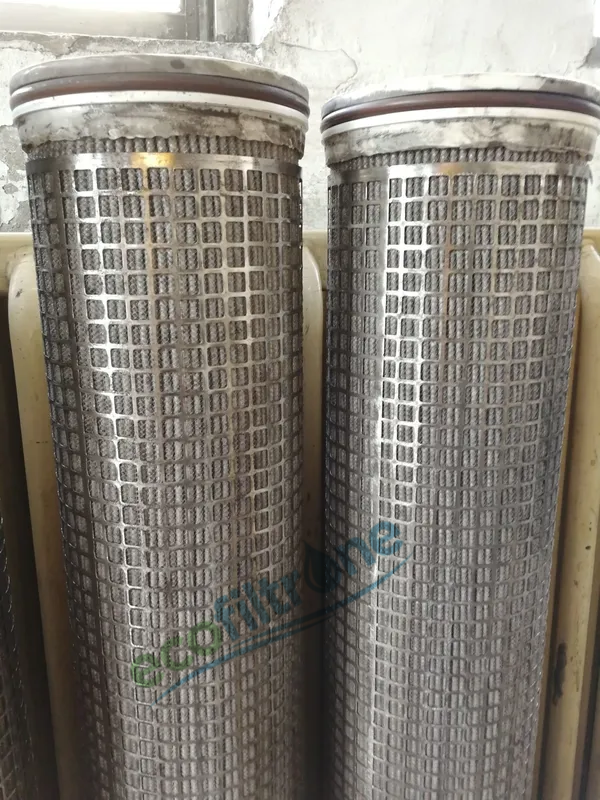
When I visit a new client, one of the first things I ask about is their filter replacement schedule. The most common answer is, "We change them every 90 days." My next question is always, "Why?" The truth is, a fixed schedule is a guess. It doesn’t account for variations in raw water quality, production volumes, or upstream process changes. This guesswork is expensive. I’ve seen companies literally throwing money away. Let’s break down exactly how this "hidden killer" works.
The Two Sides of Wasted Cost
The problem with scheduled replacements is that you lose money in two ways: by replacing too early or too late. If you replace a filter cartridge at 90 days when it could have safely lasted 120 days, you have just thrown away 25% of its value. Across hundreds of filters in a large facility, this adds up to thousands of dollars in unnecessary spending. On the other hand, the risk of replacing too late is even more severe. A clogged filter forces your pumps to work harder, which directly increases your energy bill. Worse, if the filter fails and allows contaminants to pass through, it can foul an entire RO membrane system. The cost to clean or replace those membranes can turn a small operational oversight into a massive capital expense.
Scheduled vs. Condition-Based Replacement
| Metric | Scheduled Replacement (The Guess) | Condition-Based Replacement (The Data) |
|---|---|---|
| Cartridge Cost | High, due to premature disposal. | Optimized, full value extracted. |
| Energy Cost | Can be high from running clogged filters. | Minimized, pumps operate efficiently. |
| Labor Cost | Fixed, but often unnecessary. | On-demand, only when needed. |
| Risk of Damage | High, due to potential for breakthroughs. | Very low, alerts prevent failure. |
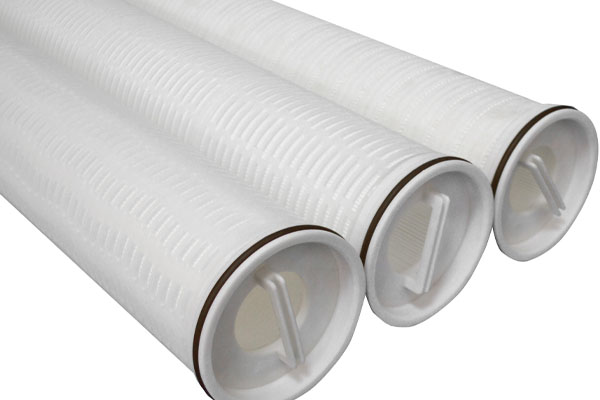
At ecofiltrone, we don’t just sell high-flow filter cartridges; we provide a path to smarter filtration. Our durable, high-quality filters provide consistent and predictable performance, making them perfect for a data-driven, condition-based monitoring program that stops the guesswork and protects your bottom line.
How do you use real-time monitoring of pressure difference to accurately predict the ‘end of life’ of filter elements?
Guessing when a filter will clog is stressful and inaccurate. A wrong guess can shut down your production line. Real-time pressure difference data removes the guesswork and gives you full control.
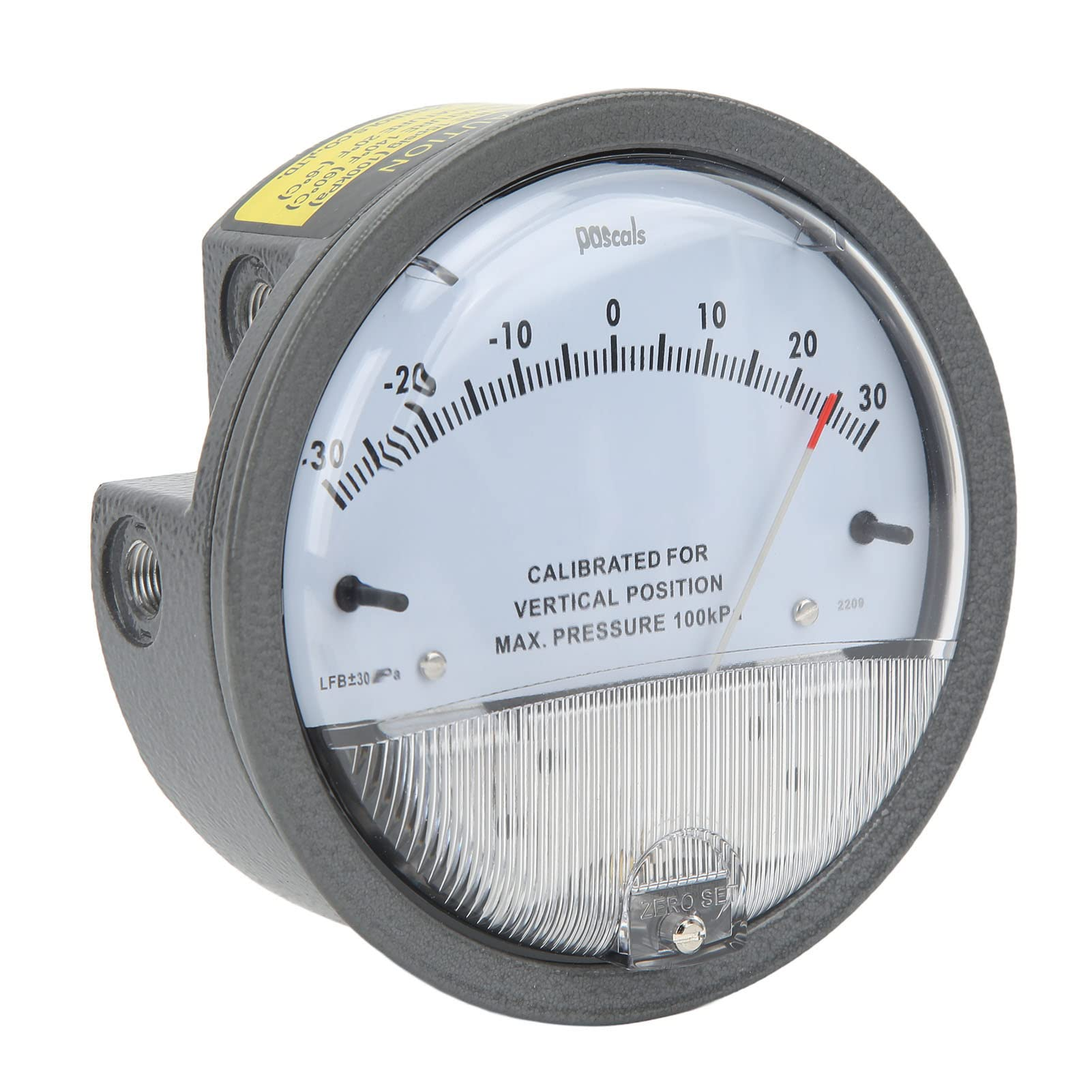
By installing pressure sensors before and after the filter housing, you can monitor the differential pressure (DP). As the filter clogs, the DP rises. Setting a specific DP threshold lets you know precisely when the filter has reached its true end of life.
The concept of differential pressure, or DP, is the key to unlocking this entire strategy. It sounds technical, but it’s incredibly simple. Imagine drinking a thick milkshake through a straw. At first, it’s easy. As the straw gets clogged with ice cream, you have to suck harder. The difference in pressure between your mouth and the cup is the differential pressure. A filter system works the same way. When we help clients transition to this model, we show them how this simple data point can become their most powerful tool for predicting maintenance needs and preventing disasters. It turns a reactive task into a proactive strategy.
Setting Up Your Monitoring System
Implementing this is straightforward. You need two basic pressure gauges or electronic sensors. One is installed on the pipe at the inlet of the filter housing, and the second is installed at the outlet. When the filter is new and clean, water flows through easily, and the pressure readings on both gauges will be very similar. The DP will be low. As our ecofiltrone high-flow cartridges capture contaminants over time, the path for the water becomes more restricted. The inlet pressure will stay high, but the outlet pressure will drop. The difference between these two numbers is your live DP reading. Most systems are designed to have a terminal DP, a point where the filter is considered fully used and should be replaced. This is usually around 1.0-1.5 bar (15-22 psid).
From Data to Prediction
| Time in Service | Differential Pressure (DP) | Status |
|---|---|---|
| Day 1 | 0.2 bar | New Cartridge |
| Day 30 | 0.4 bar | Normal Operation |
| Day 60 | 0.8 bar | Alert: Approaching Limit |
| Day 75 | 1.2 bar | Action: Replace Cartridge |
The real power comes from tracking this data over time. You don’t just wait for the DP to hit the limit. You watch the rate at which it increases. If you see the DP is rising by 0.2 bar every month, you can accurately predict when it will reach the 1.2 bar replacement limit. This allows you to schedule maintenance well in advance, order replacement cartridges just in time, and avoid any emergency shutdowns. You are no longer reacting to a problem; you are actively managing the health of your filtration system based on real-world data.
How can IIoT systems reduce the risk of membrane system contamination caused by human negligence?
Your team is busy, and manual checks can get missed. One forgotten check can foul your expensive RO membranes. IIoT (Industrial Internet of Things) automates this process, removing the risk of human error.
IIoT systems connect your pressure sensors to a central dashboard. They automatically log data, send alerts to phones when pressure thresholds are met, and even create maintenance work orders. This automation eliminates the risk of someone forgetting to check a gauge.
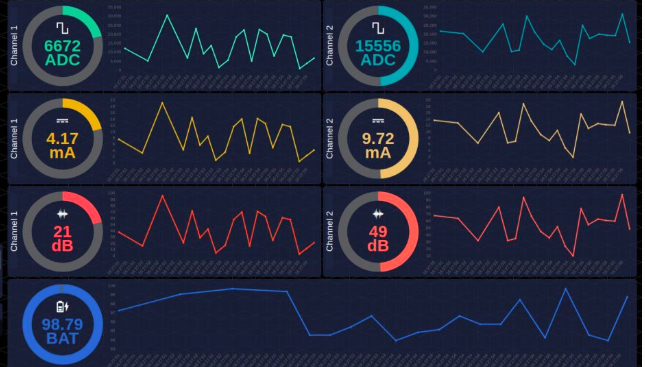
I once consulted for a large beverage plant that suffered a major shutdown. A pre-filter wasn’t changed on time, it failed, and particulate matter contaminated their entire downstream membrane system. The cleanup and replacement cost them tens of thousands of dollars. The cause? The operator responsible for checking the pressure gauges was out sick for a few days, and nobody else did it. This is a classic case of human error that is both common and completely avoidable. This is where the Industrial Internet of Things, or IIoT, becomes a game-changer. It acts as a tireless, 24/7 supervisor for your filtration system.
Automated Alerts and Smart Workflows
An IIoT system is essentially a network of smart sensors that talk to a central computer or cloud platform. In this case, your electronic pressure sensors are connected to this network. Instead of someone having to walk the factory floor to read a gauge, the data is streamed automatically to a dashboard that can be viewed on a computer or even a smartphone. You can program rules into the system. For example, when the DP on a filter housing reaches 80% of its terminal limit, the system can automatically send an email alert to the plant manager and a text message to the lead technician. It can even create a work order in your maintenance software and notify the procurement team to order a new ecofiltrone replacement cartridge from us. This automated workflow removes the possibility of a check being forgotten.
Beyond Replacement: System Health Insights
The true power of IIoT is that it helps you see the bigger picture. Your filter cartridge becomes a "health check sheet" for your entire system, just as I believe it should be. If the DP on a filter suddenly starts rising much faster than usual, the IIoT system will flag this anomaly. This isn’t a filter problem; it’s a symptom of an upstream issue. Perhaps there was a change in the quality of your incoming city water, or a problem with a pre-treatment process. The system alerts you to investigate the root cause, allowing you to fix a bigger problem before it causes serious damage. This transforms your maintenance from simply replacing parts to actively managing the health and efficiency of your entire water treatment process.
Conclusion
Moving from fixed schedules to data-driven, predictive filter replacement is essential. It cuts costs, reduces risk, and turns your filter from a simple part into a smart operational asset.