💧 Why Filter Condensate Water? It’s Already "Pure", Right?
Headline: 💧 Why Filter Condensate Water? It’s Already "Pure", Right?
This is a common misconception in industrial process heating and power generation.
Ideally, steam condensate should be pure distilled water. It has high heat energy and requires minimal chemical treatment compared to raw makeup water. Recycling it is a no-brainer for saving money.
However, there is a catch.
Between the steam trap and the boiler feed tank, that "pure" water travels through hundreds of meters of carbon steel or copper piping. Along the way, it picks up the silent killer of boilers: Corrosion Products (CRUD).
Here is why "Condensate Polishing" (Filtration) is not optional—it is critical.
1. The "Invisible" Contaminant: Metal Oxides
Even in a well-treated system, the piping network continuously sheds microscopic metal particles due to flow erosion and chemical attack.
- Iron: Usually present as Magnetite (black) or Hematite (red).
- Copper: From heat exchanger tubes.
If you look at a sample of unfiltered condensate, it might appear clear. But under high velocity, it carries a heavy load of suspended solids (typically 5–50 microns).
2. The Danger: Under-Deposit Corrosion
What happens when this "dirty" condensate enters the boiler?
- Settling: The metal oxides don’t stay suspended. They settle onto the hottest parts of the boiler tubes.
- Insulation: This layer of rust acts as an insulator. The heat can’t transfer to the water efficiently.
- Overheating & Failure: To compensate, the tube metal temperature rises. Eventually, the metal overheats, weakens, and bursts. This is known as "Under-Deposit Corrosion."
3. Energy Efficiency: The "Scale" Factor
Even a thin layer of iron deposit on your heat transfer surfaces acts as a thermal barrier.
- The Cost: You have to burn more fuel (Natural Gas/Coal) to generate the same amount of steam.
- Filtration ROI: Installing high-efficiency filters to capture this crud keeps the heating surfaces clean, maintaining optimal thermal transfer and lowering your fuel bill.
4. The Solution: High Flow Filtration
Traditional bag filters often fail in this application because they cannot handle the high temperatures or flow surges.
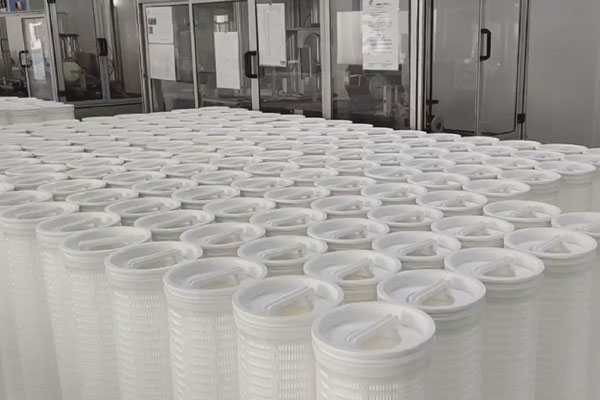
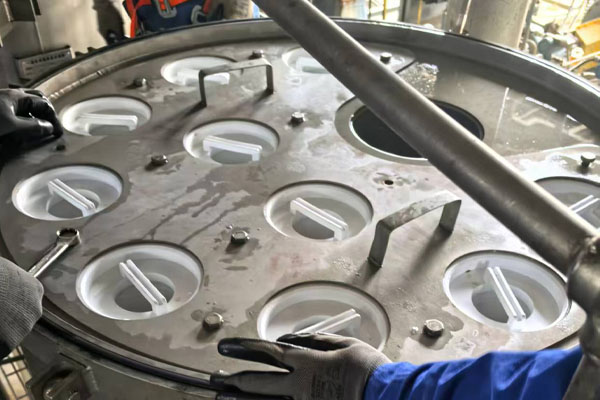
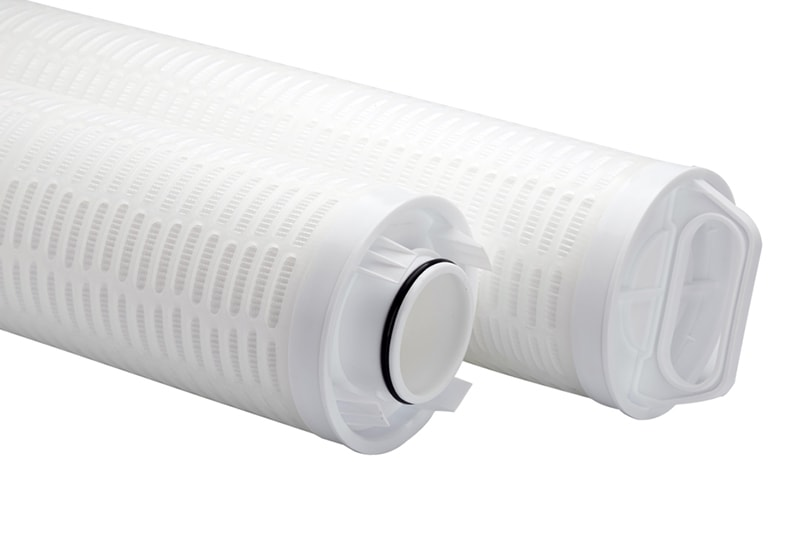
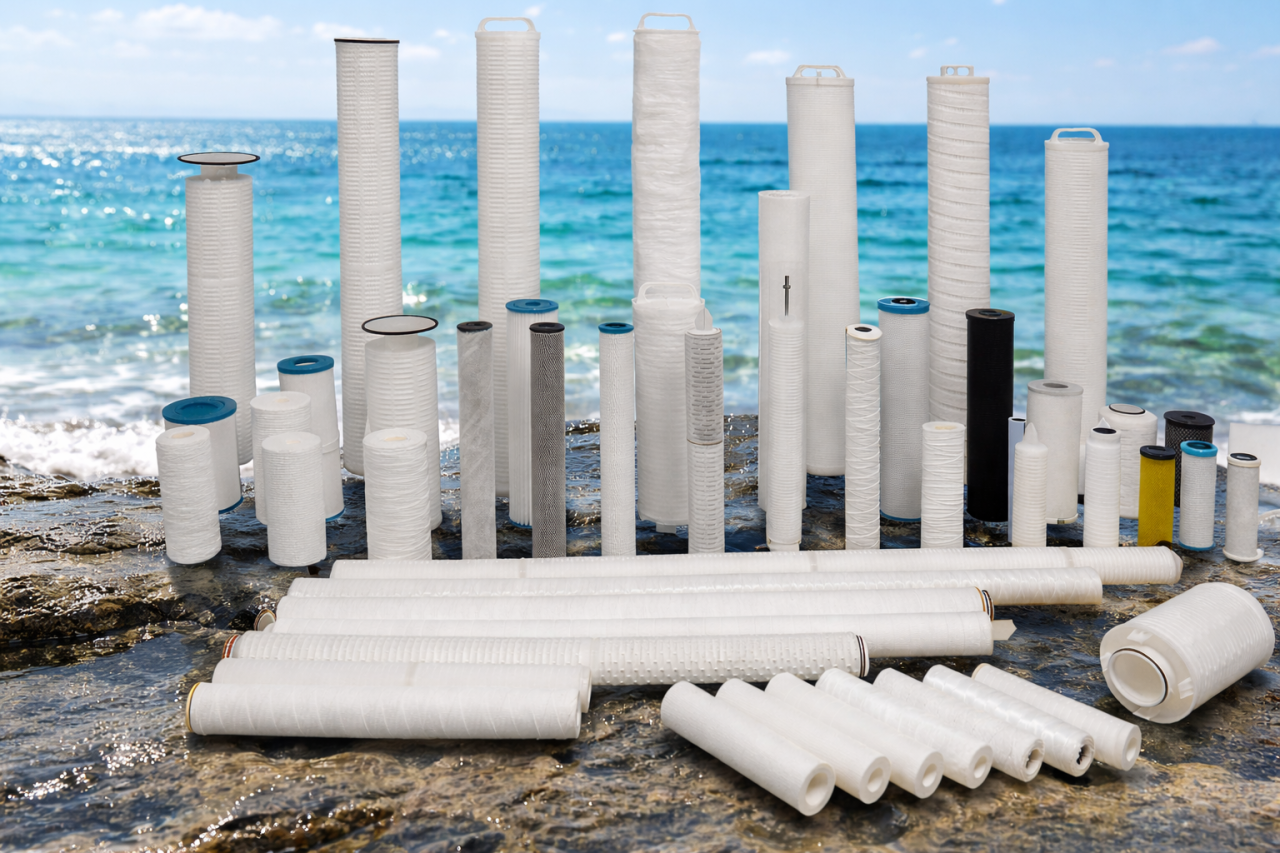
- High Flow Cartridges: Modern Condensate Polishing Units (CPU) utilize Large Diameter (High Flow) cartridges.
- Why? They offer a massive surface area to hold large amounts of iron crud without blocking quickly, and they are robust enough to withstand the pressure and temperature of the return loop.
Conclusion
Filtering condensate isn’t about "cleaning water"; it’s about protecting assets. The cost of a filter is pennies compared to the cost of re-tubing a boiler or unplanned downtime due to a tube leak.
👇 Discussion: Do you filter your condensate return, or do you feed it directly back to the deaerator?