
Why Does Differential Pressure Rise After Startup?
Engineering Guide to Diagnosing Rapid Pressure Increase in Filtration Systems
A rapid increase in differential pressure (ΔP) immediately after startup is one of the most common problems in industrial filtration systems. While many operators assume the cartridge is defective, the root cause is often related to system conditions, pretreatment performance, trapped air, or contaminant loading.
This guide explains why differential pressure rises after startup, how to identify the root cause, and which engineering solutions are most effective.
What Is Normal Differential Pressure After Startup?
Before diagnosing a problem, it is important to understand what is considered normal.
A clean cartridge filter should typically show a low initial differential pressure. The exact value depends on cartridge design, micron rating, flow rate and fluid viscosity.
A sudden pressure increase within minutes or hours after startup usually indicates abnormal operating conditions rather than normal filter loading.
Common Symptoms
Typical observations include:
- High initial differential pressure
- Pressure rises rapidly within the first few hours
- Reduced system flow
- Frequent cartridge replacement
- RO feed pressure becomes unstable
- Unexpected shutdown alarms
Common Causes of Rapid DP Increase
High Initial Particle Loading
After shutdown, accumulated sediments inside pipelines and tanks are often released during startup.
Typical sources include:
- Rust
- Sand
- Pipe scale
- Construction debris
This temporary contaminant surge can quickly block the filter surface.
Engineering Recommendation:
Operate at reduced flow during startup and flush the system before full production.
Pretreatment Upset
If upstream pretreatment is not operating normally, excessive solids reach the cartridge filter immediately after startup.
Examples:
- Multimedia filter breakthrough
- UF integrity failure
- Coagulation instability
- Backwash not completed
The cartridge filter receives far higher contaminant loading than designed.
Flow Rate Exceeds Design Conditions
Many systems reach maximum flow immediately after startup.
Higher flow results in:
- Higher pressure loss
- Faster particle deposition
- Reduced dirt holding efficiency
Engineering Recommendation:
Gradually increase flow until stable operating conditions are achieved.
Cartridge Micron Rating Too Fine
Selecting an excessively fine micron rating increases initial resistance.
Example:
Required filtration:
5 μm
Installed cartridge:
1 μm
The cartridge experiences rapid surface loading immediately after startup.
Biological Growth After Shutdown
If the system remains idle for several days, microorganisms may grow inside pipelines or tanks.
During startup, biofilm fragments enter the cartridge and rapidly increase pressure.
This is especially common in:
- Surface water
- Seawater
- Cooling water
- Wastewater reuse
Engineering Diagnosis Checklist
| Check Item | Purpose |
|---|---|
| Initial ΔP | Compare with design value |
| Flow Rate | Verify startup flow |
| Startup Procedure | Determine flushing sequence |
| Pretreatment Performance | Check upstream filters |
| Water Quality | Measure TSS and SDI |
| Cartridge Inspection | Identify contaminant type |
| Air Venting | Confirm complete venting |
Engineering Solutions
| Problem | Recommended Solution |
|---|---|
| Trapped air | Proper venting before operation |
| Startup solids | Flush pipelines before production |
| Pretreatment failure | Restore upstream filtration |
| High flow | Gradual startup procedure |
| Incorrect micron | Review filter selection |
| Biological fouling | Improve cleaning and disinfection |
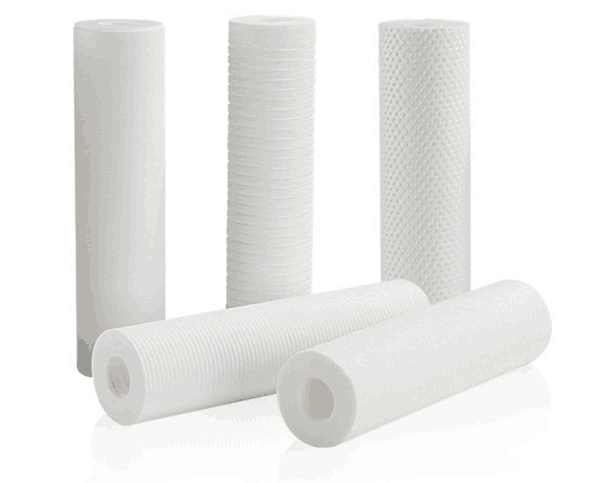
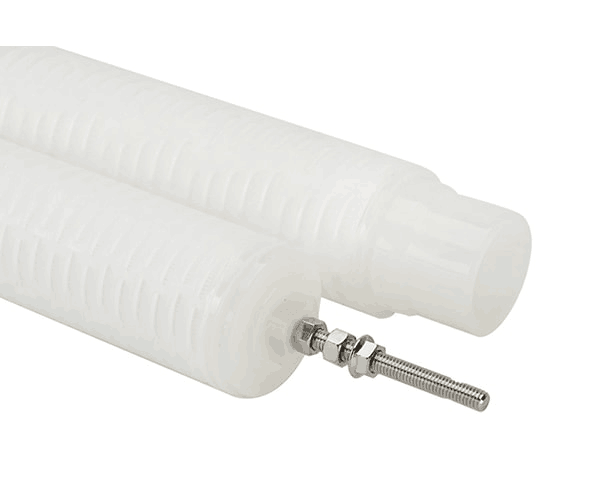
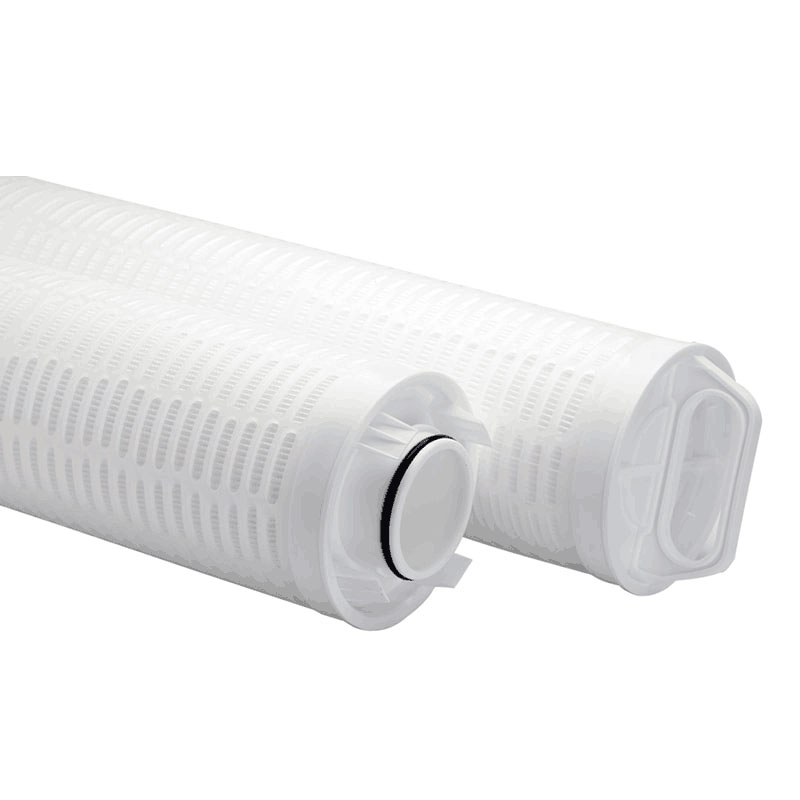
Recommended Products
FAQ
Is high differential pressure after startup always caused by a blocked cartridge?
No. Air entrapment, startup solids, excessive flow rate and pretreatment instability are all common causes.
Should I replace the cartridge immediately?
Not always. Verify whether the pressure stabilizes after startup and inspect upstream operating conditions before replacing the cartridge.
Can startup flushing reduce differential pressure?
Yes. Flushing pipelines before production can significantly reduce the initial contaminant load entering the filter.
Why does differential pressure rise after every shutdown?
This often indicates sediment accumulation, biological growth, or unstable pretreatment rather than cartridge failure.
Need Help Diagnosing Startup Pressure Problems?
If your filtration system experiences rapid differential pressure increases immediately after startup, our engineering team can help analyze the operating conditions and recommend the most appropriate filtration strategy.
Please provide:
- Water source
- Flow rate
- Startup procedure
- Initial and operating ΔP
- Cartridge model and micron rating
- Photos of the used cartridge (if available)