Struggling with tight power plant budgets? Choosing filters based on initial price alone can cause unexpected costs to skyrocket. Let’s uncover the true, long-term expenses together.
Yes, traditional filters often cost more in the long run. High-flow filters, despite a higher upfront cost, reduce expenses through fewer change-outs, lower labor needs, and less downtime. This results in a significantly lower total cost of ownership (TCO) for your water treatment system.
The initial price tag is just the tip of the iceberg. I’ve seen many project managers focus on that number and miss the bigger picture. To really understand the financial impact on your power plant, we need to dive deeper into the numbers. Let’s break down the costs piece by piece to see where the real savings are hidden.
What is the true cost per cubic meter of filtered water?
Worried about the real cost of your water treatment? Calculating cost per filter is misleading. The most important metric is the cost to filter each cubic meter of water.
The true cost per cubic meter is your total filtration expense (filters, labor, downtime) divided by the total volume of water filtered. High-flow filters process much more water per cartridge, drastically lowering this crucial cost metric compared to traditional filters, which require frequent replacements.
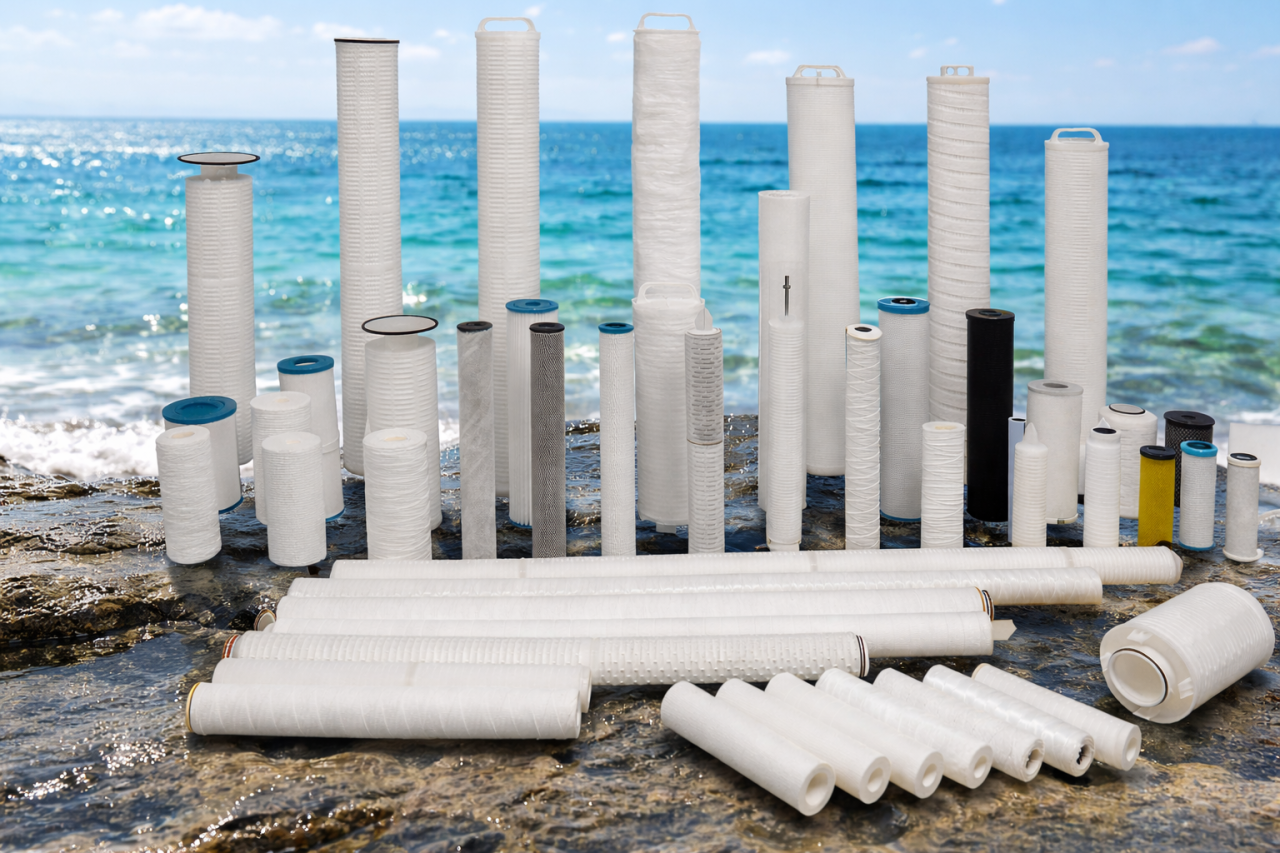
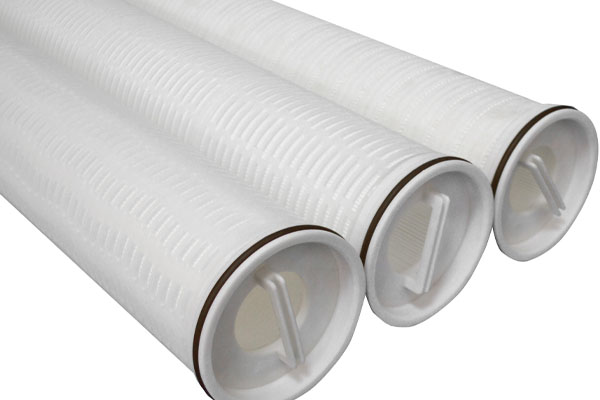
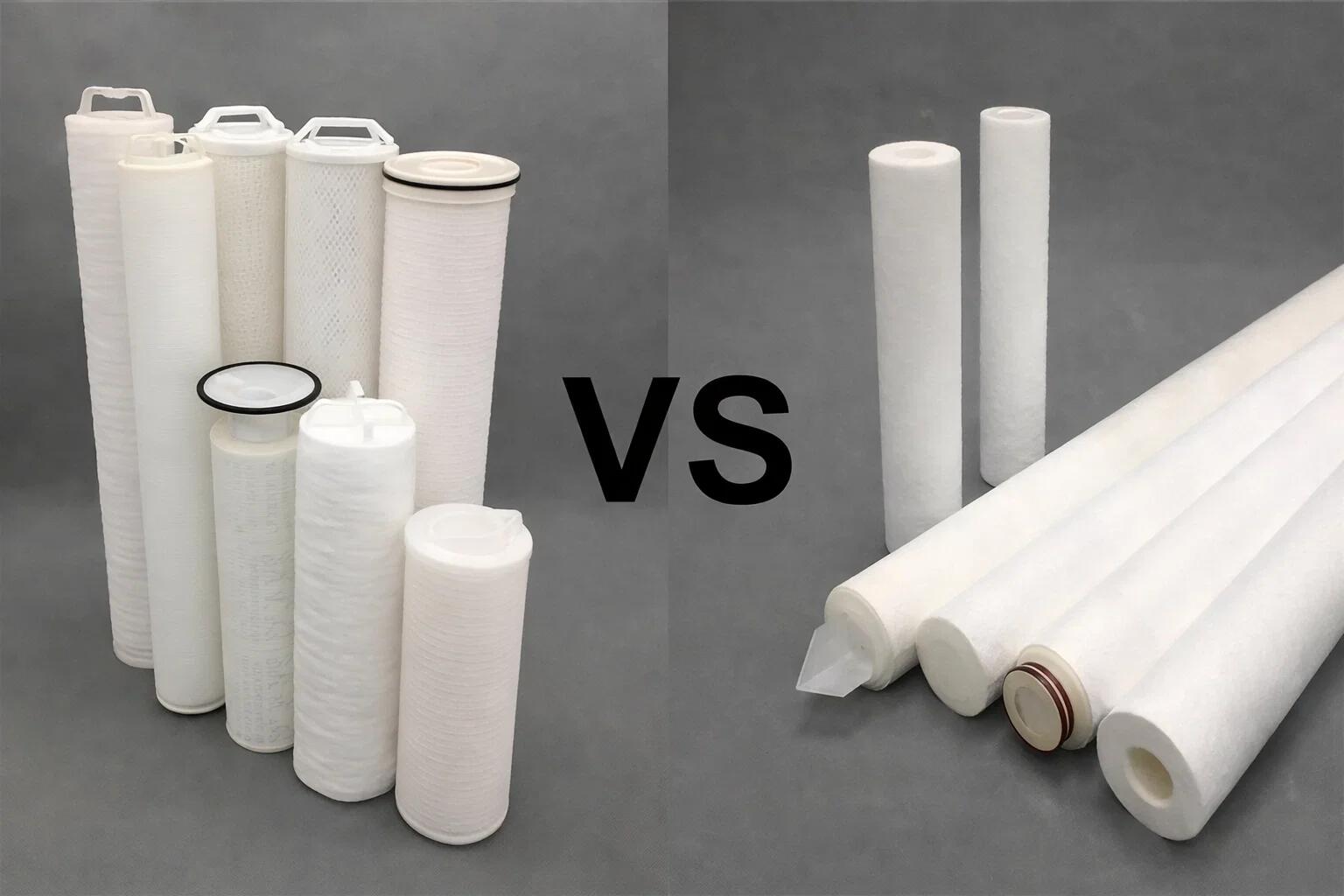
When you only look at the price of a single cartridge, you are missing most of the story. The goal isn’t just to buy a filter; it’s to produce clean water efficiently. The real measure of value is how much it costs to produce every cubic meter of that water. High-flow filters have a much larger surface area and an advanced design. This means one of our 40-inch high-flow cartridges can handle the same volume of water as ten or even twenty standard 2.5-inch cartridges. This dramatically increases the total volume of water filtered per cartridge. When you divide the total costs by this much larger volume, the cost per cubic meter drops significantly. Let’s look at a simple comparison.
Cost Breakdown per 1,000,000 m³ of Water
| Cost Factor | Traditional Filters (e.g., 20 units) | High-Flow Filter (1 unit) |
|---|---|---|
| Cartridge Cost | $400 ($20 x 20) | $300 |
| Labor for Change-out | $200 (4 hours) | $50 (1 hour) |
| Total Cost | $600 | $350 |
| Cost Efficiency | Lower | 41% Lower Cost |
This simple table shows that even if the single high-flow cartridge seems more expensive upfront, the total cost to do the same job is much lower.
How much labor cost can be reduced?
Is too much of your team’s time spent on filter maintenance? Frequent change-outs for traditional filters tie up valuable technician hours. There is a way to significantly cut this labor cost.
You can reduce labor costs by up to 90%. Since one high-flow filter can replace 10 or more traditional cartridges, change-outs are far less frequent. This frees up your maintenance team for more critical tasks, directly cutting operational expenses and improving overall plant efficiency.
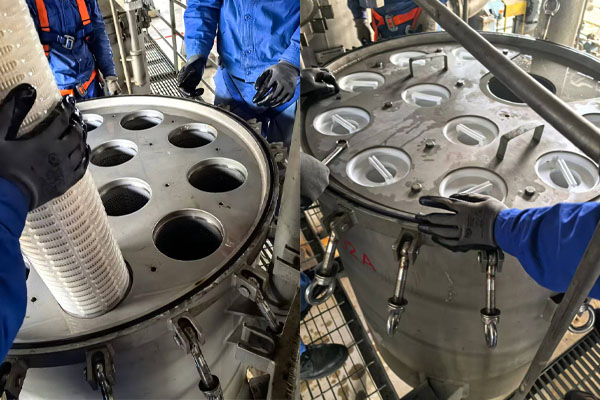
Think about the entire process of a filter change-out. It’s not just swapping the cartridges. Your team has to stop the process, depressurize the system, open the filter housing, remove every single old cartridge, clean the housing, install all the new cartridges, seal it back up, and re-pressurize the system. I remember a project manager at a thermal power plant telling me they spent a full day each month just on filter changes for their condensate system. It was a tedious, time-consuming job.
When they switched to our high-flow filters, that entire process changed. Instead of handling twenty small cartridges, they only had to handle one. The job went from a full day every month to a one-hour task every six months. The labor savings were enormous. This is not just about saving money on man-hours; it’s about freeing your skilled technicians to focus on more complex, value-added tasks instead of routine manual labor.
Time Comparison for a Single Change-Out
| Task | Traditional Filters (20 units) | High-Flow Filter (1 unit) |
|---|---|---|
| System Shutdown/Startup | 30 mins | 15 mins |
| Housing Open/Close | 30 mins | 15 mins |
| Cartridge Removal/Installation | 120 mins | 10 mins |
| Total Time | 180 mins (3 hours) | 40 mins |
The time savings are clear. Over a year, this difference adds up to a major reduction in your operational budget.
What is the impact on system downtime?
Does filter replacement shut down your critical processes? Every minute of downtime in a power plant costs money. This frequent interruption from traditional filters can be avoided.
The impact is significant. High-flow filters drastically reduce the frequency of change-outs, minimizing planned downtime. Their longer service life means your system runs uninterrupted for longer periods, boosting productivity and protecting downstream equipment like RO membranes from unexpected failures.
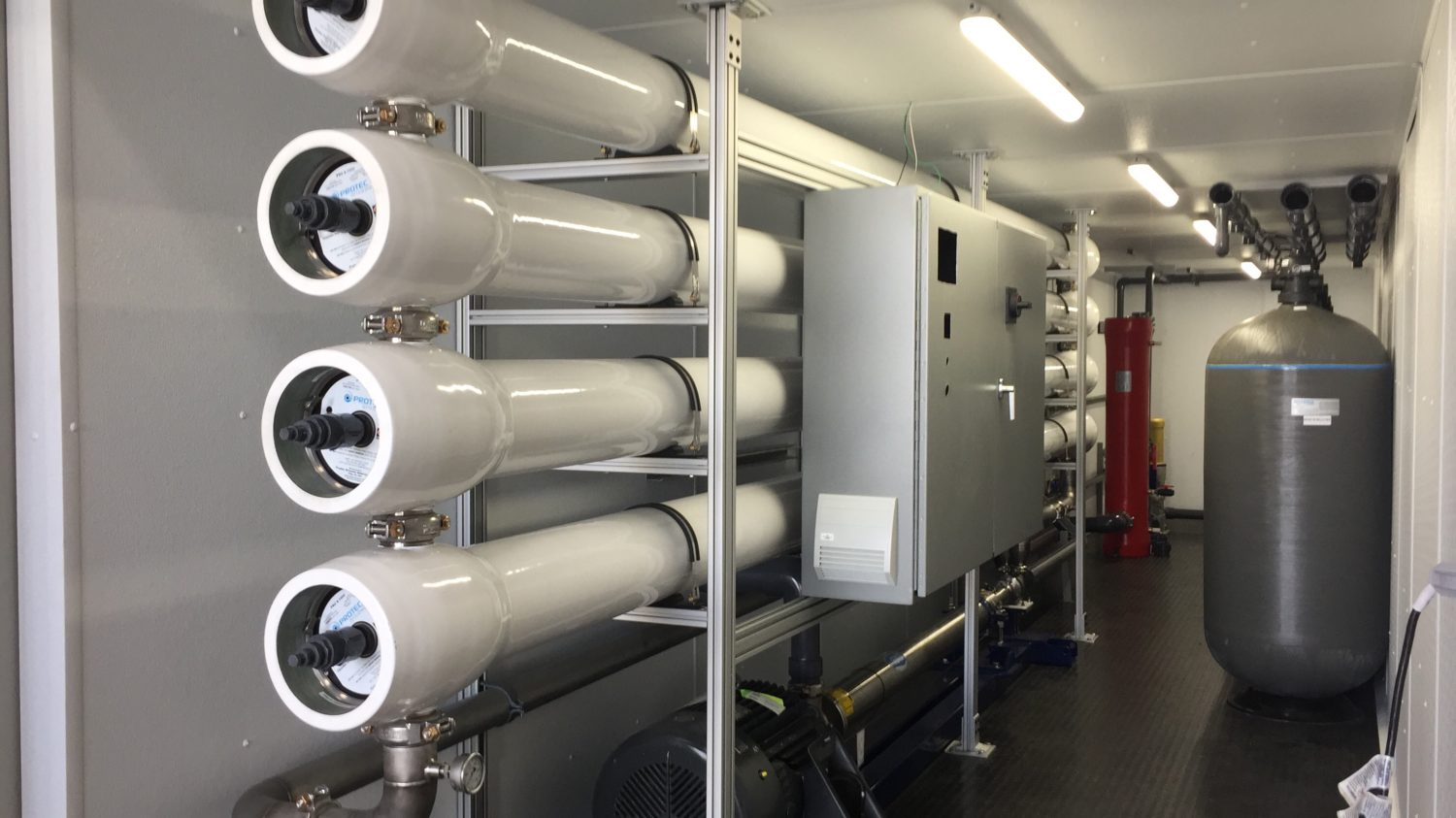
In a power generation facility, downtime is the enemy of profitability. We need to think about two types of downtime: planned and unplanned.
Minimizing Planned Downtime
Planned downtime happens every time you need to change a filter. With traditional filters, this happens frequently. If a change-out takes 3 hours and you do it every month, that’s 36 hours of lost production time per year, just for one filter housing. With a high-flow filter that lasts six months, the annual downtime for the same task could be as little as 2 hours. That is a massive increase in operational availability.
Preventing Unplanned Downtime
Unplanned downtime is even more costly. It happens when a low-quality filter fails or clogs prematurely, starving downstream systems of water. Worse, it can allow contaminants to pass through, damaging expensive equipment like RO membranes or even turbines. The consistent and reliable performance of a high-quality, high-flow filter acts as a crucial line of defense. It ensures a stable supply of clean water, protecting your most valuable assets and preventing catastrophic, unplanned shutdowns that can cost thousands of dollars per hour.
How to calculate Total Cost of Ownership (TCO)?
Are you only looking at the purchase price? This view misses the biggest costs. Calculating the Total Cost of Ownership gives you the full financial picture for your filters.
To calculate TCO, you must add the initial purchase price to all operational costs over the filter’s life. This includes labor for replacement, disposal fees, and the cost of any system downtime. This formula reveals the true, long-term expense of your filtration choice.

The concept of TCO is simple: it measures every cost associated with a product over its entire lifecycle. For filters, the purchase price is often one of the smallest components. The real costs are hidden in your operational budget. At ecofiltrone, we help our clients calculate this to make the smartest financial decision.
Here is the basic formula we use:
TCO = Initial Purchase Cost + Labor Cost + Disposal Cost + Downtime Cost
Let’s apply this to a one-year scenario for a typical pre-RO filtration system in a power plant.
One-Year TCO Comparison
| Cost Component | Traditional Filters | High-Flow Filters |
|---|---|---|
| Change-out Frequency | Monthly (12x per year) | Semi-Annually (2x per year) |
| Initial Purchase Cost | $4,800 ($400 x 12) | $600 ($300 x 2) |
| Labor Cost | $2,400 ($200 x 12) | $100 ($50 x 2) |
| Disposal Cost | $1,200 ($100 x 12) | $40 ($20 x 2) |
| Downtime Cost | $3,600 ($300 x 12) | $100 ($50 x 2) |
| Total Annual TCO | $12,000 | $840 |
As you can see, the filter with the lower upfront price per unit ends up costing over ten times more throughout the year. This is the power of a TCO analysis. It shifts the focus from saving a few dollars today to saving thousands over the lifetime of your project.
Why do cheaper filters often cost more long-term?
Is a cheaper filter always a better deal? The low price tag is tempting. But these "savings" often lead to much higher expenses in other areas of your budget.
Cheaper filters cost more long-term because of hidden expenses. They require more frequent replacement, which drives up labor, disposal, and downtime costs. Their lower efficiency can also lead to premature fouling of expensive downstream equipment, resulting in costly repairs or early replacement.
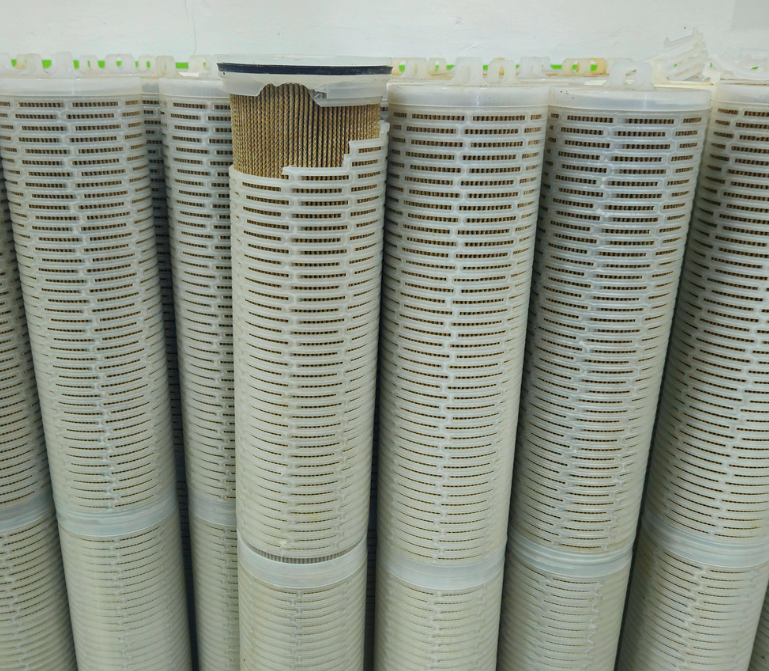
Choosing a filter based on the lowest unit price is like buying a cheap car that has terrible fuel economy and needs constant repairs. The initial savings are quickly erased by much larger, ongoing expenses. With industrial filters, this effect is even more dramatic.
First, as we’ve shown, the operational costs add up. More frequent change-outs mean you spend much more on labor, disposal, and lost production time. These costs are recurring and can easily dwarf the initial price difference.
Second, there is the issue of performance and risk. Cheaper filters often use lower-grade materials and less precise manufacturing methods. This means they may not filter as effectively, allowing fine particles to pass through. These particles can damage sensitive downstream equipment, like RO membranes, leading to expensive, premature replacement. A single RO membrane can cost thousands of dollars, making the "savings" from a cheap filter seem trivial. At ecofiltrone, we use premium imported media and advanced ultrasonic welding to ensure our filters perform reliably, protecting your critical assets and giving you peace of mind. The small extra investment upfront is your insurance against a much larger, unexpected expense down the road.
Conclusion
Choosing filters based on Total Cost of Ownership, not just price, is crucial. High-flow filters offer significant long-term savings in labor, downtime, and overall operational efficiency for your plant.