Struggling with RO membrane fouling despite your pre-filtration specs? The problem might be common misunderstandings about high-flow filters. Let’s look at what really matters.
Many engineers mistakenly believe that lower micron ratings always mean better protection, or that SDI is the only metric that matters. The truth is, effective filtration involves a balance of multiple factors, including filter structure, media quality, and understanding real-world performance beyond the spec sheet.
In my years of working with desalination projects, from the Middle East to Southeast Asia, I’ve seen the same issues pop up again and again. It’s easy to get lost in datasheets and forget what truly protects those expensive RO membranes downstream. Let’s break down some of the most common misconceptions I encounter. These insights could save you from costly downtime and premature membrane replacement.
Is a lower micron rating always safer for RO membranes?
Choosing a 1-micron filter over a 5-micron seems like an easy win for safety. But this choice can backfire, causing unexpected pressure drops and frequent change-outs.
Not always. A lower micron rating can cause rapid clogging if the water has high suspended solids. The key is choosing the correct rating based on particle size distribution, not just aiming for the lowest number. A well-designed 5-micron filter can outperform a poorly made 1-micron filter.
The micron number on a datasheet can be misleading if you don’t know the context. There are two main types of ratings, and the difference is critical for protecting your downstream equipment.
Nominal vs. Absolute Ratings
A "nominal" rating is an estimate. A 5-micron nominal filter might remove 85% of particles that are 5 microns or larger. An "absolute" rating is a guarantee. A 5-micron absolute filter will remove 99.9% or more of particles at that size. For critical applications like RO pre-filtration, an absolute rating provides much more reliable protection.
Why Structure Matters More
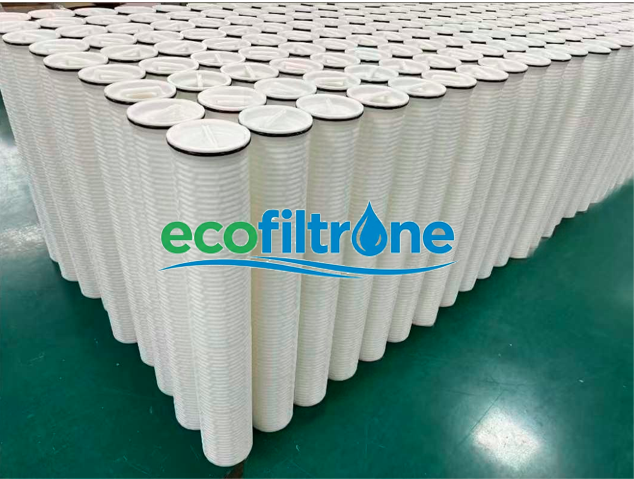
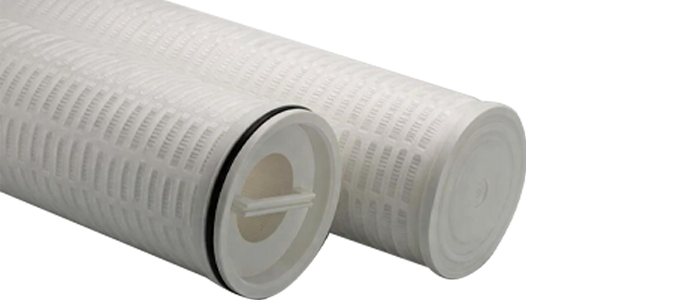
A filter’s construction is often more important than its rating. At ecofiltrone, we design our high-flow cartridges with a graded-density structure. This means the outer layers have larger pores to catch bigger particles, while the inner layers have finer pores to catch smaller ones. This prevents the filter surface from clogging too quickly, extending its service life and ensuring consistent performance. A cheap 1-micron filter without this structure might clog in hours, while a high-quality 5-micron absolute filter provides stable protection for weeks.
| Feature | Poorly Designed 1-Micron Filter | Well-Designed 5-Micron Absolute Filter |
|---|---|---|
| Rating Type | Often Nominal | Absolute (99.9%+) |
| Structure | Single-density media | Graded-density depth media |
| Initial Clogging | Very fast | Slow and gradual |
| RO Membrane Risk | High (due to pressure spikes) | Low (due to consistent capture) |
Why is SDI alone not enough to judge filtration quality?
Your Silt Density Index (SDI) readings are perfect, yet your RO membranes are still fouling. This frustrating situation often points to a single, overlooked measurement problem.
SDI is a snapshot, not the full movie. It doesn’t account for larger, intermittent particles, organic fouling, or sudden changes in raw water quality. Relying solely on SDI can give a false sense of security, ignoring other threats to your RO system’s health.
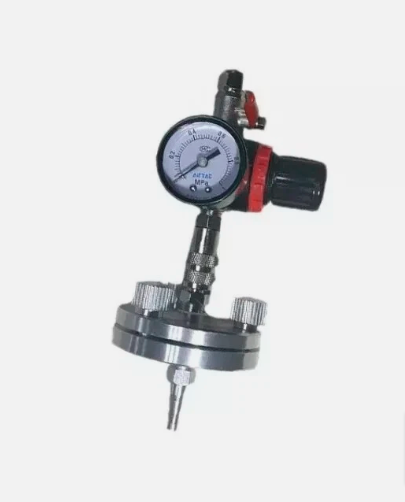
The Silt Density Index (SDI) test is a standard in the industry, but it has serious limitations. It measures the fouling potential of water by passing it through a 0.45-micron membrane filter for 15 minutes. This gives you a single data point in time.
What SDI Misses
The real world is not a controlled 15-minute test. Seawater quality can change rapidly. An algae bloom, a change in tides, or runoff after a storm can introduce contaminants that the SDI test completely misses. I remember a large project in Saudi Arabia where the client had perfect SDI values but was experiencing rapid RO fouling. We investigated and found that intermittent algae blooms were releasing large organic particles. The SDI test, run between these events, showed nothing wrong. The solution was to adjust the pre-filtration to a cartridge better designed for variable organic loads, not just fine silt.
A More Complete Picture
To truly protect your system, you need to look beyond SDI. Combining it with other measurements gives you a much better understanding of your raw water quality.
| Measurement | What It Tells You | Why It’s Important |
|---|---|---|
| SDI | Fouling potential from fine silt | Baseline for particulate fouling |
| Turbidity | Cloudiness of the water | Indicates overall suspended solids |
| Particle Counting | Size & number of particles | Helps select the correct micron rating |
| TOC | Total Organic Carbon | Indicates risk of biofouling |
Can fewer filters actually improve system reliability?
It sounds counterintuitive. How can using fewer filter cartridges lead to a more reliable system? The answer lies in the design of modern high-flow filtration technology.
Absolutely. Using high-flow cartridges means fewer filters, fewer seals, and fewer change-outs. This drastically reduces the potential for leaks, bypass, and human error during installation, leading to a more robust and reliable pre-filtration system.
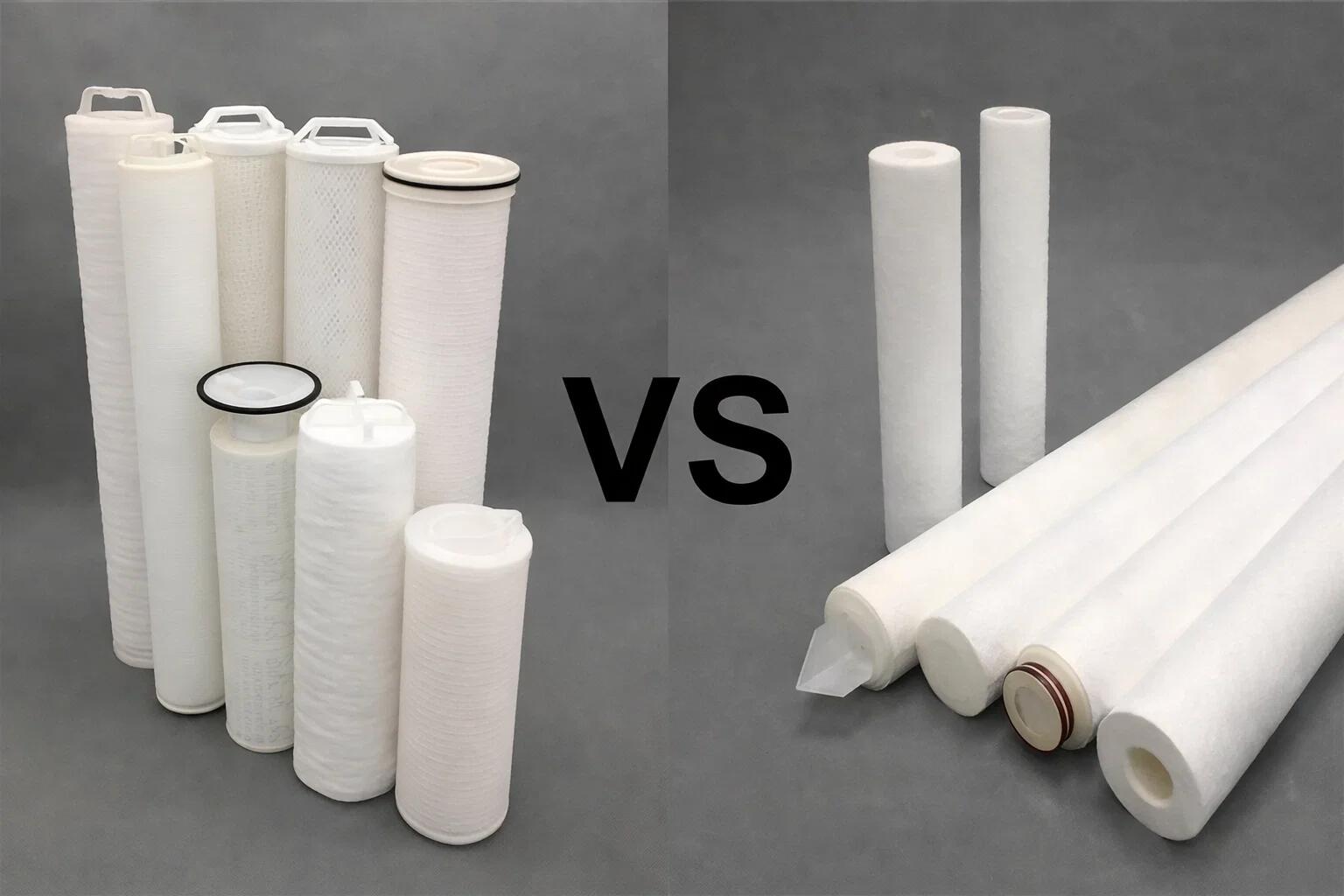
In large-scale desalination plants, reliability is everything. Every moment of downtime is lost production and lost revenue. One of the biggest sources of unreliability in a filtration system isn’t the filter media itself—it’s the hardware and the human element.
The Problem with "More is Better"
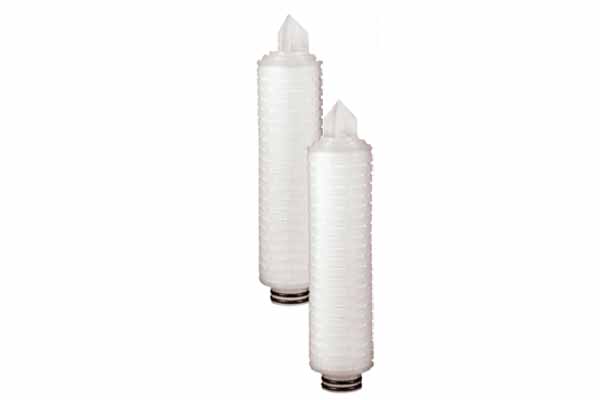
Traditional systems use hundreds of small, 2.5-inch diameter cartridges. To get the required flow rate, you need a massive filter housing packed with these elements. Each cartridge has two seals (top and bottom). A system with 150 small cartridges has 300 potential points of failure. If just one of those seals is installed incorrectly or fails, unfiltered water can bypass the system and damage your RO membranes. Change-outs are also complex and time-consuming, increasing the risk of mistakes.
The High-Flow Advantage
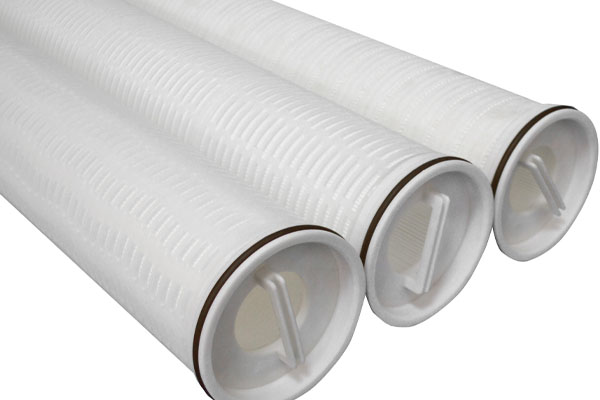
High-flow cartridges, like our 6.5-inch diameter models at ecofiltrone, can handle the flow of 10 to 20 traditional cartridges. This means you can replace a system of 150 small filters with just 10 or 15 high-flow ones. This simple change has a huge impact on reliability.
| Parameter | Traditional System (150 filters) | High-Flow System (15 filters) |
|---|---|---|
| Number of Filters | 150 | 15 |
| Number of Seals | 300 | 30 |
| Risk of Bypass | High | Very Low |
| Change-out Time | 4-6 hours | < 1 hour |
| Human Error Risk | High | Low |
What are the most misunderstood parameters in filtration?
Datasheets are filled with numbers like beta ratio, dirt holding capacity, and flow rate. But focusing on the wrong numbers can lead you to choose the wrong filter.
Beyond the micron rating, engineers often misinterpret "dirt-holding capacity" (DHC) and "beta ratio." DHC is a lab value and doesn’t always reflect real-world filter life. Beta ratio is crucial, but only meaningful if you know the test conditions.
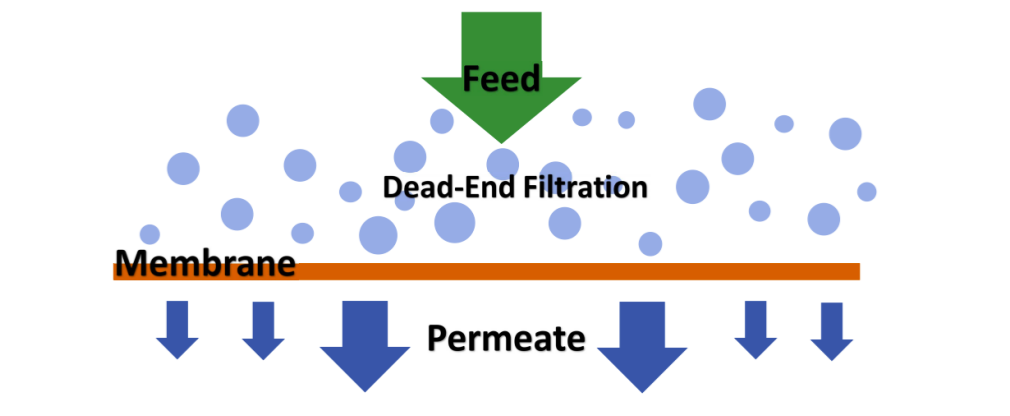
It’s easy to compare two filters based on a single number, but the story is usually more complex. Two of the most common points of confusion I see are Dirt-Holding Capacity and Beta Ratio.
The Myth of Dirt-Holding Capacity (DHC)
Manufacturers often advertise a high DHC, measured in grams or pounds. This number comes from a lab test under perfect conditions, using a standard, hard-particle contaminant at a constant flow rate. Real-world seawater contains soft, slimy organic materials, not just hard silt. These slimy particles can blind the surface of a filter very quickly, regardless of its lab-tested DHC. A filter with a lower lab DHC but a better graded-density structure will almost always last longer in a real desalination plant. The structure is a better predictor of lifespan than the DHC number.
Understanding Beta Ratio (β)
Beta ratio is a true measure of a filter’s capture efficiency. A Beta 1000 at 5 microns means the filter is 99.9% efficient at capturing 5-micron particles. That sounds great, but you have to ask a follow-up question: at what differential pressure was this efficiency achieved? A filter’s efficiency can drop as it gets clogged and the pressure across it increases. A reliable manufacturer will provide you with efficiency data across the filter’s entire operational life, not just its performance when it’s clean.
How do you balance pressure drop vs filtration efficiency?
You need high efficiency to protect your RO membranes, but high efficiency often means a high initial pressure drop, costing you energy. Is there a way to have both?
The key is in the filter’s media and construction. A larger surface area and a graded-density depth structure allow for high efficiency with a low initial pressure drop. You don’t have to sacrifice energy savings for proper membrane protection.
![Chart showing the relationship between pressure drop and filtration efficiency.] "Pressure Drop vs Filtration Efficiency")
This is a classic engineering trade-off. A filter works by forcing water through small pores. The smaller the pores (higher efficiency), the more energy it takes to push the water through (higher pressure drop). Higher pressure drop means higher energy consumption for your pumps, which is a major operational cost.
The Power of Surface Area
The solution is to increase the filter’s surface area. Think of it like a highway. A two-lane road with a toll booth will back up traffic. A ten-lane road with a toll booth can handle much more traffic with less congestion. At ecofiltrone, we use a pleated media design in our high-flow cartridges. This pleating fits a massive amount of surface area into a standard cartridge size. This allows for high flow rates with a very low initial pressure drop, saving you energy from day one.
Graded-Density for Longevity
A low initial pressure drop is great, but it needs to stay low. Our graded-density design helps with this. By capturing larger particles on the outer layers, it prevents the finer inner layers from getting blocked. This means the pressure drop increases slowly and evenly over the filter’s life, maximizing its time in service and minimizing energy costs over the long term. It’s a smarter design that delivers both performance and efficiency.
Conclusion
Choosing the right high-flow filter is about looking beyond the spec sheet. Understand the real-world application, balance the key parameters, and partner with a manufacturer who understands your process.