Your brand’s reputation depends on product safety, but are your FDA-compliant filters truly safe? Microscopic chemicals could still be leaching into your product, posing a hidden risk.
Yes, true safety in food and beverage filtration goes beyond a simple FDA certificate. It requires a deep dive into the filter’s Extractables Test report. This report reveals potential chemical residues from manufacturing that could migrate into your final product, ensuring purity and protecting consumer health.
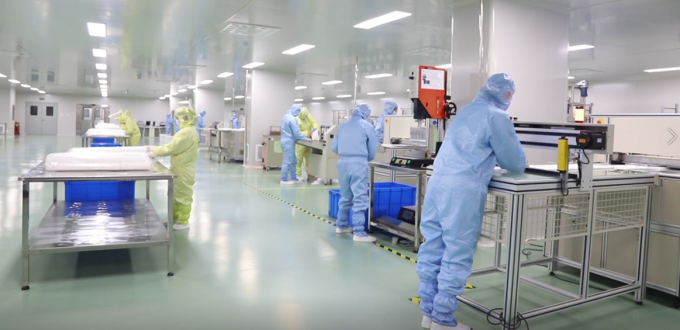
In my 10+ years in the industrial filtration industry, I’ve seen many clients focus solely on FDA compliance. It’s a crucial first step, of course. But for industries like dairy, beer, or bottled water, that certificate is just the beginning of the safety conversation. The filter element is a "food contact material," and every decision we make about its construction has a direct impact on the consumer. We need to look deeper at the chemistry of the materials we use. True safety isn’t about a piece of paper; it’s about understanding the microscopic interactions happening inside your filtration system every single day. Let’s explore what that really means.
An FDA certificate seems to cover all your bases. But complex extractables test reports are often overlooked, hiding key details. Knowing what to look for reveals the true safety of your filter.
An Extractables Test report details all substances that can be "pulled out" from a filter using strong solvents under harsh conditions. It identifies potential contaminants, like manufacturing residues or polymer additives, that are not supposed to be there. This data helps predict what might leach into your product.
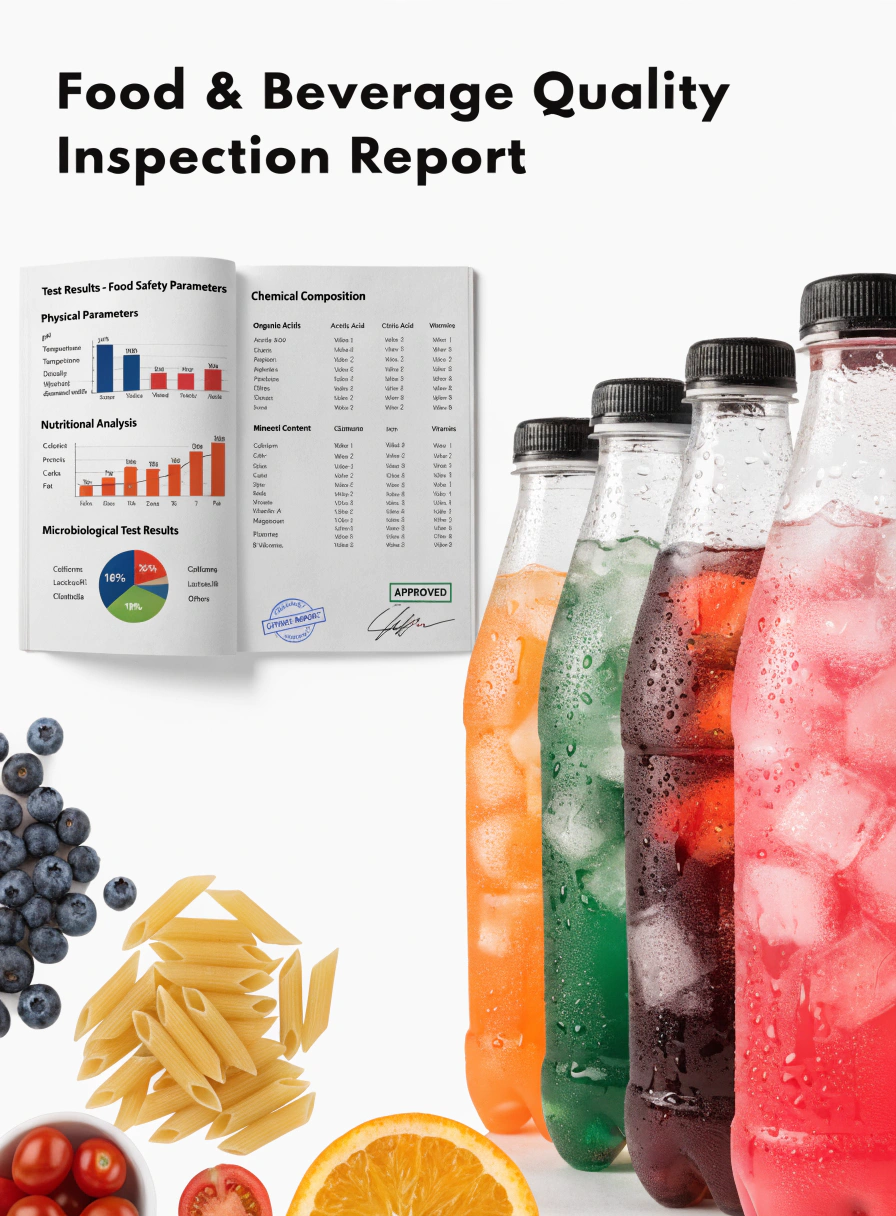
When we talk about filter safety, we must understand two key terms: extractables and leachables. Extractables are compounds that can be forced out of the filter material under aggressive laboratory conditions, like using harsh solvents and high heat. Think of this as a worst-case scenario test. It tells us what could potentially come out of the filter. Leachables, on the other hand, are the compounds that actually migrate from the filter into your product under normal operating conditions. The extractables report is so important because it gives us a roadmap of potential leachables. If a harmful chemical shows up as an extractable, we have to ensure it never becomes a leachable. At ecofiltrone, we provide these transparent reports to our clients. Our use of premium, single-source polypropylene and advanced ultrasonic welding technology drastically minimizes the presence of unwanted extractables from the very start.
Here is what you should look for in a comprehensive report:
| Report Section | What It Tells You | Why It Matters for Safety |
|---|---|---|
| Test Solvents | Simulates your product (e.g., water, ethanol for alcoholic beverages). | Ensures the test is relevant to your specific application. |
| Test Conditions | Shows the temperature and duration of the test. | Aggressive conditions reveal the filter’s stability limits. |
| Analytical Methods | Lists the technology used (e.g., GC-MS, LC-MS). | High-tech methods are needed to detect and identify trace chemicals. |
| Detected Compounds | A list of all chemicals found. | This is the core data. You need to know exactly what was found. |
| Toxicological Review | Assesses the health risk of the detected compounds. | Puts the findings into context for consumer safety. |
How to ensure that the filter element material does not undergo tiny plasticizer migration under high-flow flushing?
Your high-flow system runs efficiently, which is great. But this high velocity can stress the filter media, causing harmful plasticizers to migrate into your product. Choosing the right material is essential.
To prevent plasticizer migration, you must use filter cartridges made from materials that do not contain them, like high-purity polypropylene (PP). Also, ensure the manufacturing process, like ultrasonic welding, avoids adhesives or binders that could also contain these chemicals. This secures structural integrity under high flow.
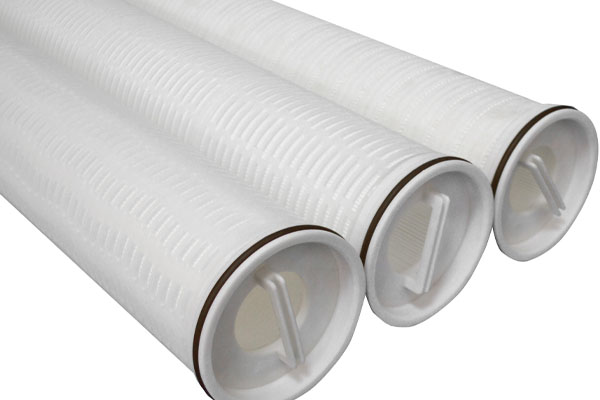
Plasticizers, such as phthalates, are chemicals added to some plastics to make them more flexible. They are a serious health concern and have no place in food and beverage processing. The problem is that high flow rates do more than just filter your product quickly. The sheer force of the liquid can put physical stress on the filter’s structure. This stress, combined with potential temperature increases from friction, can encourage weakly bonded chemicals like plasticizers to break free and migrate into your beverage stream. This is a silent contamination that standard quality checks might miss. The solution begins with the raw material. Our ecofiltrone high-flow filter cartridges are made from 100% pure polypropylene. This material is naturally semi-rigid and stable, so it requires no plasticizers. We source only premium-grade PP to ensure purity from the start.
Manufacturing methods are just as important. Many filters on the market use glues or epoxy resins to attach the end caps to the filter body. These adhesives can be a hidden source of migrating chemicals. We invested in a different approach. Our production lines use state-of-the-art ultrasonic welding technology. This process uses high-frequency vibrations to melt and fuse the polypropylene parts together, creating one solid, seamless piece.
| Bonding Method | Risk of Chemical Migration | Structural Integrity |
|---|---|---|
| Adhesives/Glues | High (adhesives can contain various chemicals) | Can weaken over time with chemical exposure |
| Ultrasonic Welding | Extremely Low (no additives, just fused PP) | Creates a strong, permanent, single-piece bond |
This weld is as strong and pure as the filter material itself, completely eliminating the risk of adhesive-related contamination. It’s a more advanced and costly process, but it is the only way to guarantee the level of safety our clients in the food and beverage industry demand.
For CIP (In-Line Cleaning) conditions, what chemical resistances should the filter element have?
Clean-in-Place (CIP) is essential for plant hygiene. But the harsh chemicals used can degrade your filter elements, causing them to break down and release contaminants into your next production batch.
For CIP, a filter element must resist common cleaning agents like caustic soda (sodium hydroxide), peracetic acid (PAA), and nitric acid at various concentrations and temperatures. The filter’s materials, including the media, cage, and seals, must not degrade, swell, or leach chemicals during these aggressive cycles.
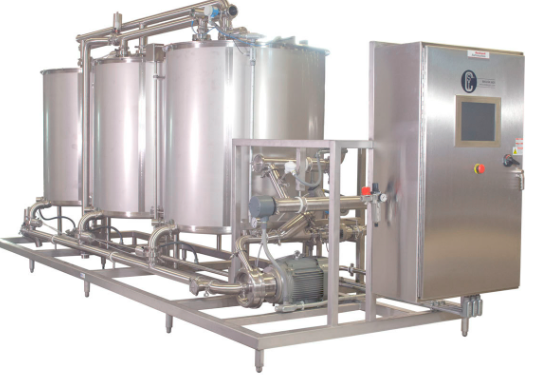
A filter’s job doesn’t end after a production run. It must survive the cleaning process to be ready for the next one. CIP cycles are designed to be aggressive. They use a combination of chemicals, high temperatures, and flow to sterilize the entire system. A filter cartridge that cannot withstand this process is a liability. If the filter media swells, its pore structure can change, affecting filtration efficiency. If the plastic cage becomes brittle, it could crack and release fragments downstream. Worst of all, if the material degrades, it could leach chemicals into the clean system, contaminating the very next batch of product. This is why we pay so much attention to chemical compatibility. Our polypropylene high-flow cartridges are engineered to handle these conditions.
However, the filter media is only one part of the equation. The sealing O-rings are another critical contact point. A standard O-ring might fail when exposed to an aggressive CIP chemical. That’s why we offer a range of seal materials. We work with our clients to understand their exact CIP protocol—the chemicals, concentrations, and temperatures they use. Then, we recommend the best material, whether it’s EPDM, Silicone, or Viton, to ensure a perfect, leak-free seal that lasts.
| CIP Chemical | Common Concentration | Temperature Range | Required Filter Material Resistance |
|---|---|---|---|
| Caustic Soda (NaOH) | 0.5% – 2% | Up to 85°C (185°F) | Polypropylene (PP) shows excellent resistance |
| Nitric Acid (HNO₃) | 0.5% – 1.5% | Up to 70°C (158°F) | PP has good resistance for passivation cycles |
| Peracetic Acid (PAA) | 200 – 500 ppm | Ambient to 50°C (122°F) | PP shows excellent resistance for sanitizing |
| Hot Water | N/A | >82°C (180°F) | Must withstand high temps without deformation |
Conclusion
True food and beverage safety goes far beyond a certificate. It demands a close look at material reports, choosing additive-free materials, and ensuring robust chemical resistance for long-term purity.