Planning a new water treatment project and worried about the budget? Traditional filters seem cheaper upfront, but hidden costs can secretly drain your funds for years to come.
The best choice depends on the Total Cost of Ownership (TCO). High-flow filter systems, despite a higher initial investment, often deliver a lower TCO. This comes from major savings in labor costs for replacements, a much smaller factory footprint, and lower long-term operational expenses.
When I talk with procurement engineers, the conversation often starts with the price of a single filter cartridge. It’s a natural starting point. But I always encourage them to look at the bigger picture. The true cost of a filtration system isn’t just the purchase price; it’s the total cost to own and operate it over its entire life. Let’s break down the numbers and see how a higher initial investment can lead to pure profit down the line.
How can high-flow systems help factories save up to 80% of their floor space?
Struggling with limited factory space in your plant? Traditional filter arrays can consume valuable real estate. Imagine reclaiming that area for more productive equipment, boosting your output without expanding.
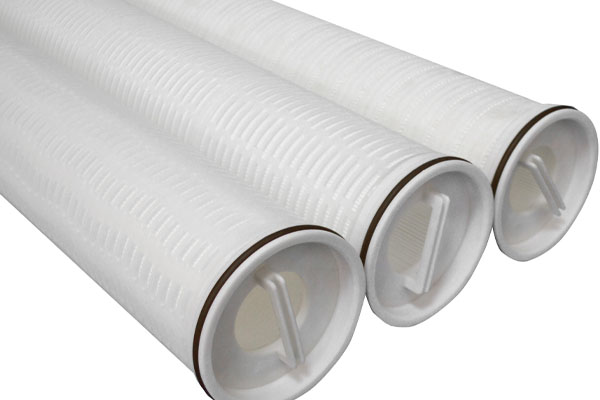
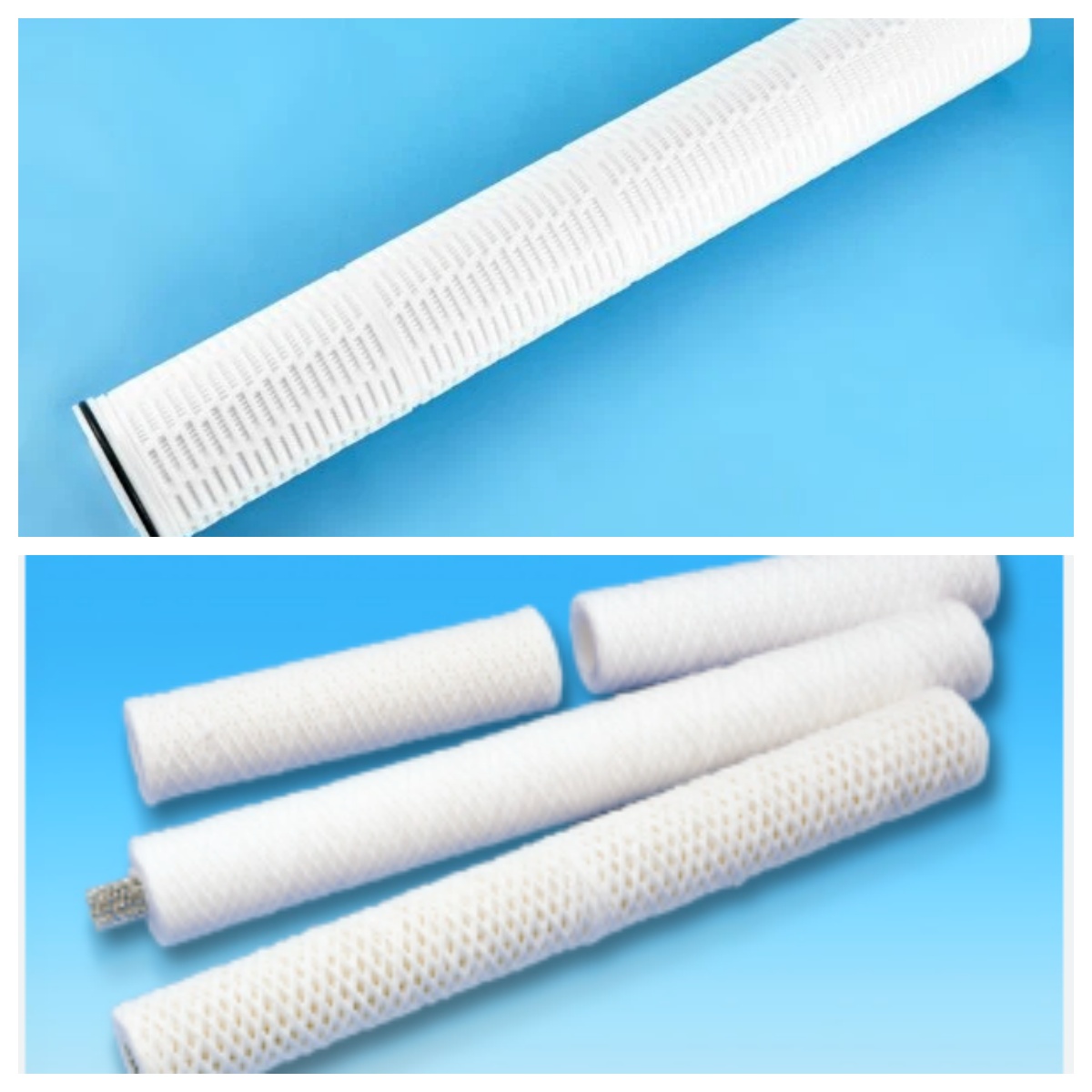
A single 60-inch high-flow filter cartridge can handle the same water volume as 20 or more standard 40-inch depth filter cartridges. This means you need a much smaller filter housing and fewer housings overall, which drastically reduces the system’s total footprint.
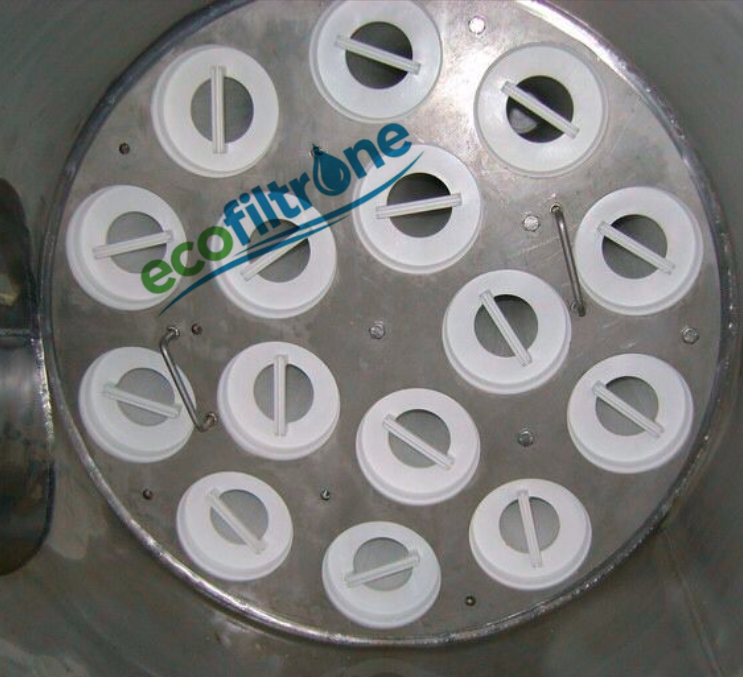
Let’s dig into a real-world example to see what this means in practice. Consider a project that needs to treat 1000 cubic meters of water per hour (m³/h). The choice of filtration technology directly impacts the physical space required.
System Footprint Comparison
| Feature | Traditional System (2.5" x 40") | High-Flow System (6" x 60") |
|---|---|---|
| Cartridges Needed | ~100 cartridges | ~5 cartridges |
| Housings Needed | Multiple large housings | One compact housing |
| Approx. Footprint | ~15 square meters | ~3 square meters |
| Space Saving | – | ~80% |
As you can see, the difference is huge. An 80% reduction in footprint is not just empty space. In regions where industrial land is expensive, this translates directly into capital expenditure (CAPEX) savings. You might be able to design a smaller building. For existing plants, this recovered space is an asset. You could install another production line, add storage, or simply create a safer, less congested work environment for your team. This space saving is a powerful, and often overlooked, financial benefit.
What does it mean for a person to change a core in just five minutes in today’s era of soaring labor costs?
Are rising labor costs and frequent maintenance downtime hurting your bottom line? Changing dozens of traditional filter cartridges is a slow, labor-intensive, and expensive process. What if you could cut that time by over 90%?
With a high-flow system, one trained technician can typically replace a single, large cartridge in about five minutes. In contrast, changing a traditional array of 20+ cartridges can take hours, often requiring significant system downtime and tying up your skilled personnel.
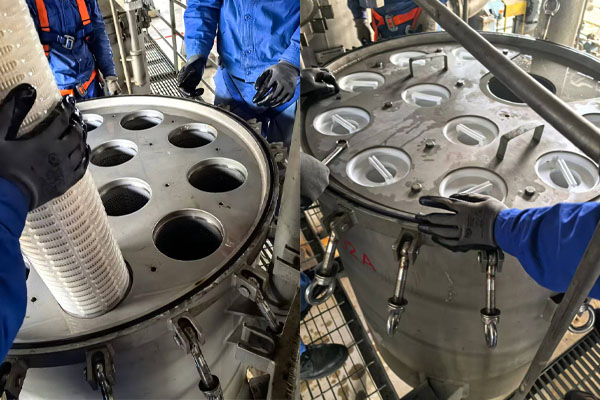
Let’s quantify what this speed means for your operational expenses (OPEX). The cost of labor is more than just a salary; it’s also about lost productivity and system downtime. When your filtration system is offline for maintenance, your entire production process can grind to a halt.
Annual Labor Cost Analysis
Here’s a simple calculation. Let’s assume filter changes are needed once a month and the labor rate for a technician is $30 per hour.
| Factor | Traditional System (20 cartridges) | High-Flow System (1 cartridge) |
|---|---|---|
| Time per Change | ~3 hours (9 min/cartridge) | ~10 minutes |
| Changes per Year | 12 | 12 |
| Total Labor Hours/Year | 36 hours | 2 hours |
| Annual Labor Cost | $1,080 | $60 |
| System Downtime | High (36+ hours/year) | Minimal (2 hours/year) |
The numbers speak for themselves. You save over $1,000 annually on direct labor for just one filtration point. More importantly, you reduce system downtime from over a day and a half to just two hours. That’s more than 34 hours of extra production time per year. The technician who was spending hours on change-outs can now focus on more critical maintenance tasks. This is a clear example of how smart technology choices directly boost your factory’s efficiency and profitability.
Why do systems with a relatively high initial investment often achieve a break-even point in the second year?
Does the higher upfront cost of a high-flow system make you hesitate? It is normal to focus on the initial purchase price. But what if that higher investment could pay for itself much faster than you think?
High-flow systems can reach a financial break-even point so quickly because the huge savings in OPEX (labor, space, downtime, and disposal costs) rapidly cancel out the higher initial CAPEX. We often see the total cost of ownership fall below traditional systems within 12 to 24 months.
The key is to use the Total Cost of Ownership (TCO) model. This financial model looks at all costs over the life of the asset, not just the ticket price. Let’s build a simplified TCO comparison for a hypothetical system over two years.
TCO Comparison: High-Flow vs. Traditional
| Cost Component | Traditional System | High-Flow System |
|---|---|---|
| CAPEX (Year 1) | ||
| Housings & Installation | $10,000 | $15,000 |
| OPEX (Annual) | ||
| Cartridge Consumables | $8,000 | $9,000 |
| Labor for Change-outs | $1,080 | $60 |
| Disposal Costs | $500 | $100 |
| Total OPEX (Annual) | $9,580 | $9,160 |
| Year 1 Total Cost | $19,580 ($10k + $9.58k) | $24,160 ($15k + $9.16k) |
| Year 2 Cumulative Cost | $29,160 ($19.58k + $9.58k) | $33,320 ($24.16k + $9.16k) |
Wait, the numbers in this basic model show high-flow is still more expensive in Year 2. Why? Because we haven’t included the most important costs: downtime and space. If your plant loses $2,000 for every hour of downtime, the 34 extra hours of downtime with the traditional system cost you $68,000 per year. The value of the saved 12 square meters of factory space could be another $10,000 in value. When you add these real-world operational costs, the picture changes dramatically. The high-flow system becomes cheaper well within the second year. This is the financial reality that makes high-flow filtration the smarter long-term investment.
Conclusion
Ultimately, don’t just look at the price of a single filter. By analyzing the Total Cost of Ownership, you’ll see that high-flow systems save critical space, labor, and money long-term.