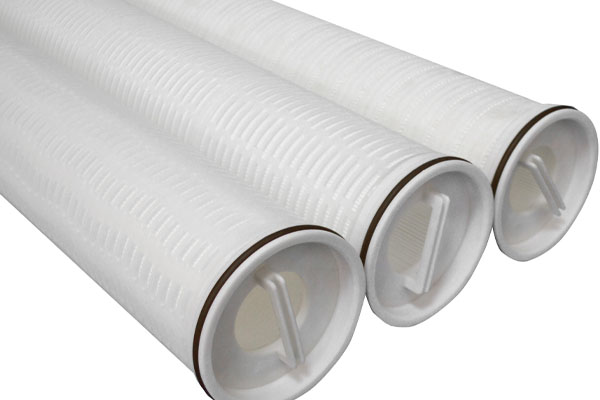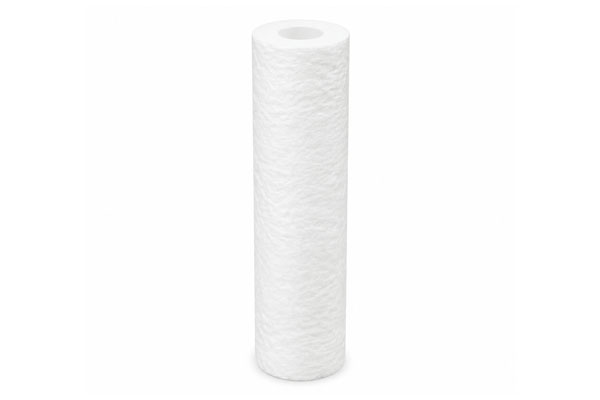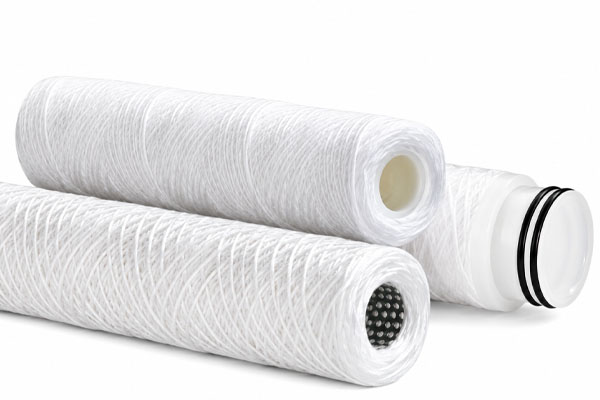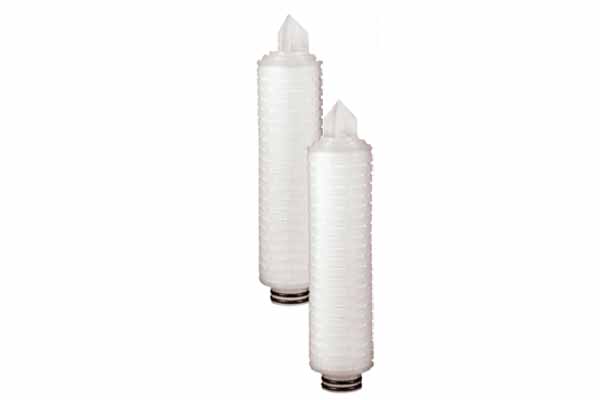
Your UPW system is stable, then a filter change causes TOC spikes. This hidden contamination risk, known as leachate, could be coming from the new cartridge itself, jeopardizing your yield.
Yes, the filter cartridge itself can be a major source of contamination. Low-quality materials, manufacturing residues, or adhesives in the filter can leach organic compounds (TOC) and ions into your ultrapure water, causing resistivity drops and threatening your entire semiconductor fabrication process.
In my 10 years of manufacturing high-flow filters, I’ve learned a critical lesson that I share with all my clients in the semiconductor industry. The most advanced filtration isn’t just about what the filter blocks; it’s about what the filter doesn’t release. A filter should be a purifier, not a secret source of pollution. When you’re dealing with water so pure it’s measured in megaohms, even the smallest amount of contamination can be catastrophic. We’re going to look at this hidden risk and how you can protect your operations from it.
Why does the TOC (Total Organic Carbon) index of the system fluctuate after the installation of a new filter element?
You’ve just installed a brand-new, supposedly clean filter. Yet, your system’s TOC readings are suddenly unstable. This variability can compromise entire wafer batches, a financially devastating outcome.
New filter elements often release trace organic compounds left over from the manufacturing process. These "leachables," which can include binders, surfactants, or even plasticizers from the filter media itself, directly increase the Total Organic Carbon (TOC) in your ultrapure water, causing unpredictable fluctuations.
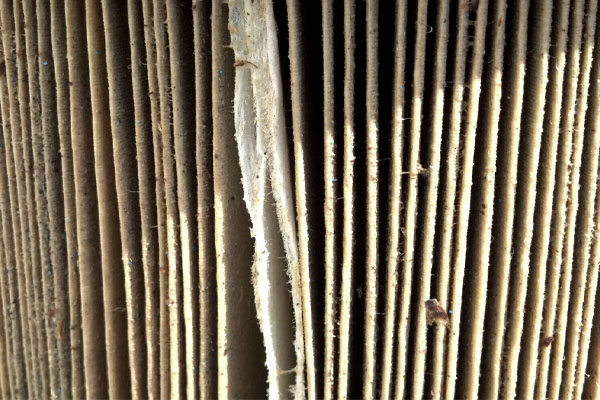
When we talk about filter cleanliness, we have to look deeper than just the micron rating. The real issue is the chemistry of the filter’s construction. At Ecofiltrone, we became obsessed with this problem because our customers couldn’t afford any uncertainty. The source of these leachables can be broken down into a few key areas.
The Hidden Sources of TOC
The filter cartridge might look like a simple device, but its components can be a minefield for contamination if not controlled.
- Manufacturing Residues: Standard production environments can leave behind oils, solvents, and other organic residues on the filter media.
- Adhesive Contamination: Many filters use glues or adhesives to bond end caps and seams. These adhesives can break down over time and leach significant amounts of TOC into the UPW stream.
- Filter Media Itself: Low-grade polypropylene or other polymers can contain unbound monomers or plasticizers that slowly leach out, creating a constant source of background TOC.
This is why our approach is different. We build our high-flow filters in a 100,000-level cleanroom and use advanced ultrasonic welding. This technology fuses the components together with heat and pressure, completely eliminating the need for adhesives and one of the biggest sources of TOC risk.
| Feature | Standard Filter | Ecofiltrone High-Purity Filter |
|---|---|---|
| Assembly Method | Glues / Adhesives | Ultrasonic Welding |
| TOC Leachate Risk | High | Extremely Low |
| Production Environment | Standard Workshop | 100,000-Level Cleanroom |
| Rinse-up Time | Long, unpredictable | Fast, consistent |
How to test the cleanliness grade of the filter element without disassembling it?
You suspect a new batch of filters is causing issues, but you can’t shut down the line to pull one apart. Waiting for a major contamination event is not an option.
You can perform an in-situ cleanliness test by monitoring the water quality downstream of the new filter during its initial flush. A truly clean filter will allow water resistivity to rise to 18.2 MΩ·cm very quickly with minimal water volume and show stable, low TOC levels. A slow rise or TOC spikes indicate a dirty filter.
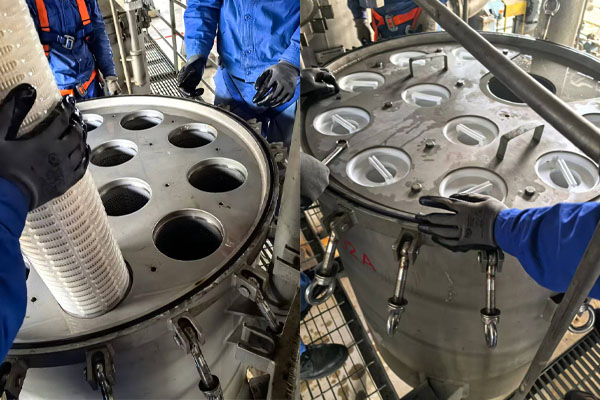
You don’t need a complex lab to get a good idea of a filter’s cleanliness. Your own UPW system is the perfect diagnostic tool. We advise our clients to perform a "rinse-up" test on every new batch of filters they receive, even from us. It’s a simple way to verify quality and protect your process. This test provides a clear performance baseline and can help you identify a problematic batch of filters before they are put into critical service, saving you from potential disaster.
Performing a Rinse-Up Test
This quick, non-destructive test will tell you almost everything you need to know.
- Step 1: Isolate and Flush: Install the new filter in its housing. If possible, use a bypass loop to direct the initial flushed water to a drain, not into your main UPW loop. Begin flowing 18MΩ UPW through the cartridge.
- Step 2: Monitor Resistivity Rise: Track the resistivity of the water coming out of the filter housing. A high-purity filter, like our Ecofiltrone cartridges, will show a very rapid climb back to >18 MΩ·cm. A slow rise indicates that ions are leaching from the filter.
- Step 3: Analyze TOC Data: Simultaneously, watch the downstream TOC analyzer. A clean filter will contribute virtually no TOC. If you see a spike or elevated TOC levels that take a long time to decrease, the filter is releasing organic compounds.
A filter that takes many hours or thousands of gallons of UPW to rinse up is not only wasting resources but is also a clear sign of poor manufacturing controls.
| Rinse-Up Result | Indication | Potential Cause |
|---|---|---|
| Fast Resistivity Rise | Clean, low ionic leachables | High-purity materials, clean manufacturing |
| Slow Resistivity Rise | Contaminated, high ionic leachables | Manufacturing residues, poor quality control |
| Stable, Low TOC | Clean, low organic leachables | Adhesive-free design, high-grade media |
| TOC Spike | Contaminated, high organic leachables | Use of glues, low-grade polymers |
Why is the Pre-flush of 18MΩ ultrapure water crucial for high-end chip manufacturing?
In a busy fab, skipping or shortening a pre-flush to get a line back up seems efficient. This small shortcut, however, can introduce killer defects directly onto your wafers.
A pre-flush with 18MΩ UPW is a non-negotiable step that removes manufacturing residues, trapped air, and leachable compounds from a new filter. It conditions the filter, ensuring that when it’s put into service, it only purifies the water and adds nothing to it.
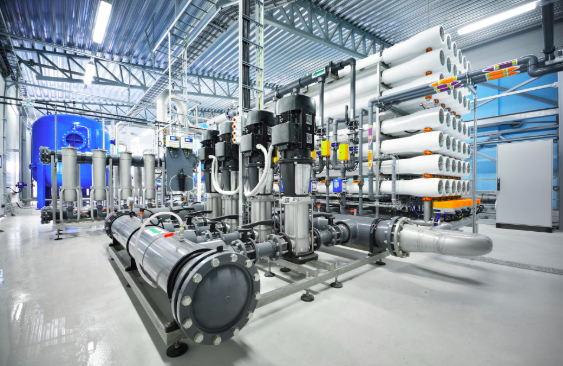
Think of the pre-flush not as cleaning a dirty filter, but as preparing a high-performance instrument for a critical task. In my experience, teams that understand and respect the pre-flush process have far fewer unexplainable yield issues. The goal is to bring the filter cartridge and the water flowing through it into a state of equilibrium before it ever touches your process loop. This simple discipline prevents the filter from becoming a variable in your highly controlled environment. It’s a foundational step for process stability.
The True Purpose of the Pre-Flush
It’s more than just a rinse; it’s a critical commissioning process.
- Removing Particulates and Organics: The primary goal is to wash away any residual particles, fibers, or leachable organic compounds from the manufacturing and packaging process, ensuring they never reach your wafers.
- Conditioning the Filter Media: A pre-flush fully wets the filter media, allowing it to reach its maximum efficiency and stable performance characteristics. This also helps remove any trapped air that could cause "micro-bubbling" issues downstream.
- Ensuring System Stability: By flushing the filter to a stable baseline (18.2 MΩ·cm and low TOC), you are ensuring that the filter itself is not an active, changing variable when introduced into your production line.
Our customers who switch to Ecofiltrone from other brands often tell me the first thing they notice is the dramatically shorter pre-flush time. Because we use premium polypropylene and ultrasonic welding, there are simply fewer contaminants to flush away. This saves them time, a significant amount of expensive UPW, and gives them confidence that their process is protected from the very start.
| Pre-Flush Action | Consequence for Chip Manufacturing |
|---|---|
| No Pre-flush | Immediate introduction of particles and TOC, high risk of wafer defects. |
| Short/Incomplete Flush | Lingering TOC and ionic leachables cause unstable resistivity and yield loss. |
| Proper 18MΩ Pre-flush | Stable UPW chemistry, protection of downstream tools, and consistent wafer yield. |
Conclusion
In semiconductor UPW, the best filter is defined not by what it stops, but by what it doesn’t release. Choosing a filter built for purity protects your process and your bottom line.