Struggling with filter cartridges failing in harsh Middle East desalination plants? This leads to costly downtime and frequent replacements. We engineer filters specifically for these extreme conditions, ensuring reliability and performance.
Filters for Middle East desalination need special designs because high salinity and extreme temperatures weaken standard materials and bonds. Customizations like reinforced structures and advanced hot-melt welding prevent premature failure, ensuring consistent performance and protecting downstream RO membranes from damage.
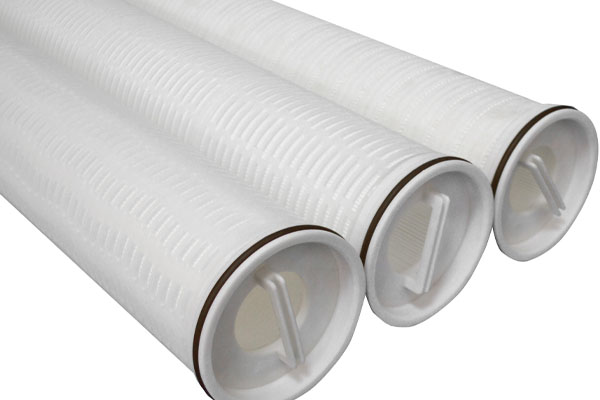
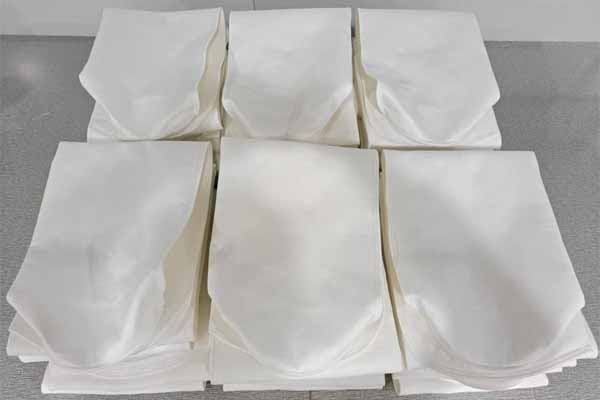
![A high-flow filter cartridge being installed in a seawater desalination plant in the Middle East]
Running a project in the Middle East, like our work on the AWPT project in Saudi Arabia, taught me a crucial lesson: a one-size-fits-all approach to filtration is a recipe for failure. The environmental challenges there are unique, and your equipment must be built to match. It’s not enough to know that you need a special filter; understanding why these customizations are critical is the key to ensuring your project’s long-term success and cost-effectiveness. Let’s explore the specific technical challenges and how we solve them.
How Do High Salinity and Extreme Temperatures Affect Filter Strength?
You specified a filter with the correct micron rating, but it’s failing unexpectedly in your Middle East facility. The intense heat and salt are breaking down the filter, causing structural collapse.
High salinity accelerates material degradation, while extreme temperature changes cause expansion and contraction, stressing all components. This combination weakens the filter media and the bonds holding it together, leading to structural collapse and contaminant bypass that can ruin downstream equipment.
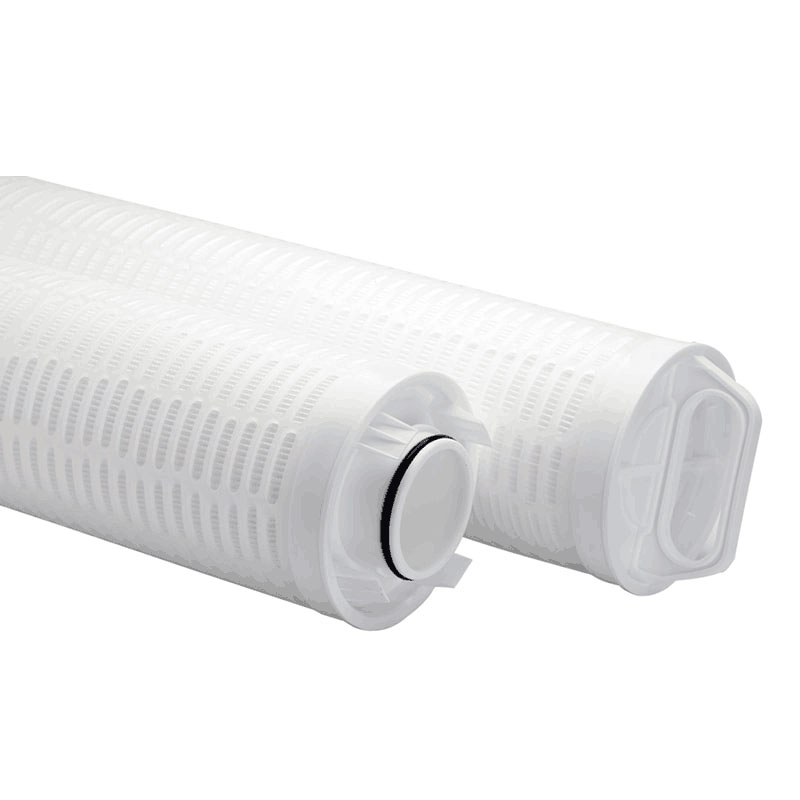
The environment is the natural enemy of filter cartridges. In regions like Saudi Arabia, the challenges are twofold. First, you have consistently high ambient temperatures that can exceed 50°C (122°F). This heat softens the polypropylene materials that form the filter’s core, cage, and end caps. Second, the high salinity of the feed water acts as a corrosive agent, slowly degrading the filter media over time. When combined, these factors create a perfect storm. The heat weakens the structure, and the salinity attacks the materials, but the real point of failure is often the bonding. Standard hot-melt adhesives used on end caps can soften and lose their integrity under this thermal stress. I’ve seen cases where the entire end cap separates from the filter body, causing a catastrophic bypass of contaminants. This is why at Ecofiltrone, we have specifically improved our hot-melt welding technology. We use a proprietary process that creates a deeper, more robust molecular bond between the end cap and the pleated media pack. This prevents structural collapse even under extreme working conditions. This kind of "tailored to local conditions" technology is where the value of a professional supplier truly lies.
| Feature | Standard High-Flow Filter | Ecofiltrone ME-Spec Filter | Impact in High-Temp, High-Salinity Environments |
|---|---|---|---|
| Core & Cage | Standard Polypropylene | Reinforced, thicker support structure | Prevents core from collapsing under high differential pressure and heat. |
| End Cap Bonding | Standard Hot-Melt Adhesive | Advanced Ultrasonic & Hot-Melt Welding | Eliminates end cap separation due to thermal expansion and contraction cycles. |
| Media Pleating | Standard V-Pleat Design | Reinforced pleat pack with support bands | Maintains filtration surface area and prevents pleat bunching or collapse. |
What’s the Real Cost of Using a Non-Customized Filter in Demanding Environments?
You’re trying to cut upfront costs by using standard, off-the-shelf filter cartridges for your RO pre-filtration system. But now you’re facing constant shutdowns and a budget spiraling out of control.
The real cost of a non-customized filter is not its purchase price. It’s the expensive downstream damage to RO membranes, lost production during downtime, and increased labor for frequent changeouts. A specialized filter prevents these massive hidden costs.
As a procurement engineer or project manager, your goal is to optimize costs. It’s tempting to choose a filter cartridge with a lower unit price. However, this often leads to a much higher Total Cost of Ownership (TCO), especially in challenging applications like seawater desalination. When a standard, under-specified filter fails, it creates a domino effect. First, the structural collapse allows particulates to bypass the filter. These contaminants then flow directly to your expensive RO membrane system. This fouling forces you to conduct more frequent and aggressive chemical cleanings, which shortens the lifespan of the membranes. Eventually, the membranes will need to be replaced, which is a massive capital expense. On top of that, you have the operational costs. Every time a filter fails unexpectedly, your system goes down. This means lost production. You also have to factor in the labor costs for the frequent, unplanned changeouts. When you analyze the full picture, the slightly higher initial investment in a properly engineered filter pays for itself many times over by ensuring system reliability and protecting your most valuable assets. Our focus at Ecofiltrone is to provide a solution that lowers your long-term operational expenses.
| Cost Factor | Standard Filter (e.g., 1-Month Lifespan) | Ecofiltrone ME-Spec Filter (e.g., 3+ Month Lifespan) | Annual Impact for the Client |
|---|---|---|---|
| Cartridge Unit Cost | Lower | Moderately Higher | The standard filter appears cheaper on the invoice. |
| Annual Replacements | 12 per housing | 4 per housing | Ecofiltrone reduces procurement frequency and labor costs by 66%. |
| Risk of RO Membrane Damage | High | Extremely Low | Prevents tens of thousands of dollars in premature membrane replacement. |
| System Downtime | High (12+ unplanned events) | Low (4 planned maintenance events) | Maximizes plant productivity and operational stability. |
| Total Cost of Ownership | Very High | Significantly Lower | Choosing the right filter delivers substantial long-term savings. |
Conclusion
For Middle East desalination, standard filters fail. You need filters engineered with reinforced structures and advanced welding to withstand the harsh environment, ensuring long-term reliability and significant cost savings.