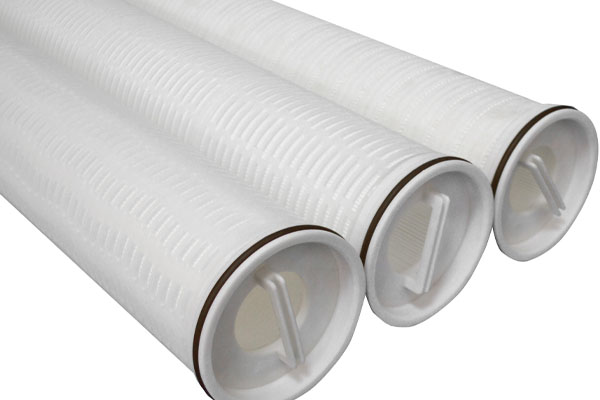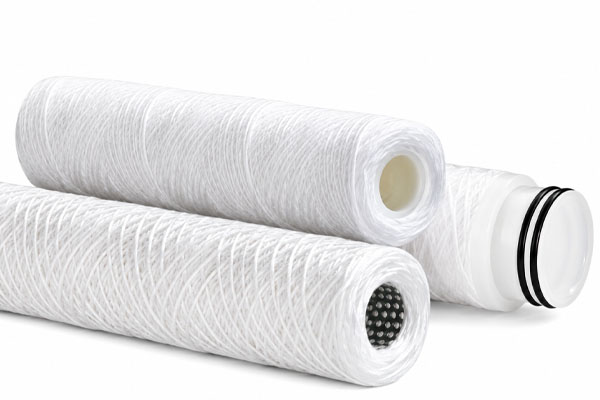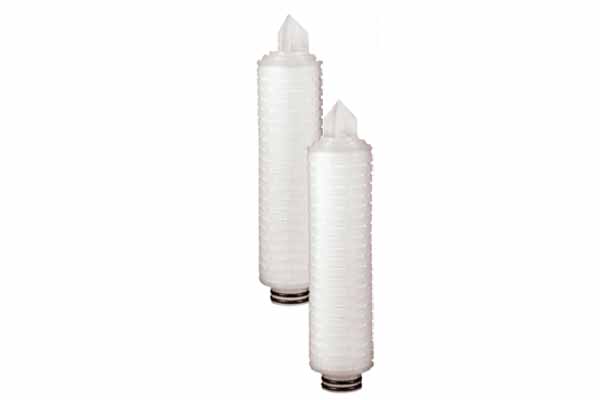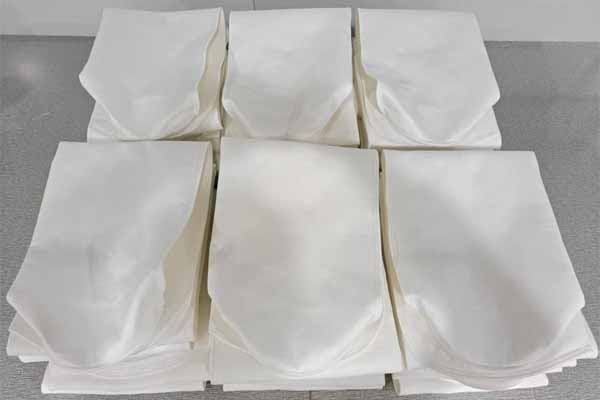
Relying on impressive data sheet flow rates? But frequent filter changes and system downtime are driving up your actual costs. Let’s calculate the true cost of your filtration system.
To calculate true filtering cost (OPEX), look beyond the initial price. You must factor in the filter’s service life under your specific conditions, replacement frequency, labor costs for change-outs, and production losses from downtime. A cheaper filter can be more expensive overall.
![Calculating the true operating expense of high-flow filter cartridges]
It’s easy to get drawn in by a low price tag and impressive lab-tested flow rates. I’ve seen it happen many times. A procurement manager thinks they’ve secured a great deal, only to face operational headaches down the line. But what if there was a better way to evaluate a filter cartridge? It involves a simple shift in mindset, moving from a one-time purchase price to the long-term cost of every cubic meter of water you treat. Let’s break that down.
How do you shift from initial procurement cost (CAPEX) to the cost per cubic meter of water?
Are you just comparing the initial purchase prices of filter cartridges? This narrow view hides the real, long-term costs that impact your budget. Let’s look at the bigger picture.
To shift your thinking, calculate the Total Cost of Filtration. This includes the filter’s price, labor for replacement, and lost production during downtime, all divided by the total volume of water filtered during its lifespan. This gives you the true cost per cubic meter.
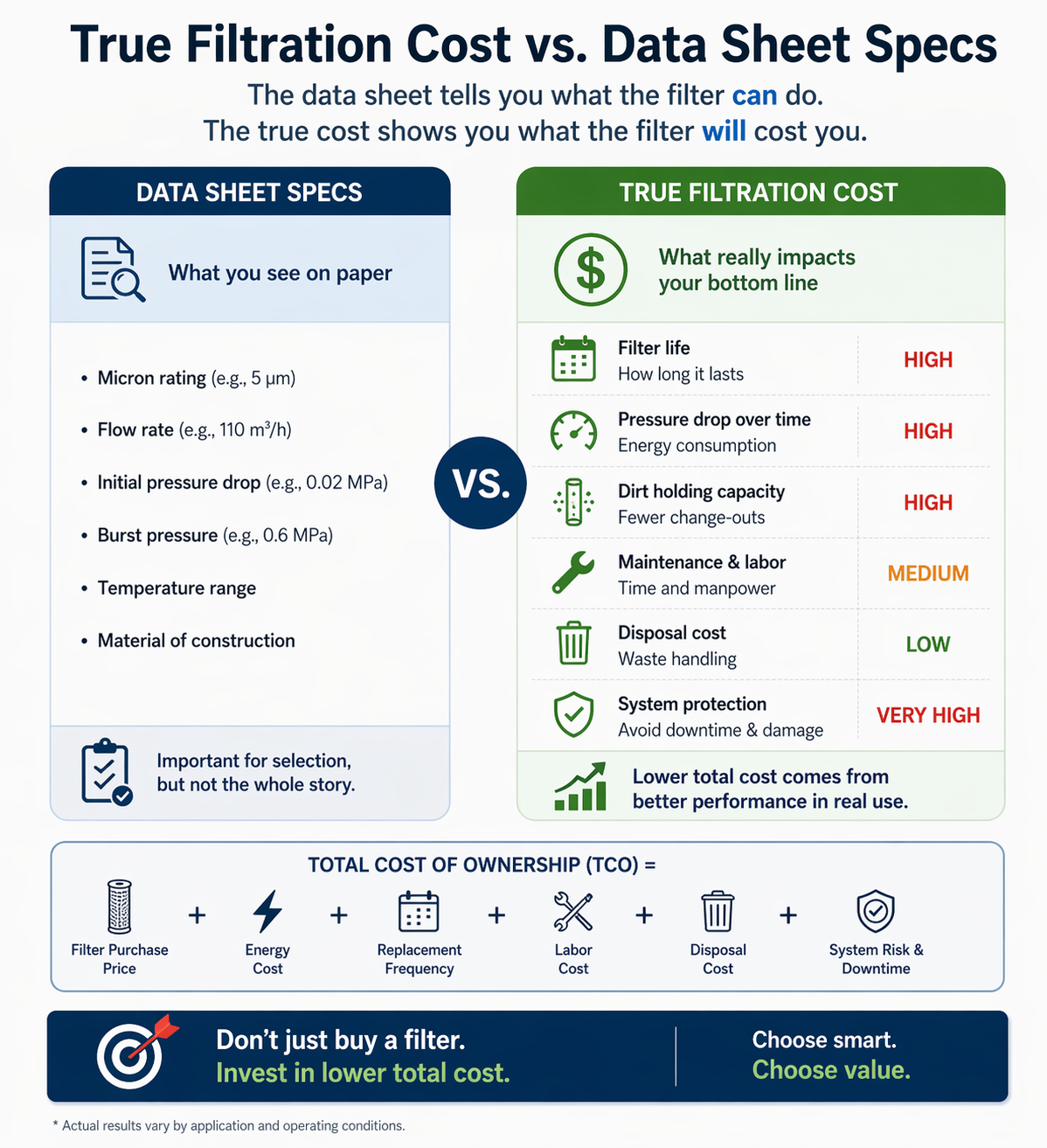
I always tell my clients to ignore the "maximum flow" listed on a data sheet. That number comes from a perfect lab setting with clean water. Your plant is not a lab. You deal with high salinity, high turbidity, and fluctuating conditions. The real metric you need is an "effective flux model." This model considers the actual, sustainable flow rate you get in your system over time. This is what determines how long a filter really lasts before it clogs and needs replacement. A filter with a lower initial cost might have a poor internal structure or media that clogs quickly. This drastically reduces its effective flux and service life.
The Hidden Costs of a "Cheaper" Filter
Let’s imagine a scenario. You choose Filter A, which is 20% cheaper than our Ecofiltrone Filter B. Initially, this looks like a smart saving. But Filter A, under your high-turbidity conditions, needs to be replaced twice as often. Each replacement means shutting down the line, paying for labor, and losing valuable production time. The math starts to look very different. Let’s put some numbers to it.
| Cost Factor | Filter A (Cheaper) | Filter B (Ecofiltrone) |
|---|---|---|
| Purchase Price | $80 | $100 |
| Service Life | 1 month | 2 months |
| Replacements/Year | 12 | 6 |
| Labor Cost/Changeout | $50 | $50 |
| Annual Filter Cost | $960 | $600 |
| Annual Labor Cost | $600 | $300 |
| Total Annual Cost | $1560 | $900 |
As you can see, the "cheaper" filter is actually 73% more expensive over a year. This doesn’t even include the massive cost of lost production from the extra six shutdowns. This simple calculation changes everything. It moves the focus from a one-time purchase (CAPEX) to the true operational expense (OPEX). This is how you make a truly cost-effective decision for your plant.
email:[email protected]
whatsapp:8613188962285
www.ecofiltrone.com
Conclusion
Don’t be misled by low prices or lab data. Calculate your true cost per cubic meter by including service life and downtime to find the most economical filtration solution.