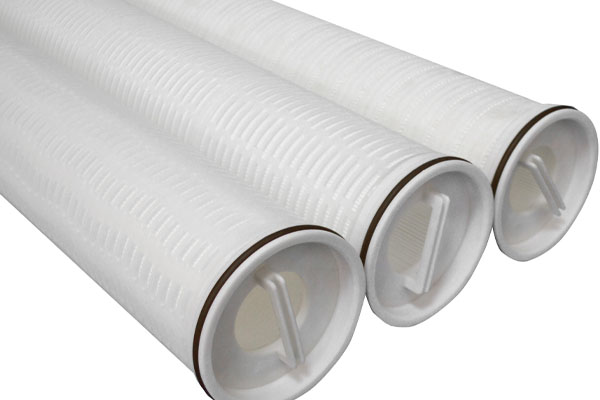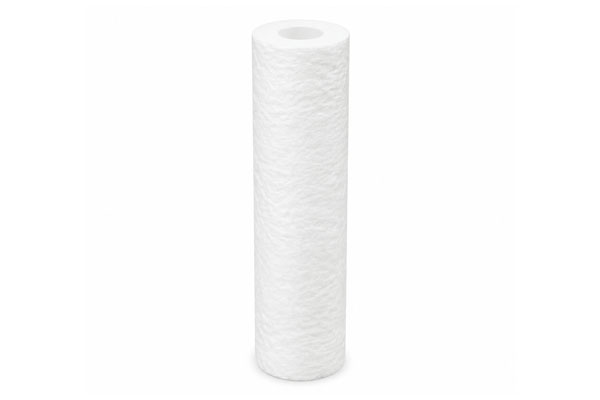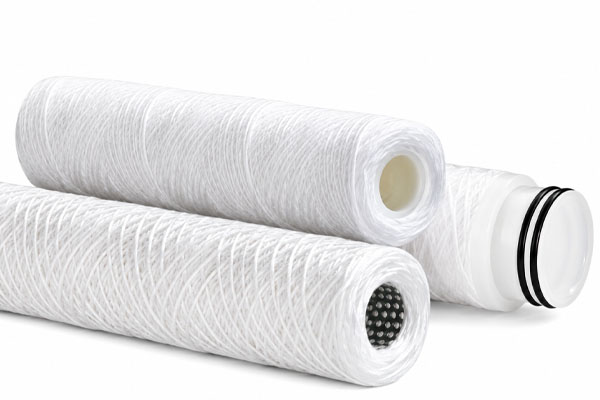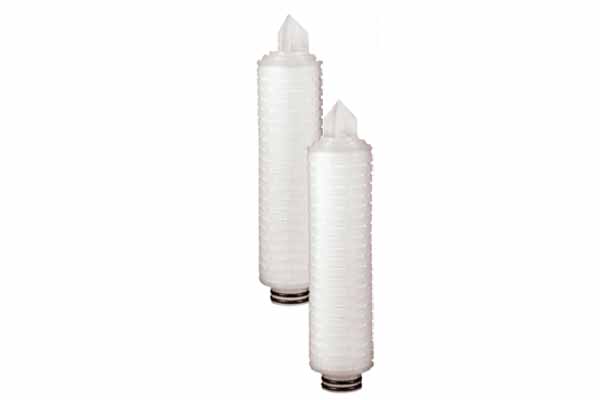
You found a 3M High Flow alternative that fits perfectly. But after installation, system pressure drops unexpectedly. The real reason for this performance gap lies beyond simple physical dimensions.
True compatibility for a 3M High Flow alternative depends on internal fluid dynamics, not just size. Key factors include the filter’s support structure, pleat design, and media quality, which dictate performance under the immense pressures and flow rates of industrial systems.
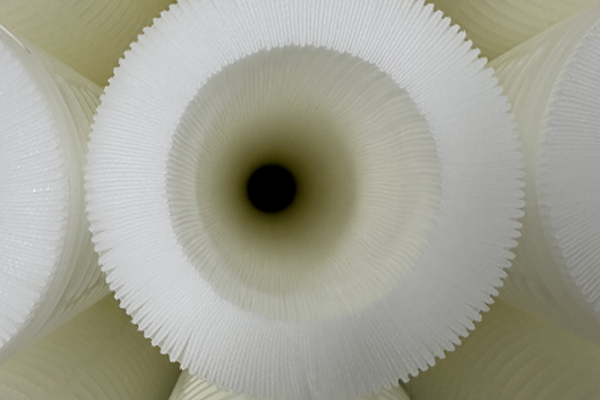
Many procurement engineers believe that if a filter element has the same length and diameter, it will perform the same. I have seen this assumption lead to costly system problems many times. A filter is not just a simple tube; it is a complex piece of engineering designed to manage high-velocity fluid. The real test of an alternative doesn’t happen on a spec sheet, it happens inside your filter housing under full operational load. Let’s dive deeper into the technical details that truly matter for a successful replacement.
Apart from height and diameter, what parameters determine the true matching degree of the alternative filter element?
You are evaluating a new filter based on its spec sheet dimensions. But you worry that hidden variables could cause unexpected system failures later. Let’s look beyond the obvious measurements.
Beyond size, true matching is determined by pleat count, media support structure, and differential pressure ratings. An effective alternative must replicate the original’s fluid handling capacity and structural integrity, not just its physical footprint.
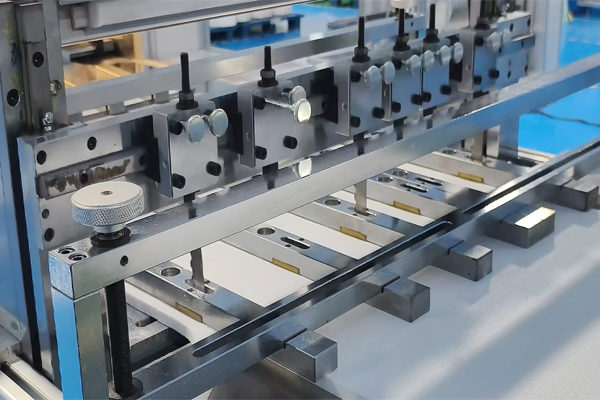
When we talk about a true 1:1 replacement, we are talking about performance, not just looks. Two filters can appear identical on the outside but behave very differently once installed. From my experience manufacturing these cartridges for over a decade, the devil is always in the details of the internal construction. A cheap substitute might use fewer pleats to save on material costs. This immediately reduces the available surface area for filtration, causing the filter to clog faster and increasing the pressure drop from day one. It’s a classic case of getting what you pay for.
Key Performance Indicators Beyond Dimensions
The internal support structure is just as critical. The inner core and outer cage must be strong enough to prevent the filter from deforming under pressure. A weak cage can lead to a total collapse. Here is a simple breakdown of what to look for beyond the basic size specifications:
| Parameter | Basic Specification | Critical Performance Specification |
|---|---|---|
| Size | 40-inch length, 6-inch diameter | Perfect fit with housing O-ring seal |
| Media | Polypropylene (PP) | Pleat count and effective surface area |
| Structure | Plastic cage | Material strength of core & support layers |
| Performance | 5 Micron Rating | Clean differential pressure at max flow rate |
Always ask a potential supplier for these deeper technical specifications. If they can’t provide them, it’s a major red flag that they are only focused on copying the appearance, not the engineering.
Why does the "filter material collapse" phenomenon occur in low-end substitutes at 100% full load flow?
Your system runs fine at 70% capacity. But when you push it to full production, the pressure skyrockets and flow drops. Your filter has likely collapsed internally. This failure is preventable.
"Filter material collapse," or pleat collapse, happens when the support media is too weak to withstand high differential pressure. Under full load, the force of the fluid presses the pleats together, drastically reducing the effective filtration surface area.
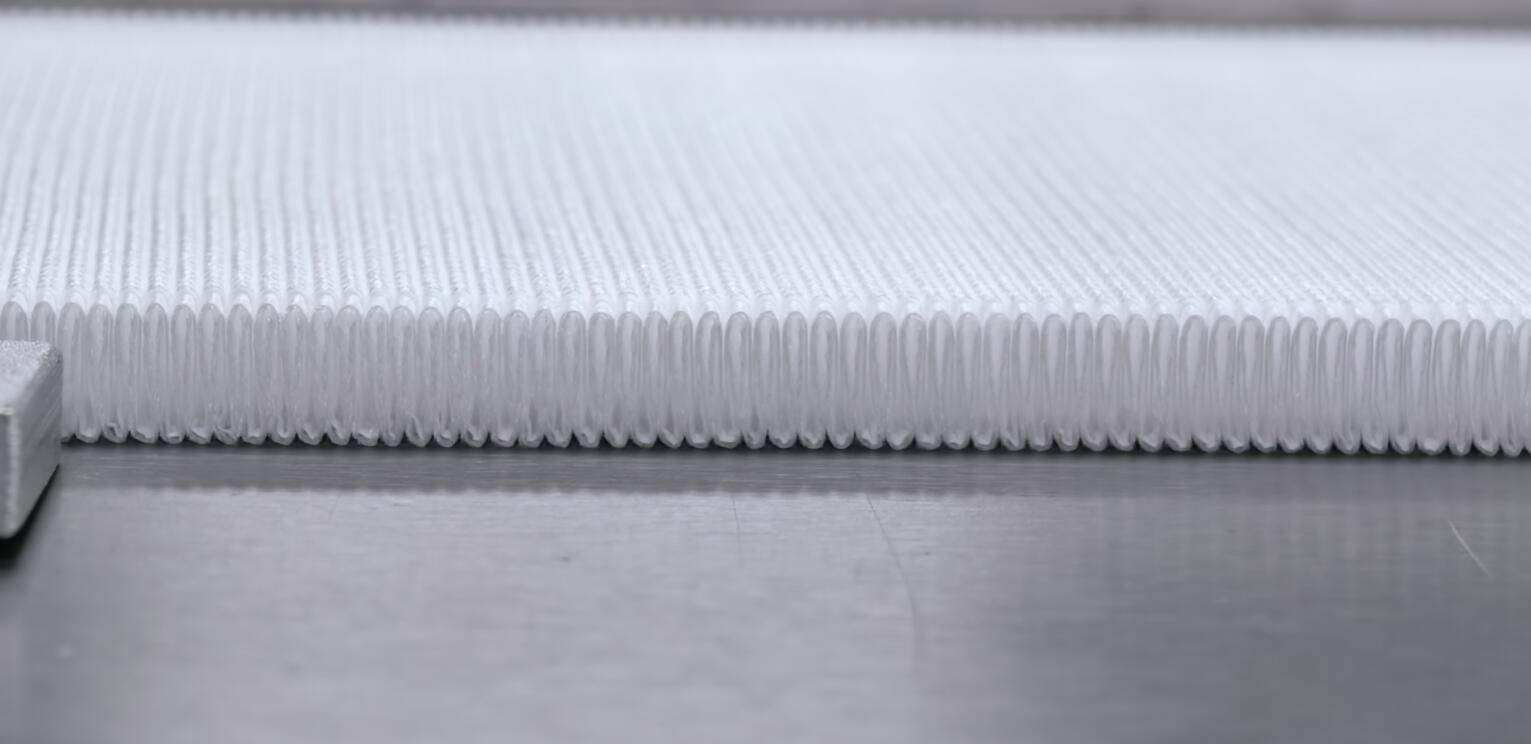
In a high-flow environment, don’t be deceived by a uniform appearance. I believe the pleated support media is actually more important than the filter material itself. The filtration media is designed to stop particles, not to provide structural strength. That job belongs to the support layers, which act like a skeleton for the delicate filter pleats. If this support is insufficient, the pleats will close together under the force of the water flow. When this happens, the effective filtration area can instantly decrease by 40% or more. Your system’s pump doesn’t know this; it just keeps pushing, causing a massive and sudden spike in pressure across the filter.
The Critical Role of the Support Layer
I once worked with a client at a large desalination plant who faced this exact problem. They tried a low-cost substitute for their 3M filters to reduce expenses. The system ran for a week without issue, but during a peak demand period, their entire RO pre-filtration line shut down due to high-pressure alarms. When they opened the filter housings, they found every single one of the new cartridges had been crushed inward. The cheap support mesh had failed completely. This is why we at ecofiltrone use high-strength, rigid support materials that maintain pleat separation even under extreme conditions.
| System Load | Fluid Force on Pleats | Performance of Low-End Support | Performance of High-Quality Support |
|---|---|---|---|
| 50% Load | Low | Pleats remain open | Pleats remain open |
| 75% Load | Medium | Pleats begin to narrow | Pleats remain open |
| 100% Load | High | Pleats collapse, flow is blocked | Pleats remain open, flow is stable |
This structural integrity is the unseen quality you are paying for in a premium filter element. It is the difference between reliable operation and catastrophic failure.
How to assess the long-term impact of alternative filter elements on the energy efficiency of existing pump systems?
You saved money upfront on a cheaper filter alternative. But now your energy bills are climbing, and you’re not sure why. Your filter choice directly impacts your pump’s energy consumption.
Assess the long-term impact by monitoring the differential pressure (Delta-P) across the filter over time. A quality alternative maintains a low, stable Delta-P. A poor substitute will show a rapidly increasing Delta-P, forcing pumps to work harder and consume more energy.
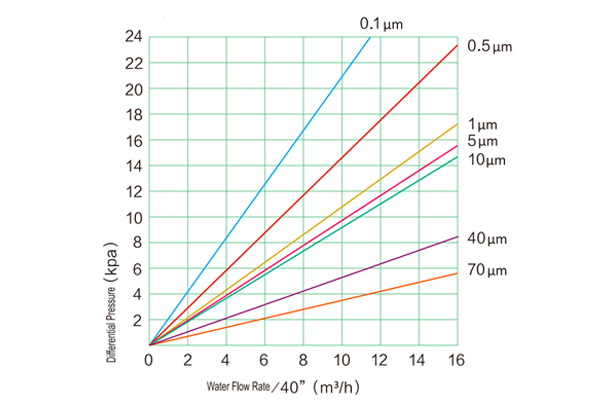
Every pump in your facility is working to overcome resistance in the system. The filter element is a major point of this resistance. A clean, well-designed filter will have a very low initial pressure drop, meaning the pump doesn’t have to work very hard to push fluid through it. However, a poorly designed alternative, perhaps with less surface area or a restrictive internal structure, will have a higher starting Delta-P. This means from the very first day, your pumps are consuming more electricity just to maintain the required flow rate. This hidden cost can quickly erase any initial savings from buying a cheaper filter.
Calculating the True Cost of Ownership (TCO)
The true cost of a filter is not its purchase price. It is the purchase price plus the energy cost to operate it plus the cost of replacements over time. A filter that causes a higher pressure drop is literally converting electricity into wasted heat and pressure. I always advise clients to track the Delta-P of their new filters weekly. If you see it climbing much faster than the original 3M filters, you know you have an issue. This rapid clogging means more frequent change-outs and higher energy bills.
| Feature | Low-Quality Alternative | ecofiltrone High-Flow Alternative |
|---|---|---|
| Initial Cost | Low | Medium |
| Initial Delta-P | Higher | Low and stable |
| Service Life | Shorter (1-2 months) | Longer (3-6 months) |
| Energy Impact | Higher pump energy consumption | Optimized energy efficiency |
| True Cost | High (Purchase + Energy + Labor) | Low (Optimized TCO) |
Over a year, a filter that saves you $50 upfront could cost you hundreds in extra electricity and replacement labor. Always evaluate an alternative based on its Total Cost of Ownership, not just its price tag.
Conclusion
Choosing a 3M alternative is about more than matching dimensions. True compatibility lies in the internal engineering, ensuring stable performance, structural integrity, and long-term energy efficiency for your entire system.