
Why Do Filter Cartridges Clog Quickly?
Engineering Guide to Diagnosing Premature Filter Cartridge Fouling
Unexpectedly short filter cartridge life is rarely caused by the cartridge itself. In most industrial filtration systems, premature clogging is the result of upstream water quality, system design, operating conditions, or incorrect filter selection.
This guide explains the most common causes of rapid cartridge blockage, how to diagnose each problem, and the engineering solutions used to improve filter service life.
Symptoms of Rapid Cartridge Clogging
Before identifying the cause, confirm the symptoms observed in your filtration system.
Typical signs include:
- Rapid increase in differential pressure (ΔP)
- Cartridge replacement frequency much shorter than expected
- Reduced flow rate
- Frequent RO membrane fouling
- Excessive maintenance downtime
- Visible contamination inside the filter housing
These symptoms often indicate that the cartridge is capturing contaminants it was never intended to handle alone.
Common Causes of Rapid Cartridge Clogging
High Suspended Solids (TSS)
The most common reason for premature clogging is excessive Total Suspended Solids (TSS).
Typical contaminants include:
- Sand
- Rust
- Silt
- Clay
- Pipe corrosion products
When the incoming solid load exceeds the cartridge’s dirt-holding capacity, differential pressure rises rapidly and service life decreases.
Engineering Tip
Measure TSS before replacing cartridge specifications. Increasing micron rating without understanding TSS often shifts the problem instead of solving it.
Colloids and Fine Particles
Particles smaller than 1 μm are often invisible but can penetrate deep into the filter media.
Typical sources include:
- Silica
- Clay colloids
- Organic colloids
- Metal hydroxides
These particles block internal pores instead of remaining on the surface, causing pressure to increase much faster than expected.
Biological Fouling
Water containing bacteria, algae, EPS or biofilm can rapidly foul cartridges.
This is particularly common in:
- Surface water
- Seawater intake
- Cooling water
- Wastewater reuse
Biological fouling usually creates a slimy layer that severely restricts flow.
Incorrect Micron Rating
Choosing an excessively fine filter is another frequent mistake.
Example:
- Required protection: 10 μm
- Installed cartridge: 1 μm
The cartridge becomes the primary pretreatment stage instead of the final polishing stage.
Always determine filtration objectives before selecting micron ratings.
Inadequate Pretreatment
A cartridge filter should polish water—not remove large contaminant loads.
If upstream pretreatment is insufficient, cartridges receive excessive contaminant loading.
Common examples include:
- Inefficient multimedia filters
- UF breakthrough
- Damaged filter bags
- Poor coagulation performance
Incorrect Flow Rate
Operating above the recommended flow rate increases contaminant loading per unit area.
This results in:
- Faster pressure rise
- Uneven contaminant distribution
- Reduced dirt holding capacity
Verify actual operating flow rather than relying only on design flow.
Engineering Diagnosis Checklist
Before changing filter cartridges, evaluate the entire filtration system.
| Check Item | Engineering Purpose |
|---|---|
| TSS | Determine solids loading |
| SDI | Evaluate RO feed quality |
| Differential Pressure Trend | Identify fouling rate |
| Particle Size Distribution | Verify micron selection |
| Flow Rate | Confirm cartridge loading |
| Pretreatment Performance | Determine upstream efficiency |
| Cartridge Cut-open Inspection | Identify contaminant type |
Engineering Solutions
Before changing filter cartridges, evaluate the entire filtration system.
| Problem | Recommended Solution |
|---|---|
| High TSS | Improve pretreatment |
| Fine colloids | Optimize coagulation or UF |
| Biofouling | Control biological growth |
| Incorrect micron | Recalculate filtration requirements |
| High flow | Reduce loading or increase filtration area |
| Poor cartridge design | Select higher dirt-holding media |
Recommended Products
Depending on operating conditions, different filtration products may be appropriate.
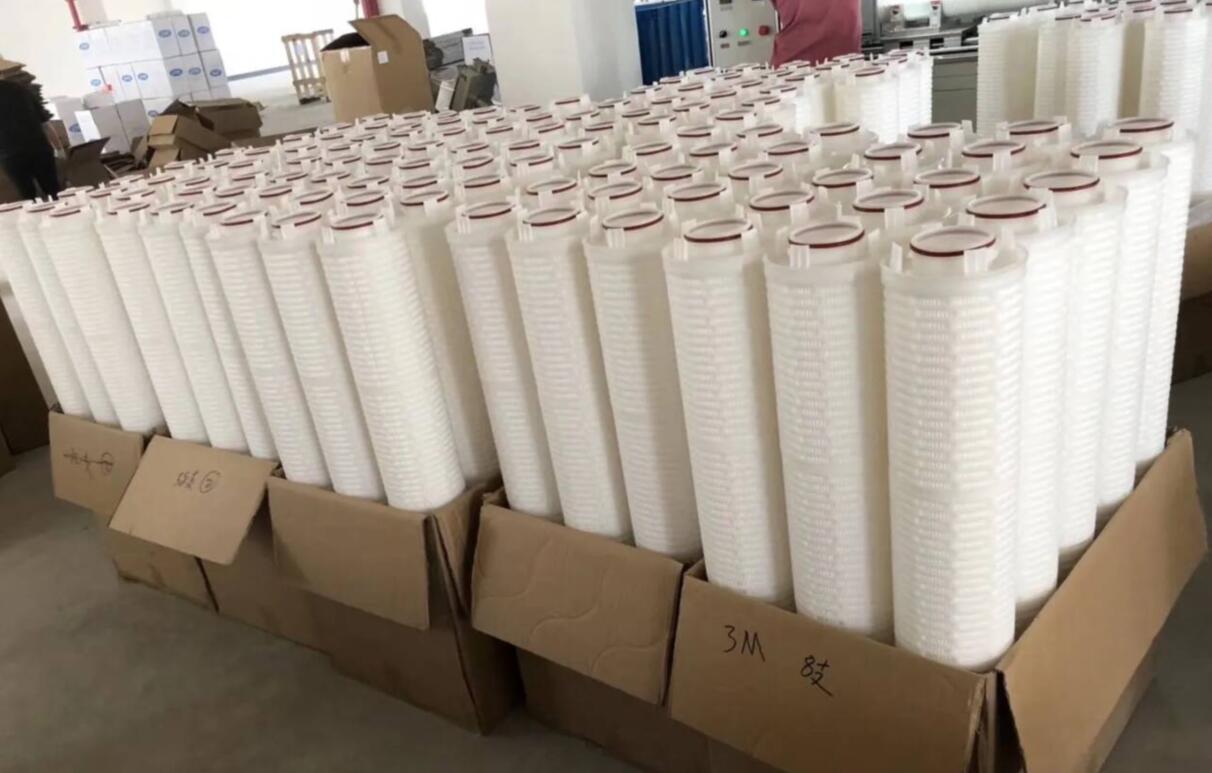
- Large flow systems
- SWRO pretreatment
- Power plants
- Municipal water
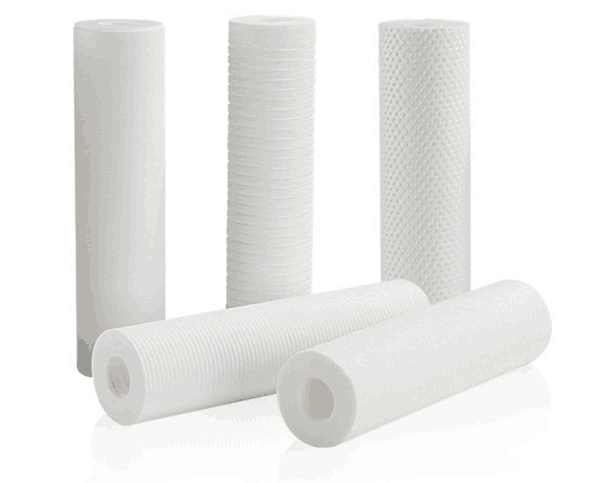
- High suspended solids
- General industrial water
- Prefiltration before RO
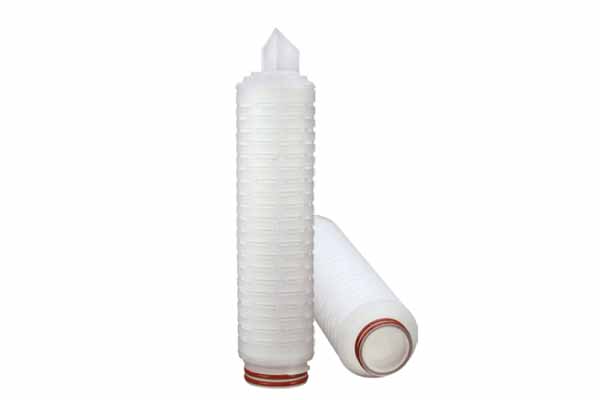
Related Engineering Solutions
If cartridge clogging occurs repeatedly, reviewing the complete filtration process is often more effective than changing cartridge specifications alone.
Recommended solution pages:
FAQ
Why does my filter cartridge clog after only a few days?
Rapid clogging is usually caused by excessive contaminant loading, incorrect micron selection, inadequate pretreatment, or biological fouling rather than cartridge defects.
Should I install a larger micron filter?
Not necessarily. Increasing micron size without understanding the contamination profile may reduce filtration efficiency while allowing harmful particles to pass downstream.
Can high flow cartridges reduce clogging?
High flow cartridges provide larger filtration area and higher dirt-holding capacity, making them suitable for applications with high flow rates and moderate suspended solids. However, they cannot compensate for poor pretreatment design.
Can cartridge filters replace multimedia filters?
No. Cartridge filters are designed as polishing filters, not primary solids removal equipment. Proper pretreatment remains essential.
Need Help Diagnosing Cartridge Fouling?
If your filter cartridges are clogging much faster than expected, our engineering team can help evaluate the root cause—not just recommend another filter.
Please provide:
- Water source
- Flow rate
- Current cartridge model
- Micron rating
- Differential pressure trend
- Operating temperature
- Photos of the used cartridge (if available)
We’ll recommend the most suitable filtration strategy based on your operating conditions.