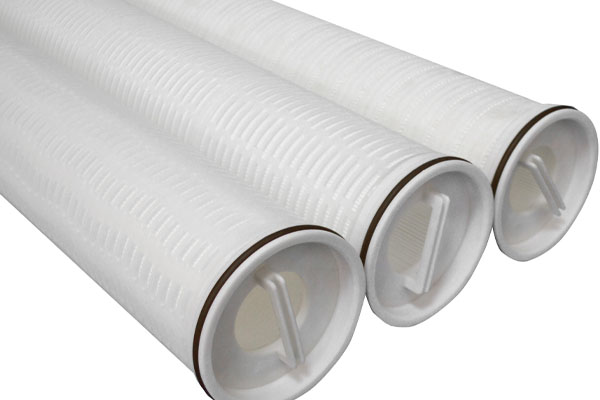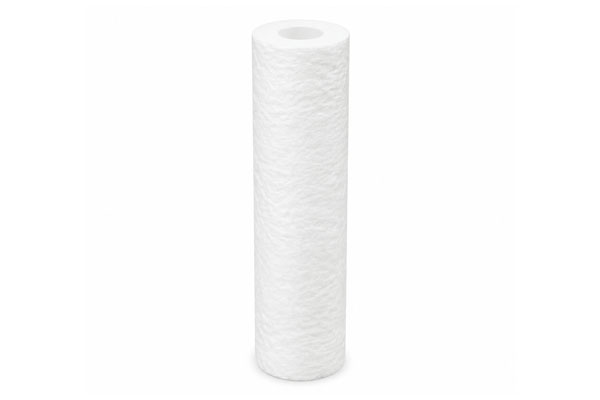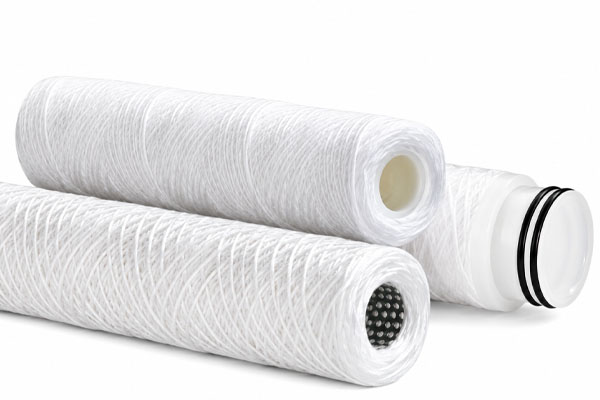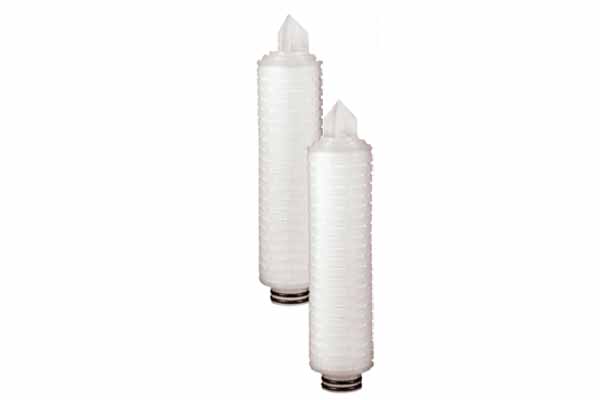
Your new replacement filter fits perfectly but fails in a month. You thought you saved money, but now face costly downtime. The real problem is hidden inside the filter.
Many "1:1 replacement" high-flow filters fail early because they only copy the external size, not the internal engineering. They often have a smaller filtration area, which causes the pressure drop to increase exponentially at high flow rates, leading to premature clogging and system shutdowns.
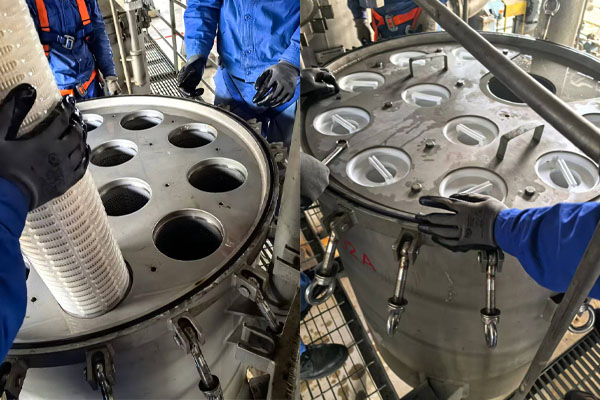
It’s a frustrating story I’ve heard many times. A project manager at a large desalination plant calls me, completely stressed. They switched to a cheaper "compatible" high-flow filter to save on their budget. It fit into their Pall housing without any issue. For the first few weeks, everything seemed fine. Then, alarms started going off. The pressure drop across the filter vessel shot up, forcing an emergency shutdown of a critical RO pre-filtration line. The savings they made on the filters were lost in a single afternoon of downtime. This experience is common, and it comes down to a fundamental misunderstanding that many suppliers exploit. They sell you a filter that fits, but not one that works. Let’s look at why this happens.
You’re told a filter is a perfect replacement. You trust that it will perform just like the original. But this assumption leads to unexpected failures and rising operational costs.
"Geometric compatibility" simply means the filter’s physical dimensions match the housing. "Filtration process compatibility" means its internal design, like pleat density and effective filtration area, matches the original’s performance under actual flow conditions. This is the critical difference that defines a filter’s true value.
![A diagram comparing the internal pleat structure of two different high-flow filters]https://ecofiltrone.com/wp-content/uploads/2026/04/A-technician-replacing-a-clogged-high-flow-filter-cartridge-in-a-desalination-plant.jpg "Filter Pleat Density Comparison")
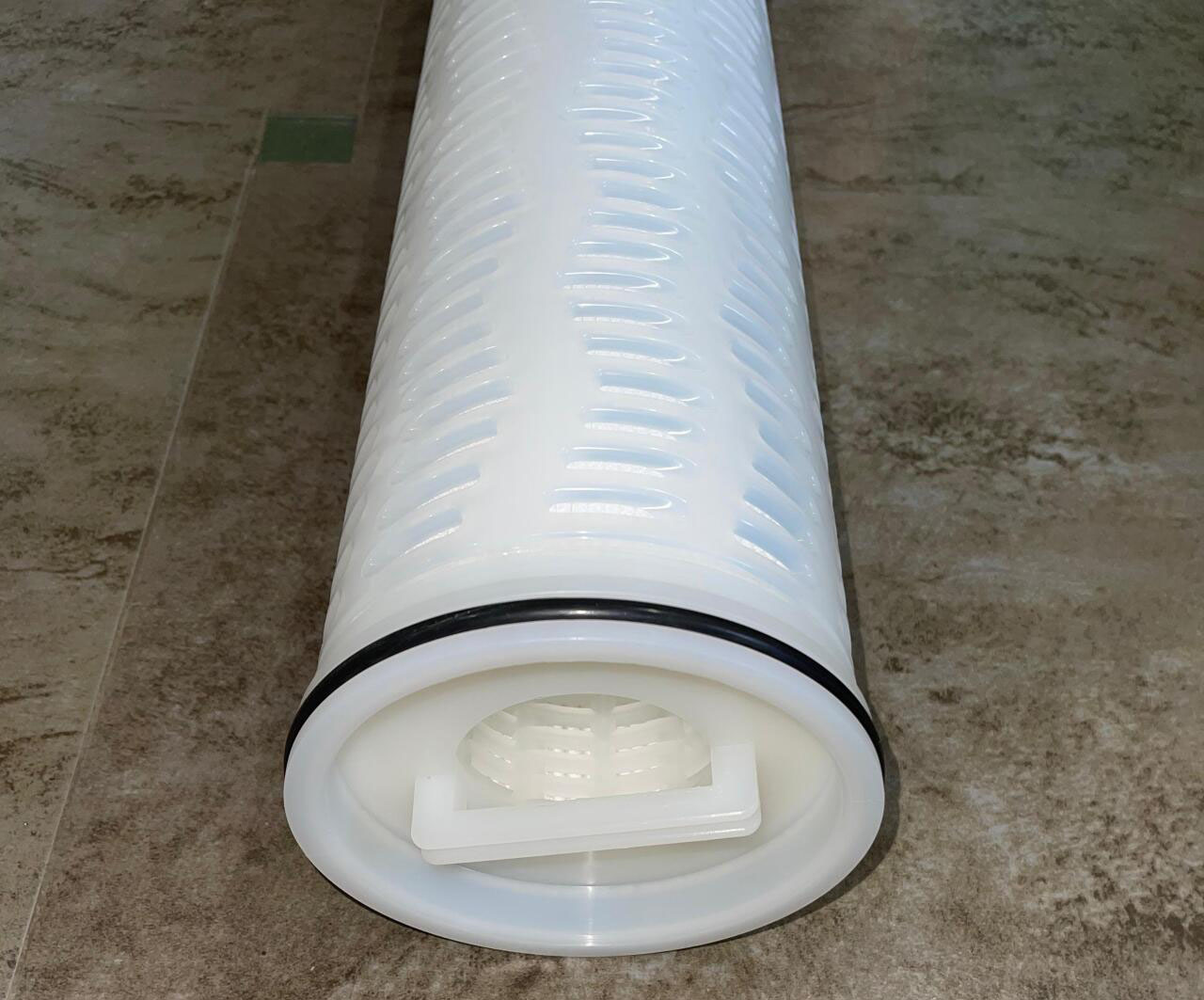
When a supplier says their filter is a "1:1 replacement," it’s important to ask them exactly what they mean. In my experience, most are only talking about the physical size. They have successfully copied the length, the diameter, and the end cap design. This is the easy part. But this is also where the compatibility check ends for many low-cost manufacturers. They have created a product that looks right and fits right, but that’s all. The true performance of a high-flow filter cartridge is determined by what happens inside, and this is what we call filtration process compatibility. It’s a much more complex engineering challenge.
It’s More Than Just a Perfect Fit
Geometric compatibility is the baseline. It means the cartridge will slide into the housing and seal correctly. Anyone with a caliper and basic molding capabilities can achieve this. I remember a client, a procurement engineer for a large chemical plant, who was proud of the deal he found. The replacement filters for his 3M system were 40% cheaper and fit perfectly. He ordered a full container. Thirty days later, his production line stopped. The filters were completely clogged. He learned the hard way that a filter that fits is not the same as a filter that performs. The problem wasn’t the size; it was the science.
The Real Secret: What is Filtration Process Compatibility?
Filtration process compatibility is about how the filter behaves when your process fluid—whether it’s water, chemicals, or condensate—is forced through it at high speed. It’s not about static dimensions; it’s about dynamic performance. This is determined by two main factors that cheap replacements almost always get wrong: the effective filtration area, which is a result of pleat density, and the overall fluid dynamics of the design. Achieving this kind of compatibility requires real research and development, premium materials, and precise manufacturing processes, not just simple imitation. It’s the difference between a copy and a true equivalent.
Why Pleat Density Determines Everything
Think of the filter media as a very long piece of paper. To fit it inside the cartridge, we fold it many times, creating pleats. Pleat density refers to how many folds, or pleats, are packed into each inch. A higher pleat density means more filter media is packed into the same space.
More Media = Larger Effective Filtration Area.
A larger filtration area means the fluid has more surface to pass through. This results in a lower initial pressure drop and, more importantly, a much larger capacity to hold dirt. A filter with a larger dirt-holding capacity will simply last longer before it clogs. Low-cost manufacturers reduce the pleat density to save money on expensive filter media. A 5% or 10% reduction in media might seem small, but its effect on performance is huge.
Here is a simple table to show the difference.
| Feature | High-Quality Replacement (ecofiltrone) | Low-Cost "1:1" Replacement | Impact on Your System |
|---|---|---|---|
| Pleat Density | Optimized for maximum area | Low to save on material cost | Reduced filter lifespan and higher replacement frequency. |
| Effective Area | Matches or exceeds OEM standard | 5-15% less than OEM standard | Causes rapid pressure drop increase under high flow. |
| Media Support | Rigid internal core and outer cage | Flimsy, weak plastic cage | Pleats can collapse under pressure, causing filter bypass. |
| Manufacturing | Advanced ultrasonic welding | Glues and adhesives used | Risk of chemical leaching and contamination of your process. |
The Science of Failure: Pressure Drop at High Flow Rates
Pressure drop is the amount of force your pumps need to push liquid through the filter. When a filter is clean, the pressure drop is low. As it captures dirt, the pressure drop increases. Your system has a maximum allowable pressure drop, and when the filter reaches it, it must be replaced.
Here is the critical point: the relationship between filtration area and pressure drop is not linear, especially at high flow rates like 3000 GPM (gallons per minute). A small reduction in filtration area causes an exponential increase in the rate of pressure drop.
Imagine two highways during rush hour. One has 10 lanes, and the other has 9. The highway with only 9 lanes will get congested much, much faster. That missing lane has an outsized effect on traffic flow. The same thing happens inside your filter housing. That 5% reduction in filtration area from a cheap filter acts like a permanent traffic jam. At high flow rates, this small difference causes the filter to clog exponentially faster. This is why the filter fails after 30 days, not the 90 or 120 days you expected from the original Pall or 3M part.
What You Should Ask For: The Pressure Drop Curve
So, how can you protect yourself? Stop asking suppliers, "Is it a 1:1 compatible part?". Start asking for technical data. The most important question you can ask is:
"Can you provide the clean pressure drop curve for this filter model at my system’s flow rate?"
This curve is a graph that shows how much pressure drop the filter creates when it is brand new. It is a direct measure of its hydraulic efficiency. A well-engineered filter will have a low and flat curve. A poorly designed filter with a low filtration area will have a much higher starting pressure drop. We at ecofiltrone always provide this data for our high-flow filter cartridges because we stand behind our engineering. If a supplier cannot or will not provide this simple data sheet, it is a major red flag. It means they are likely hiding a poorly designed product behind a low price. Making your decision based on this data, not just the initial cost, will save you from very expensive shutdowns in the future.
Conclusion
True filter compatibility is about performance, not just physical size. Don’t be misled by low prices. Demand technical data like pressure drop curves to ensure reliability and avoid costly downtime.