Struggling with clogged filters and slow production in your brewery? Constant downtime and inconsistent beer clarity are frustrating, but high flow filters offer a reliable and efficient solution.
Breweries are switching to high flow filter cartridges for their superior dirt-holding capacity and higher flow rates. This reduces filter change-outs, minimizes downtime, and ensures consistent product quality, especially when dealing with high solids loads like yeast and protein colloids, leading to significant operational savings.
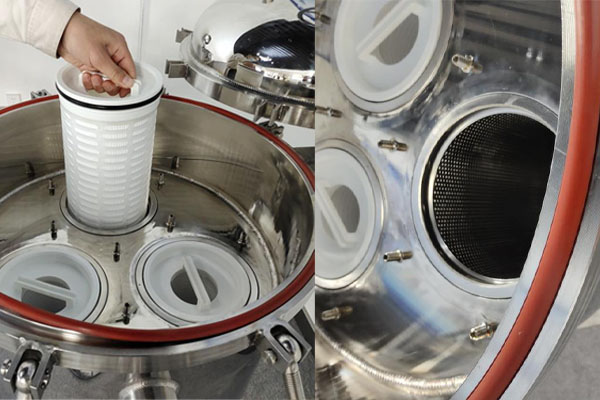
I’ve worked with many breweries, and a common problem I see is filtration failure. The interesting part is that it’s rarely about the filter’s precision. The real issue is that the amount of yeast and protein is much higher than what standard filters are designed to handle. This insight is key to understanding the shift in the industry. Let’s explore why these filters are becoming a game-changer for brewers who want consistency and efficiency.
What particles must be removed before beer filtration stages?
Are unwanted particles ruining your beer’s final taste and appearance? Haze-causing proteins and wild yeast can spoil an entire batch, but effective pre-filtration targets these specific culprits.
Before final filtration, it’s crucial to remove yeast cells, protein-polyphenol complexes (chill haze), hop debris, and other suspended solids. These particles can cause instability, cloudiness, and off-flavors, so removing them early protects downstream equipment and ensures the final product’s quality and shelf life.

In my experience, understanding what you’re filtering out is the first step to choosing the right system. The goal is to achieve clarity and stability without stripping away the character of the beer. We’re not just removing "dirt"; we’re targeting specific components that can negatively impact the final product.
The Main Culprits in Unfiltered Beer
The primary targets for removal are yeast cells remaining after fermentation and protein-polyphenol complexes. These proteins and polyphenols, originating from malt and hops, bind together, especially at cold temperatures, creating what brewers call chill haze. While harmless, most consumers expect a clear, bright beer. Leftover hop particles can also contribute to unwanted bitterness and haze. Effectively removing these elements is essential for a stable shelf life and the visual appeal customers expect. A well-designed filtration process handles this delicate balance perfectly.
Protecting Downstream Processes
Here’s a breakdown of common particles and why they need to go:
| Particle Type | Typical Size (microns) | Reason for Removal |
|---|---|---|
| Yeast Cells | 5–10 µm | Causes cloudiness, potential for re-fermentation |
| Protein-Polyphenol Complexes | 0.5–2 µm | Creates chill haze and permanent haze |
| Hop Debris | >50 µm | Contributes to harsh bitterness and haze |
| Bacteria/Wild Yeast | 0.5–5 µm | Leads to spoilage and off-flavors |
Removing these larger particles first protects your more sensitive, and often more expensive, final filters from getting clogged too quickly. It’s a multi-stage strategy that pays off in the long run.
Why do conventional filters clog quickly in brewing processes?
Tired of constantly replacing your filter cartridges? Frequent clogging slows down your production line and drives up operational costs. Understanding why this happens is the first step toward a better solution.
Conventional filters clog quickly because they have a smaller surface area and lower dirt-holding capacity. In brewing, the high concentration of yeast and sticky protein colloids rapidly overwhelms these filters, leading to frequent blockages, pressure drops, and costly downtime.
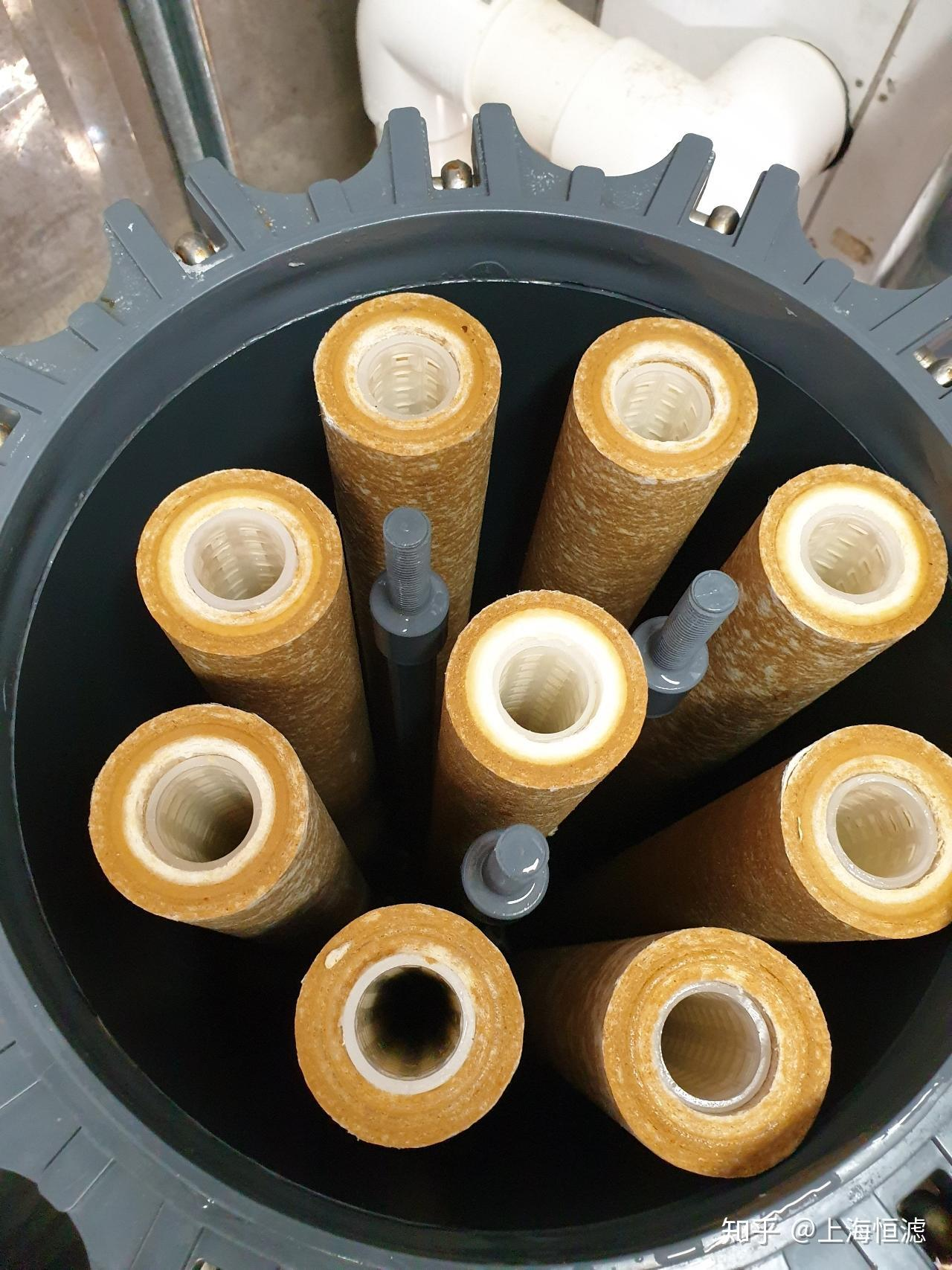
This is the core issue I mentioned earlier. Many brewery managers I’ve spoken with believe they need a finer filter, but the real problem is the sheer volume of solids. A standard filter just doesn’t have the capacity to handle the load from a typical batch of beer.
The Challenge of High Solids Loading
Brewing is not like filtering municipal water. The liquid is packed with organic matter. Yeast cells, while relatively large, are numerous and can quickly form a cake on the filter surface, blinding it off. Even more problematic are the protein colloids. These particles are sticky and gelatinous, and they plug the pores of a filter very effectively. A conventional filter with a simple depth media structure gets overwhelmed almost immediately. It simply lacks the physical space to hold all this material, causing the pressure to spike and the flow rate to drop to a trickle.
High Flow Filters: A Structural Advantage
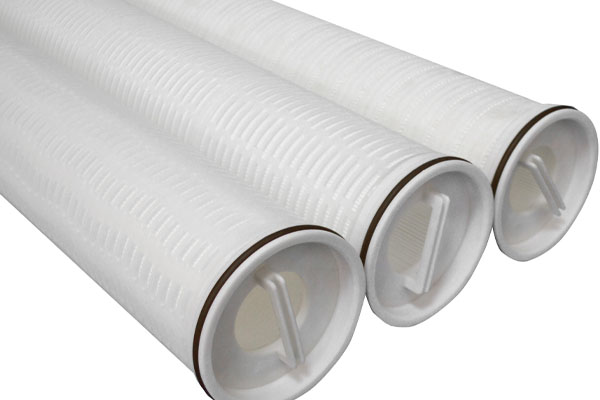
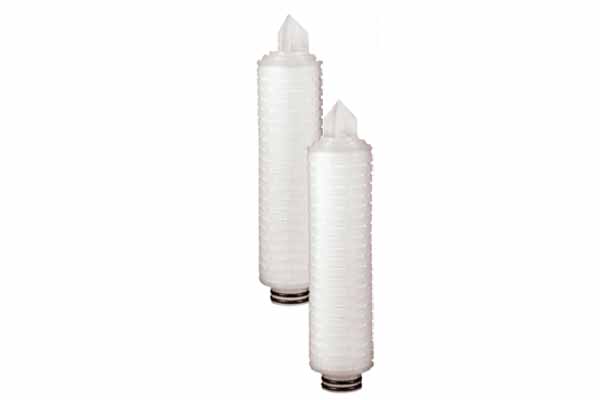
High flow filters are designed differently. They use a pleated media, which dramatically increases the available surface area within the same cartridge footprint. This means there’s much more room to capture and hold particles before the filter clogs.
| Feature | Conventional Filter | High Flow Filter |
|---|---|---|
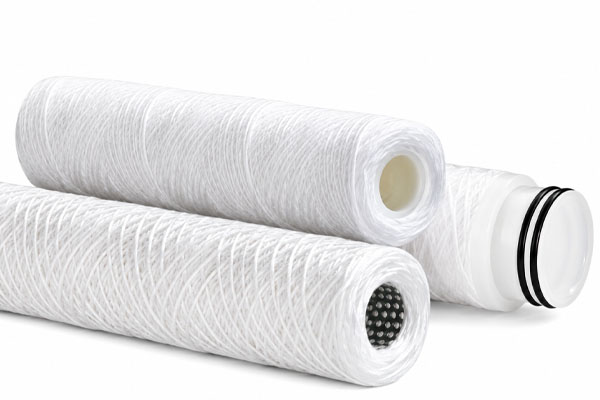
| Media Style | Depth (Spun or Melt-blown) | Pleated |
| Surface Area | Low | Very High |
| Dirt-Holding Capacity | Low | High |
| Typical Lifespan (Brewing) | Short | Long |
| Flow Rate | Lower | Higher |
This structural difference is why a single high flow cartridge can replace several conventional ones. It’s built specifically to handle high-solids applications like brewing, which translates directly to longer filter life and fewer interruptions.
How can high flow filters reduce downtime during fermentation cycles?
Is filter change-out a major bottleneck in your production schedule? Halting operations for maintenance wastes valuable time and money. High flow filters can significantly streamline this process and keep you brewing.
High flow filters reduce downtime by lasting much longer than conventional filters. Their large diameter and pleated media handle more solids, meaning fewer change-outs are needed. This allows for longer, uninterrupted production runs, maximizing efficiency and increasing overall output.
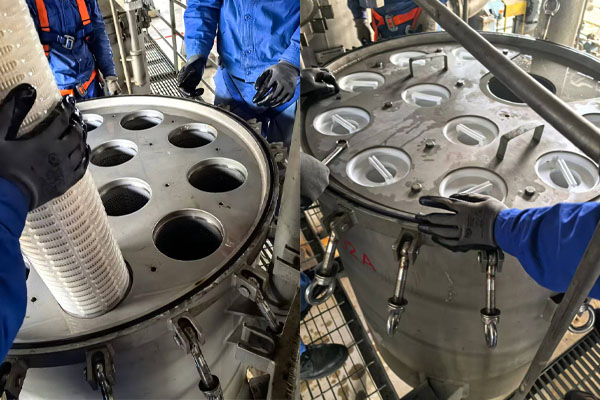
Time is one of the most valuable resources in a brewery. Every minute spent changing a filter is a minute you’re not producing beer. I remember a client, a large craft brewery, who told me they were stopping their bottling line two or three times a shift just for filter swaps.
Extended Service Life Means Fewer Interruptions
The most direct benefit is simple: the filters last longer. Because a high flow cartridge has a much greater capacity for holding yeast and proteins, it can process significantly more volume before reaching its terminal pressure drop. Instead of changing filters multiple times a day, you might only need to do it once every few days or even weekly, depending on the specific beer and process. This consistency is huge. It allows you to plan your production schedule more reliably and minimizes the unexpected stops that can throw everything off track. It turns a reactive maintenance task into a predictable, planned event.
Faster and Safer Change-Outs
When a change-out is finally needed, it’s also much faster. A single 40-inch or 60-inch high flow cartridge can handle the same flow rate as a dozen or more standard 10-inch cartridges. This means your team only has to handle one item instead of many. This not only saves a significant amount of time but also reduces the risk of error or contamination during the change-out process. Fewer connections mean fewer potential leak points and less exposure of the system to the open environment. It’s a simpler, more robust, and more efficient way to operate.
Is 1–5 micron filtration sufficient for brewing applications?
Are you unsure about the right micron rating for your beer? Choosing the wrong precision can strip flavor or fail to clarify properly. The 1 to 5 micron range is a critical sweet spot for brewers.
Yes, a 1–5 micron rating is typically sufficient and ideal for many brewing applications, especially for trap and polishing filtration. It effectively removes haze-causing particles and most yeast cells without stripping essential flavor compounds and color, achieving the desired clarity and stability.

Choosing the right micron rating is a classic balancing act in brewing. You want to remove the undesirable elements that cause haze, but you absolutely do not want to remove the delicate compounds that give your beer its unique flavor, aroma, and body.
Achieving Brilliance without Sacrificing Body
The 1–5 micron range is so popular because it hits this balance perfectly for most beer styles. A 5-micron filter is excellent as a "trap" filter after a centrifuge or diatomaceous earth (DE) filter, catching any larger particles that might have slipped through. Dropping down to 3 or 1 micron provides a "polishing" step, removing the finer yeast and protein complexes that create haze. This results in a brilliantly clear beer. Going much below 1 micron (sub-micron filtration) is usually reserved for sterile filtration, which is necessary for some styles but can risk stripping away some of the desirable flavor and color molecules.
The Importance of Absolute Ratings
When we talk about micron ratings, it’s vital to know if you’re dealing with a "nominal" or "absolute" rated filter. A nominal rating might capture 85% of particles at that size, while an absolute rating will capture 99.9% or more. For consistency, we always recommend absolute-rated filters. This ensures you get the same, reliable result with every batch.
| Micron Rating (Absolute) | Primary Application | Effect on Beer |
|---|---|---|
| 5 micron | Trap Filtration / Primary Clarification | Removes larger yeast clumps, hop debris. |
| 3 micron | Polishing Filtration | Achieves good clarity, removes most yeast. |
| 1 micron | Fine Polishing for "Bright" Beer | Creates very high clarity, near-complete yeast removal. |
| < 1 micron | Sterile Filtration / Cold Stabilization | Removes spoilage bacteria, can affect flavor profile. |
At Ecofiltrone, we help our clients select the precise absolute rating that matches their beer style and production goals, ensuring perfect clarity every time.
What sanitation considerations are required in brewery filtration systems?
Worried about contamination in your filtration system? Biofilms and bacteria can ruin your product and your reputation. Proper sanitation protocols are absolutely essential for quality control in any brewery.
Brewery filtration systems require rigorous sanitation. This includes using food-grade materials for filter cartridges and housings, regular Clean-in-Place (CIP) and Sanitize-in-Place (SIP) cycles, and ensuring there are no dead legs where microbes can grow. Proper handling during change-outs is also critical.

A filtration system can be a brewery’s best friend for achieving clarity, but if not managed correctly, it can become a breeding ground for spoilage microorganisms. Sanitation is not an afterthought; it must be built into your process from the ground up.
Material and Construction Integrity
The first line of defense is the equipment itself. All materials that come into contact with the beer must be food-grade. For our high flow filter cartridges, we use materials like Polypropylene (PP) and Polyethersulfone (PES), which are FDA-compliant and can withstand the harsh chemicals and high temperatures used in cleaning. A critical feature of our filters is the construction. We use advanced ultrasonic welding technology instead of adhesives or glues. This eliminates any chance of contamination from binders and creates a stronger, more reliable cartridge that can handle repeated sanitation cycles without falling apart.
Effective Cleaning and System Design
Your cleaning protocols are just as important as your hardware. Regular and effective Clean-in-Place (CIP) and Sanitize-in-Place (SIP) procedures are non-negotiable. This involves flushing the system with caustic cleaners, acid washes, and sanitizers at the correct temperatures and for the correct duration. The design of the filtration housing is also key. It should be free of "dead legs" or crevices where beer can stagnate and microbes can hide from cleaning chemicals. A well-designed, sanitary system ensures that your filter is removing contaminants, not adding them.
Conclusion
Switching to high flow cartridges solves key brewing challenges like high solids loads and costly downtime. They offer superior efficiency and consistency, making them a smart upgrade for any modern brewery.
email:[email protected]
whatsapp:8613188962285
www.ecofiltrone.come