What role does the mesh or protective layer on the outer layer of the filter cartridge play in actual operation?
You see a filter fail early and assume the media was bad. You don’t realize the problem was the simple plastic cage on the outside, which allowed the pleats to collapse under pressure.
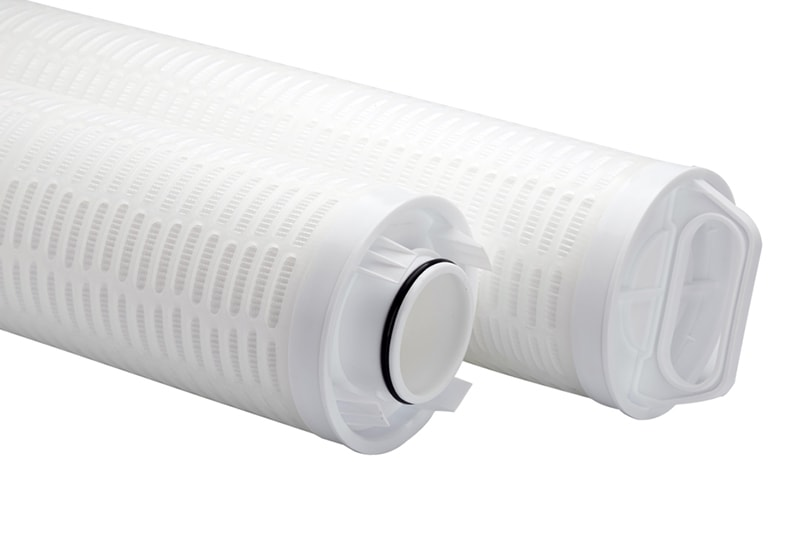
The outer protective layer, or cage, is not just for packaging. It provides critical structural support to keep the pleats separated during operation. This ensures even flow distribution and maximizes the filter’s dirt-holding capacity, preventing premature failure.
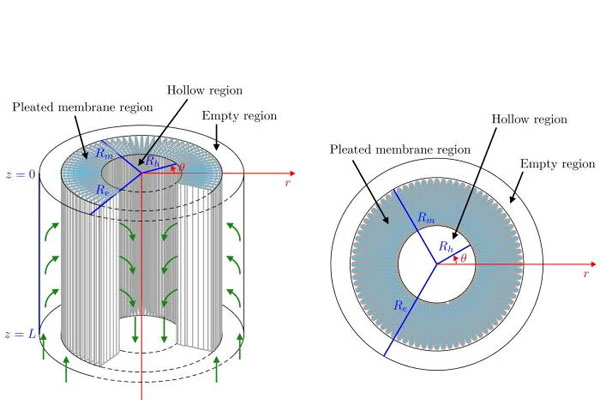
When I was younger, I used to think the outer cage was mostly for show or maybe to protect the filter during shipping. I saw it as a simple piece of plastic. I worked on a project where a client tried to save money by using a cheaper high-flow cartridge. It looked almost identical to the premium one, but the outer cage felt a bit flimsy. A few weeks after installation, they called me. Their system’s pressure drop was through the roof, and they had to shut down the line. When we pulled the filter out, the pleats were completely crushed together. The "cheap" cage had failed under the high flow, turning a high-surface-area filter into a solid wall. That day I learned that every part of a filter has a purpose, especially the parts you think are simple.
Is the outer layer just for protection during shipping and handling?
You look at the plastic cage on a brand-new filter. It seems like its only job is to stop the filter from getting dented before you even install it.
No, it is a critical operational component. While it does protect the filter during handling, its main job is to provide structural integrity against the forces inside a working system, like pressure surges and backflow.
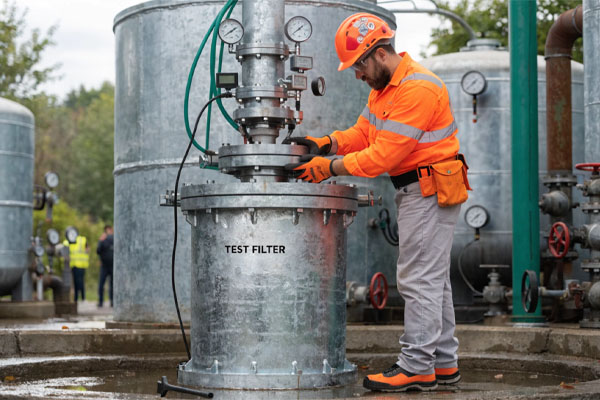
Thinking the outer cage is just for shipping is a common mistake. Yes, it absolutely protects the delicate pleated media from being bumped or damaged during transport and installation. A single dent in a pleat pack can create a weak spot or a bypass path for contaminants. But its real work begins once the pump is turned on. Industrial systems are not perfectly stable. They have pressure fluctuations, water hammer events, and sometimes even back pressure when the system shuts down. A strong outer cage acts like a skeleton, holding the filter’s shape against these forces. Without it, the pleats could flex, fatigue, and eventually fail. I once saw a filter where a back-pressure event had inverted some of the pleats because the outer cage was too weak to hold them in place. The filter was ruined instantly.
How does the outer mesh support the filter media during operation?
Your system’s pressure drop is rising way too fast. You have to change filters constantly, which costs time and money, and you can’t figure out why they are failing so quickly.
The outer mesh is essential for maintaining proper pleat spacing. This keeps the pleats open and ensures the entire surface area of the filter is available to capture dirt, which maximizes service life and performance.
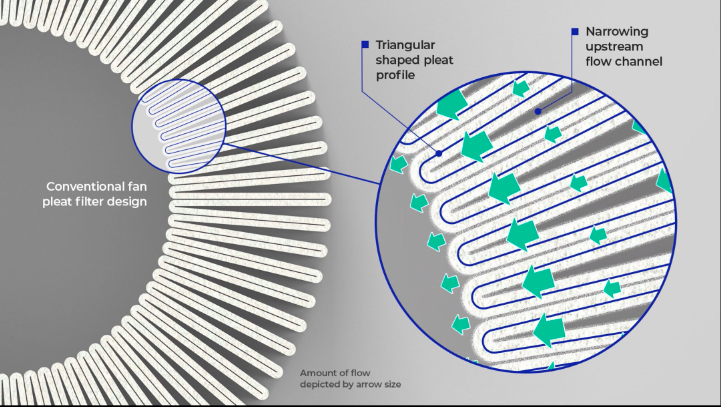
The most important job of the outer cage is to fight against the force of the fluid flow. High-flow filters process huge volumes of water, and all that water pushing against the media creates a powerful force called differential pressure. This force tries to compress the pleats and squeeze them together. When pleats collapse, we call it "pleat blinding." The effective surface area of the filter can be reduced by over 90%. Only the very outer edges of the media are left to do all the work. This tiny working area gets clogged almost immediately, causing the pressure drop to skyrocket. A well-designed, rigid outer cage acts like a scaffold, holding every single pleat in its correct position. This ensures the spaces between the pleats stay open so that water can access the entire depth and surface of the media.
Here is how a good outer cage impacts performance:
| Feature | Filter with Weak Cage | Filter with Strong Cage |
|---|---|---|
| Pleat Status | Collapsed, "blinded" | Open and evenly spaced |
| Effective Surface Area | Less than 10% of total | 100% of total |
| Flow Path | Restricted, high resistance | Unrestricted, low resistance |
| Service Life | Very short (days or hours) | Long (weeks or months) |
| Pressure Drop | Rises very quickly | Rises slowly and predictably |
As you can see, a component that seems minor makes the difference between a filter that works and one that fails.
Does the protective layer affect flow distribution across the filter?
You assume that once fluid enters the filter housing, it naturally spreads out and flows evenly through the cartridge. But this is not always the case, especially with high flow rates.
Yes, the design of the outer layer, including the size and pattern of its openings, helps distribute the incoming flow evenly across the entire surface of the pleat pack. This prevents channeling and ensures uniform contaminant loading.
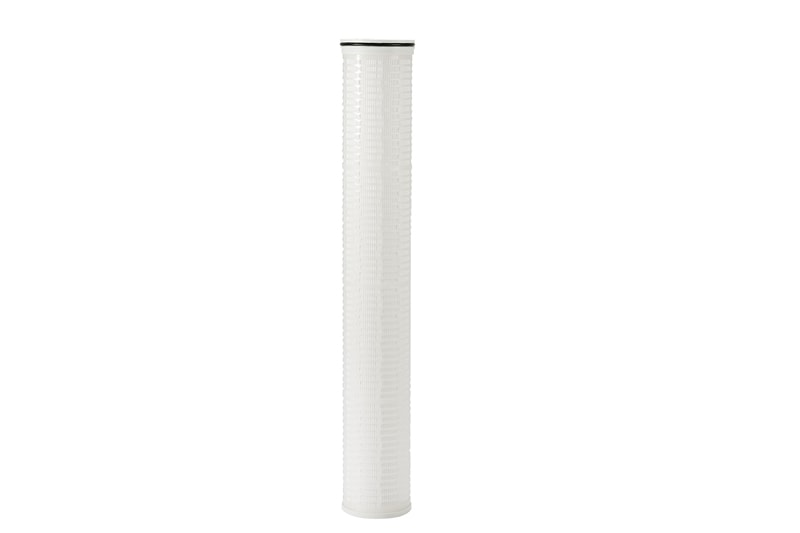
In a high-flow system, fluid moves with a lot of force. It acts like a jet stream entering the filter housing. If that jet stream hits the filter cartridge directly, it will take the path of least resistance. This is called "flow channeling." The fluid will blast through one small section of the filter media, while other sections see very little flow at all. This is extremely inefficient. The area hit by the jet will clog up and fail while the rest of the filter is still perfectly clean. A properly engineered outer cage acts as a flow distributor. Its mesh pattern creates a small amount of resistance that breaks up the jet stream and encourages the fluid to flow around and along the entire length of the cartridge before it enters the pleat pack. This ensures the whole filter gets dirty at the same, even rate, maximizing its dirt-holding capacity and giving you the long, predictable service life you expect.
Conclusion
The outer protective layer is a critical engineering component. It provides structural support, maintains pleat spacing to prevent blinding, and ensures even flow distribution for maximum filter life and reliability.