What Is Colloidal Fouling and Why Is It So Hard to Stop?
Your water looks perfectly clear, but RO membranes keep fouling. This invisible slime chokes your system, causing pressure drops and forcing expensive, frequent cleanings.
Colloidal fouling is caused by extremely small, electrically charged particles (0.001 to 1 micron) that remain suspended in water. They easily bypass standard pre-filters and accumulate on RO membranes as a dense, gel-like layer, severely reducing flow and system efficiency.
I have seen this problem frustrate so many skilled engineers. They run a test for suspended solids, and the water comes back clean. They check their 5-micron security filters, and they look fine. Yet, the performance of their RO system keeps dropping. The reason is that colloids are not just "small dirt." They are a unique type of contaminant that behaves by a different set of rules. Understanding these rules is the only way to win the fight against them. Let’s break down what makes them so special and so troublesome.
What Exactly Makes a Particle a Colloid?
You hear terms like silt and colloids, but treating them the same is a recipe for failure. Their unique properties are why your standard pre-filters are not working.
A particle is a colloid due to its tiny sub-micron size and its negative surface charge. This electrical charge makes the particles repel each other, preventing them from settling out via gravity like larger silt particles do. They remain suspended indefinitely.
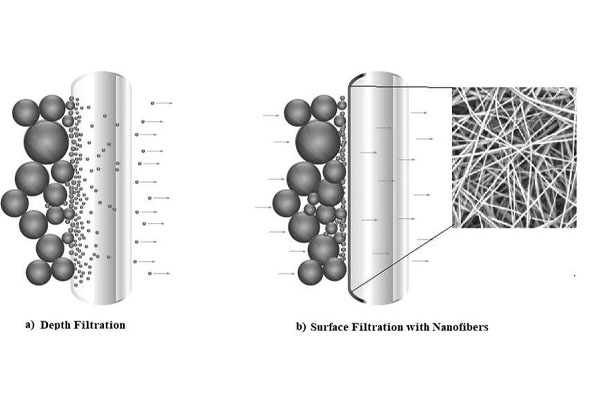
I remember a project at a chemical plant where the team was completely baffled. Their 5-micron pre-filters were lasting for weeks, indicating clean water, but their RO membranes were fouling in days. The problem was colloidal silica, which is often smaller than 0.1 microns. It was sailing right through their pre-treatment filters without being noticed. To a standard filter, these particles are practically invisible. It is their behavior, driven by size and electrical charge, that defines them. This electrical property, often called Zeta Potential, is the key. It creates a powerful repulsive force between the particles, keeping them separated and suspended forever. They will never settle in a tank or be removed by a simple cartridge filter.
Colloids vs. Suspended Solids (Silt)
Understanding the difference is critical for choosing the right treatment.
| Feature | Colloidal Particles | Suspended Solids (e.g., Silt) |
|---|---|---|
| Size | 0.001 – 1.0 micron | > 1.0 micron |
| Behavior in Water | Stays suspended due to charge | Settles out over time by gravity |
| Removal Method | Requires charge neutralization or ultra-fine filtration | Easily removed by media or cartridge filters |
How Does This Gel-Like Layer Actually Damage the RO Membrane?
So a thin layer forms on your membrane. It seems harmless, but it is slowly suffocating your system, leading to permanent damage and costly replacements.
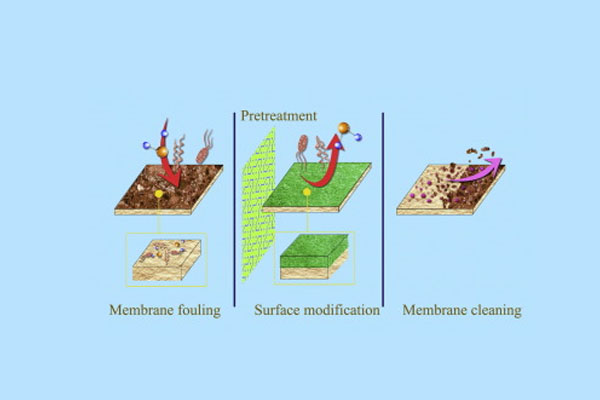
The colloidal layer physically blocks the membrane’s pores, which forces the pump to work harder, increasing energy costs. This stagnant layer also encourages biofouling and requires harsh chemical cleanings that degrade the membrane’s delicate material over time.
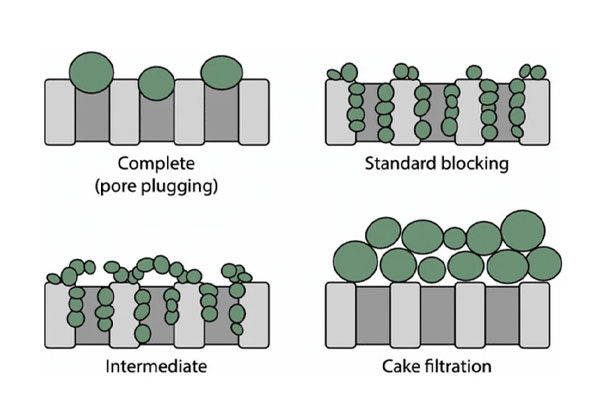
I once inspected a set of failed RO membranes from a large power generation facility. The lead elements were coated in a thick, reddish-brown slime. It was a mixture of colloidal iron and organic matter from their river water source. This gel-like layer had become so dense that it had compressed against the membrane surface. Even after an aggressive cleaning, their salt rejection never recovered to acceptable levels. They had to replace the entire first stage of their RO train, a massive expense that could have been prevented. The damage from colloidal fouling is not just a temporary blockage; it is a multi-stage attack on the entire system.
Increased Energy Consumption
The first and most immediate effect is that the pump has to push harder to get water through the dense fouling layer. This increases the transmembrane pressure (TMP), which directly translates to higher electricity bills.
Reduced Permeate Quality
The fouling layer also interferes with the membrane’s primary job. It traps a concentrated layer of salt ions right at the membrane surface, a phenomenon called concentration polarization. This makes it harder for pure water to pass through, leading to lower permeate flow and higher salt passage.
Irreversible Damage from Cleaning
To remove the fouling, you have to perform a chemical Clean-In-Place (CIP). These cleanings use aggressive high and low pH chemicals. While necessary, each cleaning cycle stresses the delicate polyamide layer of the membrane, shortening its operational lifespan. The real goal is to prevent the fouling in the first place to minimize these damaging cleaning cycles.
How Can You Measure and Remove These Invisible Particles?
You cannot fix a problem you cannot measure. But colloids are invisible and often missed by standard turbidity tests, leaving you fighting an enemy blind.
Colloidal fouling potential is measured using the Silt Density Index (SDI) test. Effective removal requires either chemical treatment (coagulation) to clump the particles together for media filtration, or a physical barrier like an Ultrafiltration (UF) membrane.
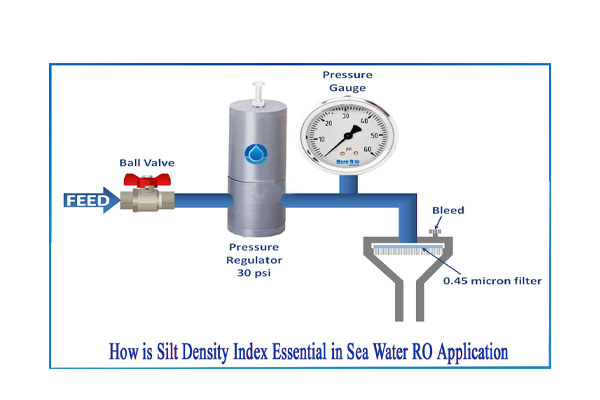
The Silt Density Index (SDI) is the industry-standard tool for this job. It is a simple, practical test that measures the fouling tendency of water by filtering it through a 0.45-micron disc and timing the rate of plugging. All major RO membrane manufacturers specify a maximum SDI in their feed water, typically less than 5, and ideally less than 3. Once you know you have a problem, you can choose the right removal strategy. I specified a UF system for a client using challenging river water. The upfront investment was higher, but it provided an absolute barrier to colloids, bringing their SDI down to less than 1 consistently. It completely stabilized their RO performance and eliminated their fouling headaches.
Effective Removal Strategies
There are two main approaches to removing colloids before they reach your RO system.
| Method | How It Works | Best For |
|---|---|---|
| Coagulation & Media Filtration | A chemical (coagulant) is added to neutralize the particle charge, allowing them to clump together. These larger clumps can then be removed by a multimedia filter. | Systems with high fouling potential where chemical addition is acceptable. |
| Ultrafiltration (UF) | A membrane with extremely fine pores (around 0.02 micron) acts as an absolute physical barrier, blocking colloids from passing through. | Critical applications requiring stable, high-quality water with minimal chemical use. |
Conclusion
Colloidal fouling is a serious threat. Understanding that these tiny, charged particles require specific measurement (SDI) and advanced removal methods is key to protecting your RO system.