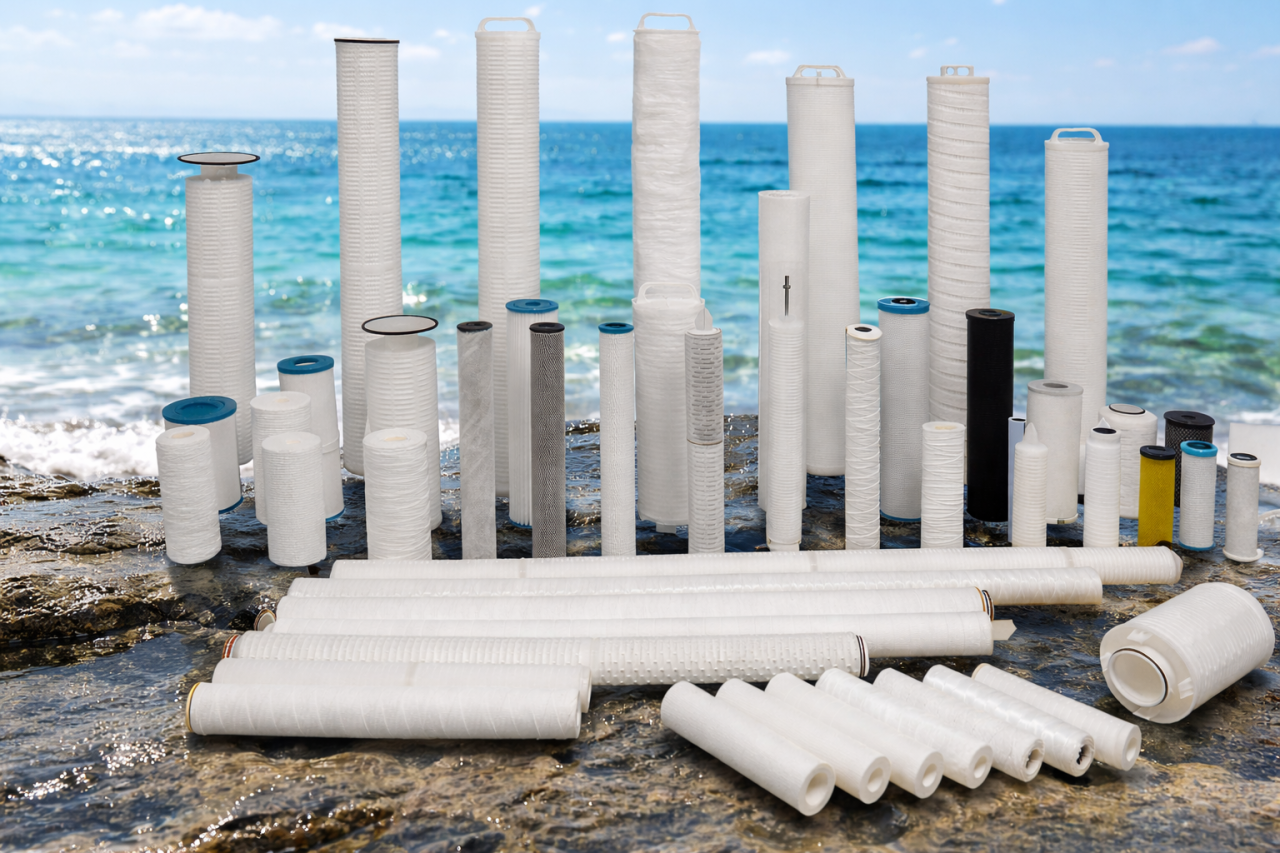
What are surface filtration and depth filtration? Which type of filter cartridge is a high-flow-rate pleated filter?
You read filter spec sheets with terms like "surface" and "depth" but aren’t sure what they mean. Choosing the wrong one can lead to clogged systems or poor filtration.
Surface filtration stops particles on the filter’s outer layer, like a screen. Depth filtration traps particles throughout the filter’s media, like a sponge. A High Flow pleated filter is a type of surface filter, designed for precision at high volumes.
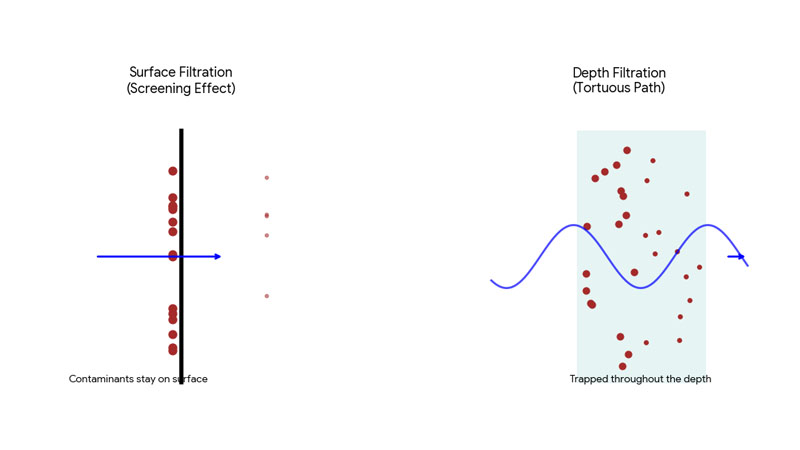
When I was new to the field, I visited a bottling plant that was struggling. They used depth filters to protect sensitive filling nozzles, but they were getting inconsistent results. It turned out that their water had very uniform, fine particles that were bypassing the "spongy" depth media. They needed the precision of a screen. That day, I saw clearly that understanding this basic difference is not just academic—it is fundamental to solving real-world filtration problems.
What is the real difference between surface and depth filtration?
Your filters seem to clog unpredictably. Sometimes they last for weeks, other times for just days, even though the water source appears the same.
The difference is in how they capture contaminants. Surface filters use a single, precise layer. Depth filters use a thick, complex media. This determines their dirt-holding capacity, efficiency, and best use case.
Choosing the right mechanism is the key to predictable performance. Think of it like this: a surface filter is a gatekeeper, and a depth filter is a maze. A gatekeeper is very precise about who gets through, but the entrance can get crowded quickly. A maze can handle a lot of people wandering inside before it feels full, but it’s harder to control exactly who comes out the other end. For an engineer like Jacky who needs to balance cost, performance, and filter life, knowing whether you need a gatekeeper or a maze is the first step.
| Feature | Surface Filtration | Depth Filtration |
|---|---|---|
| Mechanism | Sieving on a single plane | Trapping particles within a matrix |
| Media Type | Pleated, Membrane, Screen | Melt-Blown, String-Wound, Resin-Bonded |
| Rating | Often Absolute (99.9%+) | Often Nominal (~90%) |
| Dirt Capacity | Lower to Moderate | High to Very High |
| Best Use | Final polishing, critical applications | Pre-filtration, high-dirt loads |
So, is a High Flow pleated filter a surface or depth filter?
You see a big, thick High Flow cartridge and assume it works like a depth filter. This confusion might lead you to use it in the wrong application.
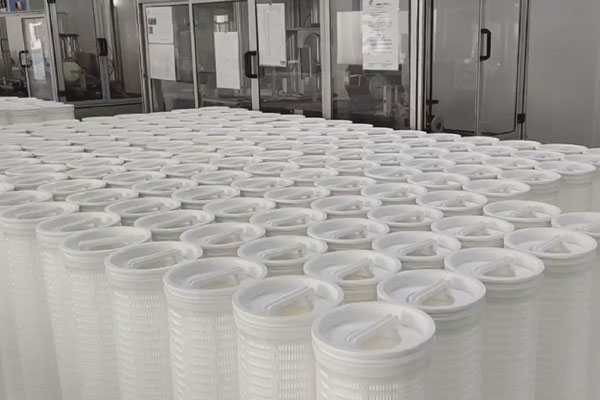
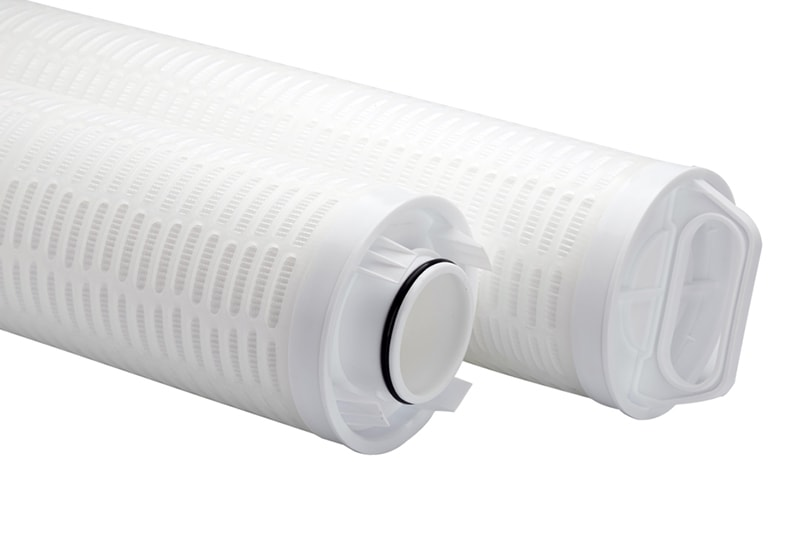
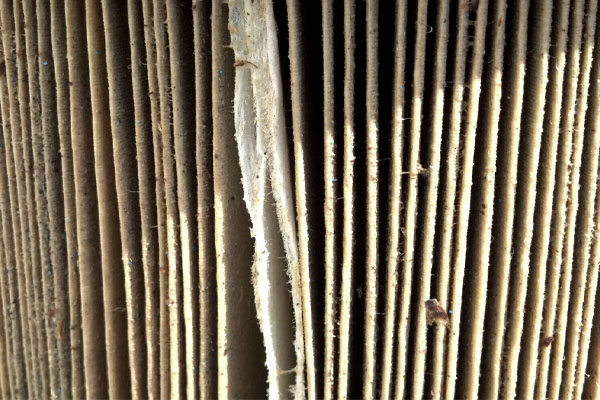
A High Flow pleated filter is a surface filter. Its large size does not change its core mechanism. The pleated design is a clever way to pack a massive amount of surface area into a standard housing, giving it high flow capacity.
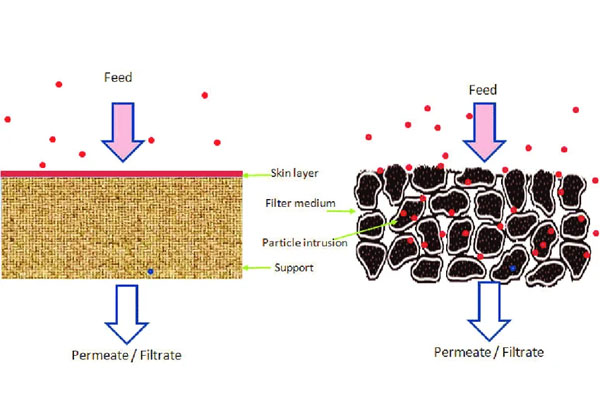
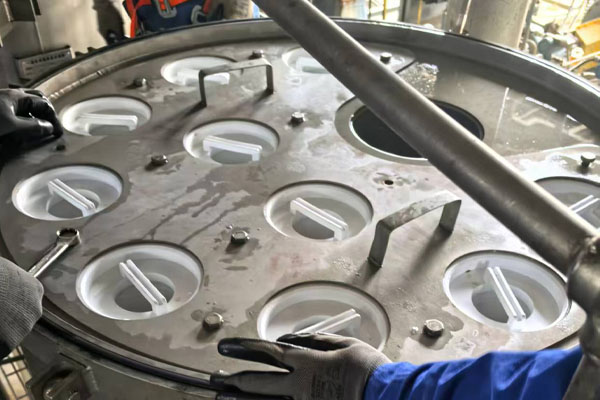
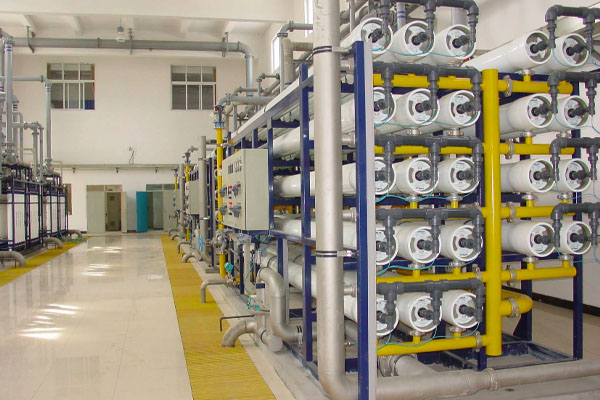
This is a very common point of confusion, but the answer is key to understanding why High Flow filters are so effective. The filtration work is done on the surface of the pleated media. The pleats are like an accordion. If you stretch them out, you would have a huge, flat sheet of filter media. This massive surface area is what allows it to handle such high flow rates with a very low pressure drop. Some particles might get slightly embedded, but its primary function is to screen particles on that outer layer. This gives it the precision of an absolute-rated surface filter. For applications like RO pre-filtration, this is exactly what you need. It provides a reliable, absolute-rated barrier to protect your sensitive membranes, but it also has enough surface area to handle the massive volumes of water required in industrial settings. It gives you the best of both worlds: the precision of a lab filter with the capacity of an industrial workhorse.
Conclusion
Depth filters are like sponges for pre-filtration, while surface filters are precise screens for final protection. High Flow pleated filters are powerful surface filters, offering guaranteed performance at a massive scale.