Your entire desalination plant can shut down from one tiny failure. The problem is often a weak bond on your filter cartridge end cap. This small detail can cause huge, expensive problems.
The strength of a filter’s end cap bond is critical. High salinity and temperature weaken chemical adhesives, causing the end cap to detach. This leads to system failure. The best solution is thermal bonding, which fuses the parts together without any glue, ensuring a strong, reliable seal.
This single component, the end cap, is the last line of defense before water reaches your critical downstream equipment. When it fails, everything is at risk. It’s a problem I’ve seen too many times in my 10 years in this industry. A small oversight in manufacturing becomes a massive operational headache for a project manager. Let’s look at why this happens and how we at ecofiltrone have engineered the solution.
How Do We Analyze Bonding Failures and Solve Them with Hot Melt Welding in Extreme Conditions?
You think your filters are secure, but they suddenly fail in the high heat of your plant. This failure is not a small leak. The entire end cap can detach, unleashing unfiltered water and damaging your expensive RO membranes.
We analyze failures by looking at the bonding agent. Chemical glues degrade in high salt and heat. Our solution is an advanced thermal bonding process. It melts the end cap and filter media into a single, solid piece. This eliminates adhesives and guarantees reliability in extreme environments.
In my work with large-scale water treatment projects, especially in places like the Middle East, I’ve seen firsthand what extreme conditions can do to filter cartridges. A project manager from a large desalination plant once called me in a panic. Their system, which used filters from another supplier, had a catastrophic failure. An end cap had completely separated from the filter body. This caused a surge of particulate-laden seawater to bypass the pre-filtration stage and slam into their RO membranes, causing irreversible fouling. The cost of downtime and membrane replacement was enormous. The cause was simple: the adhesive holding the end cap had failed.
The Problem with Chemical Adhesives
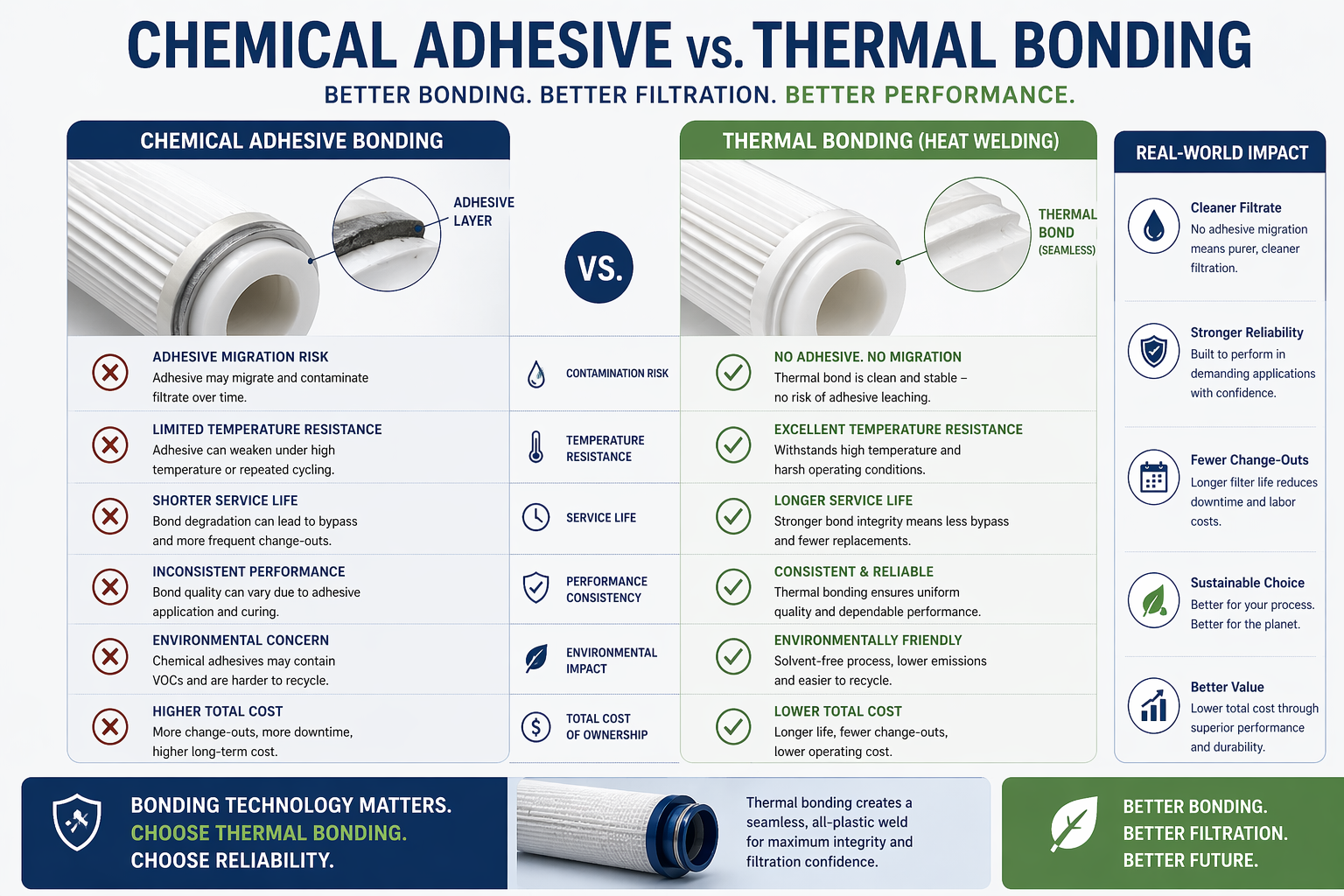
Most standard filter cartridges use chemical adhesives, like epoxies or polyurethanes, to glue the end caps onto the pleated filter media. In normal conditions, this can be adequate. However, in the demanding environment of a seawater desalination plant, these adhesives become a point of weakness. High-salinity water, rich in chlorides, acts as a corrosive agent. It slowly attacks the chemical structure of the glue. High operating temperatures, common in regions like the Middle East, accelerate this degradation process. The adhesive becomes brittle and loses its bonding strength over time. It’s a "silent killer" because the degradation is not visible from the outside. The filter looks fine until the moment it fails completely.
The ecofiltrone Solution: Advanced Thermal Bonding
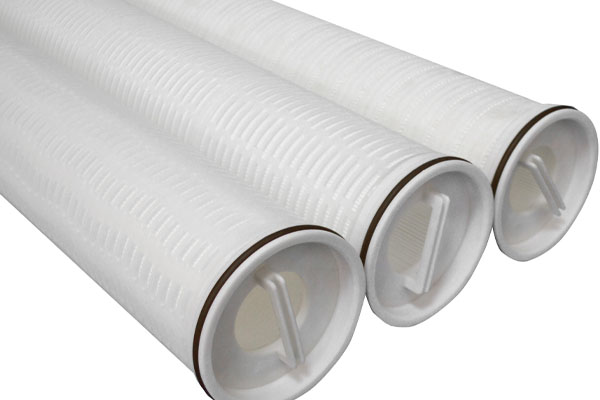
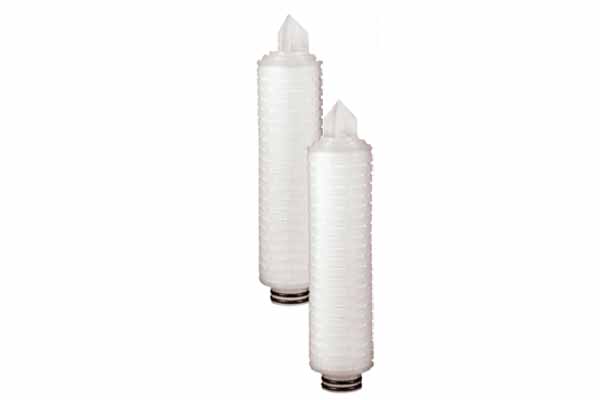
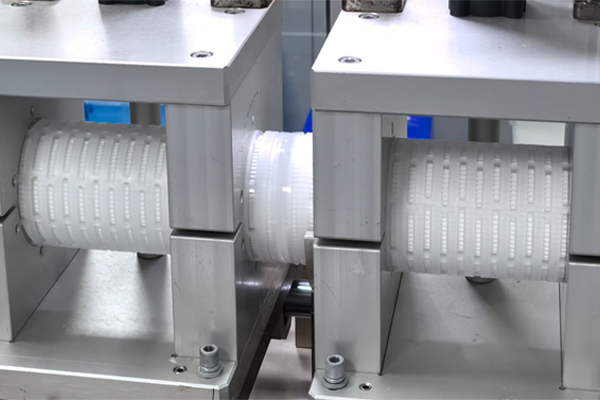
Because of these risks, I have always insisted on using thermal bonding technology, also known as hot melt welding. At ecofiltrone, we don’t use a single drop of chemical adhesive in our high-flow filter cartridges. Our process is completely different. We use state-of-the-art ultrasonic welding equipment on our automated production lines. This process uses high-frequency vibrations to generate intense, localized heat precisely at the junction between the end cap and the filter media pack. Both the end cap and the media are made from polypropylene (PP). This heat melts the PP material of both components, and under pressure, they fuse together into a single, solid, monolithic piece. Once it cools, the bond is as strong as the material itself. There is no foreign substance, no glue, and no weak point.
This method offers a clear advantage over traditional gluing. Let’s compare them directly.
| Feature | Chemical Adhesive Bonding | ecofiltrone Thermal Bonding |
|---|---|---|
| Bonding Method | A third-party material (glue) is used to join two parts. | The base materials of the parts are melted and fused together. |
| Weakness | The adhesive itself is the weak point; prone to chemical attack. | No inherent weak point; the bond is as strong as the material. |
| High Salinity/Temp | Degrades, becomes brittle, and fails catastrophically. | Unaffected. Maintains structural integrity at high temperatures. |
| Contamination Risk | Risk of adhesive leaching into the process fluid. | Zero risk. No adhesives or chemicals are used in the process. |
| Structural Integrity | Creates a simple surface bond. | Creates a true, molecular-level fusion of materials. |
This thermal bonding process is fundamental to the reliability of our products. It ensures that our filter cartridges can withstand the harsh cycles of temperature and salinity fluctuations without failure. For our clients, like those managing the AWPT project in Saudi Arabia, this means peace of mind. They know their critical downstream assets are protected, their operational costs are lower due to fewer replacements, and their plant’s uptime is secure.
Conclusion
Don’t let adhesive failure silently damage your operations. Choosing high-flow filters with thermal bonding ensures long-term reliability and protects your investment, especially in the most demanding industrial environments.