Struggling with high-flow filters clogging too fast in your dairy process? This causes costly downtime and hurts efficiency. The right filter design can solve this frustrating and expensive problem.
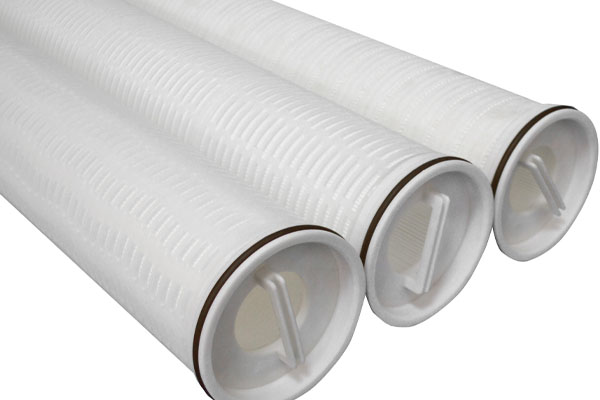
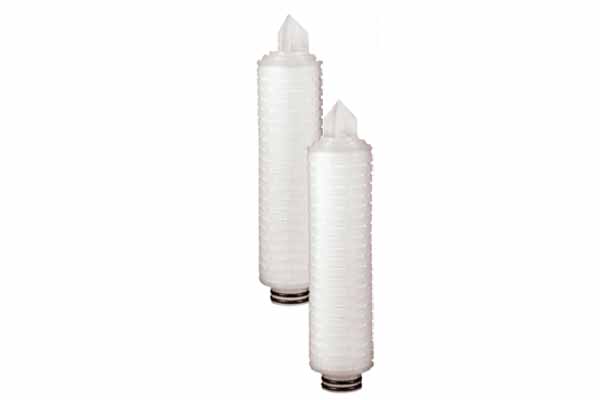
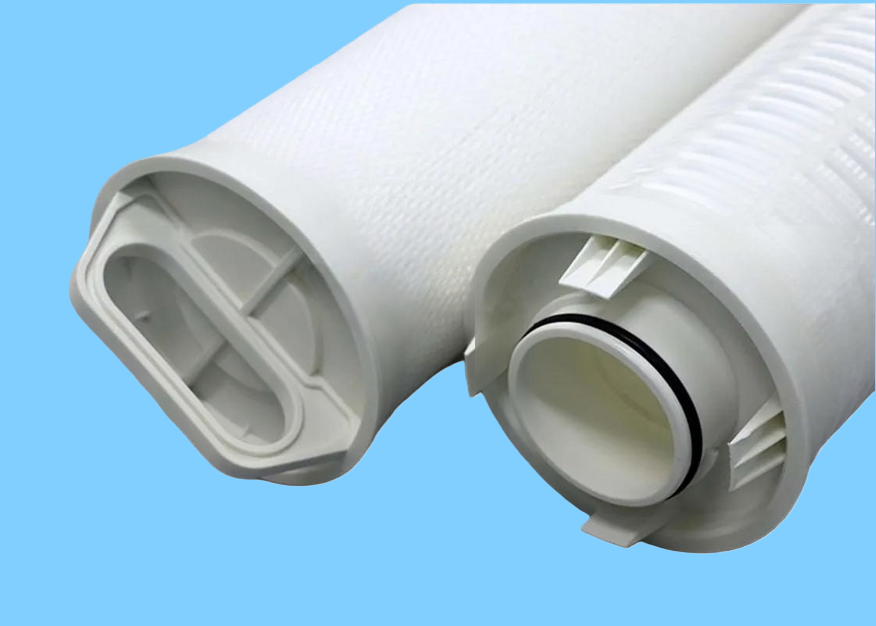
To solve rapid clogging in dairy filtration, use high-flow cartridges with a gradient aperture and an asymmetric pleated structure. This design prevents surface blinding by allowing larger particles to stay out while capturing smaller proteins deeper, extending the filter’s service life significantly.
In my 10+ years helping clients with industrial filtration, I’ve seen this issue many times. A brand-new, expensive filter that should last for weeks is swapped out in a matter of hours. It’s a huge drain on time, money, and morale for the maintenance team. But what if the problem isn’t just the filter’s micron rating or a bad batch of product? The real solution often lies in understanding the unique challenges of milk and choosing a filter designed specifically to handle them. Let’s dig into why this happens and how to fix it for good.
Why do filter cartridges with a nominal 1-micron filter reach their pressure peak in less than 4 hours when filtering milk?
Is your 1-micron filter failing within hours during milk filtration? This constant replacement is a huge drain on your operational budget and your team’s time. The reason is often simpler than you think.
A 1-micron filter clogs quickly with milk because of "surface blinding." Milk contains various particle sizes, from large fat globules to smaller proteins. A uniform pore structure gets instantly blocked by larger particles, preventing the filter from using its full depth and capacity.
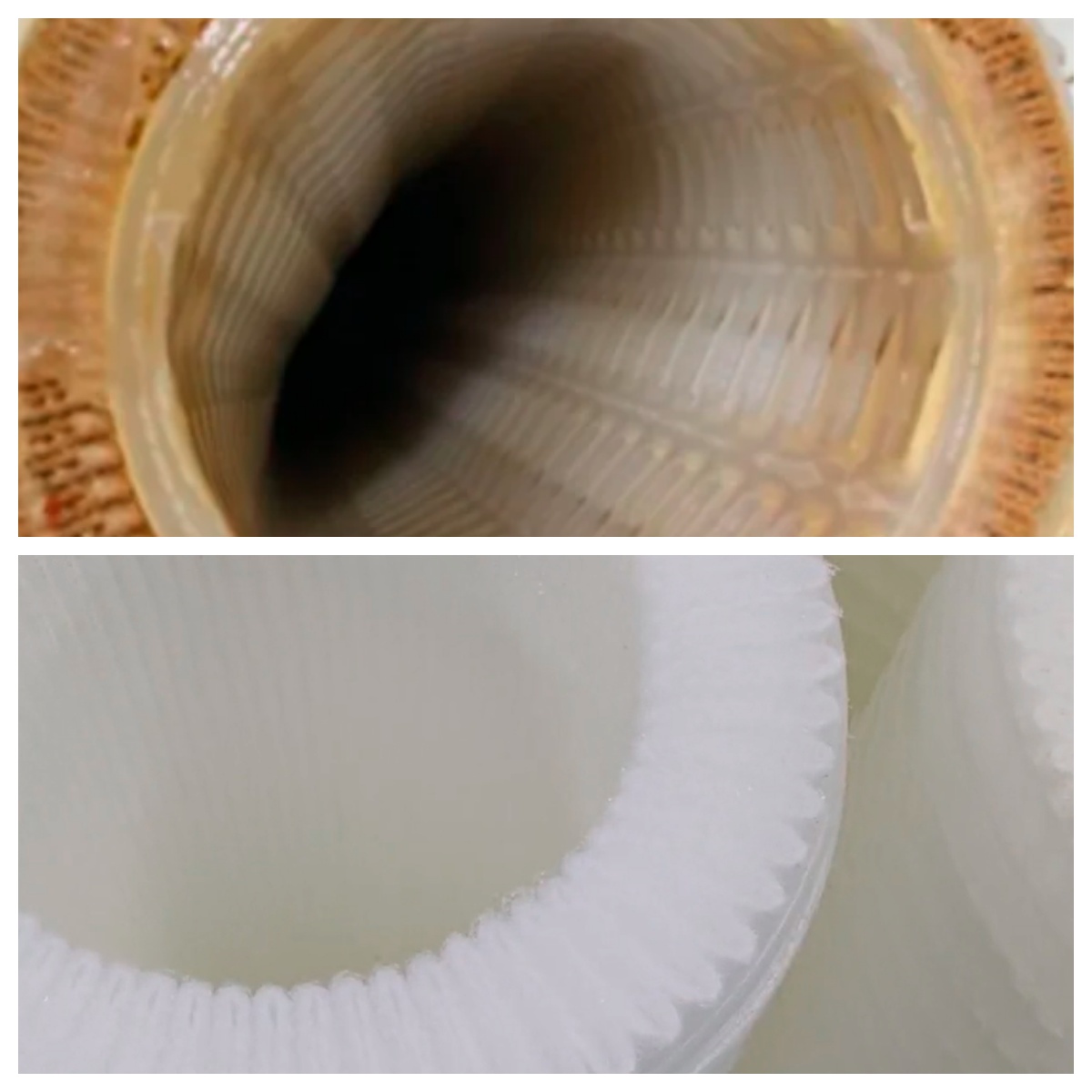
This is a classic case of the filter media not matching the fluid’s characteristics. Milk isn’t like water with simple sediment; it’s a complex emulsion filled with particles of different sizes and properties. Relying solely on a single micron rating is a common mistake that leads to poor performance. The filter’s surface gets plastered over almost immediately, and the pressure differential (Delta-P) skyrockets.
The Real Culprits: Fat and Protein
Milk’s main components are the "natural enemies" of standard filters. Fat globules are relatively large and quickly form a greasy, impermeable layer on the filter’s surface. At the same time, smaller casein protein micelles penetrate slightly deeper but still contribute to a dense cake layer that chokes off flow. A standard 1-micron filter with uniform pores has no defense against this two-pronged attack. It simply blocks everything at the surface, rendering the rest of the filter media useless.
| Particle Type | Typical Size Range | Clogging Effect |
|---|---|---|
| Fat Globules | 2 – 6 microns | Rapid surface blinding |
| Casein Micelles | 0.05 – 0.3 microns | Forms a dense gel layer |
| Whey Proteins | < 0.01 microns | Can pass through but contributes to fouling |
How can pre-filtration layout alleviate the contamination pressure on high-flow filter cartridges?
Are your final filters taking all the punishment from the process fluid? This shortens their life, increases costs, and puts your product quality at risk. A smart pre-filtration strategy can protect your most critical assets.
A multi-stage pre-filtration system is crucial. Use progressively finer filters (e.g., 20-micron, then 5-micron) upstream of your final 1-micron high-flow cartridge. This removes larger particles first, allowing the final filter to handle only the finest contaminants, drastically extending its lifespan.
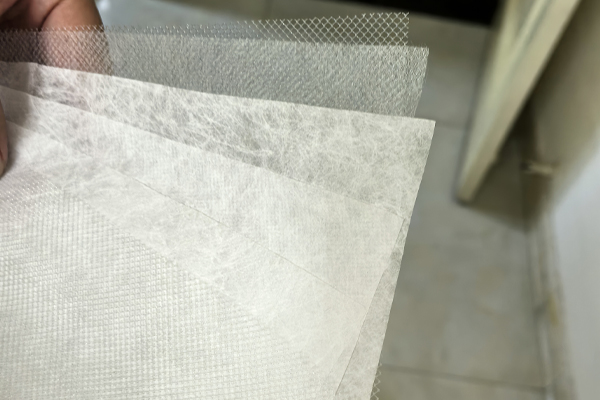
Think of it like a team effort. You wouldn’t ask your most skilled technician to do all the heavy lifting alone. The same logic applies to filtration. Relying on a single high-efficiency filter to handle a wide range of contaminants is both inefficient and expensive. The final filter is the most critical and often the most costly component, so protecting it should be a top priority. A well-designed pre-filtration train ensures that each stage does its job effectively, leading to better performance and lower overall costs.
The "Step-Down" Approach
The most effective strategy is a step-down, or serial, filtration layout. Each stage is responsible for removing a specific size range of particles.
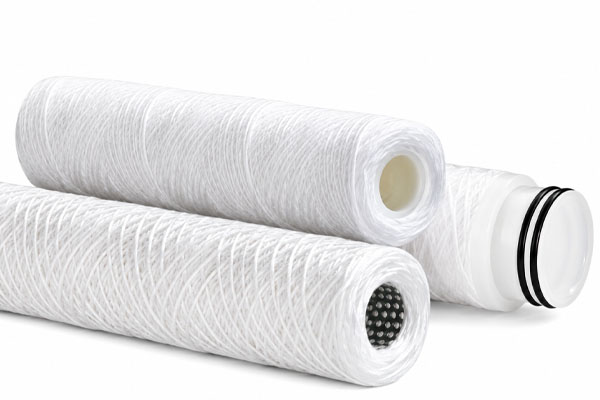
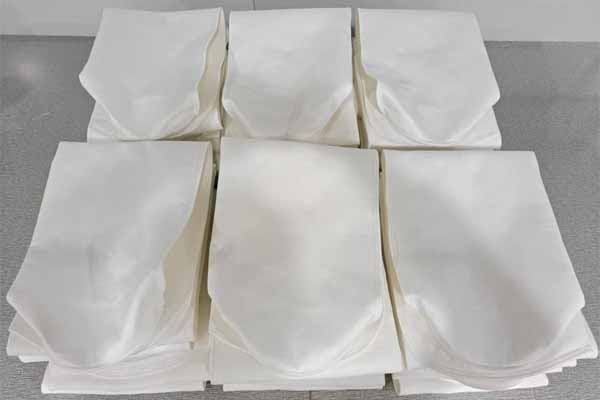
- Stage 1 (Pre-filter): The first stage might be a simple bag filter or a coarse cartridge rated at 20 to 50 microns. Its only job is to remove large suspended solids and any unexpected debris.
- Stage 2 (Intermediate): The next stage could be a 5 or 10-micron cartridge to capture smaller particles and the majority of the fat globules.
- Stage 3 (Final Filter): By the time the milk reaches your final 1-micron high-flow filter, the bulk of the contaminants are already gone. This allows the final filter to do what it does best: polishing the product and ensuring its safety and quality.
| Filtration Stage | Micron Rating | Target Contaminant | Purpose |
|---|---|---|---|
| Stage 1 (Pre-filter) | 20 – 50 µm | Coarse solids, clumps | Bulk removal, protect downstream stages |
| Stage 2 (Intermediate) | 5 – 10 µm | Smaller particles, some fat | Reduce load on final filter |
| Stage 3 (Final Filter) | 1 µm | Fine proteins, bacteria | Final polishing, product safety |
For high-viscosity fluids, how should the pleat spacing of the filter cartridge be designed to avoid the formation of "dead zones"?
Is your filter’s large surface area not translating to better performance or longer life? Tightly packed pleats can create "dead zones" that don’t filter at all, especially with thick fluids.
For high-viscosity fluids like concentrated milk, the pleat spacing must be wider. This design, often called an "asymmetric pleated structure," ensures the fluid can flow freely into the depths of the pleats. It prevents adjacent pleats from sticking together and creating unusable "dead zones."
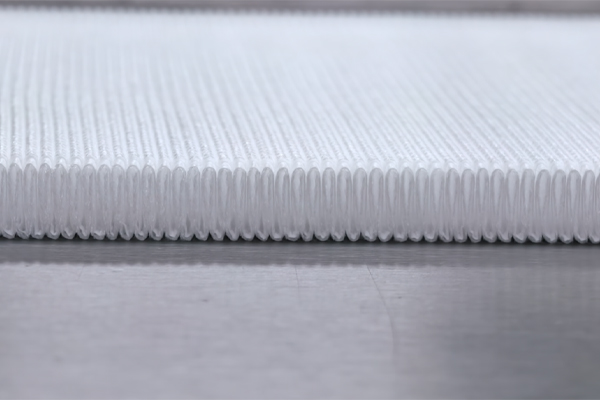
Many procurement managers think that more pleats mean more surface area, which should mean better filtration. This is true for low-viscosity fluids like water. But for thick, viscous liquids like milk concentrate, yogurt, or cream, the opposite is often the case. The physics of fluid dynamics changes everything. A design that works perfectly for water can fail miserably when filtering a more challenging product. The key is not just the total area, but how accessible that area is to the fluid.
The "Pleat Blinding" Problem
When pleats are packed too tightly, the viscous milk can’t easily flow into the deep valleys between them. Instead, the fluid takes the path of least resistance. The outer edges of the pleat pack take on the entire filtration load, while the inner areas become stagnant "dead zones." The fluid essentially bypasses these regions, meaning you are not using the full filtration area you paid for. This leads to a rapid pressure drop across the filter and makes it seem far less effective than its specifications suggest. This is a common and costly design flaw in many standard filter cartridges.
How can maintenance personnel determine whether a filter cartridge is clogged with impurities or covered with a protein gel layer?
Your filter is clogged again, but do you know exactly why? Misdiagnosing the cause of the blockage leads to applying the wrong solution and suffering from the same repeated failures.
To differentiate, first, visually inspect the used cartridge. A slimy, gelatinous layer indicates protein fouling. If the surface feels gritty and is covered with distinct particles, it’s likely clogged with solid impurities. Squeezing the media can also help; a gel layer will feel slick.
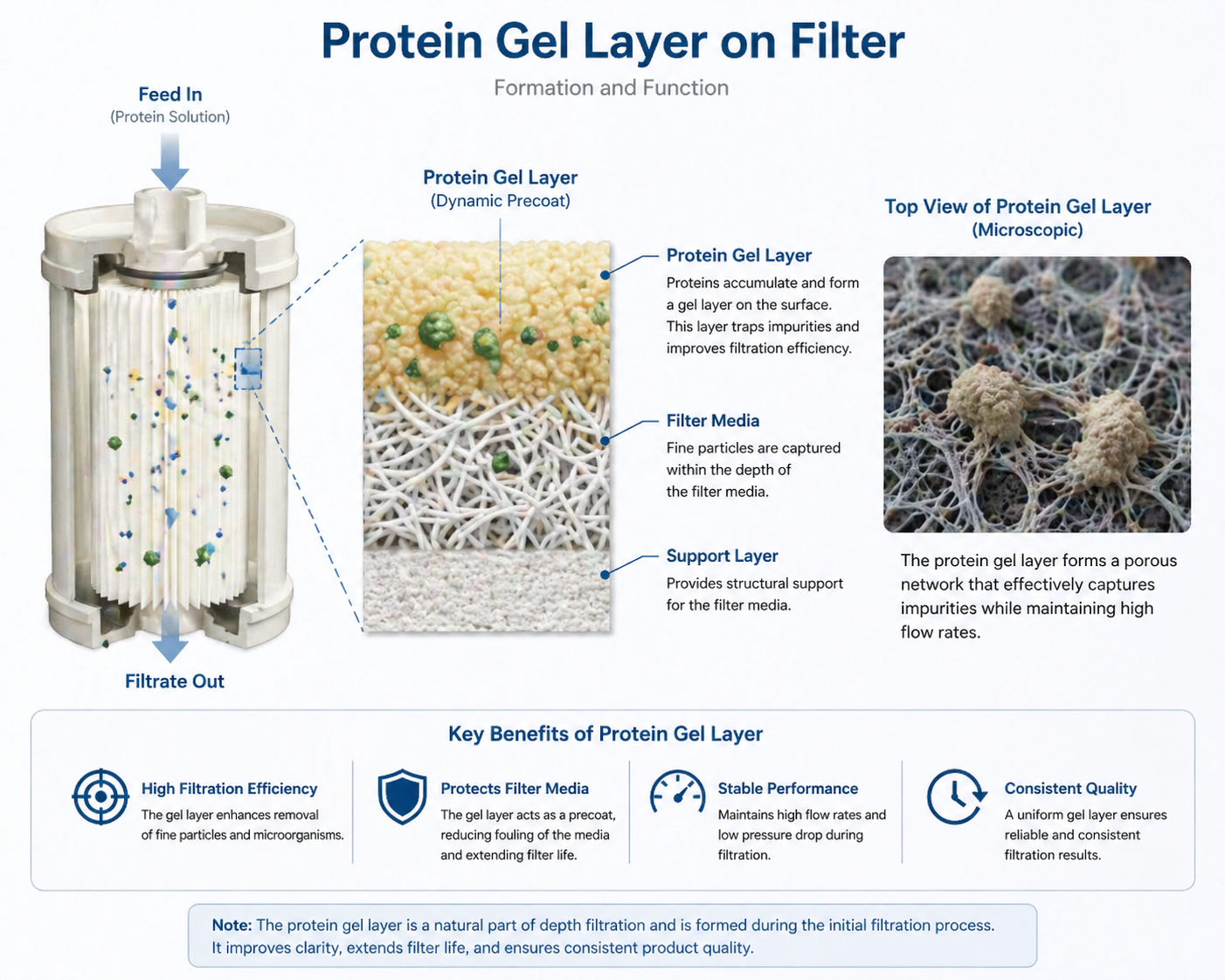
Knowing your enemy is half the battle. Correctly identifying the type of fouling is the most critical step for developing an effective, long-term solution. It helps you decide whether you need to adjust your pre-filtration, change your filter media type, or implement a more robust Clean-In-Place (CIP) procedure. Simply replacing a clogged filter with an identical one without understanding the root cause is a recipe for continued frustration and expense.
Visual and Tactile Inspection
This is the first and easiest diagnostic step your team can take right on the production floor.
- Protein Gel Layer: This will appear as a translucent, slippery, or slimy film on the filter surface. It’s often difficult to wash off with just water and feels slick to the touch. This type of fouling is very common in dairy concentration processes where proteins can denature and aggregate on the filter media.
- Solid Impurities: This will look more like a cake of distinct particles. It might be discolored and will feel gritty or abrasive. This is a clear sign that your pre-filtration system is either inadequate or failing, allowing hard particulates to reach your final filter.
| Fouling Type | Likely Cause | Recommended Action |
|---|---|---|
| Protein Gel Layer | Protein denaturation, high concentration | Consider filters with modified surfaces, review process temperatures, or implement effective CIP cycles. |
| Solid Impurities | Inadequate pre-filtration | Add or improve upstream filters. A step-down approach is highly effective. Check for any upstream equipment shedding particles. |
Conclusion
Solving dairy filter clogging isn’t about brute force. It’s about using intelligent filter design, like gradient media and asymmetric pleats, and a smart pre-filtration strategy to extend performance.