How to Conduct a Return on Investment (ROI) Analysis for Power Plant "Trade-In" Shell Retrofits
Rapid Answer
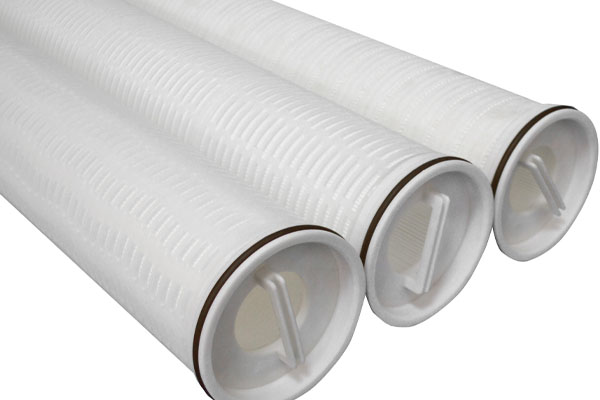
Conducting a Return on Investment (ROI) analysis for a filter housing retrofit requires moving beyond simple "unit cost vs. unit cost" comparisons. Because high-flow filter cartridges cost more per unit than standard meltblown cartridges, procurement teams often initially reject the upgrade.
To prove the financial viability of a "trade-in" shell retrofit (upgrading the internals of an existing housing), the analysis must capture the Total Cost of Ownership (TCO). This requires quantifying four distinct operational expense (OPEX) pillars: Consumable Spend, Labor & Maintenance, Waste Disposal, and Downtime Opportunity Cost, and comparing them against the one-time capital expense (CAPEX) of the retrofit hardware.
When properly calculated, most high-flow retrofits in power plants demonstrate a payback period of less than 6 to 8 months.
The 4-Pillar OPEX Calculation Framework
To build a compelling business case for plant management, systematically calculate the current annual costs of the legacy system versus the projected costs of the high-flow system.
Pillar 1: Annual Consumable Spend
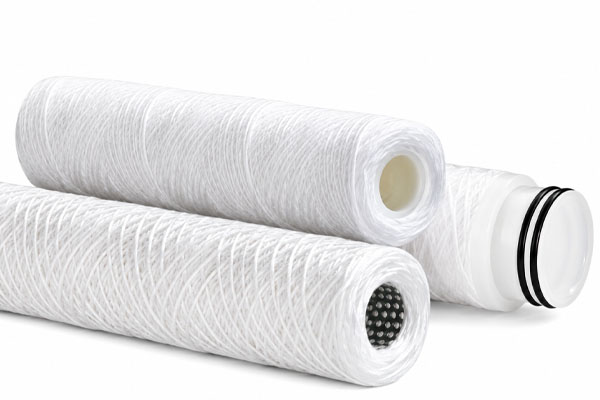
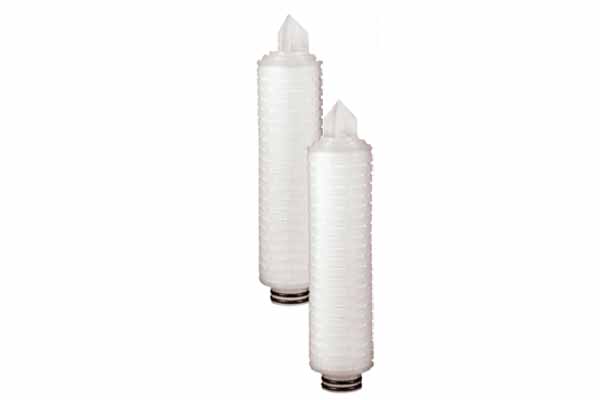
Do not simply compare the price of one meltblown filter to one high-flow filter. Compare the total volume required to operate the system for one year. High-flow filters typically have superior dirt-holding capacity, which often reduces the annual changeout frequency.
- Legacy Calculation: (Qty of 2.5" Filters per Housing) × (Cost per Filter) × (Changeouts per Year)
- High-Flow Calculation: (Qty of High-Flow Filters per Housing) × (Cost per Filter) × (Projected Changeouts per Year)
Pillar 2: Labor & Maintenance Costs
Extracting 400 wet, heavy filters takes a crew of operators an entire shift. Dropping in 15 high-flow filters takes a fraction of the time.
- Calculation: (Hours per Changeout) × (Number of Operators) × (Hourly Labor Rate) × (Changeouts per Year)
Pillar 3: Waste Disposal Costs
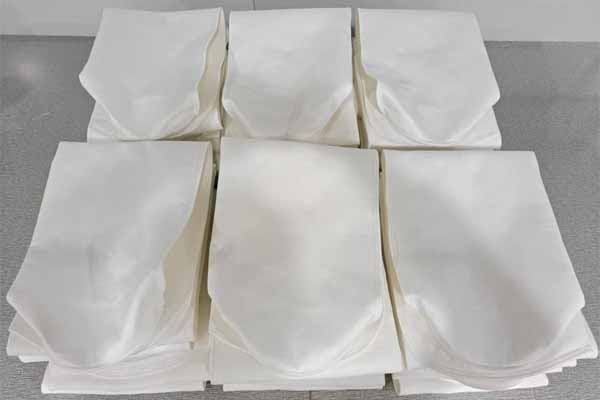
Power plant filtration waste is often treated as industrial or hazardous waste, meaning disposal is billed by weight or volume, not a flat fee. 400 waterlogged meltblown filters weigh significantly more and take up exponentially more dumpster volume than 15 high-flow filters.
- Calculation: (Total Filters Used per Year) × (Disposal Cost per Filter based on weight/volume)
Pillar 4: Downtime Opportunity Cost (The Hidden Multiplier)
If the filtration system is on the critical path (e.g., during a plant start-up flush or condensate polishing regeneration), every hour the system is offline costs the plant money. If a retrofit reduces a 12-hour maintenance window to a 2-hour window, the plant regains 10 hours of operational availability.
- Calculation: (Hours Saved per Changeout) × (Changeouts per Year) × (Estimated Hourly Value of System Availability)
Calculating the ROI and Payback Period
Once you have the OPEX totals, you must factor in the CAPEX. The "Trade-In" retrofit is highly advantageous here because the plant does not buy a new steel pressure vessel; they only buy the internal stainless steel adapter plate/hardware kit.
1. Determine Annual Savings:
Annual Savings = Total Legacy OPEX – Total High-Flow OPEX
2. Calculate ROI (%):
ROI (%) = [(Annual Savings – Retrofit CAPEX) / Retrofit CAPEX] × 100
3. Calculate Payback Period (Months):
Payback Period = (Retrofit CAPEX / Annual Savings) × 12
Strategic Presentation to Plant Management
When presenting this data to the Plant Manager or Procurement Director, structure the argument as an Operational Risk Mitigation strategy that pays for itself:
- Acknowledge the Unit Cost: Confront the elephant in the room immediately. "Yes, the new high-flow filter costs $100 compared to your old $5 filter."
- Pivot to System Cost: "However, because we are replacing 400 units with 15 units, your per-changeout consumable cost actually drops, and your labor drops by 90%."
- Highlight the Risk Reduction: Emphasize that the retrofit reduces the O-ring sealing failure points from 800 down to 15, drastically lowering the risk of a catastrophic bypass event fouling the boiler or RO membranes.
- Close with the Payback: Use the calculated Payback Period (usually under one fiscal year) to prove that delaying the retrofit actually costs the maintenance budget more money than executing it.