Your production line suddenly stops because of clogged filters. This unpredictable downtime hurts your schedule and product quality. High flow filters provide the stability you need for smooth, continuous operation.
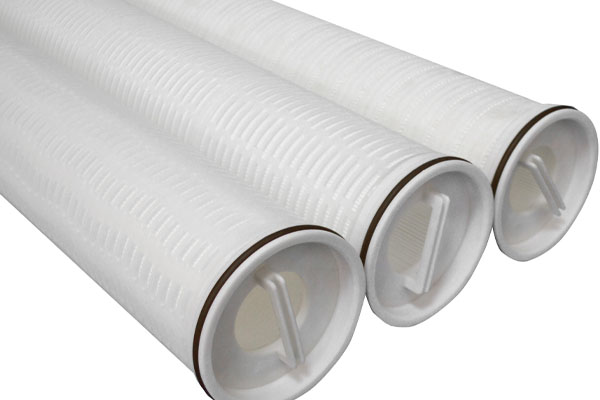
High flow filters stabilize beverage production by handling massive flow rates and fluctuating loads. Their large, pleated surface area ensures consistent pressure and particle removal, preventing system shocks and ensuring product quality, especially during peak demand.
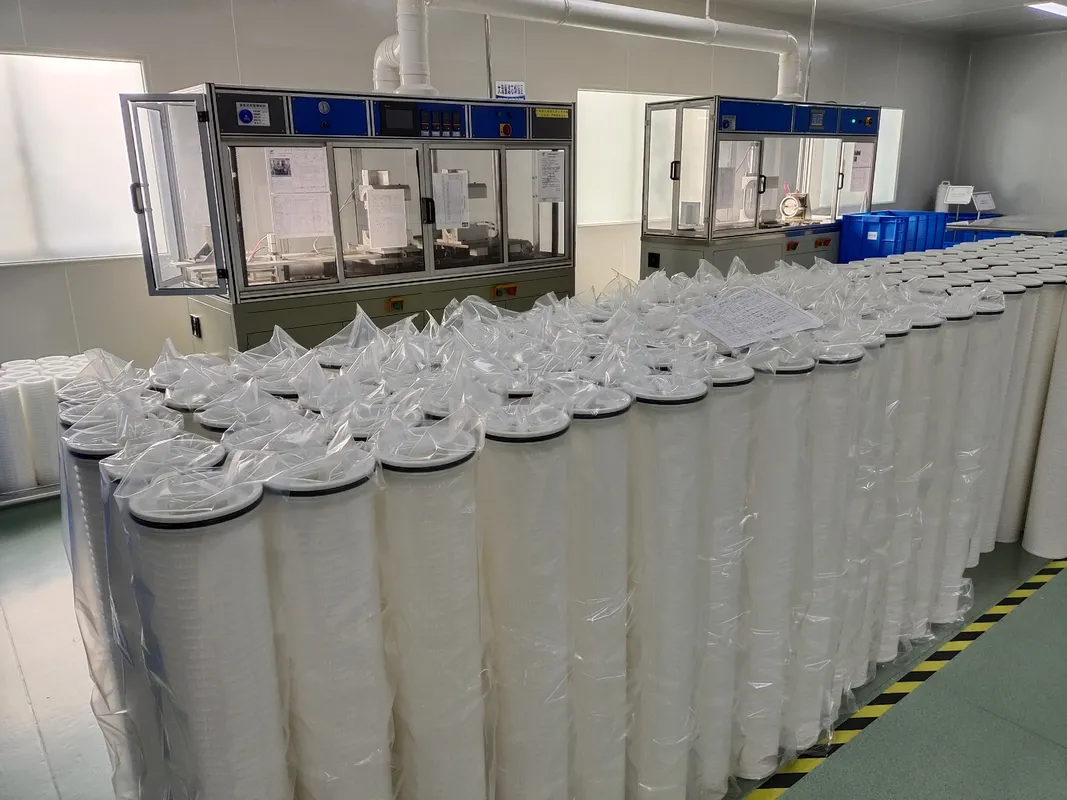
This solution sounds simple, but the impact on a busy production line is huge. For over 10 years at Ecofiltrone, I’ve seen countless beverage plants struggle with this exact problem. Let’s break down where traditional filters fail and why high flow technology is the game-changer you need for your bottling line.
Why do beverage plants experience sudden pressure spikes during peak production?
Peak season demand causes sudden pressure alarms on your filtration system. These jolts risk damaging equipment and halting your entire line. This is often caused by undersized filters struggling with demand.
Sudden pressure spikes happen when the production flow rate is too high for standard filters. This surge overwhelms the filter media, causing rapid clogging and a sharp increase in pressure, which can lead to system failure.
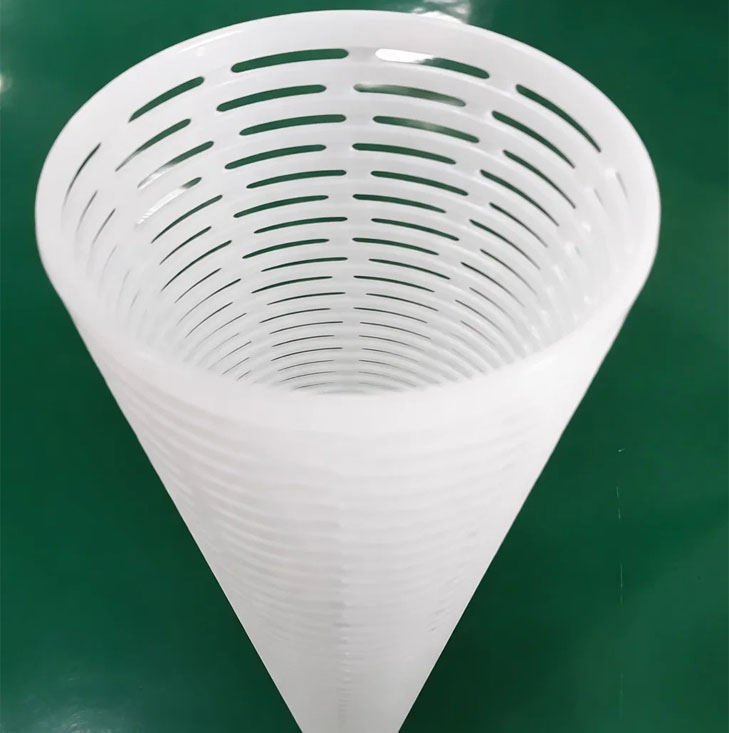
Let’s dive deeper into why this happens. It’s a mechanical problem that many plants overlook until it becomes a crisis. The issue isn’t always the quality of the filter itself, but the design limitations of traditional systems when faced with the realities of high-volume production.
The Bottleneck Effect
Think of a highway shrinking from five lanes to one. That’s what happens inside your filter housing during a production surge. Many systems use dozens of small 10” cartridges running in parallel. When you ramp up production for a seasonal drink, the flow rate through each individual cartridge skyrockets. They simply can’t handle the volume, creating a massive bottleneck. The pressure has to go somewhere, so it spikes, triggering alarms and sometimes even causing filter seals to fail, releasing contaminants downstream.
Uneven Flow Distribution
In a perfect world, every filter cartridge in a housing would share the workload equally. But in reality, that never happens. Due to the housing’s design, some cartridges get hit with a much higher flow than others. These filters clog faster. Once they start to clog, the flow is forced to the remaining clean filters, overloading them in a chain reaction. This is what causes those sudden, unpredictable pressure spikes that leave your operators scrambling.
Viscosity and Temperature Changes
Beverage production isn’t just about water. Ingredients like sugar, syrups, and concentrates make the liquid thicker, or more viscous. Pushing a thicker liquid through a filter requires more energy. If your flow rate increases at the same time, the pressure required can multiply instantly. Traditional filters with small surface areas are not designed for this double challenge, leading to immediate clogging and pressure spikes. High flow filters, with their much larger diameter and pleated media, manage these viscous fluids far more effectively.
Can traditional 10” cartridges handle high sugar or syrup loads?
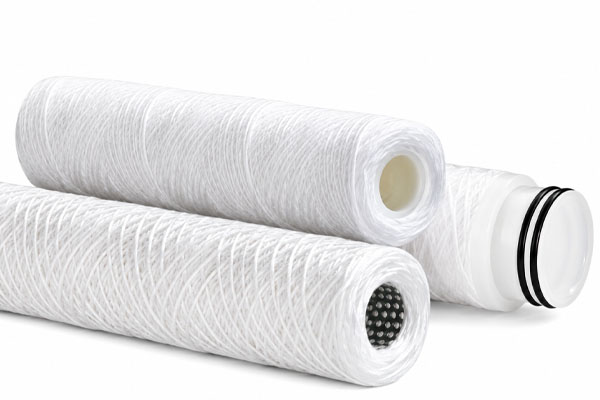
Are you constantly fighting with sticky, high-sugar syrups that clog your filters? These frequent changeouts cost valuable time and money. Traditional 10” cartridges are often not built for this tough job.
Traditional 10” cartridges struggle with high sugar or syrup loads because of their small surface area. The thick liquid and high particle content quickly blind the filter media, causing rapid pressure buildup and frequent replacements.
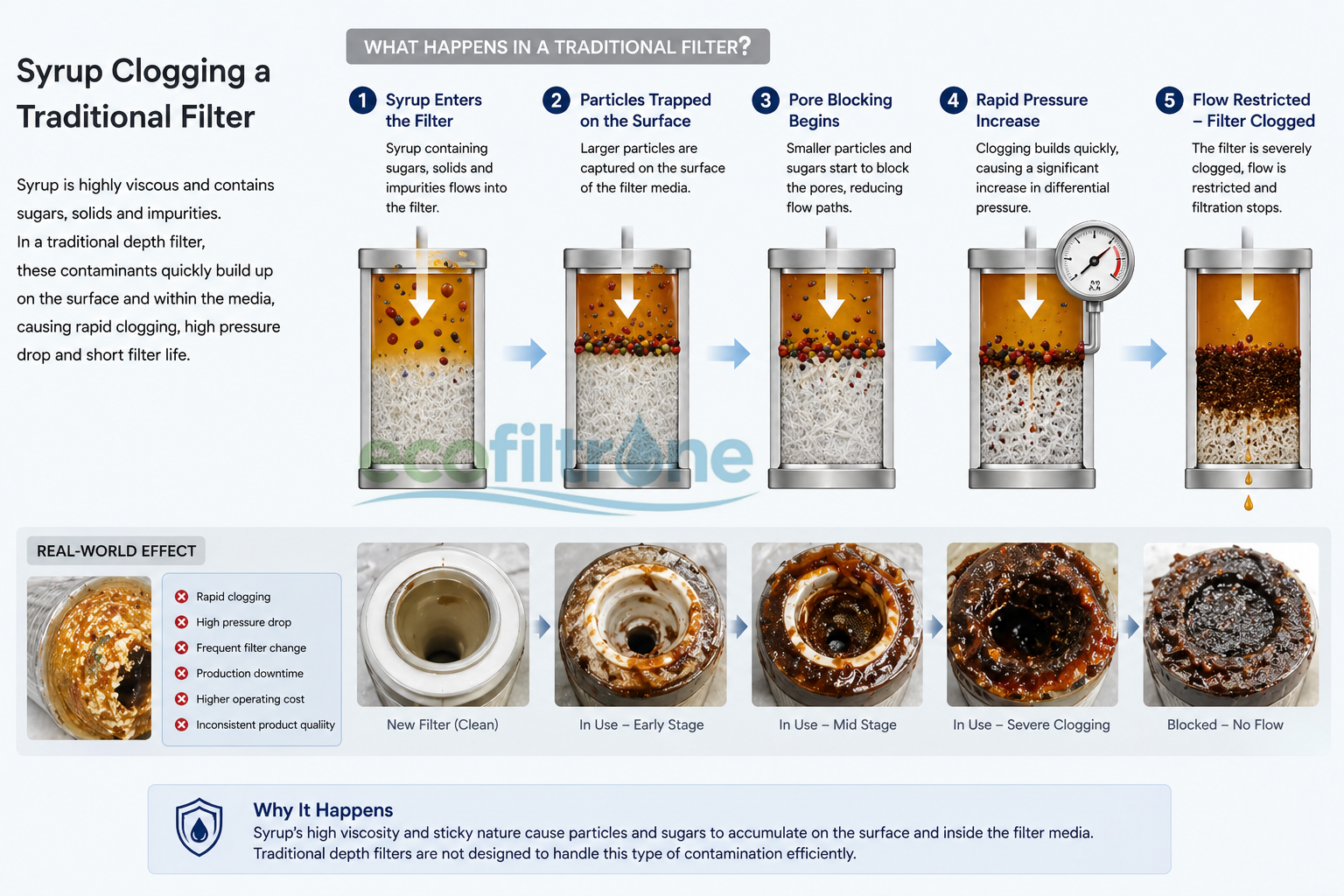
I’ve seen this issue firsthand at several large beverage plants. They were treating syrup filtration as a constant headache, assuming it was just part of the process. But the problem isn’t the syrup; it’s using the wrong tool for the job. A direct comparison shows exactly why high flow filters are the superior solution for these challenging, high-viscosity applications. The difference in design philosophy is night and day.
A Tale of Two Filters
The core of the problem lies in surface area and flow dynamics. A standard 10” filter cartridge is simply outmatched by the demands of a thick, particle-laden fluid like a sugar solution. Let’s look at a direct comparison to see the difference.
| Feature | Traditional 10" Cartridge | 40" Ecofiltrone High Flow Cartridge |
|---|---|---|
| Surface Area | Small (e.g., 0.5 m²) | Very Large (e.g., 5.0 m²) |
| Flow Direction | Outside-to-Inside | Inside-to-Outside |
| Dirt Holding | Limited | Massive Capacity |
| Viscosity Handling | Poor | Excellent |
The massive surface area of a high flow filter—often ten times that of a standard cartridge—means there is much more room to capture contaminants without the filter blinding immediately. Furthermore, the inside-to-outside flow path is a critical advantage. It traps particles deep within the pleats instead of on the surface, preventing the filter from getting "plastered" shut by the viscous syrup. This design allows for higher flow rates, lower pressure drop, and a much longer service life, which translates directly into operational savings.
How does high flow filtration reduce changeout frequency in bottling lines?
Are you tired of stopping production every few hours for filter changeouts? This constant downtime kills your efficiency and drives up labor costs. High flow filters can dramatically increase the time between replacements.
High flow filtration reduces changeout frequency with its massive dirt-holding capacity. A single 40-inch high flow cartridge can replace up to 10 standard 10-inch cartridges, greatly extending the filter’s service life and minimizing downtime.
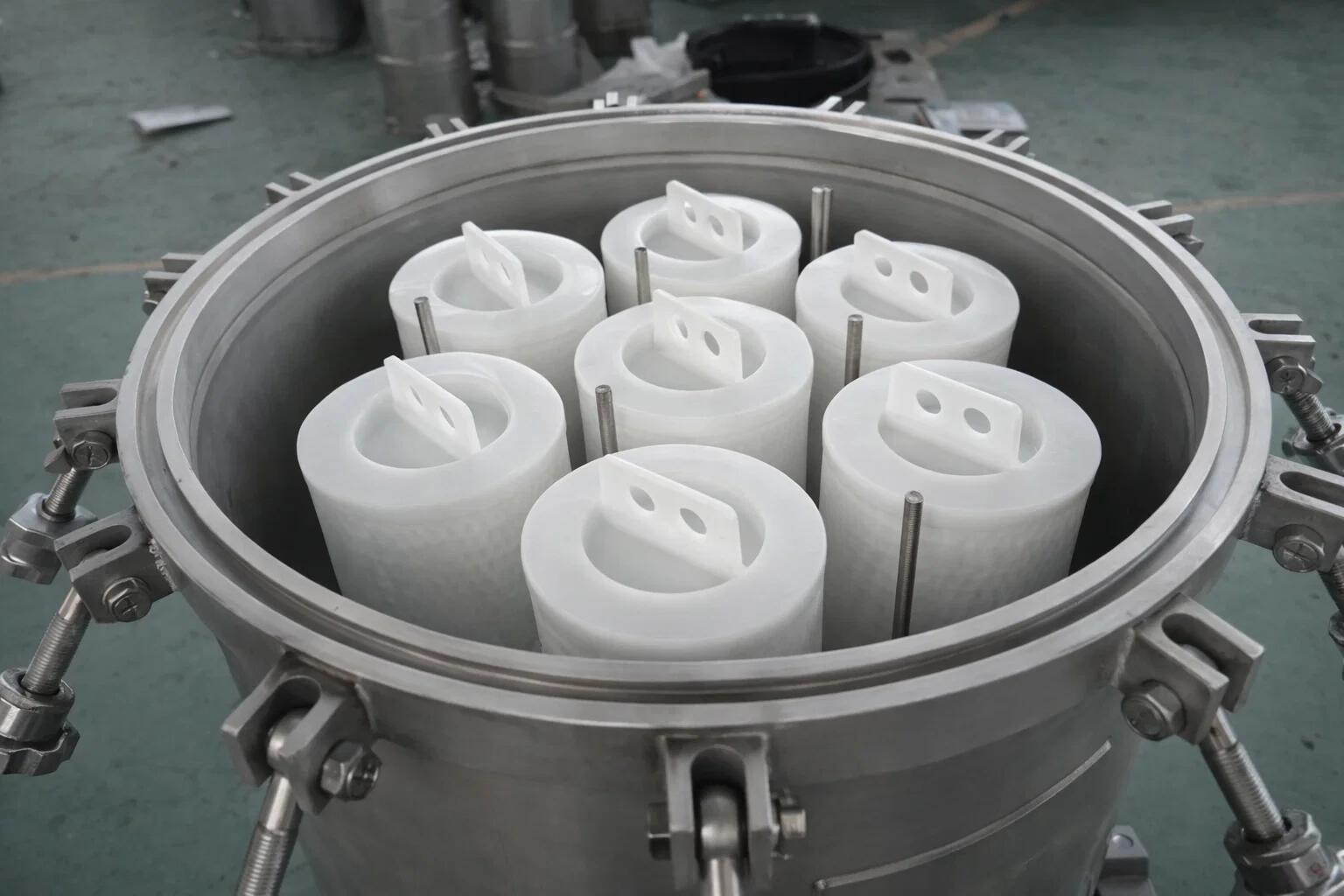
This isn’t just a small improvement; it’s a fundamental shift in how you manage your filtration consumables and labor. The goal of any production manager is to maximize uptime and reduce operational expenses. Frequent filter changes work directly against that goal. By switching to a high flow system, you are not just buying a filter; you are buying more production time. Let’s look at how this impacts your bottom line.
Massive Dirt-Holding Capacity
The most direct benefit is the sheer volume of contaminants a high flow filter can hold. I remember working with a project manager at a large brewery in Southeast Asia. His team was changing out the filters on their water line every single shift, three times a day. It was a huge drain on their resources. After we helped them switch to our 60-inch high flow cartridges, they went an entire month before needing the first changeout. This is possible because one of our cartridges has the dirt-holding capacity equivalent to dozens of traditional cartridges.
Reduced Labor and Downtime
Fewer changeouts mean your skilled operators can focus on running the line, not stopping it to replace filters. Every changeout involves stopping production, depressurizing the system, opening the housing, replacing multiple cartridges, sealing it back up, and restarting. This process can take a significant amount of time. By reducing changeouts from daily to monthly, you reclaim hundreds of hours of productive uptime over a year. This directly improves your Overall Equipment Effectiveness (OEE).
Lower Disposal and Inventory Costs
Using fewer filters also means creating less waste. This is not only a cost saving in terms of disposal fees but also an important environmental benefit for companies focused on sustainability. From an inventory perspective, managing a few high flow cartridges is much simpler than stocking and tracking hundreds of smaller ones. It simplifies your supply chain and reduces the physical space needed for storage.
What filtration micron rating prevents particle contamination in beverages?
Are you worried about haze or sediment showing up in your final product? Inconsistent filtration can damage your brand’s reputation. Choosing the right micron rating is the most critical step for a crystal-clear beverage.
The ideal micron rating depends on the beverage. For water, 1-5 microns is common. To remove yeast, an absolute-rated 0.5-1 micron filter is needed. For syrup, 5-10 microns might work. You must match the rating to the specific contaminant you need to remove.
Selecting the right micron rating is a science. It’s about finding the perfect balance. You need a filter fine enough to capture the unwanted particles but not so fine that it clogs too quickly or strips out desirable elements from your product. This is where understanding filtration ratings and matching them to your specific application becomes essential for quality control.
Nominal vs. Absolute Ratings
First, it’s vital to understand the difference between nominal and absolute filter ratings. A filter with a nominal rating of 5 microns might remove 85-90% of particles that are 5 microns or larger. It’s an average. A filter with an absolute rating of 5 microns is guaranteed to remove at least 99.9% of particles 5 microns or larger. For critical applications like final beverage polishing or microbial control, an absolute-rated filter is non-negotiable. It provides the consistency and security you need to protect your product.
Matching the Rating to the Application
Different stages of the beverage production process require different levels of filtration. Using the wrong one can be ineffective or unnecessarily expensive. Here’s a simple guide we use with our clients:
| Application | Common Contaminants | Recommended Absolute Rating |
|---|---|---|
| Incoming Plant Water | Sand, Silt, Rust, Pipe Scale | 5 – 10 micron |
| Syrup / Sugar Solution | Carbon Fines, Undissolved Solids | 5 – 20 micron |
| Final Product Polishing | Haze, Fine Particulates | 1 – 5 micron |
| Microbial Control | Yeast, Spoilage Bacteria | 0.45 – 1 micron |
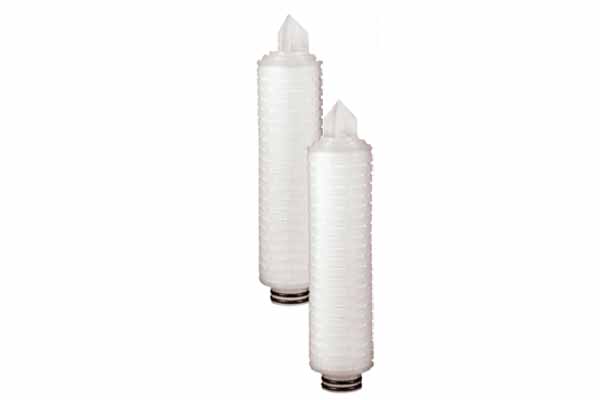
At Ecofiltrone, our expertise is in helping you navigate these choices. We provide a full range of high flow cartridges, from 100 microns down to 0.1 microns, using materials like Polypropylene (PP) and Polyethersulfone (PES) to ensure you get the exact performance your application demands without over-filtering, which saves energy and extends filter life.
How can filtration consistency improve product shelf stability?
Is your product’s shelf life unpredictable? Spoilage or haze can appear weeks after bottling, leading to customer complaints and recalls. Consistent filtration is your best defense for long-term product stability.
Consistent filtration improves shelf stability by reliably removing spoilage microbes like yeast and bacteria, along with fine particles that cause haze. This ensures every bottle meets the same quality standard, preventing spoilage and maintaining brand integrity.
Filtration is not just about making a beverage clear on the day it’s bottled. It’s about ensuring it stays that way for its entire intended shelf life. Inconsistency is the enemy of stability. Even a small, temporary failure in your filtration system can allow contaminants through that will spoil your product weeks or months down the road. This is where the reliability of a high-quality filtration system becomes a critical part of your brand protection strategy.
Removing Spoilage Microorganisms
The biggest threat to many beverages is microbial spoilage from organisms like wild yeast and bacteria. Even a tiny amount getting past your filters can multiply over time, causing off-flavors, cloudiness, or even package swelling. This is why an absolute-rated, high-efficiency filter is crucial as a final guard. Our PES membrane filters, for example, provide sterile-grade filtration to ensure your product is biologically stable. A consistent filtration process ensures this protection is applied to every single drop of your product, without fail.
Preventing Non-Biological Haze
Shelf stability isn’t just about microbes. Non-biological haze can also develop over time. This is often caused by the slow clumping of tiny particles, like colloids or protein-polyphenol complexes, that were too small to be seen at the time of bottling. Effective and consistent sub-micron filtration removes these haze precursors. By ensuring your filtration performance is stable day in and day out, you prevent these issues and guarantee your beverage remains bright and clear for its full shelf life.
The Importance of Filter Integrity
Consistency comes from the filter’s structural integrity. Low-quality filters can suffer from media migration or particle unloading when hit with pressure fluctuations. This means they release previously captured particles back into your product. High flow filters are designed with a rigid structure and robust seals to prevent this. They ensure that once a particle is captured, it stays captured. This structural reliability is key to delivering consistent filtrate quality, from the first bottle of a production run to the last.
Conclusion
High flow filters are more than just a component; they are a strategy. They deliver stable pressure, longer service life, and consistent quality, securing your beverage production line’s performance and profitability.