Filtering edible oil is tough. High temperatures and fine particles like "decolorizing soil" create a huge challenge, threatening your final product’s quality and clarity.
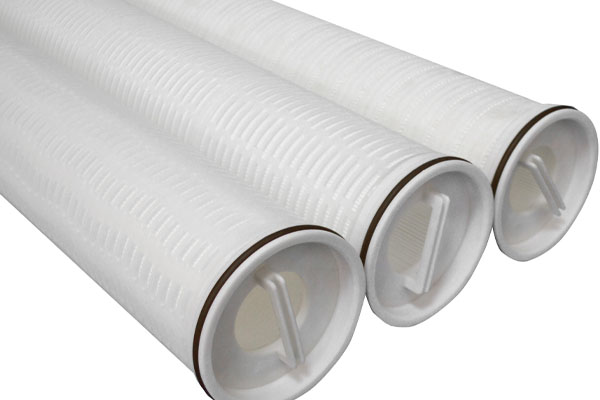
Specialized high-flow filter cartridges master this challenge by combining a heat-resistant structure with advanced polyester filter media. This design ensures structural integrity at high temperatures and efficiently captures fine particles, guaranteeing pure, high-quality oil without compromising flow rates.
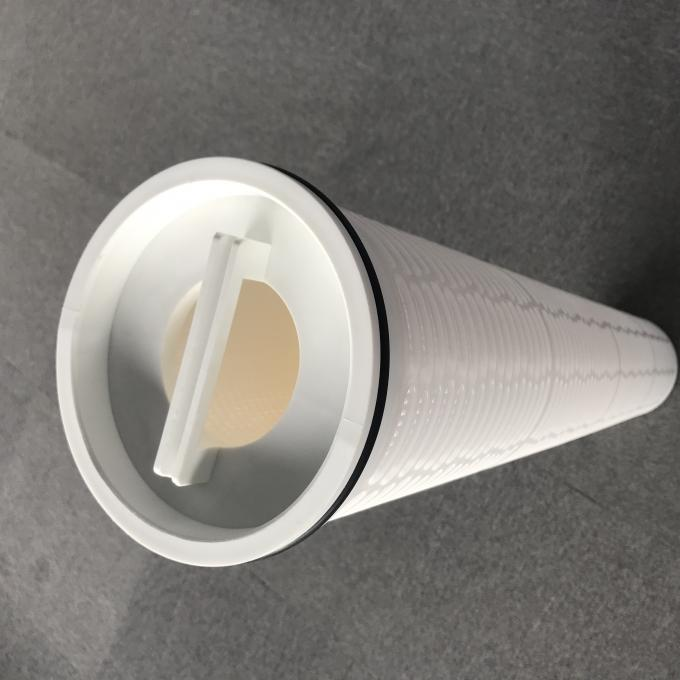
Filtering edible oil is a delicate balance. On one hand, you have high temperatures needed to keep the oil fluid. On the other, you have extremely fine impurities that must be removed completely. It’s a game of managing heat while maximizing interception power. As a manufacturer, I’ve seen many companies struggle with this, but I’ve also seen how the right filtration technology can turn this challenge into a smooth, efficient process. We will explore the key problems you face and how to solve them.
For cooking oils above 60°C, how can the central frame of the filter cartridge be prevented from warping due to heat?
Your filtration system is running hot, and the standard filter cartridge just can’t take it. Its central core starts to soften and deform under the heat.
To prevent heat-induced warping in oil filtration above 60°C, you must use a filter cartridge with a reinforced central core. We recommend materials like glass-fiber-reinforced polypropylene or stainless steel, which maintain their structural rigidity and prevent filter bypass under high thermal stress.
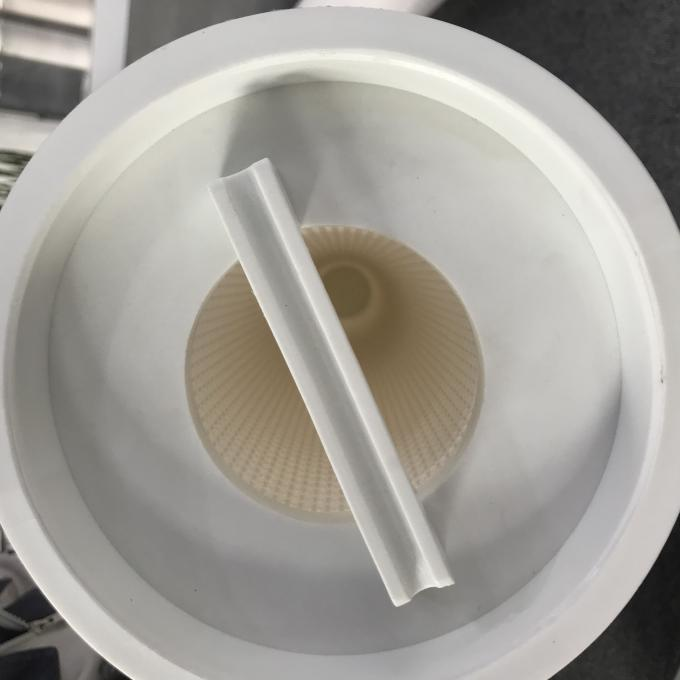
When a standard polypropylene (PP) core meets hot oil, it’s like putting a plastic spoon in boiling water. It softens, bends, and eventually collapses. This failure is critical because a warped core breaks the seal between the cartridge and the housing. When that seal is broken, unfiltered oil bypasses the filter media completely. All that decolorizing soil you’re trying to remove flows right past the filter and into your final product. At Ecofiltrone, we solve this by upgrading the core material. For most applications up to 80°C, a glass-fiber-reinforced PP core provides the necessary strength at a good price point. For even higher temperatures or more demanding situations, a stainless steel core offers the ultimate protection against deformation. It’s a simple upgrade that protects your entire batch from contamination.
Material Strength Under Heat
| Material | Max Operating Temp. | Key Advantage | Common Use Case |
|---|---|---|---|
| Standard Polypropylene | ~60°C | Low cost | Low-temperature applications |
| Reinforced Polypropylene | ~80°C | Excellent heat resistance, cost-effective | Standard hot edible oil filtration |
| Stainless Steel | >120°C | Maximum durability and strength | Extreme temperature or high-viscosity oils |
Why is polyester (PET) filter media more advantageous than PP material in oil filtration?
You picked a filter that seems right, but its performance drops quickly. The pressure increases, the flow rate slows, and you’re changing cartridges far too often.
Polyester (PET) media is superior for oil filtration because it is naturally lipophilic (oil-loving) and has greater thermal stability than polypropylene (PP). This prevents the media from swelling or blinding, ensuring consistent flow rates, lower pressure drop, and a longer service life.
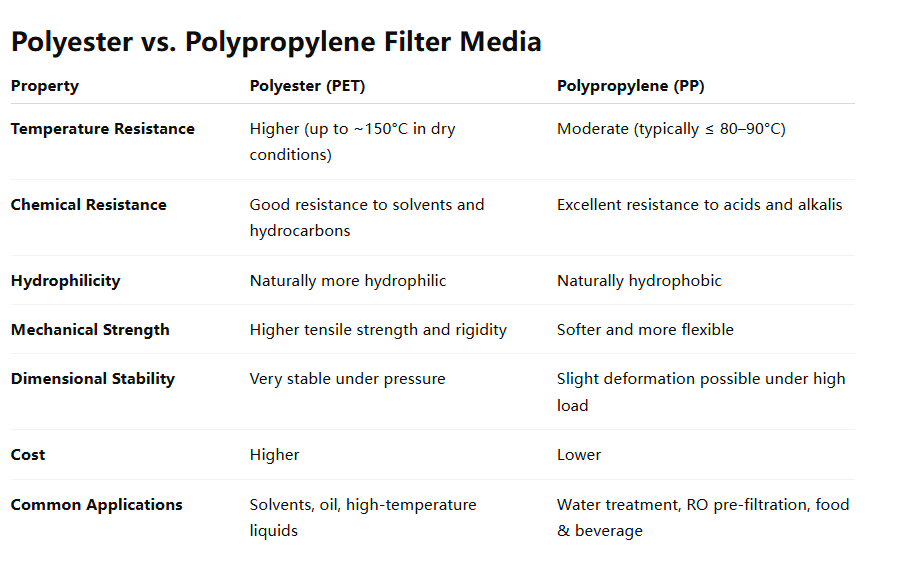
The choice of filter media is just as important as the structural core. While polypropylene is a great all-around material for many water-based applications, it has a weakness when it comes to oils. PP can absorb certain hydrocarbons, which causes the filter fibers to swell. This swelling effectively shrinks the pores of the filter media, a problem known as "blinding." As the pores get smaller, it becomes harder for the oil to pass through, causing the pressure drop to skyrocket and forcing you to replace the cartridge prematurely. Polyester (PET), however, doesn’t have this problem. It is more chemically compatible with oils and resists swelling. This means the pore structure remains stable, the pressure drop stays low and predictable, and the filter lasts much longer. I always tell our clients that for hot oil, PET isn’t just a preference; it’s a necessity for reliable and cost-effective operations.
Media Performance Comparison
| Feature | Polyester (PET) | Polypropylene (PP) |
|---|---|---|
| Oil Compatibility | Excellent (Resists Swelling) | Fair (Can Swell and Blind) |
| Thermal Stability | High | Moderate |
| Service Life in Oil | Longer | Shorter |
| Pressure Drop | Stable and Consistent | Prone to Rapid Increase |
How can maintenance personnel prevent the "wax" buildup on the filter cartridge surface caused by oil condensation?
The line shuts down for a short time, but when you restart, the pressure is through the roof. The oil has cooled, and solidified fats have clogged the filter surface.
Maintenance teams can prevent wax buildup by flushing the filter housing with hot oil or a compatible solvent right before a planned shutdown. This procedure removes the product oil before it can cool and solidify on the filter media, preventing blinding upon restart.
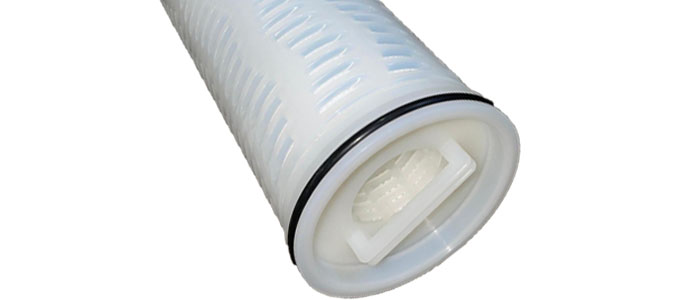
This "waxing" effect is a common headache in edible oil processing. As the oil cools in the filter housing during downtime, saturated fats and other compounds with higher melting points precipitate out of the liquid and solidify directly onto the filter’s surface. This forms an impermeable layer that completely blocks flow. The solution is operational, not just equipment-based. Before any planned stop, even a short one, the maintenance team should have a protocol in place. The best practice is to isolate the filter housing from the main line and perform a "hot flush." By circulating a hot, low-viscosity fluid through the housing, you displace the product oil and wash away any potential deposits. For systems with frequent stops, investing in a heat-traced or jacketed filter housing that maintains a minimum temperature can also eliminate the problem. I worked with a vegetable oil plant that cut their filter consumption in half simply by introducing a 10-minute hot flush before every shift change.
How can engineers design an oil drainage system to reduce material loss during cartridge replacement?
Every time your team changes a filter cartridge, a significant amount of valuable oil is trapped in the housing and goes to waste. This loss adds up over the year.
To minimize oil loss, engineers should specify filter housings with a low-point drain and integrate a gas blow-down system. Before opening the housing, compressed air or nitrogen is used to push the bulk liquid out through the drain for recovery.
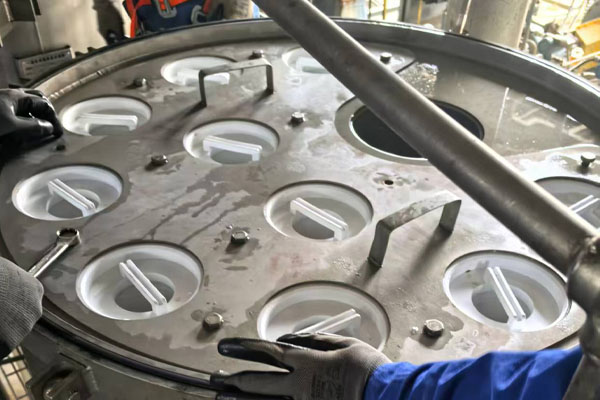
A high-flow filter housing is large and can hold many liters of expensive oil. Treating that residual oil as waste is a direct hit to your profitability. A smart system design can recover nearly all of it. The first element is a drain port located at the lowest possible point of the housing to ensure complete gravity drainage. The second, more critical element, is a connection point near the top of the housing to introduce pressurized gas, like clean compressed air or nitrogen. When it’s time for a filter change, the operator stops the flow, closes the outlet valve, and injects the gas. This pushes the liquid level down, forcing the valuable oil out of the low-point drain and back into a recovery tank or the process stream. This not only saves a surprising amount of money on lost product but also makes the filter change-out process cleaner, safer for personnel by reducing spills, and better for the environment. It transforms a messy, wasteful task into an efficient, clean procedure.
Conclusion
Mastering edible oil filtration comes down to using heat-resistant cores, the right PET media, smart operational procedures like hot flushing, and efficient system design to minimize waste. Ecofiltrone provides the high-performance filters at the center of this solution.
email:[email protected]
whatsapp:8613188962285
www.ecofiltrone.com
https://ecofiltrone.com/hfm-series-high-flow-filter-cartridge/