High-Flow vs. Regular Filter Cartridges: What’s the Real Difference?
Choosing between filter types can be confusing. The wrong choice means poor performance, wasted money, and a system that does not work as it should.
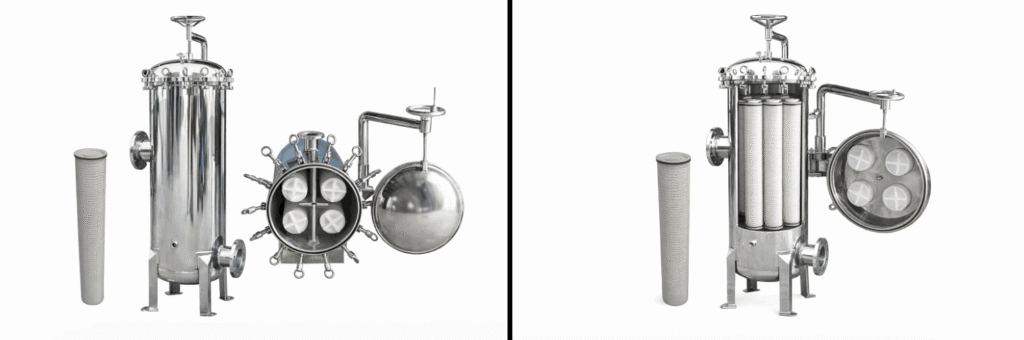
The main differences are size, flow capacity, and flow direction. High-flow cartridges have a large 6-inch diameter, handle massive flow rates (up to 500 GPM), and use an inside-to-out flow path. Regular cartridges are smaller (2.5-inch diameter) and handle much lower flows.
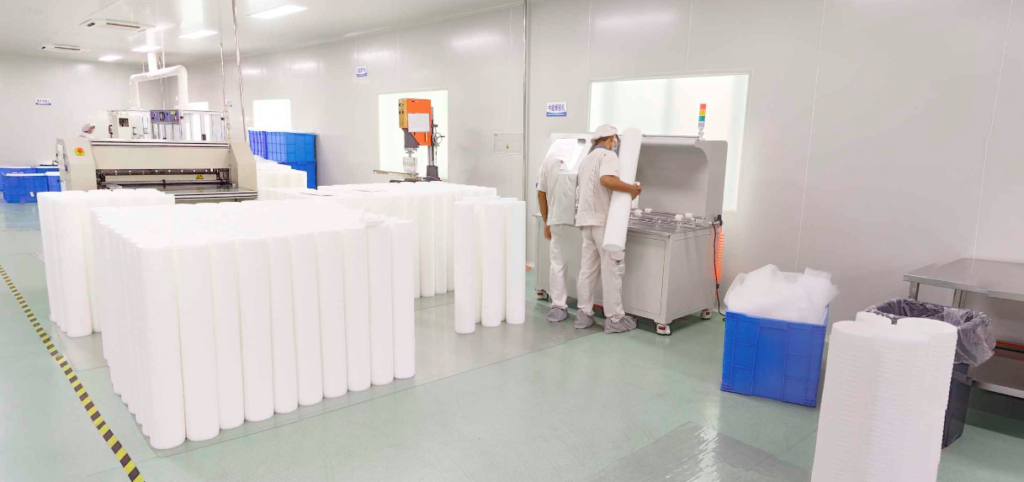
I remember talking to a plant engineer, Jacky, who was frustrated with his pre-filtration system. He was using a large bank of over 20 standard 40-inch cartridges, and his team was changing them out every other day. It was a constant, time-consuming maintenance headache. He knew there had to be a better way, but he was not sure what the practical differences were with these larger "high-flow" filters he had heard about. Once we broke down the core distinctions in design, performance, and cost, the right choice for his system became obvious.
How Are High-Flow and Regular Cartridges Built Differently?
At a glance, they just look like a big filter and a small filter. This simple difference in size leads to a completely different engineering approach and function.
High-flow cartridges are built with a large 6-inch diameter and a rigid outer cage for an inside-to-out flow path. Regular 2.5-inch cartridges are typically softer and designed for an outside-to-in flow path, collecting contaminants on their exterior surface.
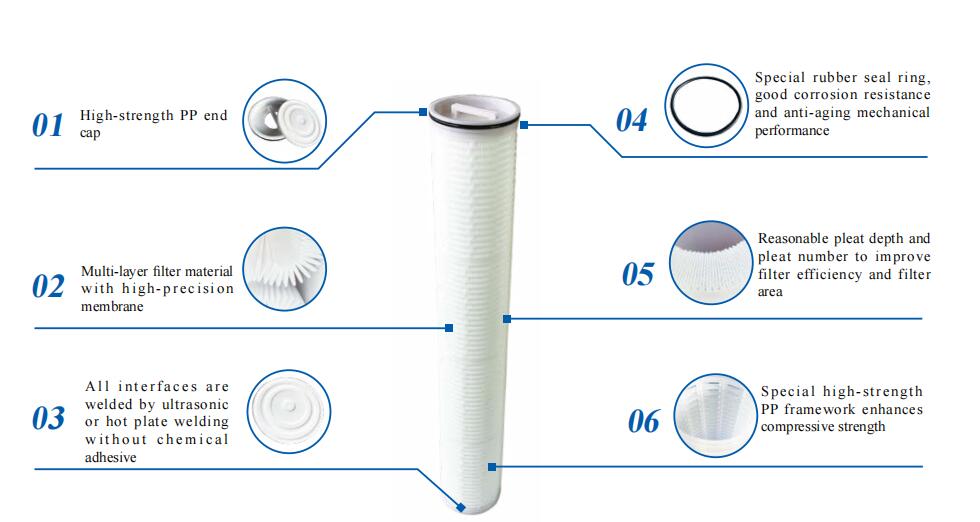
When I first started in this industry, the flow path difference was the most interesting thing I learned. It sounds like a small detail, but it has a huge impact on performance and maintenance. With standard filters, water flows from the outside in, and the dirt cakes up on the exterior of the cartridge. With high-flow filters, the water flows from the inside out. All the trapped particles stay contained within the cartridge. This means when you pull the filter out for a change-out, there is no risk of captured contaminants falling back into the clean side of the filter housing. It is a cleaner, safer, and more reliable design for critical applications.
The Size and Diameter Factor
The most obvious difference is physical size. A high-flow cartridge is a giant compared to its standard counterpart. This is not just for show; the increased diameter dramatically increases the available surface area of the pleated filter media inside. More surface area means the filter can handle a much higher flow rate at a lower pressure drop.
The Critical Difference: Flow Direction
The flow path dictates how the filter is built and how it performs under pressure. The rigid structure of a high-flow cartridge is necessary to support the pleated media against the outward force of the water flow.
| Feature | High-Flow Filter Cartridge | Regular Filter Cartridge |
|---|---|---|
| Diameter | Large (approx. 6 inches / 152 mm) | Small (approx. 2.5 inches / 63 mm) |
| Flow Path | Inside-to-Out | Outside-to-In |
| Construction | Rigid outer cage, open core | Often a soft, cageless construction |
| Contaminant Capture | Inside the filter element | On the outside surface of the filter |
Which Filter Performs Better Under High Demand?
Your system needs to process a high volume of fluid efficiently. Using standard filters is causing a huge pressure drop, wasting pump energy and requiring constant change-outs.
High-flow filters vastly outperform regular cartridges in high-demand situations. A single 40-inch high-flow filter can often replace ten or more standard 40-inch filters, handling significantly higher flow rates with a longer service life due to its massive surface area.
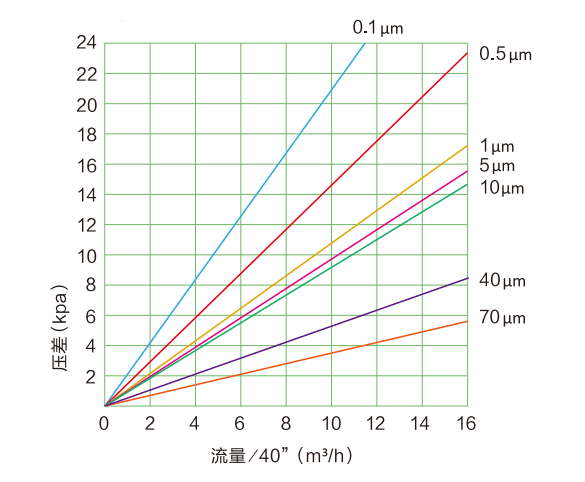
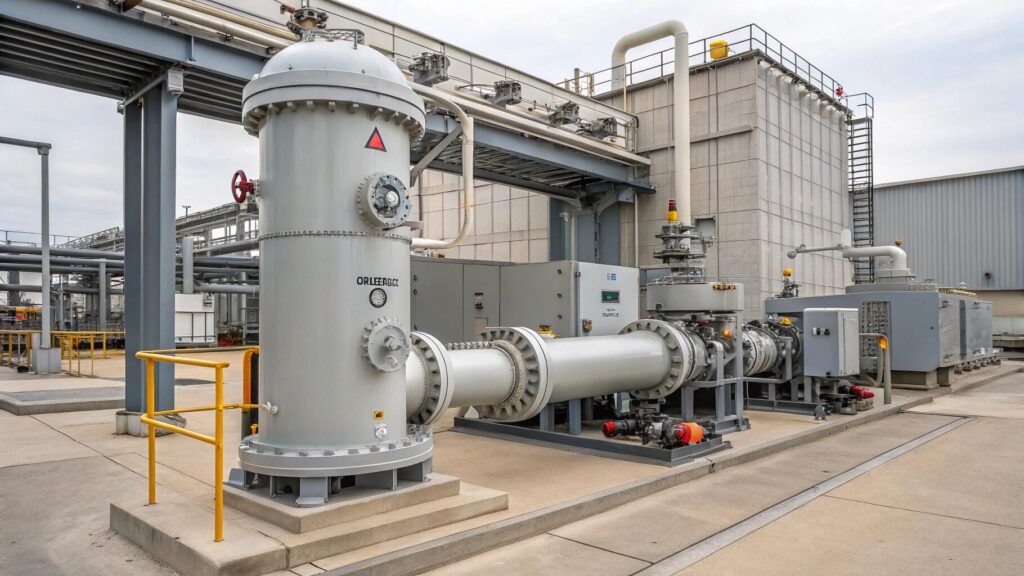
I worked with a petrochemical plant that needed to filter a large cooling water loop. They were using a massive housing that held 30 standard cartridges. The pressure drop across the housing was high, and the maintenance team spent half a day every week changing all 30 filters. We retrofitted their system with a much smaller housing that used just three 60-inch high-flow cartridges. Not only did this new setup handle the same flow rate with a lower pressure drop, but the filter life also tripled. They went from weekly change-outs to monthly ones. The performance improvement was immediate and significant.
Flow Rate Capacity
This is the headline difference. A standard 40-inch cartridge might handle around 5-10 GPM (gallons per minute). A single 40-inch high-flow cartridge, on the other hand, can manage flows up to 500 GPM. This is a 50-fold increase in capacity from a single element. For any system that requires processing large volumes of fluid, like RO pre-filtration or industrial process water, this performance gap makes high-flow the clear choice. It allows you to design a much more compact and efficient filtration system.
Dirt-Holding Capacity and Filter Life
Performance is not just about flow rate; it is also about how long the filter lasts. Because of the sheer volume and surface area of the pleated media, high-flow filters have a much greater dirt-holding capacity. They can trap more contaminants before the pressure drop becomes too high and they need to be replaced. This directly translates to longer service life, which means fewer filter change-outs, reduced labor costs, less production downtime, and lower disposal volumes.
What Are the Operational and Cost Differences?
You are worried about your budget. The higher price of a single high-flow cartridge seems expensive compared to a standard one. It is hard to justify the cost without seeing the full picture.
While a single high-flow cartridge costs more upfront, it delivers a significantly lower total cost of ownership. This is because fewer filters are needed, which reduces hardware, labor, and disposal costs, and dramatically shrinks the system’s physical footprint.
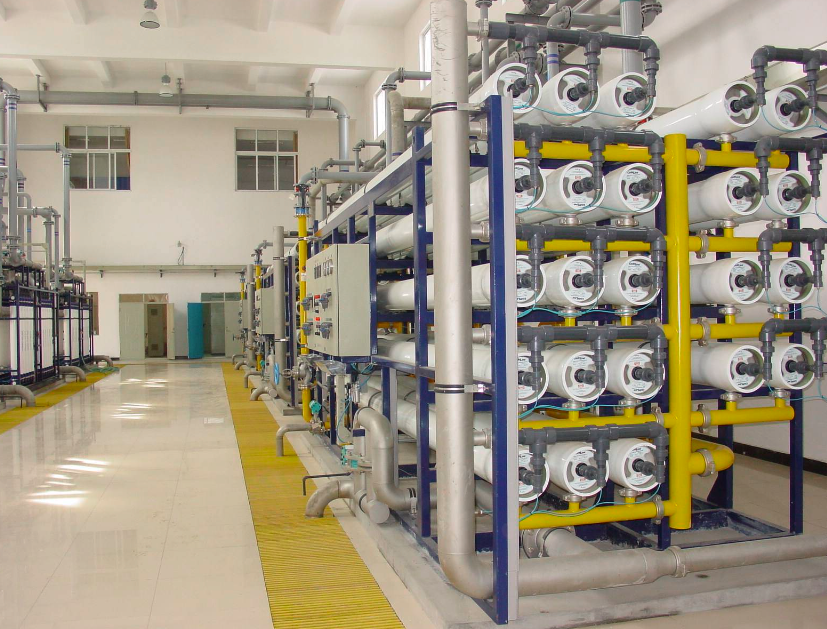
The "sticker shock" of a high-flow filter is a common concern. I helped a client analyze this for a new desalination plant. We compared the cost of a large system using 100 standard cartridges versus a compact system using just 10 high-flow cartridges to achieve the same flow rate. The initial cost for the high-flow cartridges was higher. But the filter housing for the high-flow system was much smaller and cheaper. Over one year, the savings on labor from faster change-outs and the reduced cost of filter disposal made the high-flow system over 30% cheaper to operate. This analysis made the decision easy for them.
System Footprint and Hardware Costs
To match the flow of one high-flow filter, you might need ten or more standard filters. This means you also need a much larger, more complex, and more expensive filter housing. For new projects, choosing high-flow filters can lead to huge savings in capital expenditure on hardware. For existing facilities, it can free up valuable plant floor space.
Labor, Safety, and Total Cost of Ownership
This is where the long-term savings really show.
| Cost Factor | High-Flow System | Regular System |
|---|---|---|
| Initial Filter Cost | Higher per unit | Lower per unit |
| Housing Cost | Lower (smaller vessel) | Higher (larger vessel) |
| Change-out Time | Fast (1 filter) | Slow (10+ filters) |
| Labor Costs | Significantly Lower | Significantly Higher |
| Disposal Volume | Lower | Higher |
| Total Cost | Lower | Higher |
Changing one filter is always faster and safer than changing ten. It reduces the time your team is exposed to the process fluid and minimizes the chance of installation errors. When you add up the savings in hardware, labor, and inventory, the high-flow system is almost always the more economical choice for high-flow applications.
Conclusion
High-flow filters provide superior performance and lower total costs for large-scale applications. Regular filters remain a good choice for smaller, lower-flow systems where initial cost is the primary concern.