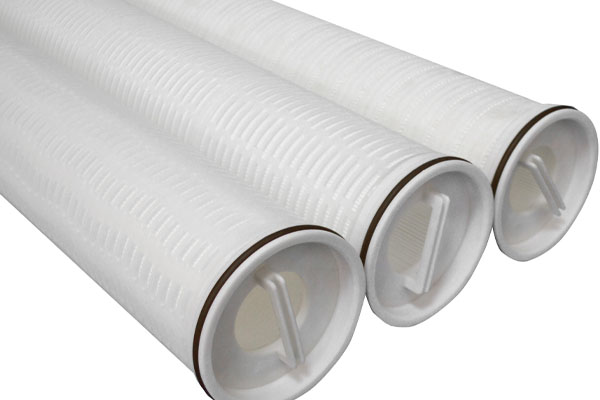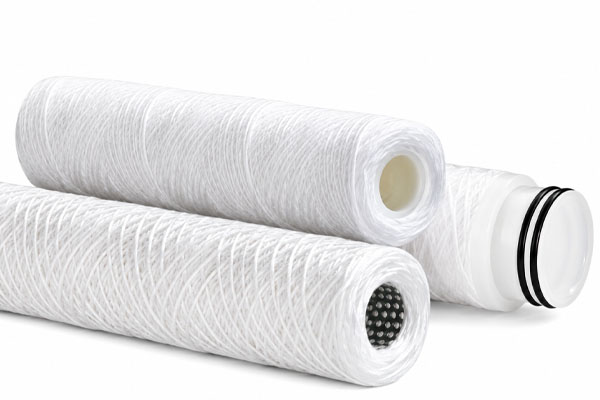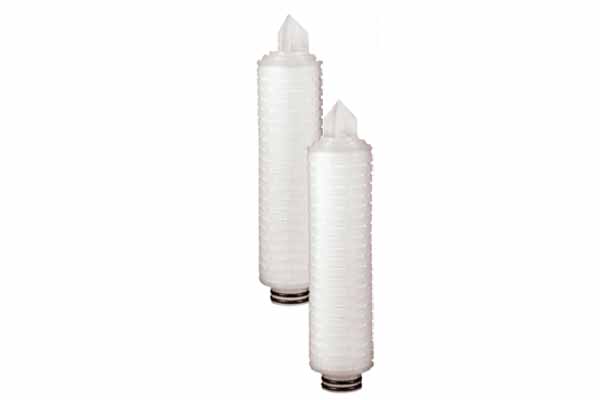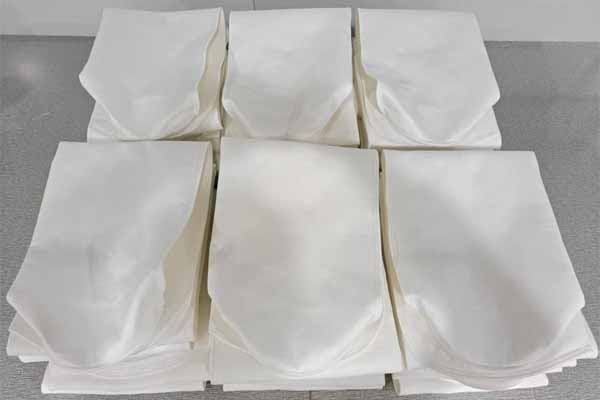
Tired of daily filter changes eating up time and money? This constant downtime cripples production efficiency. We helped a beverage factory switch to weekly changes, saving them 40%.
A major beverage factory saved 40% on filter costs by optimizing their entire system. They altered the pump’s startup curve to reduce pressure shock, added a pre-filtration stage, and implemented a parallel redundancy design for non-stop operation. This shifted their focus from unit price to total filtration volume.
It sounds almost too good to be true, doesn’t it? Moving from a daily frantic swap-out to a calm, planned weekly replacement. It’s not about finding a magic filter; it’s about smart engineering. We worked closely with a major beverage client who faced this exact problem. Their story shows how small, strategic changes can lead to huge savings. Let’s break down exactly how they did it, starting with a simple adjustment that had a massive impact on filter life.
Why can altering the pump’s startup curve reduce "false clogging" caused by instantaneous pressure on the filter cartridge?
Do your new filters seem to clog almost instantly? You might think it’s a quality issue, but it’s often the sudden pressure surge from your pump causing "false clogging."
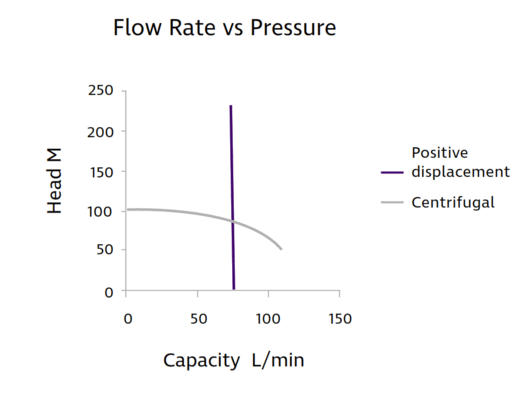
Instantaneous high pressure at pump startup, known as water hammer, can compress the filter media’s pore structure. This physical change prematurely blocks the filter, creating a "false clog" long before it’s actually saturated with contaminants. A soft-start or variable frequency drive (VFD) prevents this damaging surge.
In many systems, especially older ones, pumps turn on like a light switch—instant full power. This creates a powerful pressure wave, often called a water hammer, that slams into the filter cartridge. Imagine hitting a sponge with a hammer; it compresses instantly. The same thing happens to the delicate pore structure of the filter media. The fibers get compacted, reducing the available pathways for water to flow through. This is what we call "false clogging." The filter isn’t full of dirt; its structure has just been damaged.
At the beverage factory, we saw their pressure gauges spike dramatically every time the line restarted. This was the root cause of their daily replacements. The solution was to implement a soft-start sequence using a Variable Frequency Drive (VFD) on their main pump. This allows the pump to gradually ramp up to full speed, creating a gentle, controlled increase in pressure.
| Feature | Hard Start (Direct-On-Line) | Soft Start (Using VFD) |
|---|---|---|
| Pressure Profile | Instantaneous spike (Water Hammer) | Gradual, controlled ramp-up |
| Filter Media Impact | Compaction, pore collapse, "false clog" | Preserves media integrity |
| Filter Lifespan | Significantly reduced | Maximized, often doubled or more |
| Energy Consumption | High initial surge | Lower, more efficient startup |
By simply reprogramming the pump’s startup curve, we eliminated the damaging pressure shocks. This single change was a huge step in moving them from daily to weekly filter replacements.
How is the return on investment (ROI) calculated for high-flow filter cartridges in downstream systems when adding a multi-media pre-filtration system?
Thinking about adding a pre-filtration system but worried about the cost? This upfront investment can feel big, but it pays for itself by protecting your more expensive final filters.
Calculate ROI by comparing the total cost of ownership (TCO) before and after. The investment is the pre-filtration system’s cost. The return is the savings from fewer high-flow cartridge replacements, reduced labor for change-outs, and less production downtime over a year. The ROI is typically very high.
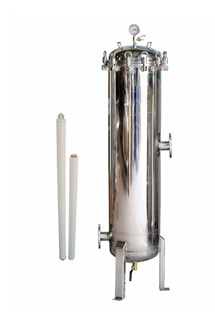
Calculating the Return on Investment (ROI) for a pre-filtration system isn’t just about the initial price tag. It’s about understanding the Total Cost of Ownership (TCO). The beverage factory was using high-performance, absolute-rated high-flow cartridges to ensure product quality. These filters are effective but also more expensive. They were being overwhelmed by larger, suspended solids that a cheaper pre-filter could easily handle.
We proposed adding a simple multi-media filter upstream. This initial investment seemed like an extra cost, but the math proved its value. The pre-filter would capture the bulk of the larger particles, allowing the high-flow cartridges to focus on the finer contaminants they were designed for. This drastically extended the life of the expensive downstream cartridges.
Here’s a simplified way to look at the ROI calculation:
| Cost Component | Before Pre-filtration (Annual) | After Pre-filtration (Annual) |
|---|---|---|
| High-Flow Cartridges | 365 cartridges x $200/unit = $73,000 | 52 cartridges x $200/unit = $10,400 |
| Labor for Change-outs | 365 hours x $50/hr = $18,250 | 52 hours x $50/hr = $2,600 |
| Total Annual OPEX | $91,250 | $13,000 |
Annual Savings: $91,250 – $13,000 = $78,250. If the pre-filtration system cost $50,000 to install, the ROI is achieved in less than 8 months. For our client, this was a clear financial win.
How can engineers achieve uninterrupted cartridge replacement during production through parallel redundancy design?
Does changing a filter mean stopping your whole production line? This downtime is costly and frustrating. A simple parallel filter design allows you to change cartridges with zero interruption.
A parallel redundancy design, also known as a duplex or duty/standby system, uses two or more filter housings. While one line is active, the other is on standby. When a filter needs changing, flow is diverted to the standby unit, allowing for replacement without any production downtime.
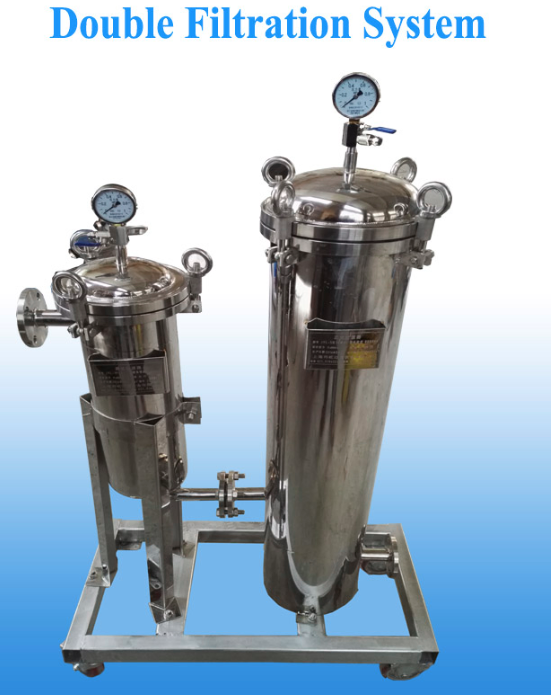
The concept of parallel redundancy is simple but incredibly powerful. Instead of having one single point of failure—your filter housing—you install two identical housings side-by-side. We call this a duty/standby or duplex system. During normal operation, all the water flows through "Filter A" (the duty unit). "Filter B" (the standby unit) is isolated but ready to go.
When the pressure gauges show that Filter A is getting clogged, the operator doesn’t need to hit the emergency stop button. They simply follow a quick procedure:
- Slowly open the inlet valve for Filter B.
- Slowly close the inlet valve for Filter A, diverting flow.
- Open the outlet valve for Filter B and close the outlet for Filter A.
- Production continues uninterrupted through Filter B.
- The operator can now safely depressurize, drain, and replace the cartridge in Filter A at their convenience.
| System State | Filter Housing A | Filter Housing B | Production Status |
|---|---|---|---|
| Normal Operation | Online (Duty) | Offline (Standby) | Running |
| Change-out Needed | Switching to Offline | Switching to Online | Running |
| Maintenance | Offline (Maintenance) | Online (Duty) | Running |
For the beverage factory, this was the final piece of the optimization puzzle. It transformed filter replacement from a stressful, production-halting event into a routine, calm maintenance task that could be done anytime during a shift.
How can procurement evaluate suppliers based on the total amount of filtration volume purchased rather than the price per cartridge?
Are you focused on the lowest price per filter cartridge? This often leads to frequent replacements and higher overall costs. The smarter metric is cost per volume of water filtered.
Evaluate suppliers by calculating the total cost of filtration over a period. Divide the total cost (cartridges + labor + downtime) by the total volume of liquid filtered. This gives you a true "cost per gallon" metric, which prioritizes longer-lasting, higher-quality filters over cheap, inefficient ones.
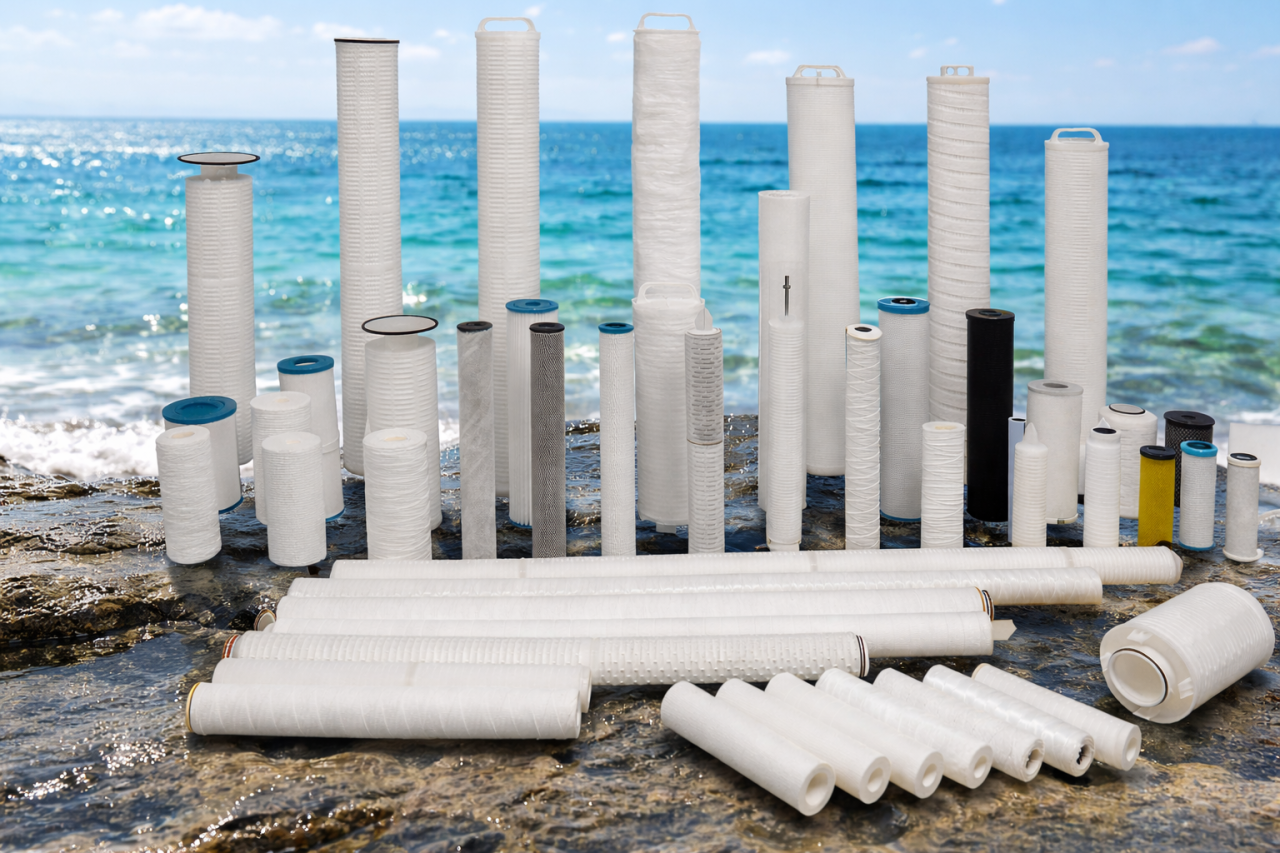
The traditional procurement mindset focuses heavily on the unit price. It’s an easy number to compare on a spreadsheet. However, in industrial filtration, this is a flawed approach. A cheap filter that lasts one day is far more expensive than a premium filter that costs 50% more but lasts for seven days. The real metric of value is performance and longevity.
We encourage our clients to shift their thinking from "cost per piece" to "cost per volume filtered." This metric reveals the true efficiency of a filter. To calculate it, you track how many gallons of water pass through a filter before it reaches its change-out pressure differential.
| Metric | Supplier A (Low Price) | Ecofiltrone (High Quality) |
|---|---|---|
| Price per Cartridge | $150 | $200 |
| Service Life | 1 Day (250,000 Gallons) | 7 Days (1,750,000 Gallons) |
| Labor per Change | $50 | $50 |
| Total Cost per Cycle | $200 | $250 |
| Cost per 1M Gallons | $800 | $143 |
As you can see, the "cheaper" filter is actually over five times more expensive when you measure what matters. This is why at Ecofiltrone, we don’t just sell products; we sell longer replacement cycles. Our success comes from our clients’ success and operational efficiency, not from selling them more and more filters.
Conclusion
True cost savings in filtration come from smart system optimization and focusing on total performance, not just the unit price. A holistic approach turns a major expense into a competitive advantage.
email:[email protected]
whatsapp:8613188962285
www.ecofiltrone.com