W-Pleat vs. Crescent-Pleat: Which High Flow Design Maximizes Service Life?
In the industrial filtration sector, the transition to high-flow systems is a given. However, once you’ve committed to the format, a critical technical question arises: Does the pleat geometry actually affect your bottom line?
For maintenance engineers and procurement managers, the choice between W-Pleat and Crescent-Pleat designs isn’t just aesthetic—it’s a decision that dictates the Total Cost of Ownership (TCO), change-out frequency, and system uptime.
1. Understanding the Geometry: The Battle for Surface Area
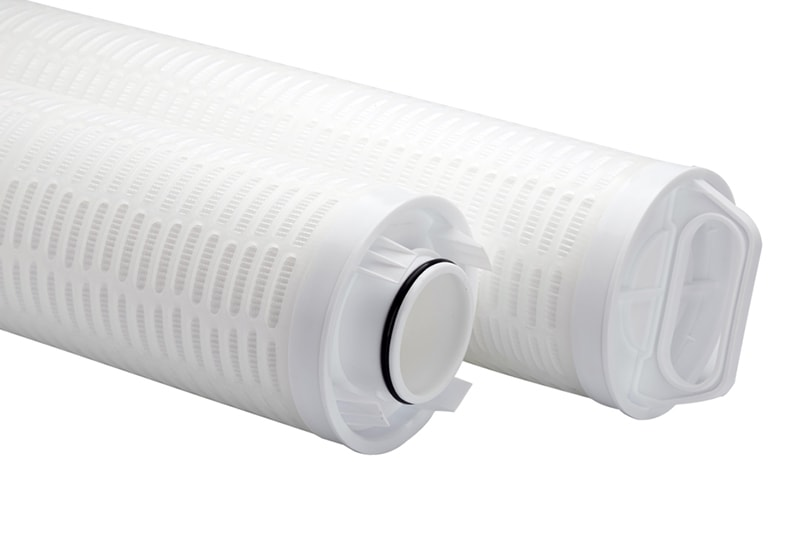
The primary goal of any high-flow filter is to pack the maximum amount of media into a 6-inch diameter cylinder without restricting flow.
- W-Pleat Design: This traditional high-flow geometry uses a "W" shape to fold the media. It’s a robust design that significantly increases surface area compared to standard fan-pleats.
- Crescent-Pleat Design (The "Curve" Advantage): Instead of sharp angles, the media is folded into a curved, crescent shape. This allows the pleats to lay over one another snugly, almost like the scales of a fish.
2. Why Crescent-Pleat Often Wins the "Service Life" Race
When customers search for "high flow filter service life," they are essentially asking about Dirt Holding Capacity (DHC).
The Crescent-Pleat design offers a distinct advantage in DHC because it eliminates "Pleat Pinching." In standard W-pleats, as the filter collects dirt, the pressure can cause the pleats to squeeze together, "blinding" the inner parts of the media.
The curved structure of the Crescent-Pleat provides:
- Uniform Flow Distribution: Water enters every square inch of the media at the same velocity.
- Resistance to Compression: The overlapping curves support each other under high differential pressure (ΔP), keeping the flow paths open longer.
3. The Performance Math: ΔP and Energy Savings
A filter’s life ends when it reaches its terminal pressure drop (usually 35 PSI / 2.4 bar).
Using the Crescent-pleat design, the Initial Clean Pressure Drop is typically lower. If we consider the relationship:
$$T{life} \propto \frac{1}{\Delta P{initial}}$$
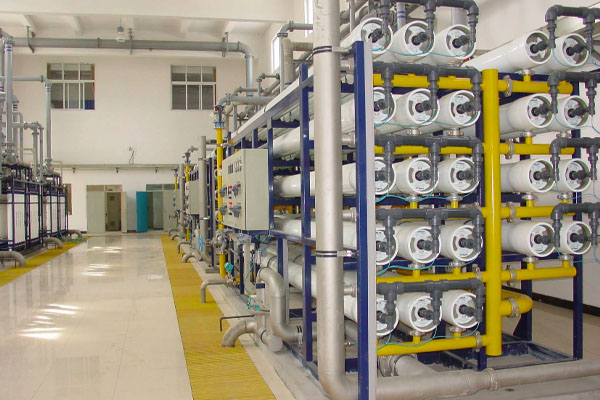
Starting with a lower ΔP allows for a much longer "ramp-up" period before the filter reaches its clogging point. For a desalination plant, this could mean the difference between changing filters every 3 months versus every 5 months.
4. Which One Should You Choose for Your System?
While Crescent-Pleat is the premium choice for maximizing life in high-solids applications, W-Pleat remains a highly cost-effective solution for cleaner fluids where the extreme surface area might be overkill.
ecofiltrone provides both geometries, engineered to be 100% compatible with the industry’s largest brands:
- Pall Ultipleat High Flow: (Crescent-style equivalent)
- 3M High Flow: (Radial pleat style equivalent)
- Parker MaxGuard
5. Conclusion: Data-Driven Filtration
Maximizing service life isn’t just about the micron rating; it’s about the structural integrity of the pleat. By choosing a Crescent-Pleat design for your RO pre-filtration or process water, you are investing in longer cycles, fewer labor hours, and reduced waste.
FAQ
Q1: Can Ecofiltrone high flow filters replace Pall or 3M cartridges without modifying the housing?
A: Yes, our cartridges are designed with identical interfaces (222, 226, or SOE) to ensure a seamless "drop-in" replacement for major brands like Pall, 3M, and Parker.
Q2: Which pleat design is better for high-turbidity water?
A: For high-turbidity applications, the Crescent-Pleat design is recommended as it prevents pleat pinching and offers a higher dirt-holding capacity compared to standard pleats.