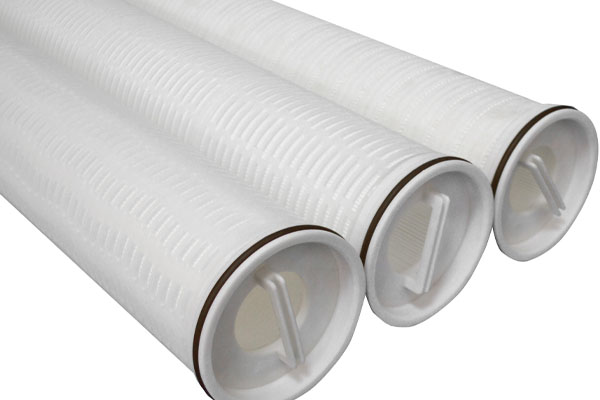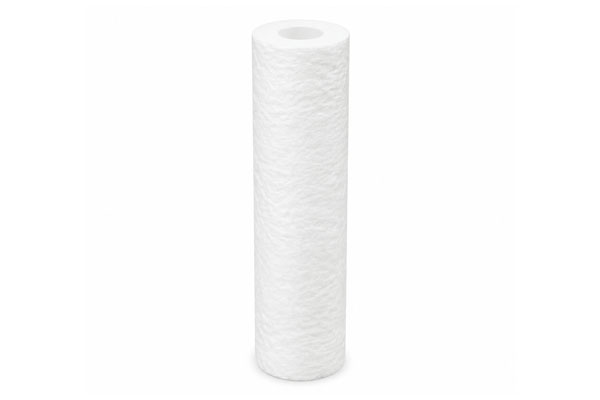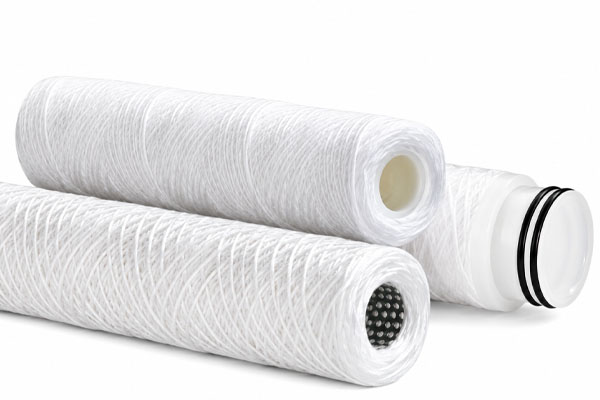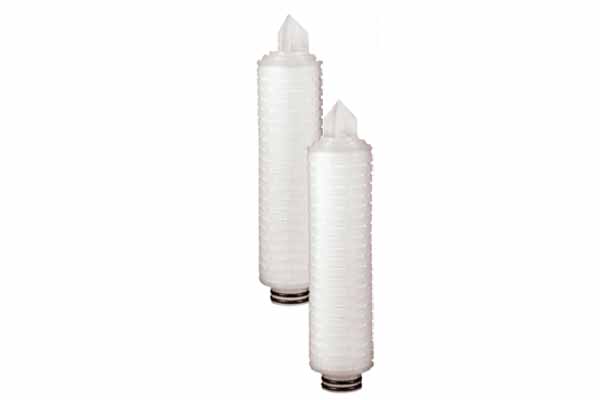
High Flow Cartridge Selection & Evaluation Guide
Engineering Selection Methodology for SWRO, RO, Power Plants and Industrial Water Systems
1. Purpose
The objective of cartridge selection is not simply to choose a micron rating.
A properly selected high flow cartridge should:
✓ Protect downstream equipment and RO membranes
✓ Maintain stable differential pressure (ΔP)
✓ Maximize dirt holding capacity
✓ Reduce replacement frequency
✓ Minimize total operating cost
Therefore, cartridge selection must be based on system conditions rather than cartridge specifications alone.
2. Selection Workflow
System Application
↓
Water Quality Assessment
↓
Contaminant Identification
↓
Flow Requirement Analysis
↓
Media Selection
↓
Micron Rating Selection
↓
Structural Design Selection
↓
Compatibility Verification
↓
Final Cartridge Recommendation
3. Application Assessment
SWRO / RO Pretreatment
Primary Objective:
- Protect RO membranes
- Reduce SDI
- Stabilize RO operation
Typical Contaminants:
- Fine colloids
- Organic matter
- TEP
- Bio-slime
- Iron hydroxide
Recommended Media:
- Glass Fiber
- Gradient Density Pleated Structure
Power Plant
Primary Objective:
- Condensate protection
- Iron oxide removal
- Turbine protection
Typical Contaminants:
- Iron oxide
- Corrosion products
Recommended Media:
- Glass Fiber
- Fine micron ratings
Wastewater Reuse
Primary Objective:
- High solids handling
- Stable operation
Typical Contaminants:
- Biological solids
- Suspended solids
Recommended Media:
- Polypropylene
- High dirt holding structures
Cooling Water Systems
Primary Objective:
- Side-stream filtration
- Reduce fouling
- Reduce chemical consumption
Typical Contaminants:
- Biological growth
- Scale particles
- Suspended solids
4. Feed Water Assessment
Turbidity
Unit: NTU
Interpretation:
< 1 NTU → Excellent
1 – 5 NTU → Normal
10 NTU → High particulate loading
SDI
Unit: SDI15
Interpretation:
< 3 → Excellent
3 – 5 → Acceptable
5 → High colloidal fouling risk
TSS
Unit: mg/L
Purpose:
Evaluate solids loading and expected cartridge life.
5. Contaminant Identification
Identify dominant fouling mechanisms:
□ Sand
□ Silt
□ Iron
□ Colloids
□ Organic Matter
□ Bio-slime
□ Oil
Selection should be based on the dominant contaminant rather than micron rating alone.
6. Flow Rate Assessment
Required Data:
System Flow Rate (m³/h)
Number of Cartridges
Housing Configuration
Operating Pressure
Temperature
Flow per Cartridge:
Flow per Cartridge = Total Flow ÷ Cartridge Quantity
Overloading individual cartridges will accelerate fouling and increase ΔP.
7. Media Selection
Polypropylene (PP)
Advantages:
- Excellent chemical compatibility
- Cost-effective
- Suitable for general industrial water
Applications:
- Wastewater
- Industrial process water
Glass Fiber (GF)
Advantages:
- High filtration efficiency
- Low pressure drop
- Excellent depth loading capability
Applications:
- SWRO
- RO Pretreatment
- Power Plants
8. Micron Rating Selection
Stable UF Outlet (SDI < 3)
Recommended:
1 – 5 μm
General RO Pretreatment
Recommended:
5 μm
High Particulate Loading
Recommended:
10 – 20 μm
Iron Removal Applications
Recommended:
5 μm
Condensate Polishing
Recommended:
1 – 5 μm
9. Structural Design Selection
Standard Pleated
Suitable for:
- Stable feed water
Gradient Density Structure
Suitable for:
- Colloidal fouling
- Biofouling
- Seasonal water quality changes
Reinforced Core Design
Suitable for:
- High ΔP conditions
- Water hammer risk
- High flow operation
10. Pressure Drop Evaluation
Monitor:
Initial ΔP
Final ΔP
ΔP Trend
The most important parameter is not initial pressure drop, but pressure drop stability throughout cartridge life.
11. Compatibility Verification
Verify:
□ Cartridge Length
□ Diameter
□ Flow Direction
□ End Cap Design
□ O-ring Material
□ Housing Interface
12. Required Information Before Selection
The following information should always be collected:
Application
Current Cartridge Model
Micron Rating
Flow Rate
SDI
Turbidity
Contaminant Type
Cartridge Lifetime
Differential Pressure Trend
Housing Configuration
13. Final Recommendation Format
Application:
SWRO Pretreatment
Feed Water:
SDI 2.8
Turbidity 0.5 NTU
Contaminant:
Fine Colloids
Flow:
240 m³/h
Recommended Cartridge:
Glass Fiber High Flow Cartridge
Micron Rating:
5 μm
Length:
60"
Structure:
Gradient Density Pleated
Seal Material:
EPDM
Expected Benefits:
✓ Stable ΔP
✓ Improved Dirt Holding Capacity
✓ Better RO Membrane Protection
✓ Extended Cartridge Life