The Strategic Purpose of Fine Filtration in Ethylene and Propylene Production
Rapid Answer
In the production of light olefins like ethylene and propylene (via steam cracking or MTO processes), fine filtration is not merely a final polishing step; it is a critical asset protection mechanism.
The main purpose of fine filtration is to intercept sub-micron solid particulates (like coke fines and iron sulfide) and microscopic liquid aerosols (like compressor lube oil and quench water) before they can reach highly sensitive downstream assets. Specifically, fine filtration exists to prevent the irreversible poisoning of expensive hydrogenation catalysts, stop the mechanical fouling of cracked gas compressors, and guarantee the ultra-strict "polymer-grade" purity required for final pipeline transport and polymerization.
The Operational Trap: The Illusion of "Clean" Cracked Gas
After the high-temperature cracking furnace, the gas passes through primary quench towers and large knockout (KO) drums. Operators often fall into the trap of believing that the gas exiting these massive vessels is "clean" simply because the bulk liquids and heavy solids have been removed.
However, bulk separators rely on gravity and centrifugal force. They are physically incapable of removing:
- Sub-micron Coke Fines: Microscopic carbon dust generated in the cracking furnace.
- Sheared Compressor Oil: Highly emulsified or vaporized lubricating oil that leaks from the seals of the Cracked Gas Compressor (CGC) and condenses into aerosols.
- Trace Liquid Hydrocarbons (Green Oil): Heavy hydrocarbon byproducts that form microscopic mists in the gas stream.
If these contaminants bypass the fine filtration stage, they initiate a cascading failure in the most expensive units of the petrochemical plant.
The Physical Autopsy: Catalyst Poisoning and Fouling
When a petrochemical plant operates without absolute-rated fine filtration, the damage is typically discovered inside the Acetylene Hydrogenation Converter (or MAPD converter for propylene).
Ethylene must have its acetylene content reduced to less than 1 ppm before it can be polymerized. This is done using highly sensitive Palladium (Pd) catalysts. If fine filtration fails, a physical autopsy of the reactor bed reveals two distinct disaster mechanisms:
- The Liquid Block (Catalyst Poisoning): Aerosols of compressor lube oil or "green oil" flow into the reactor and coat the porous surface of the catalyst pellets. Because the oil is heavy and viscous, it forms a liquid film that physically blocks the ethylene and hydrogen gas from reaching the active Palladium sites. The catalyst is essentially "suffocated," leading to immediate acetylene breakthrough.
- The Particulate Plug (Bed Fouling): Sub-micron coke fines and rust migrate into the reactor and lodge in the interstitial spaces between the catalyst pellets. This forms a concrete-like crust at the top of the bed, driving up the differential pressure (△P). To maintain flow, the compressor must work harder. Eventually, the gas forces its way through weak points in the crust, creating "channeling" which leads to localized thermal runaways (hot spots) and uncontrolled reactions.
Diagnostic Cross-Validation Matrix: Detecting Filtration Failure
Field engineers must cross-reference process data to determine if the upstream fine gas filters or coalescers have been compromised.
| Surface Signal (SCADA) | Cross-Validation Signal (Process Data) | Real Engineering Root Cause |
|---|---|---|
| Hydrogenation Reactor △P steadily rising | Upstream filter △P is suspiciously flat / low. | Filter Bypass/Tear: The filter media has failed (e.g., pleat flutter). Coke dust is bypassing the filter and plugging the reactor bed. |
| Acetylene conversion rate dropping | Reactor temperature profile is normal; no △P increase. | Aerosol Liquid Blinding: Standard particulate filters are being used instead of coalescers. Lube oil aerosols are passing through and coating the catalyst active sites. |
| Compressor vibration alarms (high frequency) | Knockout drum level is normal. | Liquid Slug / Aerosol Accumulation: Fine mist is coalescing on the high-speed compressor blades, causing microscopic weight imbalances and destructive vibration. |
The Cascading O&M Consequences
Translating these physical failures into financial and operational language is critical for plant management:
- Catalyst Replacement Costs: A single bed of noble-metal hydrogenation catalyst can cost millions of dollars. If it is poisoned by lube oil or plugged by coke fines, it cannot be regenerated on-site. The plant must shut down, vacuum out the ruined catalyst, and purchase a new batch.
- Off-Spec Product (Downgrading): If acetylene breaks through the reactor because the catalyst is fouled, the final ethylene product no longer meets "polymer-grade" specifications. It must be flared or sold at a massive discount as low-grade fuel gas.
- Polymerization Catastrophe: If trace solids or heavy metals make it all the way to the downstream polyethylene/polypropylene (PE/PP) plant, they act as "poisons" to the extremely sensitive Ziegler-Natta or metallocene catalysts, instantly stopping the polymerization reaction and turning the reactor into a solid block of plastic.
The Engineering Solution: Decoupling Liquids and Solids
To protect these massive investments, the fine filtration system in ethylene and propylene production cannot rely on standard commodity filters. It requires a highly engineered, two-stage approach:
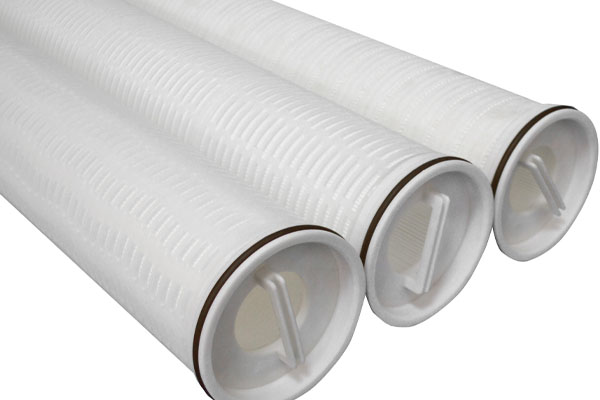
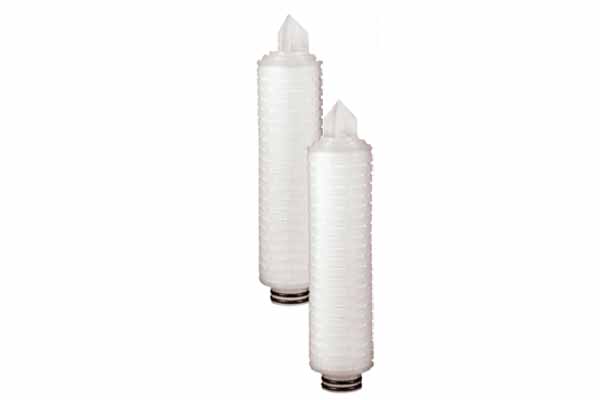
- High-Efficiency Gas/Liquid Coalescers: Installed downstream of the compressors, these specialized micro-glass filters intercept aerosols down to 0.1 microns. They force the microscopic oil and water mists to merge (coalesce) into large droplets that drain away, ensuring absolute "dryness" of the gas before it enters the catalyst bed.
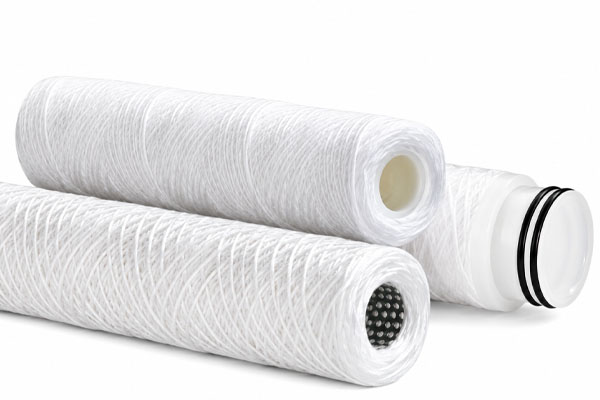
- Absolute-Rated Particulate Gas Filters: Designed with rigid internal cages and thick, resin-bonded media that will not suffer from "pleat flutter" under extreme gas velocities. These filters mechanically arrest 99.9% of sub-micron coke fines and iron sulfide, ensuring the reactor bed remains perfectly clean and hydraulically balanced.
By deploying absolute-rated fine filtration, petrochemical operators spend a few thousand dollars on disposable cartridges to effectively insure millions of dollars worth of catalyst, compressor integrity, and continuous polymer-grade yield.