Your primary filter supplier is out of stock, and your production is at risk. This single point of failure can halt operations, creating a crisis you can’t afford.
The best safety stock strategy isn’t about hoarding filters. It’s about creating a brand-neutral technical standard. This allows you to pre-qualify reliable alternative suppliers, like us at Ecofiltrone, ensuring you have a verified backup plan ready before a crisis ever hits.
The core of procurement is changing. It is no longer just about getting the lowest price. Today, it is all about supply chain resilience. Relying on a single big-brand supplier is a huge risk in today’s unpredictable global market. A single disruption can bring your entire operation to a standstill. I want to show you a better way. It is a strategy that moves beyond simply stocking more boxes and instead builds a robust, flexible system. This system will protect your operations from supply chain shocks. Let’s dive into how you can build a true "safety stock" of technical plans and trusted partners.
When a big brand encounters force majeure and runs out of stock, how does your factory maintain 24/7 uninterrupted operation?
Your main supplier suddenly can’t deliver your high-flow filters. Your production line is in danger. Every hour of downtime costs you money and hurts your reputation.
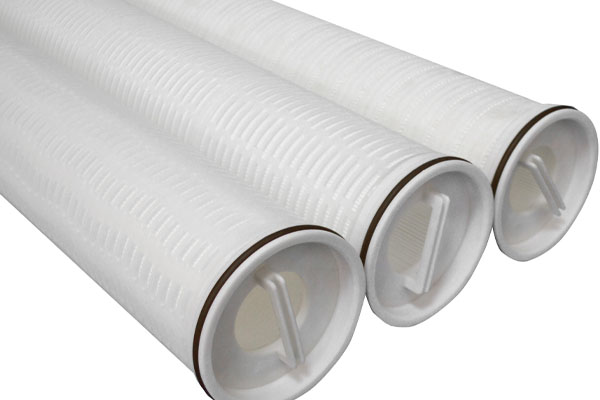
You maintain continuous operation by having a pre-qualified secondary supplier on standby. Their filter cartridges must be technically validated to match your existing system’s performance. This ensures a quick, seamless switch without compromising quality or safety, keeping your plant running smoothly.
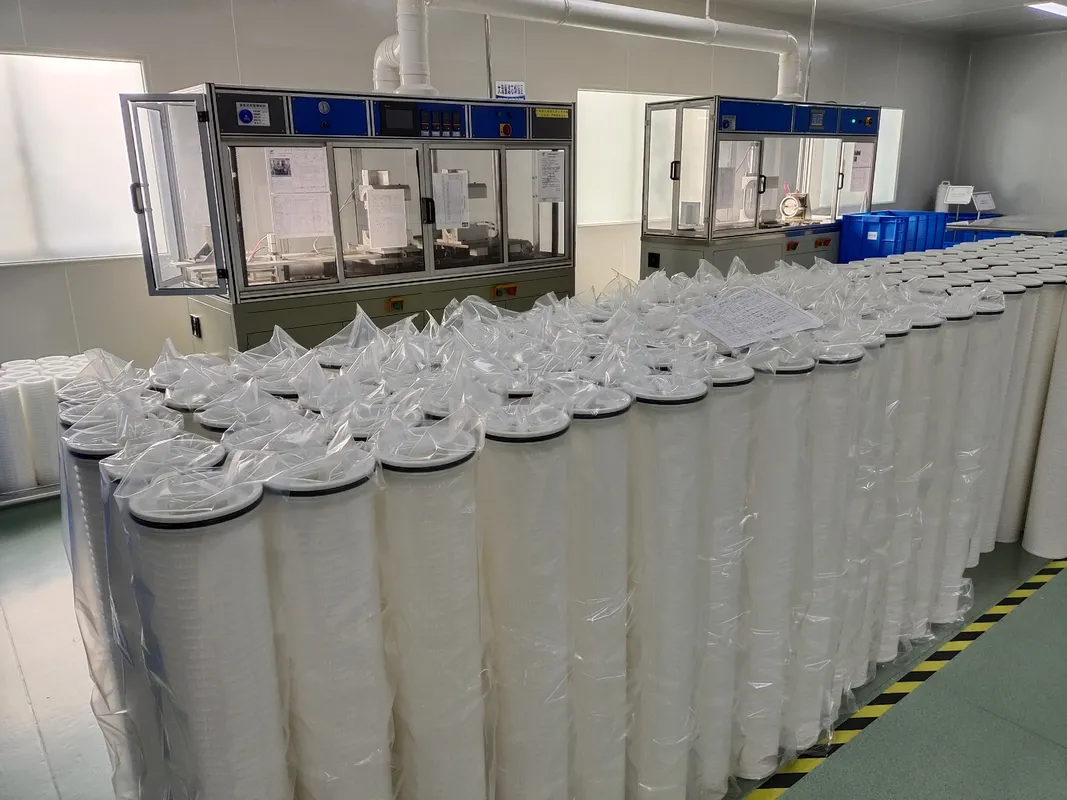
I spoke with a project manager at a large desalination plant recently. His primary supplier, a major international brand, declared force majeure due to a raw material shortage. His plant was facing a potential shutdown, which would have been catastrophic. Luckily, he had worked with us a year earlier to qualify our high-flow filter cartridges as a secondary source. We had already matched all the technical specifications and run successful pilot tests. When he called us in a panic, we were able to dispatch a full shipment from our facility within 48 hours. His plant switched over to our filters without a single hour of lost production. This is the power of a proactive strategy. The real cost of downtime is not just lost output; it includes labor costs for idle workers, potential penalties for missed delivery targets, and long-term damage to your brand’s reliability. Vetting a partner like Ecofiltrone is a small investment that provides a massive insurance policy against these much larger risks.
How to establish a set of "brand-neutral" technical access standards to achieve seamless switching among multiple suppliers?
You feel locked into one expensive brand. Finding a reliable alternative feels like a huge risk. You worry that a different filter will not fit or will fail, damaging expensive downstream equipment.
You establish a brand-neutral standard by focusing only on core technical specifications. Document critical parameters like filtration rating, dimensions, materials, and flow rate performance. This creates a universal checklist that any potential supplier must meet, removing brand bias from your decision.
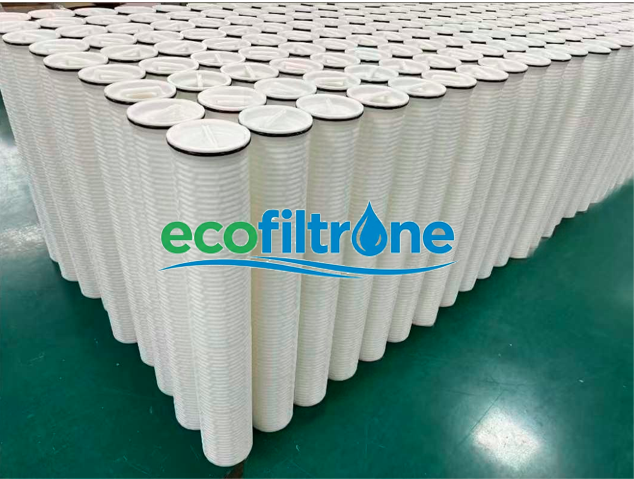
True supply chain security comes from having options. To get there, you need to stop buying a brand name and start buying based on performance specifications. You need to create your own technical scorecard. This scorecard becomes your internal standard of quality and compatibility. It allows you to evaluate any supplier, whether it’s the original brand or an alternative like us, on a level playing field. I’ve helped many of our clients build these standards. It starts by extracting the core data from your current filters’ technical data sheets and your system’s operational requirements. This is your foundation. Here is a simple table you can use to build your own "brand-neutral" standard.
Your Brand-Neutral Technical Checklist
| Parameter | Your Specification | Why It Matters |
|---|---|---|
| Filtration Rating (Micron) | e.g., 5 Micron Absolute (99.9%) | Defines the size of particles removed to protect downstream equipment like RO membranes. |
| Dimensions (Length/Diameter) | e.g., 40-inch / 6.5-inch OD | Must match your existing filter housing perfectly to prevent bypass and ensure proper installation. |
| End Cap Configuration | e.g., 226 O-ring with spear | Ensures a perfect, leak-proof seal within the housing. The wrong style will not work. |
| Gasket/O-ring Material | e.g., EPDM, Viton | Must be chemically compatible with your process fluid and temperature to prevent degradation and leaks. |
| Max. Differential Pressure | e.g., 3.4 bar @ 20°C | Determines the filter’s structural integrity and tells you when it needs to be replaced. |
With this checklist, you can confidently approach a manufacturer like Ecofiltrone. You can simply give us your specs, and we can provide a technically equivalent product, often with a better lead time and cost.
Why should "safety stock" not be about hoarding goods, but rather establishing a set of technical backup plans?
You have a warehouse full of expensive filter cartridges tying up your company’s capital. These filters take up valuable space and might expire or become obsolete if your process changes.
Hoarding physical goods ties up cash and creates waste. A technical backup plan, which is a list of pre-approved alternative suppliers and their qualified products, provides supply chain flexibility without the high capital cost and storage burdens of excessive physical inventory.
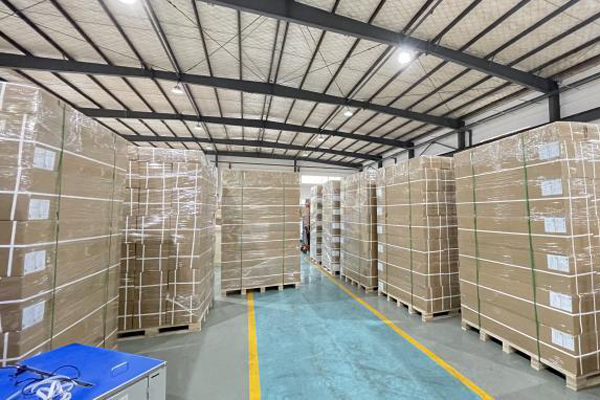
Let’s think about this differently. What is more valuable: a warehouse full of filters you might not need, or a verified list of partners who can supply what you need, when you need it? Hoarding physical stock is a static solution in a dynamic world. It locks your money into a single product type. A technical backup plan, however, is an agile strategy. It’s about building relationships and qualifying products ahead of time. This approach keeps your capital free for other investments and protects you from risks like product degradation on the shelf or changes in your own system requirements. You are not just stocking filters; you are stocking options. When we at Ecofiltrone become your qualified secondary supplier, you are essentially adding our entire production capacity and inventory to your strategic reserves, without spending a dime on warehousing. This is the smartest way to build resilience.
Physical Inventory vs. Supplier Inventory
| Feature | Hoarding Physical Stock | Building a Technical Backup Plan |
|---|---|---|
| Capital Outlay | Very high | Low (only the cost of testing/vetting) |
| Storage & Insurance Costs | High and ongoing | Zero |
| Risk of Obsolescence | High (process or equipment might change) | Very low |
| Flexibility | Low (locked into one product) | High (can adapt to new needs) |
| Supply Resilience | Limited to what’s on your shelf | High (access to supplier’s full capacity) |
This modern approach transforms your supply chain from a potential liability into a strategic advantage.
Conclusion
True supply chain security isn’t about having more stock; it’s about having more verified options. Build your technical standards, qualify reliable partners, and turn your supply chain into a resilient asset.