Your semiconductor fab needs perfectly pure water. But new filters often pollute your system with organics, delaying production. We’ll show you how to solve this hidden contamination problem for good.
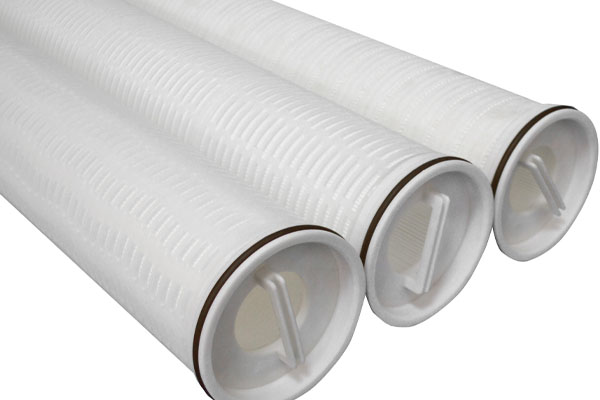
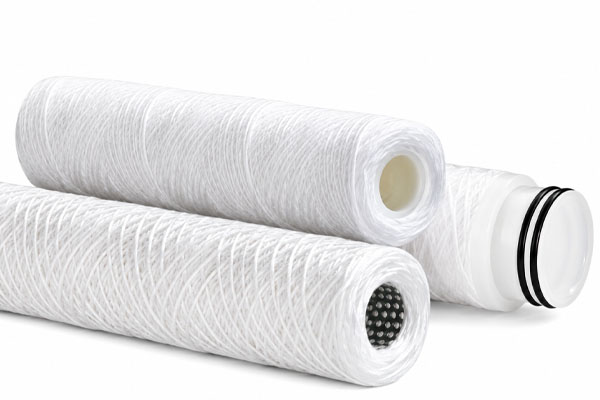
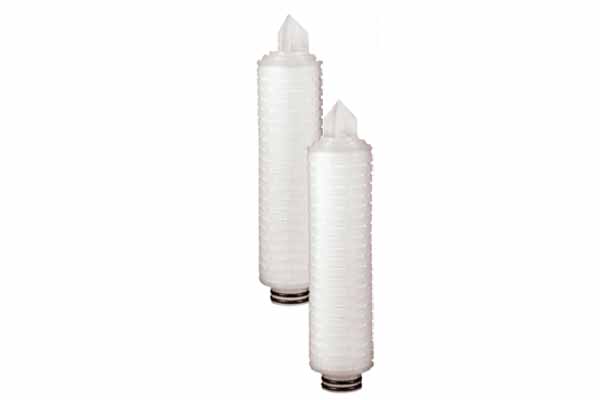
High-flow filter cartridges meet the demand for "zero pollution" by using ultra-clean materials and undergoing a rigorous pre-flush with 18MΩ ultrapure water before shipping. This process removes trace leachates, ensuring the filter is pure upon installation and protecting your sensitive manufacturing process from contamination.
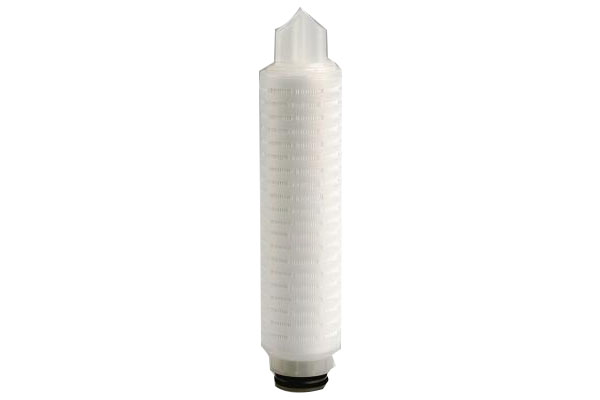
The demand for smaller, more powerful microchips has pushed the need for water purity to an unbelievable level. In this world, even the smallest impurity can ruin an entire batch of wafers. Many engineers focus on the water source, but they often overlook a critical component: the filter cartridge itself. A filter is meant to remove contaminants, but what if it’s secretly adding them? Let’s dive into this critical issue and explore how we ensure our filters are part of the solution, not the problem.
Why can’t the TOC (Total Organic Carbon) index meet the standard for a long time after the filter element is installed?
You just installed new high-flow filters. But your Total Organic Carbon (TOC) levels are still too high. This forces long, costly flushing cycles and puts your production schedule at risk.
High TOC levels after installation come from organic residues left over from the filter manufacturing process. Things like lubricants, surfactants, and binding agents slowly leach into your ultrapure water, preventing the TOC index from meeting the required standard for many hours or even days.
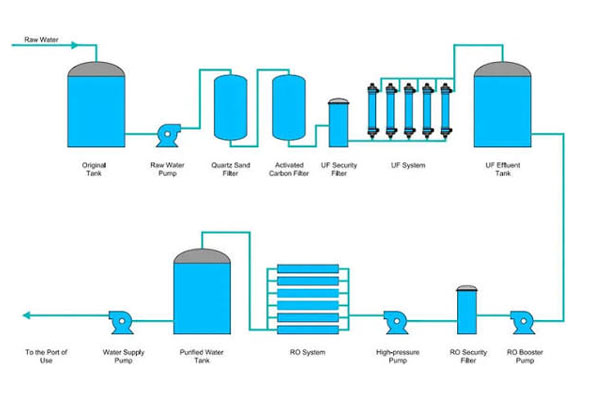
In the semiconductor industry, TOC is a critical measure of water purity. It represents the total amount of carbon tied up in organic compounds. Even tiny amounts can interfere with sensitive processes and cause defects on a wafer. When you install a brand-new filter cartridge, you expect it to clean your water immediately. The reality is often different. The filter itself can be a source of TOC contamination.
The Hidden Sources of Contamination
Standard filter cartridges are industrial products. Their manufacturing can involve various chemicals that are not fully washed away. These include:
- Mold Release Agents: Sprayed on molds to help release the plastic filter components.
- Surfactants: Used to help the filter media wet out properly.
- Adhesives: Sometimes used to bond end caps, which can release organic vapors.
These substances stick to the filter media. When you flush your system, they slowly dissolve into your ultrapure water. This is why you see a high initial TOC reading that takes a very long time to drop to acceptable levels.
The Cost of Flushing
This extended flushing period is not just an annoyance; it has real financial consequences. You are using expensive ultrapure water and energy just to clean your new filters. More importantly, your production line is down. The table below shows a typical scenario comparing a standard filter to one of our pre-cleaned filters.
| Flushing Time (Hours) | Standard Filter TOC (ppb) | Ecofiltrone Pre-Flashed Filter TOC (ppb) |
|---|---|---|
| 0 (Installation) | > 50 ppb | < 5 ppb |
| 4 | 25 ppb | < 1 ppb (Meets Spec) |
| 8 | 10 ppb | < 1 ppb (Meets Spec) |
| 16 | 5 ppb | < 1 ppb (Meets Spec) |
| 24 | < 1 ppb (Meets Spec) | < 1 ppb (Meets Spec) |
As you can see, the time to reach your target purity is drastically reduced. This is a direct result of addressing the leachate risk before the filter ever reaches your facility.
What is the "leachate risk" of filter elements? What devastating effects does it have on the cleaning of precision wafers?
You think your filter is just a physical barrier. But it could be slowly releasing invisible chemicals into your pure water. This hidden contamination can cause disastrous defects on your wafers.
"Leachate risk" is the danger of chemical contaminants "leaching" or bleeding out from the filter material itself. In wafer cleaning, these leachates can cause surface haze, change electrical properties, and create "killer defects" that lead to device failure and significant yield loss.
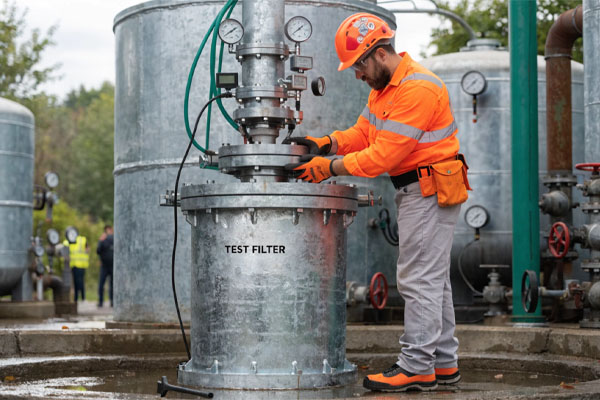
A filter is designed to trap particles. But the materials it’s made from—polypropylene, adhesives, and other plastics—can release tiny amounts of chemical residues. We call these "leachates." In most industrial applications, these trace amounts are harmless. But in semiconductor manufacturing, they are a major threat. A single water spot caused by a surfactant leachate can prevent the delicate circuits from forming correctly on a wafer.
How Leachates Destroy Wafers
The damage happens on a microscopic level. Ultrapure water is used to rinse wafers perfectly clean between complex processing steps. If that water contains leachates, you’re not rinsing the wafer; you’re coating it with a new layer of contamination.
- Surface Tension Changes: Surfactants from a filter can lower the surface tension of the rinse water. This causes water to "sheet" improperly and leave behind patterns and residues when it dries.
- Organic Films: Plasticizers and antioxidants can leave an ultra-thin organic film on the wafer surface. This film can interfere with the next step, like deposition or etching, leading to a complete failure of that chip.
Common Leachates and Their Impact
We’ve spent years identifying and eliminating these risks in our own manufacturing. Here are some of the culprits we look for and why they are so dangerous for your process.
| Leachate Type | Potential Source in Filter | Devastating Effect on Wafer |
|---|---|---|
| Surfactants | Residual from media production | Causes water spots and uneven drying |
| Adhesives | Bonding of end caps and seams | Creates organic haze and surface defects |
| Antioxidants | Mixed into raw polypropylene | Can alter the electrical properties of the wafer surface |
| Mold Release Agents | Manufacturing of plastic parts | Leaves a hydrophobic film, preventing proper cleaning |
Understanding this risk is the first step. The next is to ask how your filter supplier eliminates it. Simply using "clean" materials is not enough. The manufacturing process itself must be designed for ultimate purity.
Is the 18MΩ ultra-pure water Pre-flush process really "over-packaging"?
Some might say a deep, pre-shipment flush is excessive. They see it as an unnecessary cost. But this view ignores the huge cost of system downtime and contamination risk you face.
The 18MΩ ultrapure water pre-flush is not "over-packaging," it is essential quality assurance. This step removes manufacturing residues at our factory, so you don’t have to. It ensures your filters are truly clean on arrival, saving you time, money, and protecting your yield.
A few years ago, a potential customer told me, "Other suppliers don’t do this. Isn’t this just over-packaging?" I explained that our goal is to deliver a product that works perfectly out of the box. For the semiconductor industry, "working perfectly" means being perfectly clean. The pre-flush process is how we guarantee that cleanliness. It’s not an add-on; it’s a core part of our manufacturing philosophy. We take on the burden of cleaning the filter so our customers can focus on making chips, not flushing their water systems.
Our Commitment to Purity
We built our process around this idea. It starts in our 100,000-level clean production workshop. After a filter cartridge is assembled using advanced ultrasonic welding to avoid adhesives, it goes through our proprietary deep cleaning process.
- The Ultimate Cleaning Agent: We use 18MΩ ultrapure water. Water this pure is highly aggressive and acts as a powerful solvent. It effectively strips away any trace organic residues left over from manufacturing.
- Controlled Process: Each filter is flushed until the outlet water’s resistivity and TOC levels meet electronic-grade standards. We test and verify this for every batch.
The Tangible Benefits for You
This meticulous process isn’t just for show. It delivers real, measurable advantages for your operations. By moving the cleaning step from your facility to ours, we provide a product that is truly plug-and-play.
| Feature | Standard Industrial Filter | Ecofiltrone Pre-Flashed Filter |
|---|---|---|
| Installation State | Contains manufacturing residues | Certified ultra-clean and ready for use |
| Required System Flush Time | 24 – 48 hours | Often less than 12 hours |
| Startup TOC Level | High, requires long rinse-down | Meets specification almost instantly |
| Contamination Risk | High | Negligible |
Ultimately, this process is about risk management. We are proactively removing a major variable from your sensitive process. This reduces your startup time by more than 50% and gives you confidence that your filtration system is a guardian of purity, not a source of contamination.
Conclusion
Our pre-flush process ensures your ultrapure water system starts clean and stays clean. This protects your investment, your wafers, and your final product yield from the very first drop.