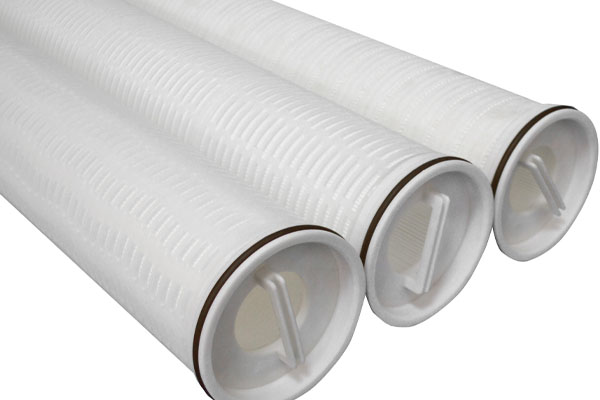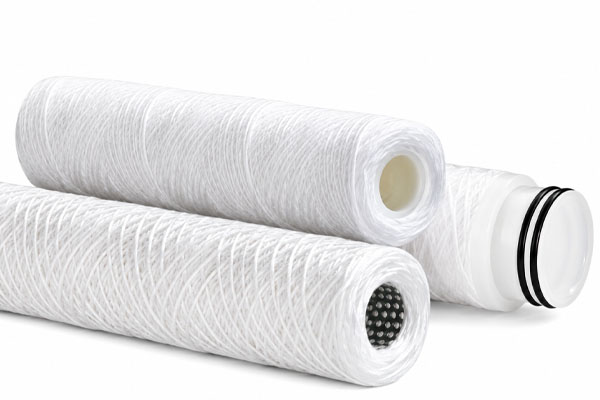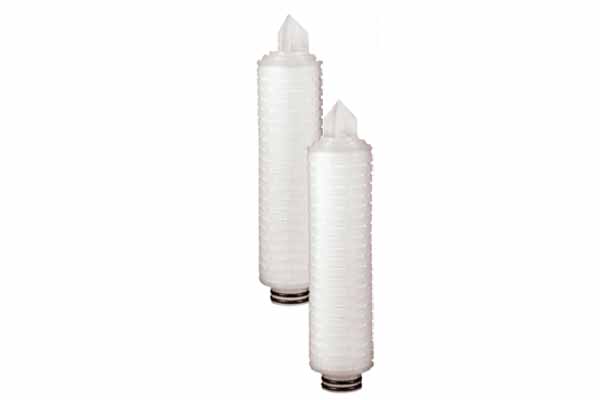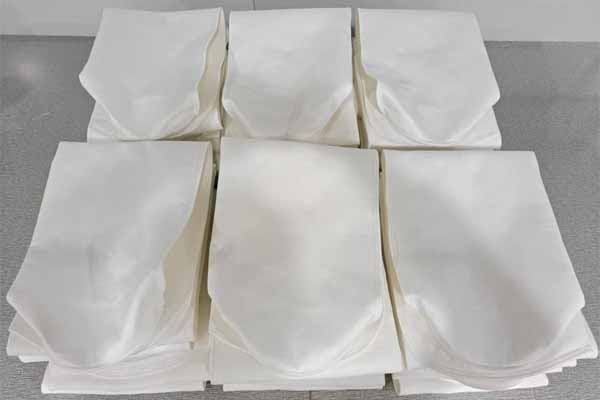
Your new filter cartridge fits perfectly. But under high load, the system starts to vibrate. This hidden problem could be damaging your equipment and silently increasing operational risks.
When replacing 3M High Flow filters, matching the size is not enough. The filter’s internal design must withstand the forces of high-velocity fluid. We use fluid dynamics simulation to ensure our filters remain stable, preventing vibration, pleat collapse, and fiber migration under maximum load.
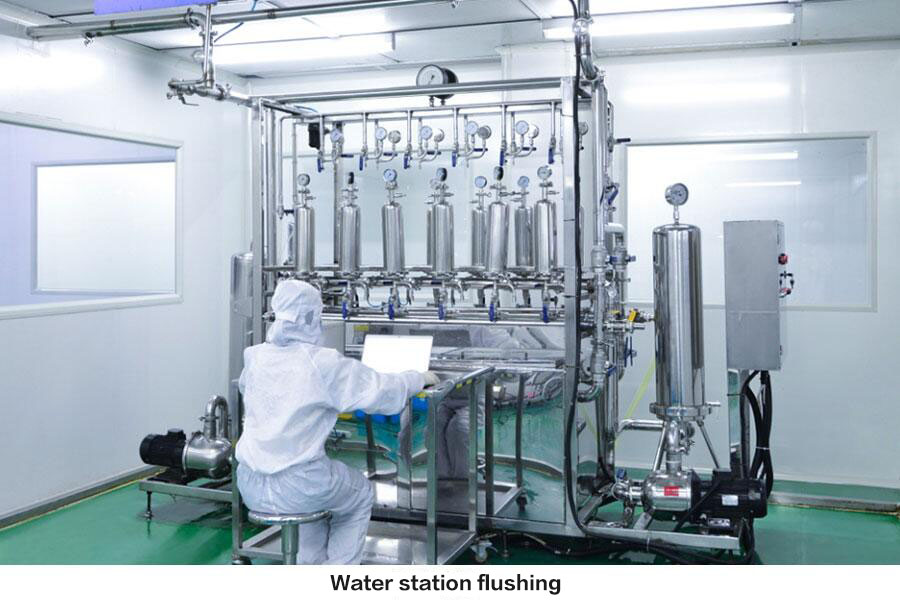
I’ve seen this happen many times in my career. A project manager sources a replacement filter that looks identical to the original 3M part. It fits the housing, the micron rating is correct, and the initial cost savings are great. But a few weeks later, strange problems appear. It’s a technical trap that many people miss because the real performance issues are invisible. They are hidden in the world of fluid dynamics.
Let’s explore the details that separate a simple copy from a true engineered replacement.
Why do replacement filter elements of exactly the same size cause system vibration or abnormal noise under high-load operation?
Your system suddenly develops a new hum or vibration after a filter change. This isn’t just an annoyance. It’s a warning sign that the filter cannot handle the flow.
Vibration happens when the fluid’s force makes the filter’s internal structure resonate. A poorly supported pleat pack or a weak core can’t stand up to high-velocity flow. This creates instability that you can hear and feel throughout your piping system.
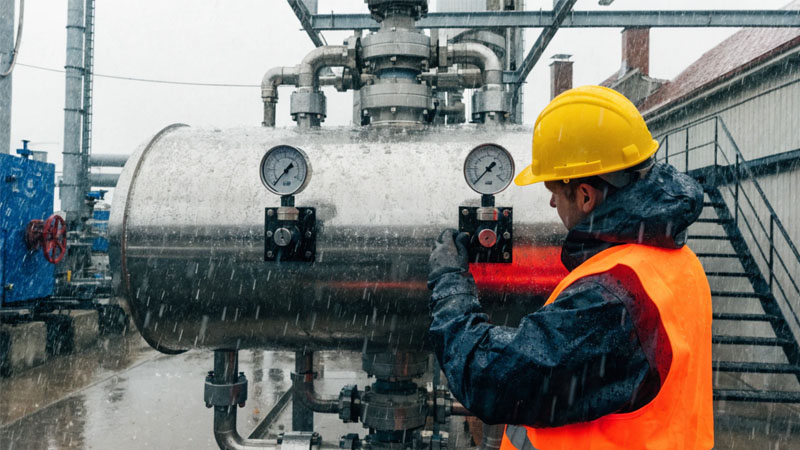
When you push a large volume of water through a filter cartridge at high speed, you are creating powerful forces. The fluid doesn’t just flow smoothly; it creates turbulence and pressure spots. If the replacement filter wasn’t designed specifically for these conditions, its internal components can start to flutter, just like a flag in a strong wind. This fluttering is the source of the vibration. In my experience, this often points to an issue with the core strength or the way the pleat pack is supported. A simple geometric copy often misses these crucial structural reinforcements.
The Problem of Resonance
Every system has a natural frequency. If the filter’s vibration matches this frequency, the problem gets much worse. This is called resonance. It can amplify the vibration, leading to:
- Loosened pipe fittings
- Damage to pumps and valves
- Premature failure of the filter housing seals
Our Design Approach to Stability
At Ecofiltrone, we don’t just copy dimensions. We analyze the fluid dynamics. We use computer simulations to see how the filter will behave under maximum operational stress. This allows us to reinforce the structure where it’s needed most.
| Feature | Standard Replacement Design | Ecofiltrone Optimized Design |
|---|---|---|
| Central Core | Standard thickness plastic | Reinforced, ribbed structure |
| Pleat Support | Simple outer cage | Integrated support layers & rigid cage |
| End Cap Bonding | Standard thermal bond | Ultrasonic welding for a solid, single piece |
By engineering for stability from the start, we eliminate the risk of flow-induced vibration. This protects your entire system and ensures our filters operate quietly and reliably, even when your process is running at 100% capacity.
What is "Pleat Collapse"? How does it quietly ruin your filtration accuracy?
Your system’s pressure drop is increasing faster than expected. You have to change filters more often. This could be a silent problem called "Pleat Collapse" that is destroying your filter’s performance.
Pleat collapse is the structural failure of the filter media under high pressure. The pleats bend and press together, blocking flow paths. This drastically reduces the effective filtration area, lowers efficiency, and can even release trapped contaminants back into your system.
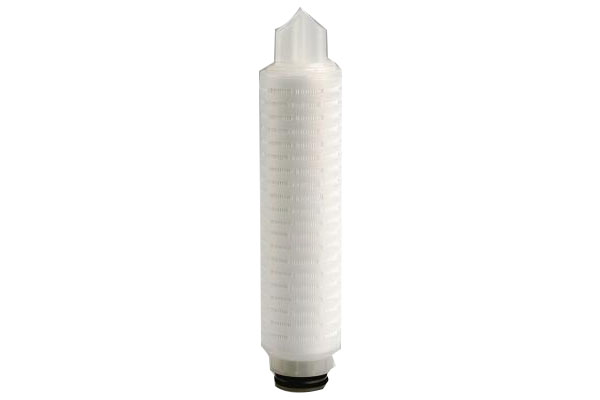
Think of the pleats as the engine of your filter. They are designed to maximize the surface area for filtration in a compact space. When a high flow rate creates a strong pressure difference across the filter, it puts immense force on each of these pleats. If the filter media or the support structure is not strong enough, the pleats will literally fold in on themselves. Once this happens, that part of the filter is no longer working. I have cut open failed filters where over half of the surface area was completely blinded due to pleat collapse. The customer was unaware; they only knew that their operational costs were going up because of frequent filter changes.
The Domino Effect of Collapse
Pleat collapse isn’t a single event. It’s a chain reaction that gets worse over time.
- Initial Collapse: A few weak pleats buckle under the pressure.
- Flow Rerouting: Fluid is forced through the remaining open pleats at an even higher velocity.
- Accelerated Failure: This increased force causes adjacent pleats to collapse, leading to rapid clogging.
This process not only shortens the filter’s life but also compromises its performance. The filtration accuracy you depend on is lost.
| Cause | Consequence |
|---|---|
| Weak filter media material | Reduced effective filtration area |
| Poor pleat pack support | Increased pressure drop (ΔP) |
| Sudden pressure surges | Shortened filter service life |
| High fluid viscosity | Potential for contaminant unloading |
At Ecofiltrone, we prevent this by focusing on the mechanical strength of the pleat pack. We use high-quality, rigid filter media and design our support layers to maintain pleat separation, even under the most demanding industrial conditions.
Under 100% full-load flow, how can fluid simulation be used to ensure that the filter material does not undergo fiber migration?
You need perfectly clean fluid for your process. But what if your filter is the source of the contamination? This is the danger of fiber migration, a critical failure that can be prevented.
Fiber migration is when tiny fibers from the filter media itself break off and enter your clean fluid stream. We use Computational Fluid Dynamics (CFD) simulation to analyze the shear stress on the media at maximum flow, ensuring our material bonding is strong enough to prevent any fibers from escaping.
This is one of the most serious failure modes for a filter, especially in sensitive applications like electronics or food and beverage. For a Procurement Engineer, choosing a filter that sheds fibers can lead to downstream equipment damage or product recalls. This risk is highest when the system is running at full capacity. The high-velocity flow creates a "shearing" force that can literally tear loose fibers from the filter media. Simply looking at a filter won’t tell you if it’s at risk. You have to test it under the most extreme conditions. This is where our R&D process makes a huge difference. We don’t wait for a physical failure; we simulate it.
Simulating the Unseen: CFD in Action
CFD is a powerful tool that allows us to create a virtual model of our filter. We can then simulate the exact flow rate, pressure, and fluid type from a customer’s real-world system. The software shows us exactly where the areas of highest stress are on the filter media. We can see the forces trying to pull fibers loose. This data allows us to optimize our manufacturing process, particularly our use of ultrasonic welding, which creates a strong, clean bond without any adhesives that could become a source of contamination.
Our Process to Guarantee Zero Fiber Migration
| Step | Action | Outcome |
|---|---|---|
| 1. Digital Modeling | We create a precise 3D model of the filter’s pleat structure. | A virtual prototype for testing. |
| 2. Flow Simulation | We input the maximum flow and pressure conditions. | We identify high-stress "hot spots" on the media. |
| 3. Material Analysis | We analyze the shear forces against the known strength of our media. | We confirm the design can withstand the forces. |
| 4. Design Validation | We adjust the pleat geometry or support structure if needed. | A final design guaranteed to prevent fiber migration. |
This rigorous, simulation-driven approach is how we can confidently provide an alternative to major brands. We ensure our filters not only fit but perform safely and reliably, protecting the purity of your downstream product.
Conclusion
Replacing 3M high-flow filters requires more than matching dimensions. True performance lies in fluid dynamics. Our engineered solutions guarantee structural stability and filtration integrity, even under the most extreme conditions.