You’re pressured to meet ESG goals by choosing "eco-friendly" filters. But many use weak, recycled materials that fail quickly, costing you more and creating more waste in the long run.
To identify the scam, focus on performance data over marketing claims. Scrutinize the filter’s structural integrity, pressure drop ratings, and dirt-holding capacity. True eco-friendliness comes from a longer service life which reduces waste and operational costs, not from using recycled materials that compromise performance.
It’s easy to get lost in the sea of "green" marketing that’s flooding our industry. Every supplier seems to have an eco-friendly story. But when you are responsible for the performance and budget of a critical industrial system, you need to look beyond the labels. Let’s break down what true sustainability means for high-flow filters and how you can make a choice that is genuinely good for both the planet and your operational budget.
Are Green Claims in Industrial Filtration Genuine, or Just Marketing?
ESG targets are pushing you towards "green" suppliers. But vague standards and clever marketing make it incredibly hard to tell what’s genuinely sustainable and what’s simply "greenwashing."
Authentic environmental standards in filtration focus on the total lifecycle impact. This includes manufacturing energy, operational efficiency, and most importantly, service life. A filter with a longer lifespan, even if made from virgin materials, often has a smaller overall environmental footprint than a short-lived recycled one.
The pressure to be environmentally conscious is real, and I see it in conversations with procurement managers every day. The term ESG (Environmental, Social, and Governance) is no longer just a buzzword; it’s a core part of corporate strategy. In response, many filter manufacturers have started promoting cartridges made from "recycled materials." On the surface, this sounds like a perfect solution. You get to check the "recycled content" box on your sustainability report. But in my 10+ years in this industry, I have learned that this is often a dangerous trade-off.
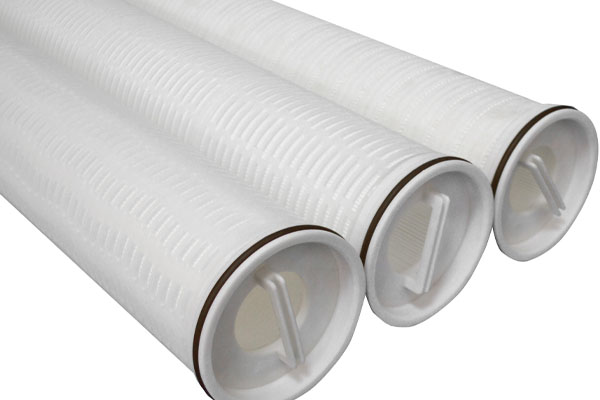
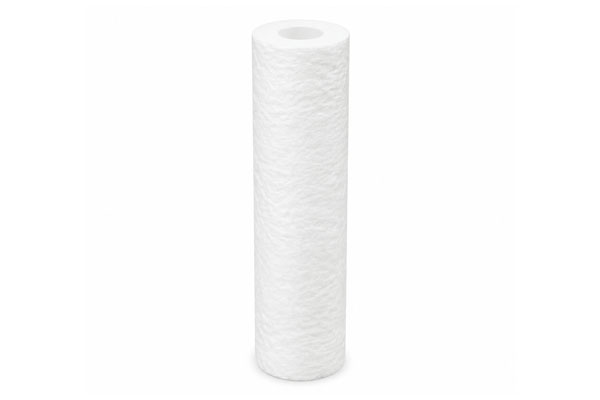
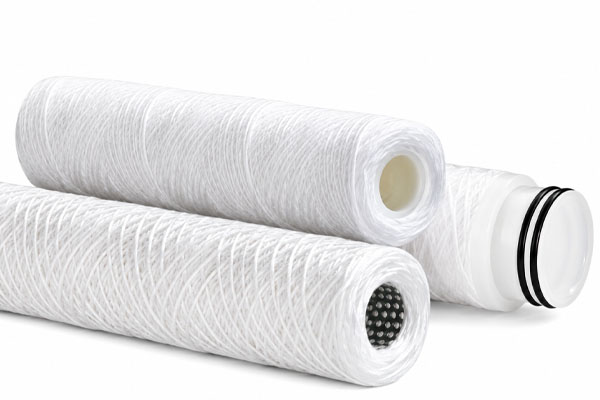
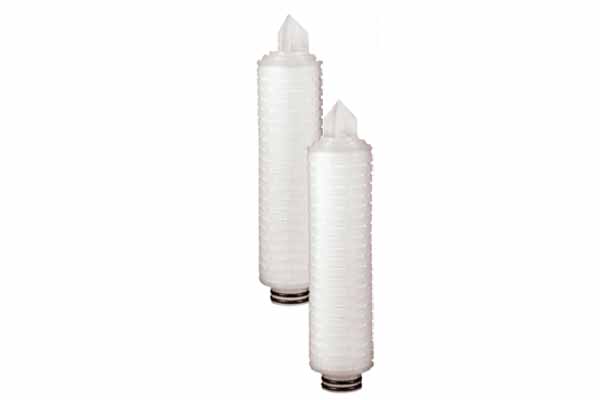
Recycled plastics can have inconsistent polymer chains, which often leads to lower tensile strength and reduced chemical resistance. For a high-flow filter operating under intense pressure in a power plant or a petrochemical facility, this is a massive risk. A structural failure doesn’t just mean a messy replacement; it can lead to catastrophic downstream contamination and costly system shutdowns. True environmental protection in our field is about longevity. A filter that lasts twice as long cuts waste in half. It means half the number of spent cartridges going to a landfill, half the carbon emissions from shipping replacements, and half the labor costs for change-outs. That is true waste reduction.
| Feature | "Eco-Friendly" Recycled Filter | High-Longevity Ecofiltrone Filter |
|---|---|---|
| Material Source | Post-consumer recycled plastics | Premium-grade virgin polypropylene |
| Structural Integrity | Potentially compromised, lower strength | High, consistent, and reliable |
| Expected Service Life | Shorter, leading to frequent replacement | Extended, often 2x or more |
| Total Waste Generated | Higher (more used filters, packaging) | Lower (fewer used filters, packaging) |
| True Eco-Impact | Questionable due to high waste volume | Genuinely lower over the full lifecycle |
How Does Filter Longevity Directly Impact Your Operational Costs and ESG Score?
You’re trying to cut operational expenses (OPEX) while improving your company’s ESG score. But frequent filter change-outs inflate labor costs, cause downtime, and generate massive amounts of waste.
Longer filter life directly reduces OPEX by lowering replacement frequency, labor costs, and disposal fees. For ESG reports, it means less landfill waste, a smaller carbon footprint from manufacturing and transport, and improved operational efficiency—all key metrics for demonstrating genuine sustainability.
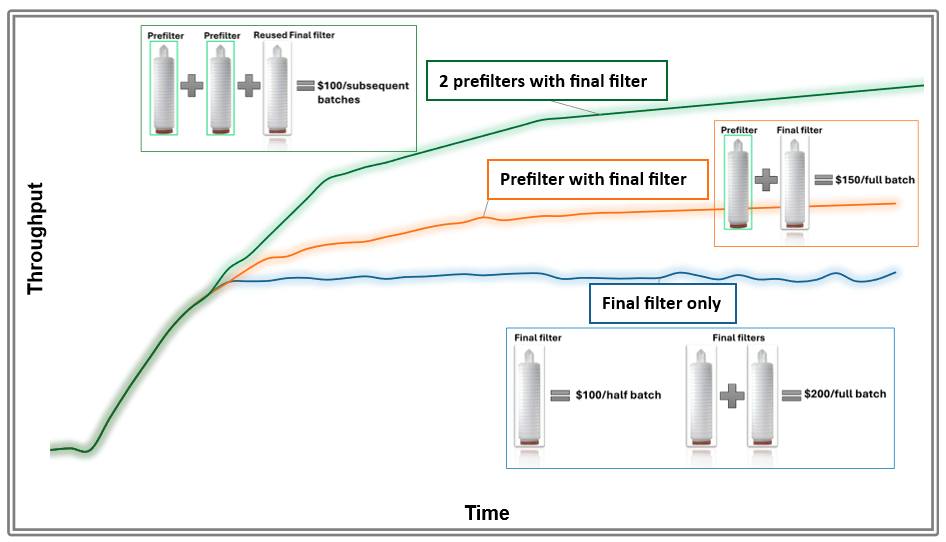
I recently worked with a project manager at a large seawater desalination plant. He was using filters from another brand and had to replace them every three months, like clockwork. He thought this was just a standard cost of doing business. The problem was, he was only looking at the purchase price of the filter. He wasn’t calculating the Total Cost of Ownership (TCO). When we sat down and mapped it out, the true cost became obvious. It wasn’t just the price of the cartridge; it was the hours of labor for the maintenance crew, the logistics of ordering and storing new inventory, the fees for disposing of the spent filters, and most importantly, the brief but costly system downtime during every single change-out.
By switching to our high-flow cartridges, which are designed for longevity, he extended his replacement cycle to over six months. He immediately cut his indirect operational costs in half. This is the kind of tangible saving that makes a huge difference to the annual budget. From an ESG perspective, the story is even better. Less waste is a clear, measurable win. Fewer shipments mean a smaller carbon footprint. A more efficient system with a stable, low pressure drop can even reduce energy consumption. This is the data that transforms an ESG report from a list of promises into a record of real achievements.
Breaking Down the Total Cost of Ownership
| Cost Category | Short-Lifespan Filter (3-Month Cycle) | Long-Lifespan Filter (6-Month Cycle) |
|---|---|---|
| Filter Purchases (Annual) | 4 units per housing | 2 units per housing |
| Labor for Change-outs | 4x annual labor cost | 2x annual labor cost |
| System Downtime | 4x annual downtime events | 2x annual downtime events |
| Waste Disposal Fees | Fees for 4 used filters | Fees for 2 used filters |
| Annual Savings | – | ~50% Reduction in Indirect Costs |
What Technical Specifications Should You Check to Verify a High-Flow Filter’s Longevity?
Every supplier claims their filters are "high quality" and "long-lasting." But wading through technical data sheets to find the truth is time-consuming, and it can be hard to know what to look for.
To verify longevity, check the filter media’s structure (is it gradient-density?), the dirt-holding capacity (DHC), and the construction method. A high DHC, combined with a robust build and smart media design, indicates the filter can capture more contaminants before it needs replacement.
As an engineer, I’ve learned to ignore the marketing slogans and go straight to the data sheet. The numbers tell the real story. When a supplier tells you their product is "durable," you should ask them to prove it with technical specifications. If they can’t or won’t provide this information, consider it a major red flag. A reputable manufacturer will always be transparent about their product’s performance data because they are proud of it. Here are the three key areas I always examine to determine if a filter is truly built to last.
1. Gradient-Density Media Structure
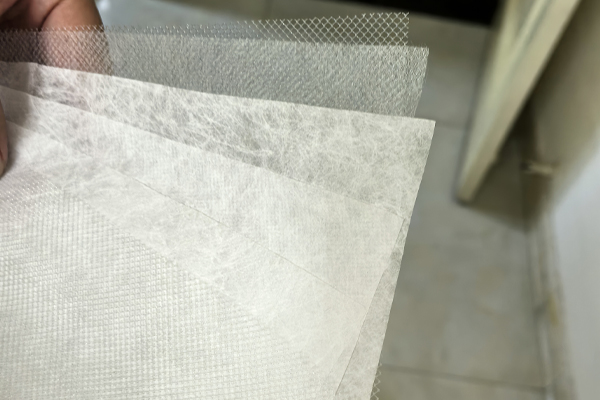
This is one of the most important factors for a long service life. A gradient-density design means the filter media is coarser on the outside and gets progressively finer toward the core. This allows the filter to capture larger particles on the outer layers while saving the inner layers for finer contaminants. It uses the entire depth of the filter media, preventing the surface from blinding off prematurely. A simple, single-density filter clogs up quickly, leading to a rapid increase in pressure drop and a much shorter life.
2. Dirt-Holding Capacity (DHC)
This is a direct measurement of how much contaminant a filter can hold before it is considered "full." It’s usually measured in grams or kilograms. A higher DHC number directly translates to a longer time in service. Always ask for the DHC data for the specific micron rating you need. This metric allows for a direct, apples-to-apples comparison between different suppliers and cuts through any vague marketing language.
3. Construction and Materials
Finally, look at how the filter is built. We use premium-grade, 100% virgin polypropylene because it provides consistent, reliable strength. More importantly, we use advanced ultrasonic welding technology to bond the components. This creates a single, solid cartridge with no adhesives. Adhesives can be a weak point, breaking down under chemical stress or high temperatures, and can also leach contaminants into your process fluid. Our weld-based construction ensures maximum durability and purity.
Conclusion
Don’t fall for the greenwashing trap. True sustainability in industrial filtration comes from longevity and efficiency, which reduces waste, cuts operational costs, and ensures your system’s long-term reliability.