Facing pressure to meet "Net Zero" goals? Your current filtration system might be a hidden source of high energy costs and waste, making sustainability targets seem impossible to reach.
High-flow filter elements help achieve "Net Zero" goals by significantly lowering pump energy consumption due to their optimized low-pressure-drop design. Their longer service life and higher capacity also mean fewer replacements, which drastically reduces consumable waste and the associated carbon footprint of manufacturing and disposal.
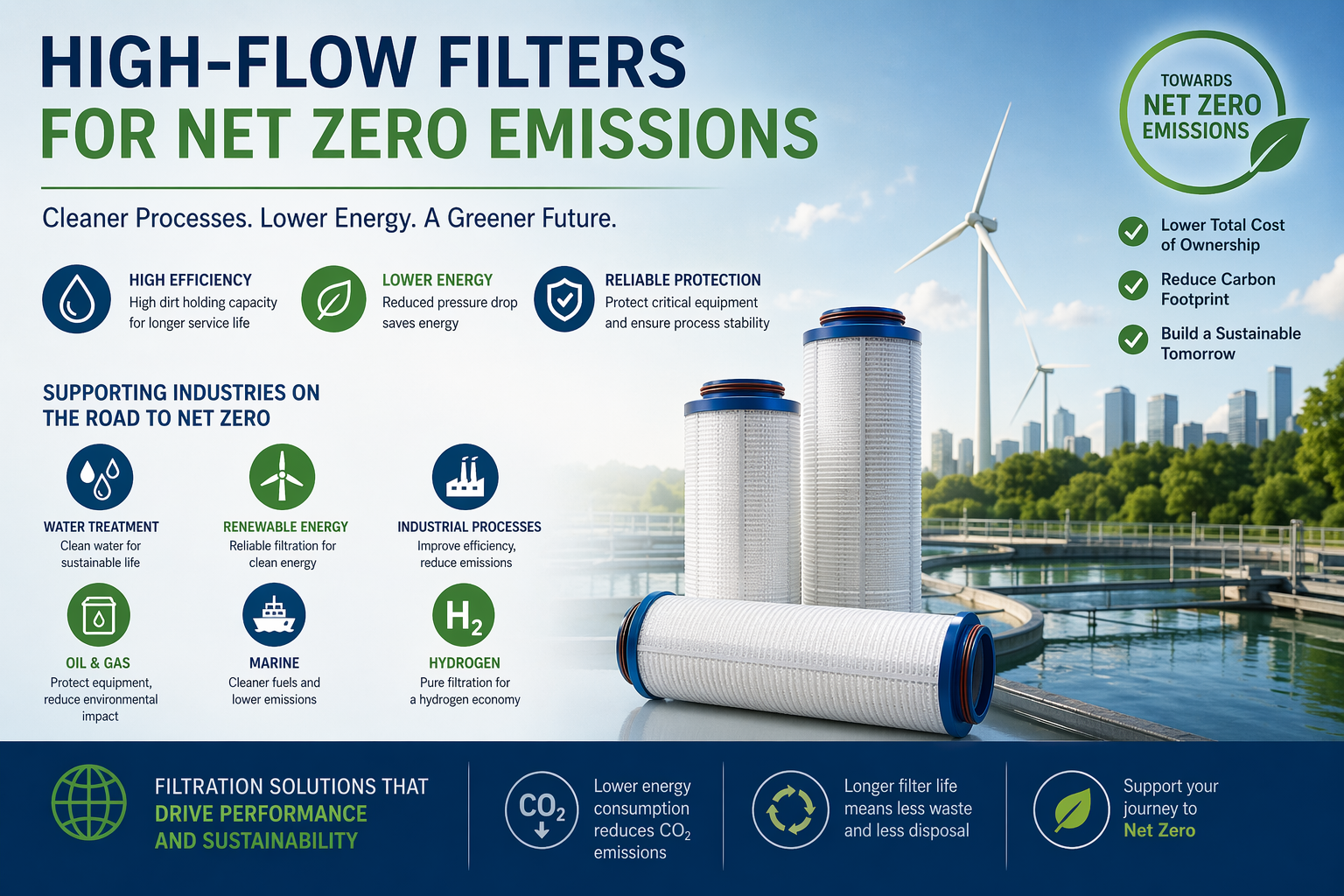
It is easy to think of filtration as just a necessary operational step. We focus on purity and flow rates. But in my 10+ years in this industry, I have seen how a small component can have a massive environmental impact. The conversation is shifting from just "is the water clean?" to "how can we clean it sustainably?" This shift is where high-flow filter elements truly shine. So, let’s look closer at how this technology works and makes a real difference.
How do high-flow filters reduce both waste and energy consumption at the same time?
Juggling operational costs with sustainability goals is a daily challenge. Frequent filter changes create mountains of waste, while inefficient systems burn through your energy budget, making progress feel slow.
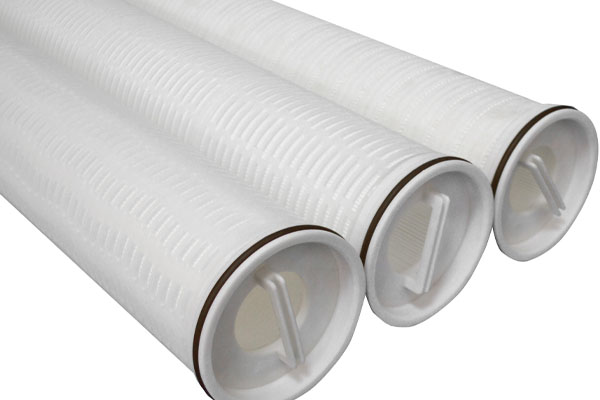
High-flow filters use a large-diameter, pleated media design. This allows one cartridge to do the work of many smaller ones, drastically cutting down on physical waste. This same efficient design also minimizes flow resistance, which directly lowers the energy your pumps need to operate.
The power of high-flow filters is how they solve two problems with one smart design. I have worked with many project managers, from water treatment plants to petrochemical facilities, who were amazed by this dual benefit once they saw it in action. It’s a simple switch with a compound effect.
The Waste Reduction Effect
First, let’s talk about physical waste. A single 60-inch high-flow cartridge can often replace 10, or even 20, standard 2.5-inch diameter cartridges. Think about that for a moment. It means less plastic or fiberglass media, less packaging, and less fuel used for shipping. For large-scale operations like a desalination plant, this change can reduce tons of solid waste annually. It also means your maintenance team spends far less time on filter change-outs, freeing them up for other critical tasks. At our ecofiltrone factory, we see this firsthand when we help clients find the right replacement for their existing systems.
The Energy Saving Mechanism
Second is the energy saving. This comes from reducing what we call "pressure drop." Imagine drinking a thick milkshake through a very narrow straw. It takes a lot of effort. A high-flow filter, with its large diameter and pleated design, is like a very wide straw. Water flows through it easily. This means your high-pressure pumps don’t have to work as hard to push the fluid through. Less work for the pump means less electricity used. For a system running 24/7, this small change adds up to massive energy and cost savings over the year. Here is a simple comparison to show the impact:
| Feature | Standard Filter System (e.g., 10 cartridges) | High-Flow Filter System (1 cartridge) |
|---|---|---|
| Initial Pressure Drop | High (e.g., 0.15 bar) | Low (e.g., 0.05 bar) |
| Pump Energy Use | Baseline | Significantly Lower |
| Annual CO2 Reduction | Standard | Potential for several tons |
By optimizing the flow path inside our cartridges, we help our clients directly lower their operational carbon footprint.
Conclusion
High-flow filter cartridges are more than just filtration parts. They are a strategic tool for sustainability, cutting both physical waste and energy consumption to help you reach Net Zero goals.