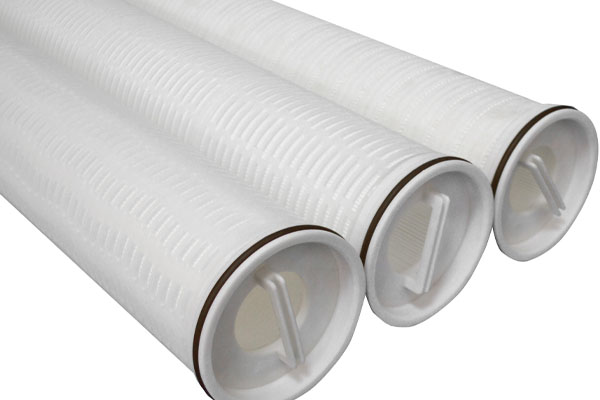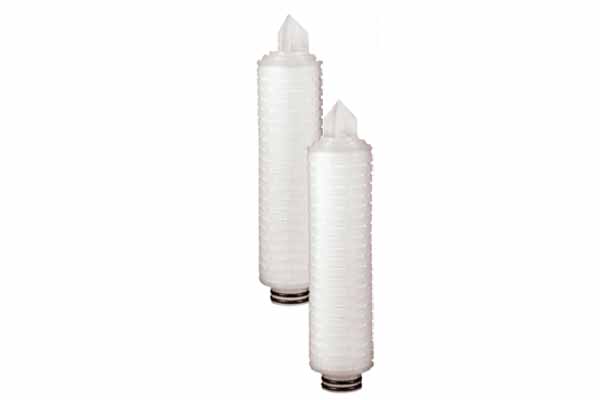
The Hardcore Technology and Selection Logic Behind Depth Filter Cartridges
In industrial fluid processing systems, the most overlooked component—and the one most likely to inflate operational expenses (OPEX)—is often the seemingly simple pre-filtration unit.
Many engineers frequently face these frustrating pain points: extremely short filter lifespans, rapidly spiking pressure drops (ΔP), or the frequent clogging of expensive downstream precision filters.
To solve these issues, we must step away from the "higher precision is always better" misconception and re-examine the core weapon of pre-filtration: Depth Filter Cartridges.
1. The Core Logic of Depth Filtration: Not a "Sieve", but a "3D Maze"
Unlike surface filtration (such as high-flow pleated filters, which rely on massive surface areas to intercept particles), the core mechanism of a depth filter lies in its thickness and three-dimensional structure.
- The Tortuous Path: As fluid passes through the filter wall, it must navigate a complex labyrinth of channels. Particles don’t just stay on the surface; they are trapped and adsorbed within the internal skeleton of the media. This structure grants it an exceptionally high Dirt-Holding Capacity (DHC).
- Graded Density Technology: High-quality depth filters (like premium melt-blown or string-wound cartridges) feature an "outer-sparse, inner-dense" structure. The larger outer pores intercept coarse particles, while the tighter inner pores control the final retention rating. This multi-layered interception is the key to preventing premature surface blinding (the filter cake effect) and maximizing service life.
2. The Selection Guide: Hidden Metrics You Can’t Ignore
In real-world procurement and system design, merely looking at the "Micron Rating" is far from enough.
- Absolute vs. Nominal Rating: Depth filters typically indicate a "Nominal Rating," meaning they capture most particles of that size, but not 100%. If the downstream application (like RO protection or pharmaceutical-grade fine filtration) is strict, you must verify