Your SWRO design seems to have an extra, maybe needless, step. This addition adds cost, making you question why it’s there. It’s actually a vital shield for your system.
A high-flow cartridge filter after a UF unit acts as a security filter. It is not for primary filtration but as an insurance policy to protect high-pressure pumps and RO membranes from a potential, catastrophic failure of the UF system itself, such as fiber breakage or seal bypass.
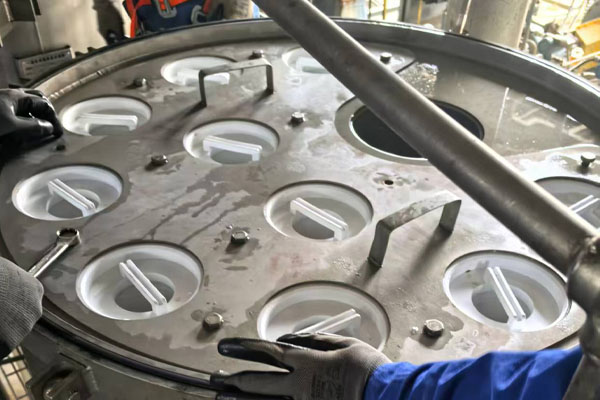
I often talk with project managers who look at a system design and ask, "Why are we putting a 5-micron filter after a 0.01-micron UF membrane? It feels backward." On the surface, it’s a great question. You’ve just used an advanced technology to get incredibly clean water, so why filter it again with something that seems much less effective? It’s a common point of confusion.
But in my 10+ years in industrial filtration, I’ve seen why this "belt-and-suspenders" approach is not just a habit, but a best practice that has saved companies millions. This security filter is one of the smartest, lowest-cost investments you can make in a multi-million dollar SWRO plant. Let’s break down exactly what risks it protects you from and why it’s so important for your operational budget and peace of mind.
Does the UF membrane’s 0.01µm rating render the 5µm/1µm high-flow cartridges redundant?
You see a 0.01µm UF unit and think any more filtration is just a waste. Adding a 5µm cartridge seems like a step backward. But this view misses the real job of that cartridge.
No, they are not redundant. The high-flow cartridges downstream serve a completely different purpose. They are a safety net, not a primary filter. Their job is to catch debris from a UF system failure, which can release particles much larger than 1µm and destroy downstream equipment.
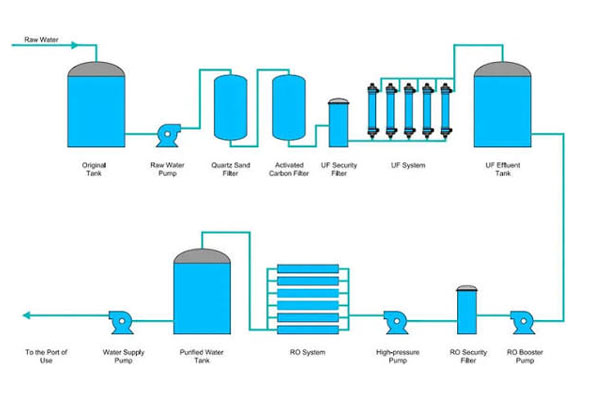
It’s easy to get focused on the micron ratings and think in a straight line. But in engineering, we have to think about what happens when things go wrong. A UF system is fantastic for its primary job: removing tiny suspended solids and colloids to produce clean water. However, a UF system is a mechanical assembly, and mechanical things can fail. The security filter isn’t there to re-filter the water that the UF has perfected. It’s there to protect the entire downstream system for the rare times the UF system doesn’t work perfectly. Think of it as the difference between daily work and emergency response.
Here is a simple breakdown of their different roles:
| Component | Primary Role | Target | Key Weakness |
|---|---|---|---|
| UF System (0.01µm) | Primary Clarification | Remove colloids, bacteria, viruses | Mechanical failure (fiber breaks, seal leaks) |
| Security Filter (1-5µm) | Insurance Policy / Safety Net | Catch UF failure debris | (Designed to be a simple, reliable barrier) |
So, the security filter isn’t redundant. It’s a different tool for a different job. It sits there, day after day, doing very little until the one day it’s needed. On that day, it becomes the most valuable component in your pretreatment line.
Your UF system runs well, so you might ignore downstream protection. But hidden issues like fiber shedding can silently damage your expensive RO system. A security filter is your guard against these costly threats.
Security filters, especially modern high-flow cartridges, create a simple, physical barrier. This barrier reliably captures any broken UF fibers or large particles from a seal leak, stopping them before they can damage your high-pressure pumps and RO membranes. It’s your last line of defense.
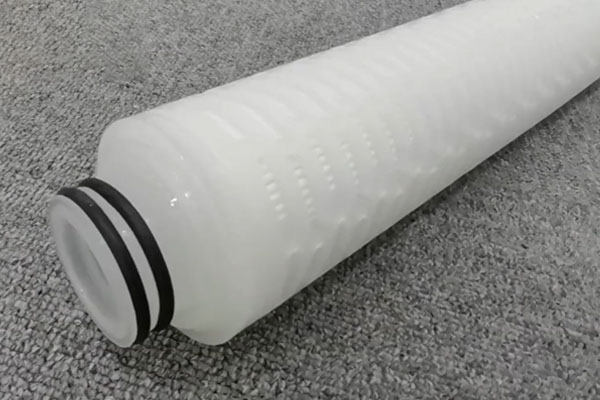
In our manufacturing at ecofiltrone, we focus on reliability because we know our filters are often protecting our customers from these "hidden risks." Let’s look at what they are:
- UF Fiber Breakage: A UF module contains thousands of tiny, hollow fibers. Over time, due to pressure changes, chemical cleaning, or simple wear and tear, a fiber can snap. When that happens, a small jet of unfiltered water, along with the broken fiber itself, can shoot downstream. A single broken fiber can compromise the entire system if not caught.
- Seal or O-ring Failure: Each UF module is sealed into a manifold. If an O-ring is damaged, installed incorrectly, or degrades over time, it creates a bypass. Unfiltered water can leak around the module, carrying particles that the UF was supposed to remove.
- Upset Conditions: During system startup, shutdown, or even a backwash cycle, pressures and flows are not stable. These are moments when the UF system might "burp" and release a slug of particles that it would normally contain.
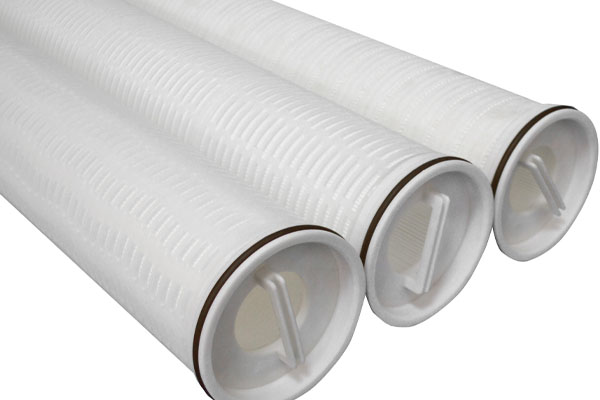
A high-flow cartridge is perfectly suited to handle these problems. It has a large surface area and deep pleats, giving it the capacity to catch a sudden release of debris without causing a huge pressure spike that could shut down your plant.
Can the absence of downstream fine filtration impact the high-pressure pump’s operational lifespan?
You want to cut costs, so you think about removing the security filter. But this small saving can lead to huge problems, like a failed pump and costly downtime. A filter is key to a long pump life.
Absolutely. The high-pressure pumps used in SWRO are precision machines with very tight internal clearances. Any hard particles, like sand or broken UF fibers, will act like sandpaper inside the pump, causing rapid wear on impellers and seals, leading to premature and very expensive failure.
I once visited a plant where the procurement manager had decided to save a few thousand dollars by not replacing the security filters after the UF. Six months later, they called me after their primary high-pressure pump failed. The repair bill and the cost of lost production were over one hundred times what they had "saved." The high-pressure pump is the heart of the SWRO system, operating at pressures of 60 to 80 bar (870-1160 psi). Introducing any abrasive particles into this environment is a recipe for disaster.
Here’s what happens to the pump without protection:
| Impact Area | Consequence |
|---|---|
| Impellers & Diffusers | Abrasive wear erodes the metal, reducing pump efficiency and increasing energy use. |
| Mechanical Seals | Particles get lodged in the seals, causing leaks and eventual failure. |
| Bearings | Increased vibration from an unbalanced, damaged impeller leads to premature bearing wear. |
| Overall Lifespan | A pump that should last a decade or more can be destroyed in a matter of months. |
The math is simple. A set of our ecofiltrone high-flow cartridges costs a tiny fraction of a new high-pressure pump. Protecting that pump is one of the clearest returns on investment you can find in any plant.
Is the installation of high-flow cartridges a mandatory "insurance policy" for system integrity or just a design habit?
You may wonder if engineers just add security filters out of old habit. But questioning this standard could lead you to make a very risky choice. This is a vital insurance policy for your system.
It is a mandatory "insurance policy," not a design habit. The small cost of high-flow cartridges is nothing compared to the massive cost of repairing pumps, replacing RO membranes, and dealing with system downtime. It’s a calculated decision based on decades of operational experience.
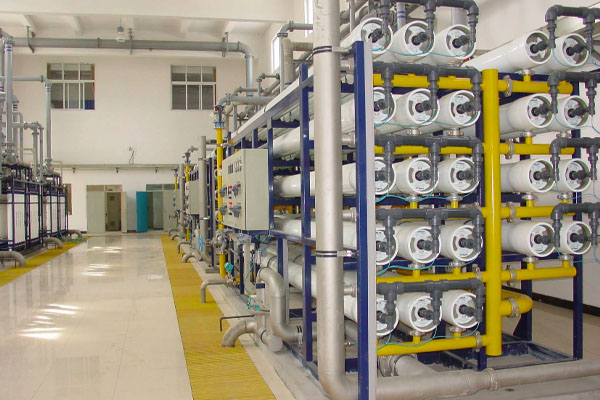
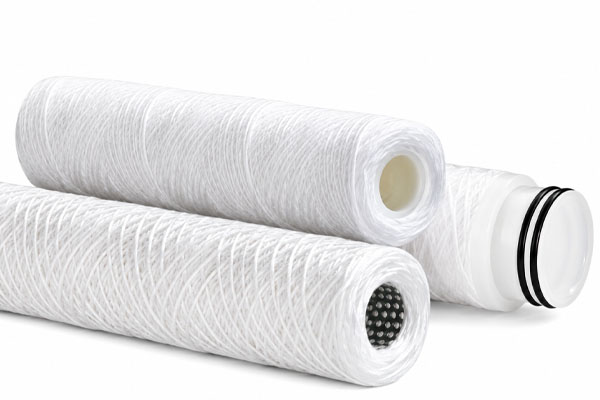
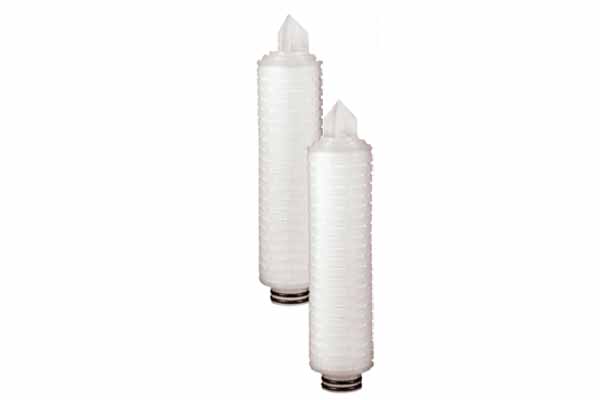
This practice evolved for a good reason. Years ago, plants used dozens of small, standard-sized filter cartridges for this job. It was labor-intensive to change them and the housings had a large footprint. Today, the industry standard has shifted to high-flow cartridges, and for good reason. At ecofiltrone, this is our specialty. We’ve seen firsthand how they improve operations.
Compared to the old way, high-flow cartridges offer clear benefits that directly impact your operational budget (OPEX):
- Higher Flow Rate Per Cartridge: One high-flow cartridge can handle the flow of 10 or more conventional cartridges. This means a smaller housing, a smaller footprint, and far fewer elements to change.
- Faster Change-outs: Fewer cartridges means your maintenance team can complete a change-out in a fraction of the time, reducing labor costs and system downtime.
- Higher Dirt-Holding Capacity: Our high-flow cartridges are designed with a large diameter and a pleated, deep-media structure. This means they can hold more debris before they need to be replaced, extending their service life and further reducing OPEX.
As a manufacturer providing OEM-alternative solutions, we make this "insurance" even more affordable. You get the quality and performance to protect your system, but at a price that makes the decision to protect your investment an easy one. It’s not a habit; it’s smart engineering.
Conclusion
Installing high-flow cartridges after UF is a critical, cost-effective insurance policy. It protects your investment, lowers operating costs, and ensures the long-term reliability of your SWRO system.