Does the high salinity of seawater corrode the materials of the filter element (including the frame and end caps)?
You’re designing a critical seawater filtration system, and a nagging question keeps you up at night. Will the aggressive, salty water slowly eat away at your filters, causing them to fail, fall apart, and send debris into your expensive RO membranes?
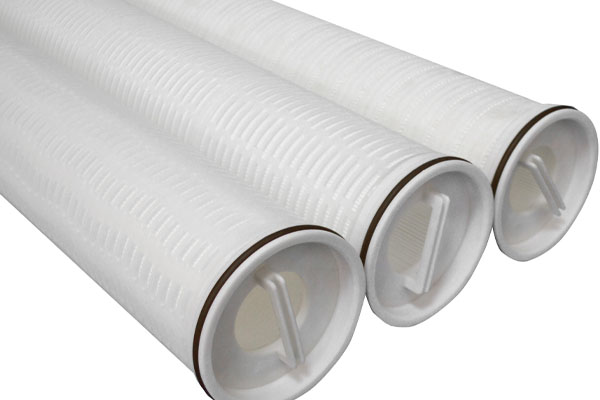
No, as long as the filter is made from the correct materials. High-flow cartridges designed for desalination use inert polymers like polypropylene for the media, frame, and end caps. These materials are chemically immune to corrosion from seawater salts.
This question takes me back to an early project at a coastal power plant. A junior engineer on the client’s team tried to save a few dollars by ordering general-purpose filters for a saltwater cooling loop. He assumed "plastic is plastic." A few months later, they called us in a panic. The filters were becoming brittle and cracking under pressure. The salty water, combined with temperature cycling, was degrading the inferior polymer. That day taught me a vital lesson: in desalination and seawater applications, material selection is not a minor detail. It is the absolute foundation of system reliability. You can’t just hope a material will work; you have to know why it works.
Why is polypropylene the go-to material for seawater applications?
You see "all-polypropylene construction" on spec sheets all the time, but it sounds like a cost-saving measure. You need to know if this material is truly robust enough for the harsh reality of continuous saltwater exposure.
Polypropylene is chosen for its chemically inert nature. It is a stable, non-polar polymer that simply does not react with the salts in seawater. This makes it fundamentally immune to the corrosive effects that destroy metals and lesser plastics.
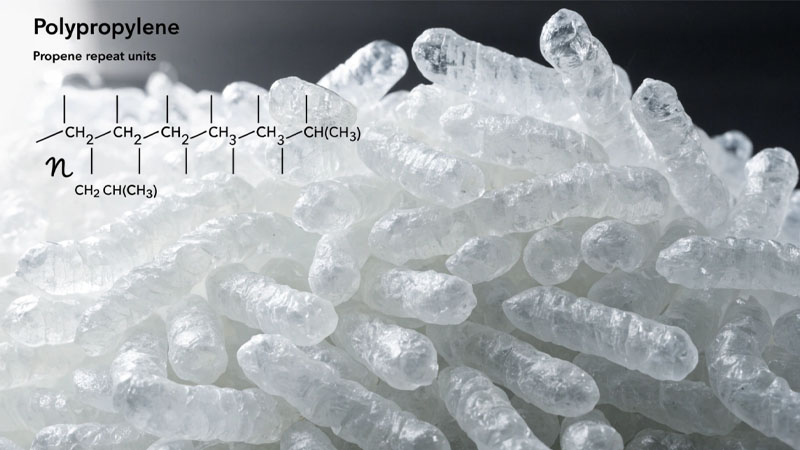
To understand why polypropylene (PP) is so effective, we first need to understand what we mean by "corrosion." In metals, corrosion is an electrochemical process where the metal reacts with its environment and turns into a more stable form, like rust. Seawater, rich in chloride ions, is extremely aggressive and accelerates this process. Plastics, however, don’t corrode in the same way. They degrade through chemical attack, where a substance breaks down the long polymer chains that give the plastic its strength. Polypropylene’s chemical structure makes it incredibly resistant to this kind of attack from salt. It’s a simple hydrocarbon chain. It has no polar groups or reactive sites for the sodium and chloride ions in seawater to latch onto. The salt ions and the plastic molecules essentially ignore each other, like trying to mix oil and water. This inherent chemical stability makes an all-polypropylene filter cartridge a perfect, cost-effective, and highly reliable choice for seawater.
| Material | Resistance to Seawater Salt | Why? | Common Use in Filters |
|---|---|---|---|
| Polypropylene (PP) | Excellent | Chemically inert, non-polar hydrocarbon structure | Media, core, and end caps |
| Carbon Steel | Poor | Rapidly rusts (oxidizes) | Not used for wetted parts |
| 304 Stainless Steel | Poor to Fair | Highly susceptible to pitting corrosion from chlorides | Not recommended for seawater |
Are there any parts of a filter that could be at risk?
You feel confident choosing an all-polypropylene filter, but you worry about the hidden weak points. What about the O-rings or gaskets that create the seal? If they fail, the entire filter is useless.
Yes, the sealing material is a potential weak point if chosen incorrectly. The O-rings or gaskets, often made from elastomers like EPDM or Viton, must be specifically chosen for compatibility with seawater to prevent leaks and ensure longevity.
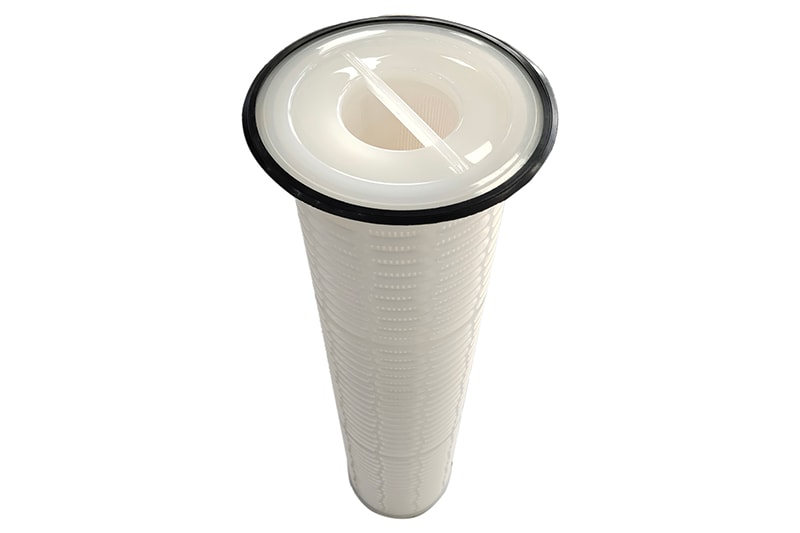
The body of the filter might be a fortress, but a failed seal is like leaving the gate wide open. This seal prevents bypass, where water flows around the filter instead of through it, rendering it completely ineffective. In seawater applications, the standard choice for this seal is EPDM (Ethylene Propylene Diene Monomer). EPDM is an elastomer that has excellent resistance to water, salts, and a wide range of temperatures. It doesn’t swell or become brittle when exposed to saltwater, so it maintains a strong, reliable seal for a long time. For applications with more aggressive chemical cleaning cycles or higher temperatures, Viton (FKM) is another option. It offers a broader range of chemical resistance but is more expensive. Many modern high-flow cartridges also use thermal welding to fuse the end caps directly to the filter media pack. This creates a solid, unified component and eliminates the need for adhesives, which could be another potential point of chemical attack or failure over time.
What about metal components in some specialized filters?
Your application involves high temperatures or pressures, and you are considering a filter with a stainless steel core for added strength. You are worried it will corrode instantly in the salty environment.
When metal parts are unavoidable, you must specify high-grade, corrosion-resistant alloys. Standard 304 stainless steel will fail quickly. 316L stainless steel is the minimum acceptable grade, offering better but not perfect protection against chlorides.
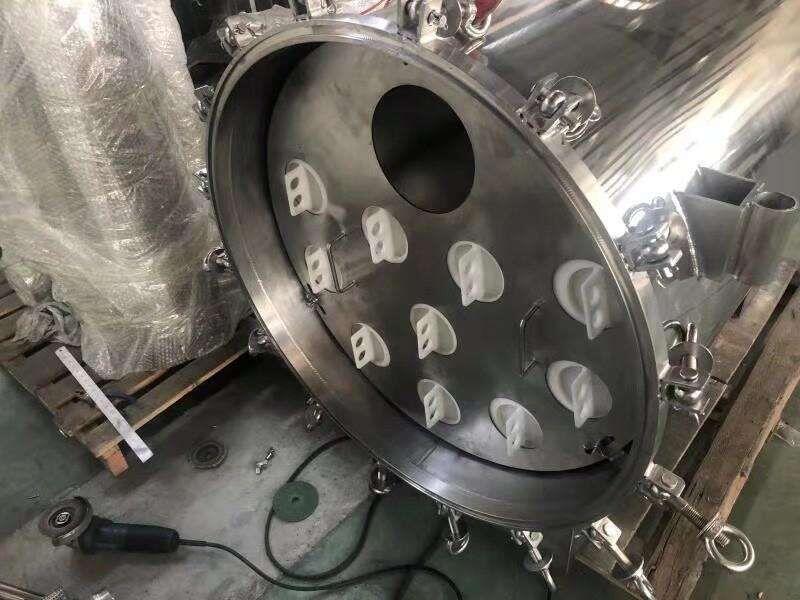
While an all-polypropylene design is ideal for most seawater cartridge filtration, some situations demand metal. When this happens, material choice is absolutely critical. Standard stainless steel, like Grade 304, is not suitable for seawater. The high concentration of chloride ions will attack the steel’s passive protective layer, causing a type of corrosion called "pitting." These are tiny, deep holes that can compromise the structural integrity of the filter. The minimum requirement for any metal part in direct contact with seawater is 316L stainless steel. The "L" means low carbon, which helps prevent corrosion after welding, and the addition of molybdenum to the alloy gives it much better resistance to chloride pitting. While 316L is good for many components like filter housings, it can still corrode over time in warm, stagnant seawater. For the most critical and long-term applications, engineers will specify even higher-grade materials like Duplex stainless steels or nickel alloys, but these come at a significant cost. For disposable cartridges, sticking to an all-polypropylene design remains the safest and most economical path.
Conclusion
Seawater’s high salinity does not corrode filter cartridges made from the right materials. All-polypropylene filters are immune to salt corrosion, while EPDM seals and 316L stainless steel offer reliable performance for other components.