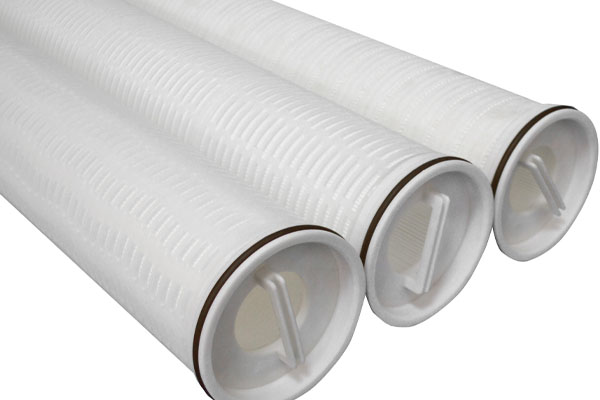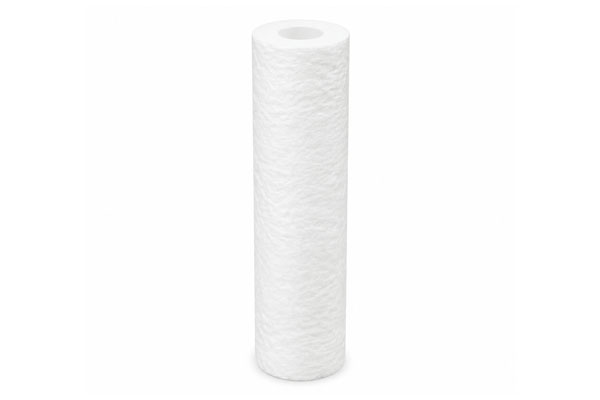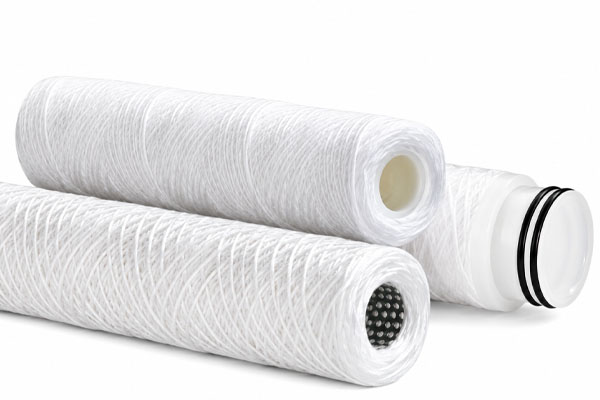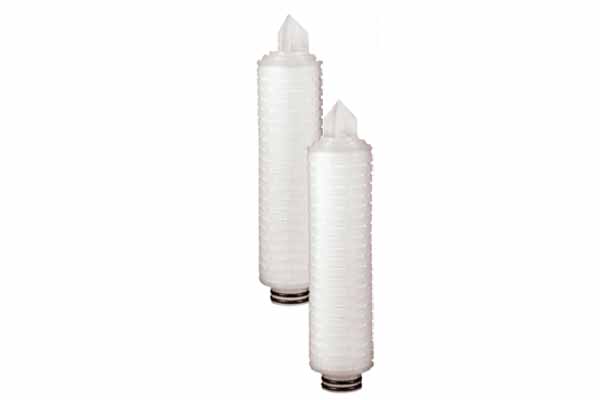
What are the advantages of hot-melt welding of end caps for high-flow filter cartridges compared to adhesive bonding?
Your filter cartridge suddenly fails at the end cap, releasing a flood of contaminants into your clean process. This bypass event costs you product, time, and trust in your system.
Hot-melt welding fuses the end cap and filter media into a single, solid piece of polypropylene. This creates a stronger, more reliable seal that eliminates the risk of adhesive chemical leaching or thermal degradation, ensuring total filtration integrity.
Early in my career, I visited a chemical plant that was struggling with inconsistent batch quality. Their system used large high-flow cartridges, and on paper, everything looked perfect. After talking with the operators, I learned that failures were random and unpredictable. I asked to see some of their used filters. I took one back to the lab, cut it open, and found the problem. The adhesive used to bond the end caps had become brittle and cracked. Fluid was just bypassing the filter media entirely. The glue was the weak link. It was a powerful lesson that the smallest detail, like how an end cap is attached, can make the difference between a reliable system and a failing one.
Why is a strong end cap seal so important for a high-flow filter?
A tiny leak in the end cap seal bypasses the entire filter. This undetected failure makes your expensive filtration system completely useless, contaminating your final product and downstream equipment.
The end cap seal prevents "contaminant bypass," where fluid sneaks around the filter media instead of passing through it. A strong, integral seal ensures that 100% of the flow is properly filtered, guaranteeing process integrity.
In a high-flow system, the filter cartridge is under constant stress from high flow rates and pressure. The end cap seal is the critical barrier that forces every drop of fluid to pass through the filter media. If this seal fails, even slightly, it creates a path of least resistance. The fluid, following basic physics, will rush through this gap instead of pushing through the restrictive media. We call this "bypass," and it effectively renders the filter useless. You could have the best filter media in the world, but with a failed seal, your fluid is not being filtered. This is especially dangerous because your system sensors may not detect the failure; the pressure drop might even look normal. A robust, unbreakable seal is not a feature—it is the most fundamental requirement for any filter to do its job. It is the foundation of reliable performance.
Seal Integrity Impact
| Feature | Secure End Cap Seal | Failed End Cap Seal (Bypass) |
|---|---|---|
| Filtration | 100% of fluid is filtered. | A large portion of fluid is unfiltered. |
| Purity | Downstream fluid meets purity specs. | Contaminants pass directly into the product. |
| System Protection | Sensitive equipment is protected. | Pumps, nozzles, and membranes are at risk. |
| Reliability | Consistent and predictable results. | Random and catastrophic process failures. |
You assume your filter is safe, but the adhesive holding it together could be leaching chemicals into your product. This invisible contamination can cause process issues or batch failures.
Adhesives can degrade when exposed to certain chemicals, high temperatures, or pH swings. This can cause the bond to fail, leading to bypass, or leach unwanted chemicals and extractables into the process fluid.
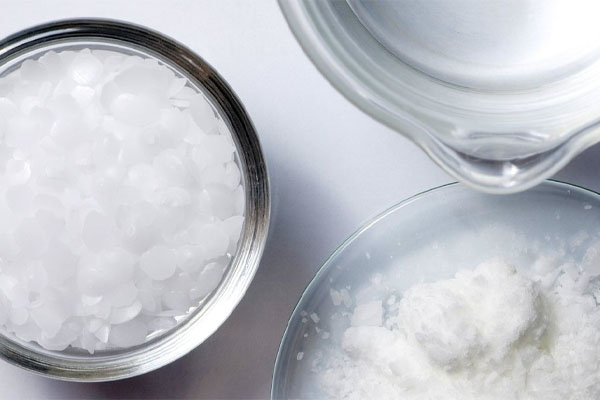
Using an adhesive to bond end caps means introducing a third, different material into the filter’s construction. This material—the glue—has its own set of limitations. It has a different chemical compatibility chart and a different temperature limit than the polypropylene media or end caps. I’ve seen epoxies soften at high temperatures or polyurethane glues get attacked by certain solvents. When the adhesive degrades, two bad things can happen. First, the structural bond weakens, leading to the catastrophic bypass I mentioned earlier. Second, the adhesive itself can break down and release unwanted chemicals, known as "extractables," into your clean fluid. This is a huge problem in high-purity applications like food and beverage or electronics manufacturing. You are paying for a filter to remove contaminants, but a poorly chosen one could be adding new ones. Adhesive bonding creates a potential point of failure that a more integrated design avoids.
How does hot-melt welding create a more reliable filter cartridge?
Your process operates under harsh conditions with aggressive chemicals or high heat. You worry that your filters’ construction will be the weakest link in your system’s reliability.
Hot-melt welding uses the same polypropylene material as the filter media and end cap. It melts and fuses them together into one solid, seamless component, creating a bond with the same strength and resistance as the filter itself.
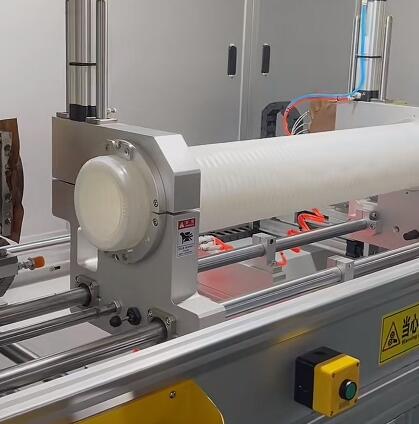
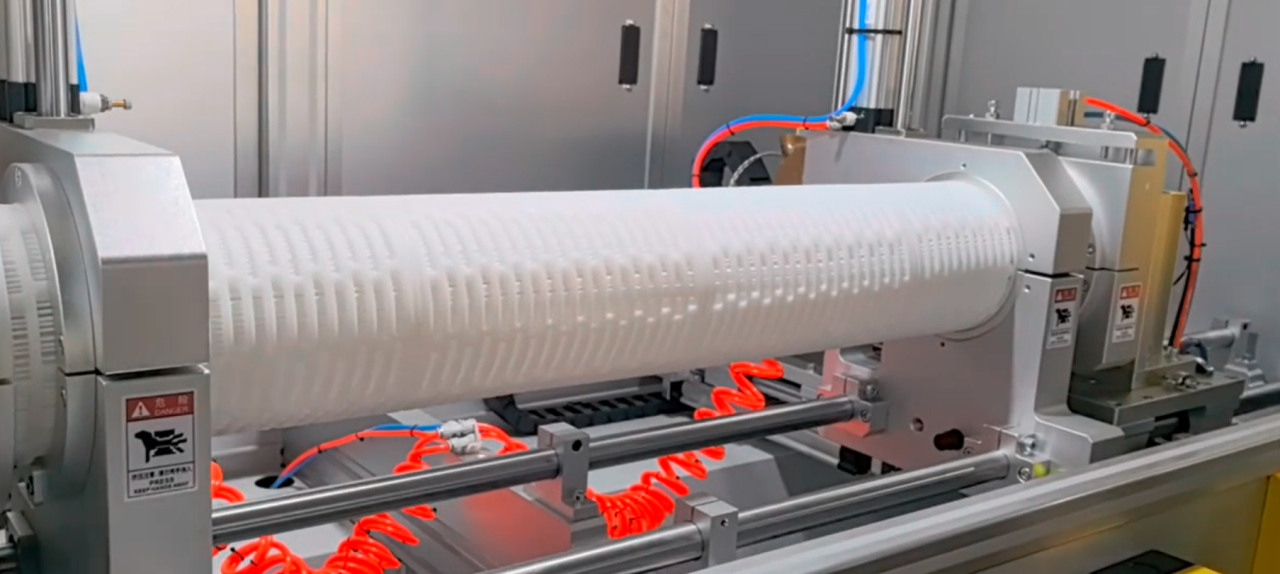
Hot-melt welding is a much more elegant and robust solution. Instead of adding glue, the process uses heat to melt the polypropylene of the end cap and the polypropylene of the filter media pack at the point where they meet. They are then fused together under pressure. As they cool, they solidify into a single, continuous piece of polypropylene. This is a true thermal bond, not a chemical one. The result is a monolithic construction where the "seal" is no longer a separate component. It has the exact same chemical compatibility and temperature resistance as the rest of the filter. This eliminates the risk of adhesive-related chemical leaching and creates a bond that is incredibly strong and resistant to pressure fluctuations and mechanical stress. For demanding industrial applications, especially in power generation or chemical processing where reliability is everything, this method provides a much higher level of security and peace of mind.
Construction Method Comparison
| Parameter | Adhesive Bonding | Hot-Melt Welding |
|---|---|---|
| Materials | 3 (Media, End Cap, Adhesive) | 1 (Polypropylene) |
| Seal Type | Chemical Bond (Glue) | Thermal Fusion (Weld) |
| Chemical Risk | Potential for extractables/leaching | None, single material construction |
| Thermal Limit | Limited by the adhesive | Limited by the polypropylene media |
| Structural Integrity | Bond is a potential weak point | Seamless, monolithic construction |
Conclusion
Hot-melt welding creates a seamless, single-material filter cartridge. This method delivers superior structural integrity, chemical purity, and thermal resistance compared to adhesive bonding for critical applications.