What key role do the inner/outer skeletons of high-flow filter elements play when subjected to high pressure differentials?
Your filter media is perfect, but the cartridge collapses under pressure. A catastrophic failure dumps contaminants downstream, leading to a costly system shutdown. What went wrong?
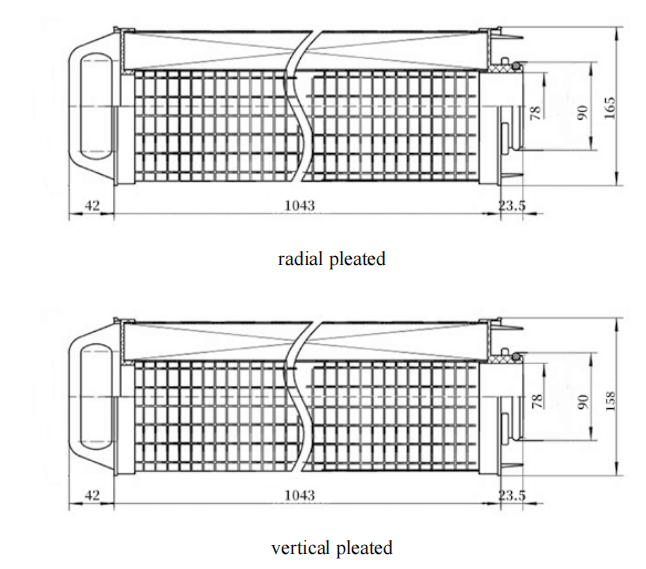
The inner and outer skeletons, also known as the core and cage, provide critical structural support. They prevent the pleated filter media from deforming, tearing, or collapsing under the immense force of high pressure differentials, ensuring consistent filtration performance.
Early in my career, I visited a client who was complaining about inconsistent filtration results. When we pulled the filter cartridge, it looked like a crushed soda can. They had chosen a cheaper filter to save money, but it lacked a robust outer cage. Under a pressure spike, the pleats collapsed inward, creating a direct channel for unfiltered fluid to pass through. The money they "saved" was nothing compared to the cost of the product they had to scrap. That day, I learned that what surrounds the filter media is just as important as the media itself. It is the unseen hero that guarantees performance under stress.
Why is the outer cage so critical for preventing collapse?
High flow rates put immense inward force on your filter. Without proper support, the delicate pleats will crush together, blinding the filter instantly and stopping your process dead.
The outer cage, or skeleton, acts as a protective exoskeleton. It resists the crushing force of high flow and differential pressure, keeping the pleats evenly spaced and preventing them from collapsing inward, which would choke off flow.
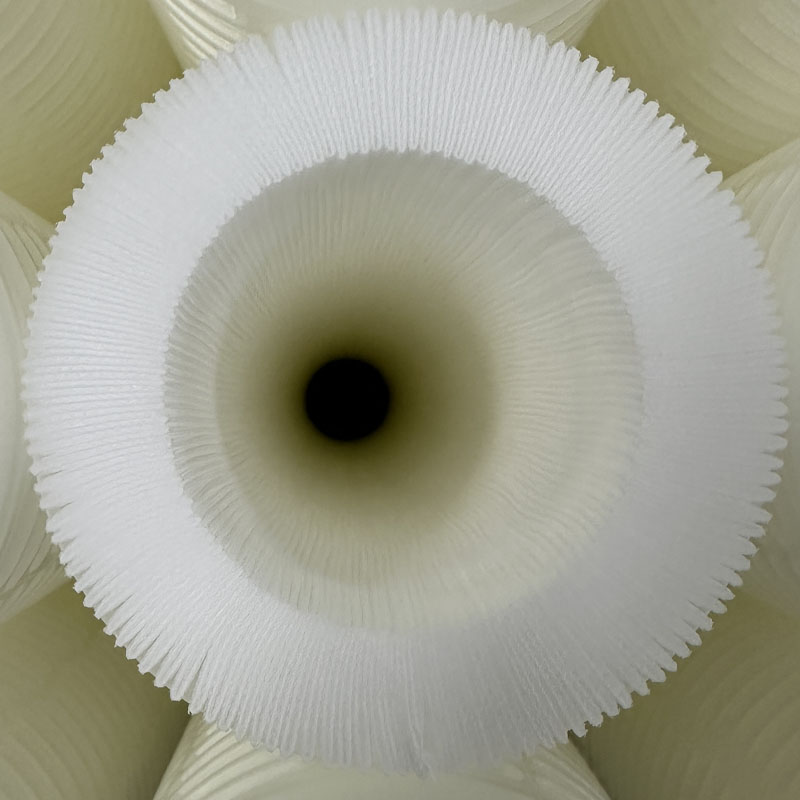
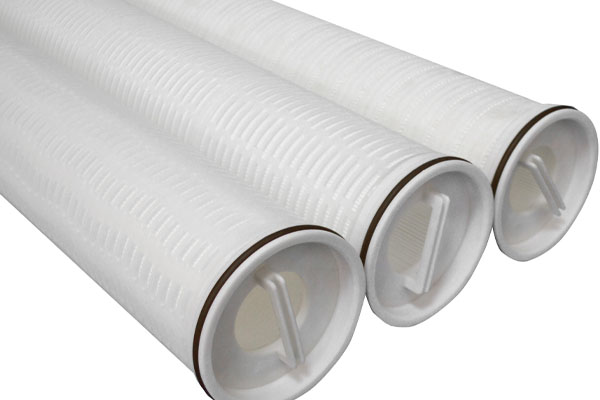
Think of the outer cage as the pillars holding up a roof during a heavy storm. The pleated filter media has a massive surface area, but the media itself is relatively thin and flexible. When you have a high flow rate, and especially as the filter starts to capture dirt, the pressure differential (ΔP) across the media builds. This creates a powerful compressive force trying to crush the filter inward. The outer cage’s primary job is to withstand this force. By keeping the pleats rigid and properly spaced, it ensures that the entire surface area of the filter remains available for filtration. This maintains a low pressure drop for as long as possible and maximizes the filter’s dirt-holding capacity. For example, our HFL Series features a one-piece outer cage specifically designed for superior structural strength, preventing deformation even under high ΔP. Without a strong cage, pleat collapse is inevitable.
Impact of Outer Cage Strength
| Feature | Weak or No Outer Cage | Strong Outer Cage |
|---|---|---|
| Pleat Spacing | Collapses under pressure. | Remains uniform and open. |
| Effective Area | Drastically reduced, leading to blinding. | Fully utilized for maximum life. |
| Pressure Drop | Spikes rapidly. | Increases gradually and predictably. |
| Failure Mode | Sudden, catastrophic failure. | Predictable end-of-life change-out. |
| System Impact | Unscheduled downtime, potential bypass. | Reliable and stable operation. |
If the outer cage prevents collapse, what does the inner core do?
You have a strong outer cage, so the filter looks fine. But you’re still seeing particles downstream. The media could be tearing away from the inside, creating a hidden failure.
The inner core acts as the central backbone of the filter cartridge. It provides the foundational support that the filter media is wrapped around, preventing it from tearing or being pushed inward toward the clean side under high pressure.
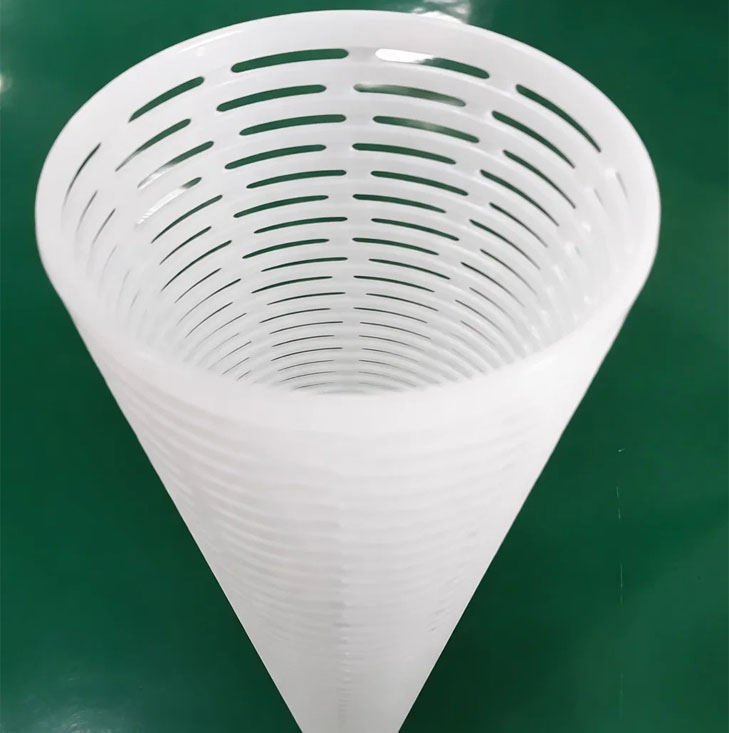
If the outer cage is the protective shield, the inner core is the solid foundation everything is built on. The filter media is sealed and secured to this central tube. The same pressure differential that tries to crush the filter from the outside also tries to push the media inward, away from the core. Without a rigid inner core, the media could tear at the seams or extrude into the center, creating a direct bypass for unfiltered fluid. I saw this happen once in a chemical processing plant. The fluid was slightly aggressive, and the cheap filter they used had a weak plastic core that softened. The media tore loose, and for days they were sending contaminated product downstream without realizing it. The inner core prevents this by providing a solid, unyielding surface for the media to rest against. It guarantees the structural integrity from the inside out and ensures a clear, unobstructed channel for the clean fluid to exit the cartridge.
Conclusion
The outer cage prevents collapse, and the inner core provides foundational support. Together, they are the essential skeleton that guarantees filter integrity and reliability under high pressure.