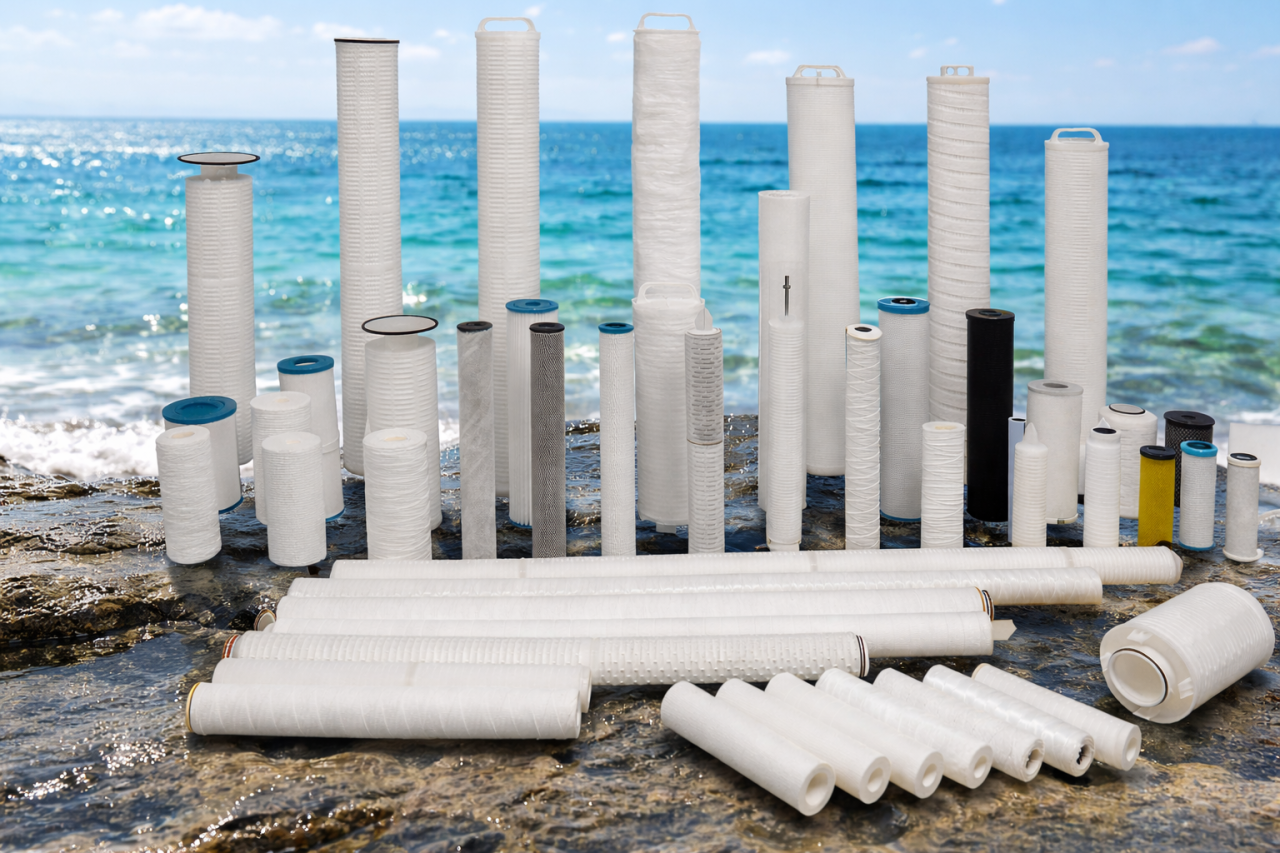
Residual chlorine can damage RO membranes, but does it affect the filter material?
Your RO membranes are safe from chlorine, but are your pre-filters? Constant exposure to this oxidizer can cause hidden damage, leading to unexpected system failures and downtime.
Yes, residual chlorine severely affects certain filter materials. It is a powerful oxidizer that chemically attacks and breaks down polymers like standard polypropylene, causing the media to become brittle, weak, and ineffective. This degradation leads to fiber shedding and eventual catastrophic failure.
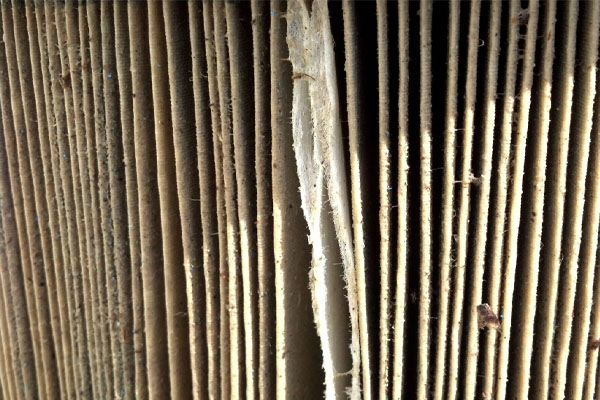
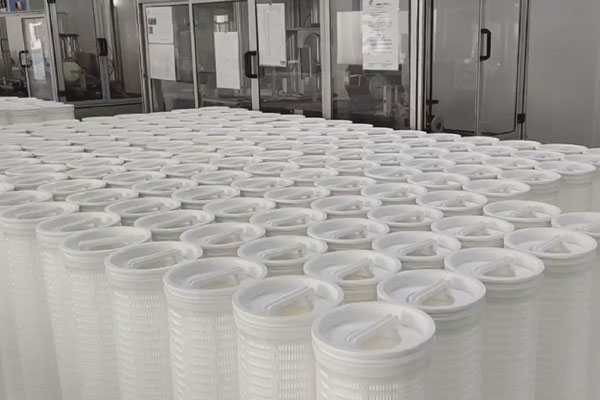
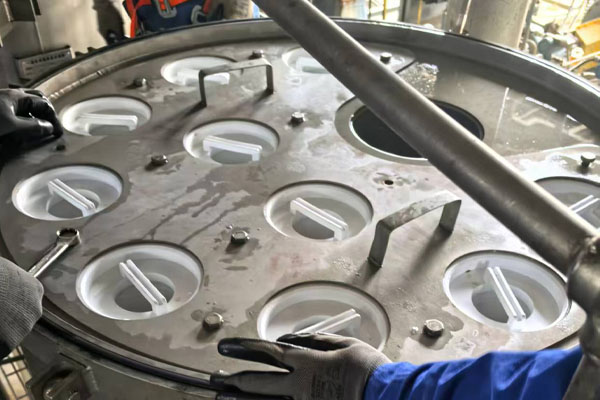
I saw this problem firsthand a few years ago with a client working on a municipal water project. They were using our standard polypropylene high-flow cartridges for pre-filtration, right before their dechlorination step. Every couple of months, they reported a sudden drop in performance and high particle counts getting past the filters. When we got the used cartridges back, the media was not just clogged; it was fragile. You could literally crumble the pleated material between your fingers. At first, they were certain it was a manufacturing defect. But the real issue was chemistry. The continuous exposure to chlorinated city water was slowly destroying the polypropylene fibers, making them incredibly brittle. The filters were not just blocking up; they were physically falling apart and releasing their own fibers into the system, which made the water quality issue even worse.
How Exactly Does Chlorine Degrade Your Filter Media?
You see a filter become brittle, but what is actually happening at a microscopic level? How can a chemical dissolved in water cause a physical breakdown of the filter structure?
Chlorine acts as a strong oxidizer. It attacks and breaks the long polymer chains that give materials like polypropylene their strength. This process, called chain scission, weakens the material’s structure, making it lose flexibility and become prone to cracking under pressure.
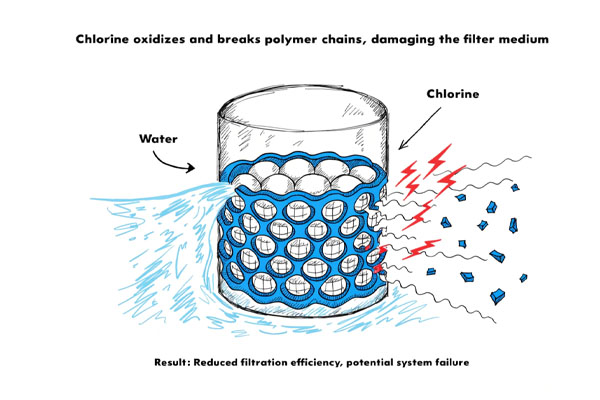
You can think of it like a plastic chair left outside in the sun for several years. The UV radiation and oxygen make the plastic brittle and faded. Chlorine has a similar effect on your filters, but the process happens much more quickly. Polypropylene is a long-chain hydrocarbon polymer. Its strength and flexibility come from these long, interconnected chains. Chlorine, especially in its hypochlorite form, is chemically very aggressive and loves to steal electrons from other molecules. It attacks the backbone of these polymer chains, snapping them into shorter pieces. Each time a chain breaks, the overall material becomes a little bit weaker. After thousands of hours of exposure, this damage really adds up. The material loses its ability to bend and stretch, making it very easy to crack under the normal stress of water flow. This is why you start seeing problems like torn pleats, fiber shedding, and a complete loss of structural integrity in filters that have been in chlorinated water for too long.
Are Some Filter Materials Immune to Chlorine Damage?
You know that standard polypropylene is at risk. This forces a choice: do you just plan for constantly replacing failing filters, or can you find a better material for the job?
Yes, certain materials are highly resistant to chlorine. Microglass fiber is an excellent choice because it is chemically inert to oxidizers. It provides a reliable filtration solution for chlorinated water without the risk of degradation or structural failure over time.
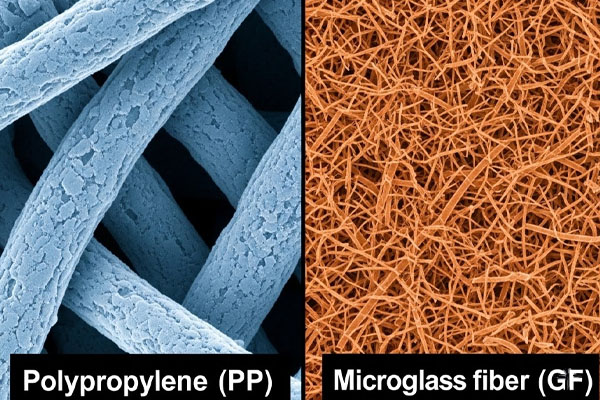
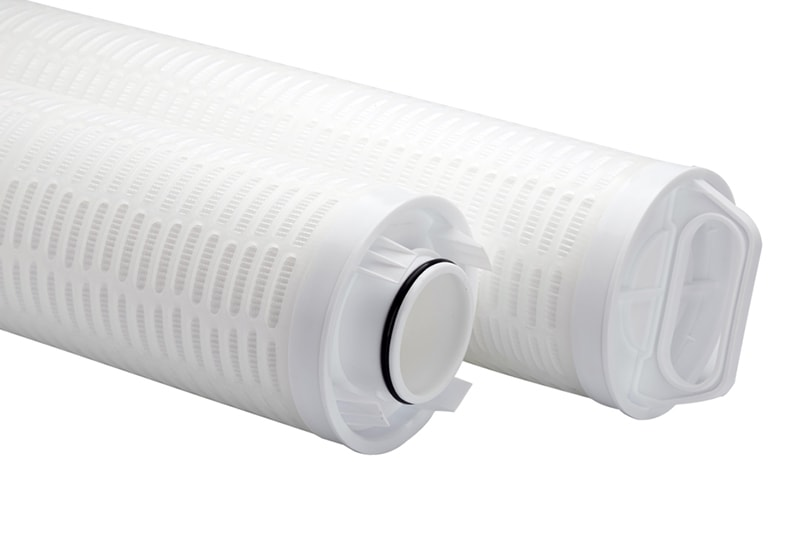
When an engineer like Jacky comes to me with a problem involving chlorinated water, we always start by talking about material selection. Standard polypropylene is a great, low-cost material for many applications, but it has this one significant weakness. The simple solution is to use a material that does not react with chlorine. Microglass fiber, which we use in our HFK series high-flow cartridges, is a perfect example. It is made from inorganic glass fibers, so there is nothing for the chlorine to chemically attack. A microglass filter can operate in chlorinated water for its entire service life and never lose its structural strength. On top of its chemical resistance, microglass media often provides better filtration efficiency and a higher dirt-holding capacity than polypropylene. This means it will not only survive the harsh chemical environment but may also last longer and perform better, making it a very smart upgrade for critical pre-filtration systems.
Chlorine Resistance of Common Filter Media
| Filter Material | Chlorine Resistance | Max Temperature | Common Application |
|---|---|---|---|
| Standard Polypropylene (PP) | Poor to Fair | ~80°C (176°F) | Non-chlorinated water, general purpose |
| Microglass Fiber (GF) | Excellent | >120°C (248°F) | Chlorinated water, RO pre-filtration, high temp |
| Polyester (PET) | Good | ~110°C (230°F) | Needs more temp/chem resistance than PP |
How Should You Position Filters in a Chlorinated System?
You have chlorine-resistant filters and standard filters. How do you design your system to use them most effectively and economically to protect your RO from both particles and chlorine?
You have two main options. You can filter the chlorinated water first with a chlorine-resistant filter (like microglass). Or, you can dechlorinate the water first and then use a standard polypropylene filter. The first option is generally safer for the entire system.
This is a very common design decision for process engineers, and each approach has its trade-offs. Let’s look at both strategies.
Strategy 1: Filter First, Then Dechlorinate.
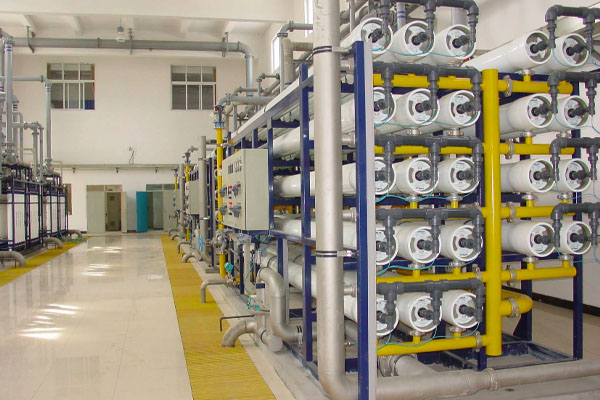
In this design, you put a chlorine-resistant filter, like one of our microglass high-flow cartridges, right at the start of your system. It takes the raw, chlorinated water and removes particles like silt and sand. The water that leaves is clean but still has chlorine in it. This water then flows to the dechlorination step, like a sodium metabisulfite injection system.
- Pro: This is the most robust design. It protects everything downstream—including chemical pumps, valves, and the RO membranes—from getting clogged with particles.
- Con: It requires a more expensive, chlorine-resistant filter upfront.
Strategy 2: Dechlorinate First, Then Filter.
Here, you add your dechlorination chemical to the raw water first. Once the chlorine is neutralized, you use a standard, less-expensive polypropylene filter to remove the particles before the water gets to the RO unit.
- Pro: This allows you to use cheaper polypropylene filters.
- Con: Your chemical dosing pump is now exposed to raw, unfiltered water, which could lead to clogs and maintenance issues.
For any critical system, I always recommend Strategy 1. The peace of mind you get from protecting your entire system from particle fouling is well worth the slightly higher initial cost of a chlorine-resistant filter.
Conclusion
Chlorine damages standard polypropylene filters, not just RO membranes. Use chlorine-resistant microglass or filter after dechlorination to protect your system from premature failure and bypass.