Do You Really Need Pre-Filtration Before Your Security Filter?
Your security filters are clogging constantly, driving up costs and causing frequent shutdowns. This brutal workload isn’t their job; they are being overwhelmed without proper protection upstream.
Yes, absolutely. Media filters or UF are for bulk solids removal, capturing 99% of the heavy dirt load. This protects the finer, more expensive security filter, allowing it to perform its real job: catching only what slips past, ensuring system reliability and dramatically extending its service life.
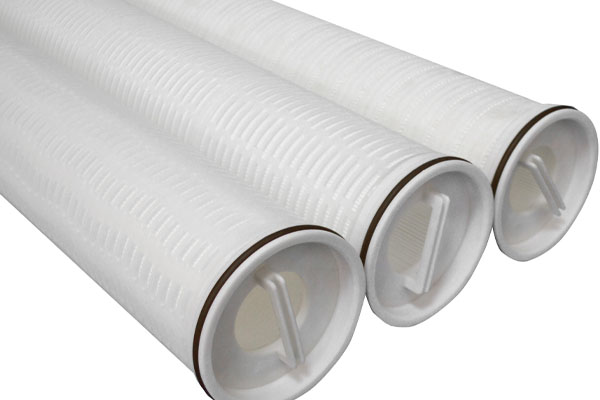
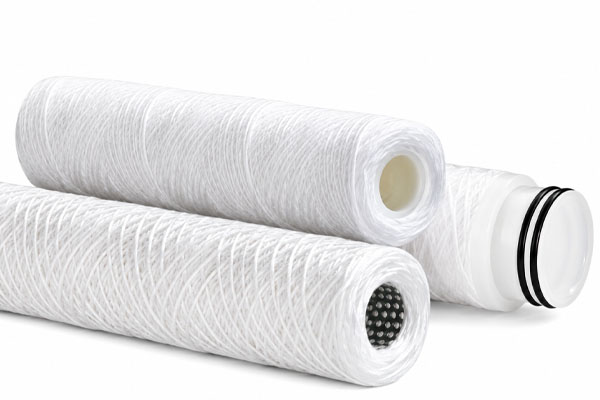
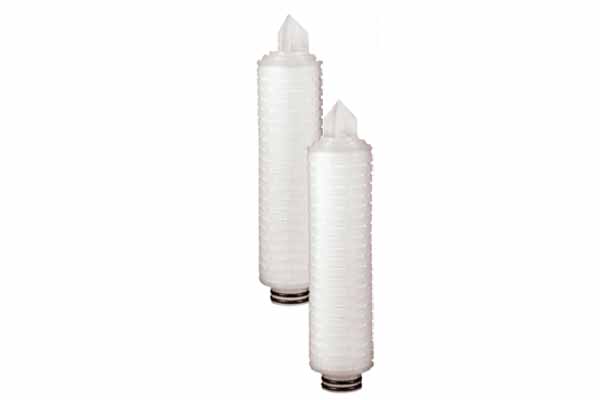
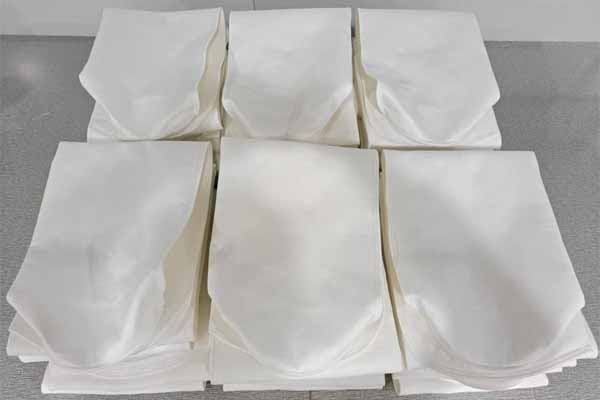
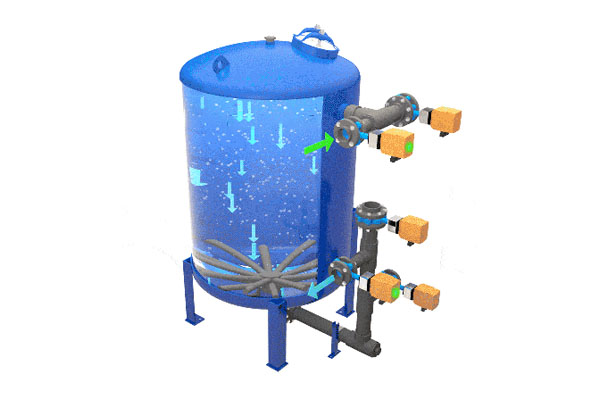
The name "security filter" perfectly describes its function. It is there to provide security for the most expensive and sensitive part of your system: the RO membranes. Think of your pre-treatment system as a team. The media filter or UF system is the army on the front lines, designed to handle the main attack and remove 99% of the enemy soldiers (the suspended solids). The security filter is the single elite guard standing right outside the president’s door. It is not designed to fight the whole army. It is there to stop the one attacker who manages to slip past everyone else. This is also a question of economics. Media filters use cheap materials like sand to remove dirt at a very low cost per pound. High-Flow cartridges use advanced pleated media that is much more expensive. Asking your expensive cartridge filter to remove bulk dirt is like paying a highly-trained surgeon to do basic first aid. It is a massive waste of resources. Trying to save on capital costs, you connect your water source directly to a cartridge filter housing. This seems simpler and cheaper upfront, but it creates a cycle of constant problems and expenses. You will face extremely rapid filter clogging, a huge increase in operational costs from constant cartridge replacements, and massive labor demands. Your system becomes unreliable, with frequent shutdowns, and you risk catastrophic damage to your RO membranes from particle breakthrough. Skipping proper pre-filtration is one of the most expensive "savings" you can make. The consequences are immediate and severe. I was at a site once that used river water. Normally, their sand filters handled the load perfectly, and the downstream security filters lasted for weeks. But one day, a huge rainstorm upriver caused the water’s TSS (Total Suspended Solids) to spike. The sand filters took the hit, and their backwash cycles just became more frequent for a day. Now, imagine if that sand filter wasn’t there. That massive load of mud and silt would have hit the 5-micron security filters directly. They would have clogged completely in a matter of minutes, not hours. The entire plant would have shut down. This is the reality of putting a fine filter in the path of a heavy load. You know you need pre-filtration, but choosing between a traditional media filter and modern ultrafiltration feels complex. One seems simple and cheap, the other high-tech and expensive. Which one is the right choice? A media filter is a robust, cost-effective workhorse for removing larger particles from dirtier water. Ultrafiltration (UF) is a high-precision barrier that provides superior, more consistent water quality (low SDI), making it the best choice for protecting sensitive systems. The choice between a media filter and UF really depends on your raw water quality and how much risk you are willing to take. For an engineer like Jacky, who needs stable water chemistry for critical applications, the consistency of UF is often worth the higher initial investment. Media filters, like sand or multi-media filters, are great for removing particles down to about 10-20 microns. They are very forgiving and can handle high TSS spikes. But they can sometimes "burp" or have particle breakthrough, which is why you still need that security filter. Ultrafiltration, on the other hand, is an absolute physical barrier. Its pores are so small (around 0.02 microns) that it removes almost all suspended solids, bacteria, and viruses. Water that passes through a UF system will almost always have an SDI value of less than 2, sometimes even less than 1. This provides the ultimate protection for an RO system, but UF itself needs to be protected from very coarse particles or oils. Pre-filtration acts as the workhorse, removing the bulk of contaminants. The security filter is the final polish, an essential insurance policy. This teamwork ensures a reliable and cost-effective system.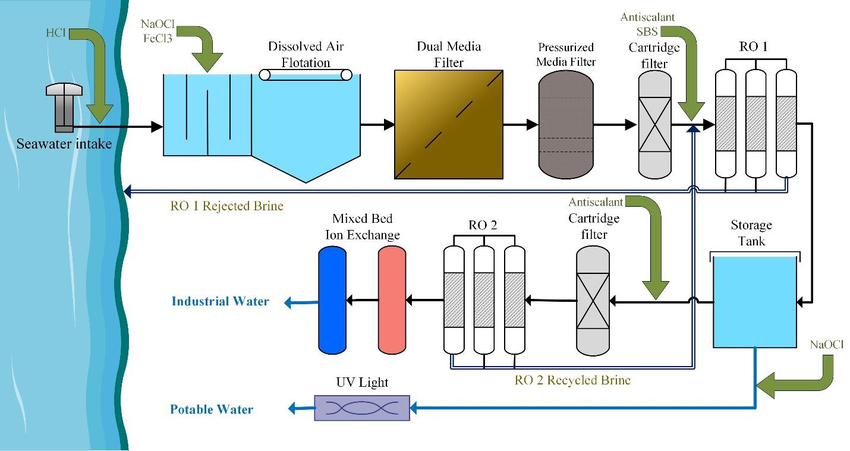
What Happens if You Just Skip the Pre-Filter?
The True Cost of No Pre-Filtration
Consequence Description Skyrocketing Costs You will spend far more on disposable cartridges than the pre-filter would have cost. Constant Labor Operators will be stuck in a non-stop cycle of changing out clogged filters. Unreliable Operation Production will be constantly interrupted for filter change-outs, killing your efficiency. RO Membrane Damage An overloaded security filter can fail, sending a slug of particles into your high-pressure pump and membranes, causing permanent damage. Media Filter vs. Ultrafiltration: Which ‘Bodyguard’ Is Right for You?
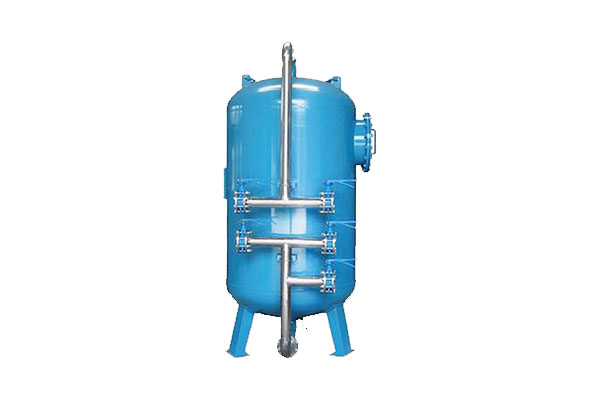
Choosing Your Primary Defense
Feature Media Filter (e.g., Sand) Ultrafiltration (UF) Removal Rating Nominal (10-20 microns) Absolute (0.01-0.05 microns) Typical SDI Output 3 – 5 < 2 Best For High TSS, variable raw water Low to medium TSS, critical applications Capital Cost Lower Higher Footprint Larger More Compact Conclusion