Why is the Silt Density Index (SDI) So Critical for RO Systems?
Your RO membranes are fouling, but the water looks perfectly clean. This invisible threat shortens membrane life, spikes your energy bills, and causes constant, frustrating downtime.
The Silt Density Index (SDI) is critical because it is the only industry-standard test that reliably predicts the fouling potential of water on Reverse Osmosis membranes. It measures the effect of tiny colloids and silt that standard turbidity tests cannot see.
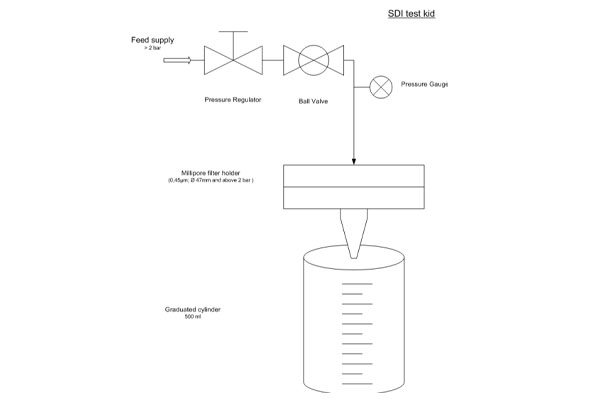
I learned the importance of SDI the hard way early in my career. A client installed a brand-new RO system for their boiler feedwater. The water looked crystal clear, and the turbidity was extremely low. They decided to skip regular SDI testing to save a little time. Within two months, their system performance had crashed. The lead membranes were heavily fouled with colloidal clay that was invisible to the naked eye. Because they had no SDI data to prove their feed water met the manufacturer’s requirements, their very expensive warranty claim was denied. That single experience taught me that SDI is not just a test; it is the most important piece of insurance you can have for your RO system.
What Does the SDI Value Actually Measure?
You think SDI is just another test for water clarity, like turbidity. This common mistake leads to incorrect pre-treatment choices and unexpected membrane fouling.
SDI does not measure the amount of dirt in water. Instead, it measures the rate at which that dirt plugs a standard 0.45-micron filter. This plugging rate directly simulates how quickly tiny particles will foul an RO membrane.
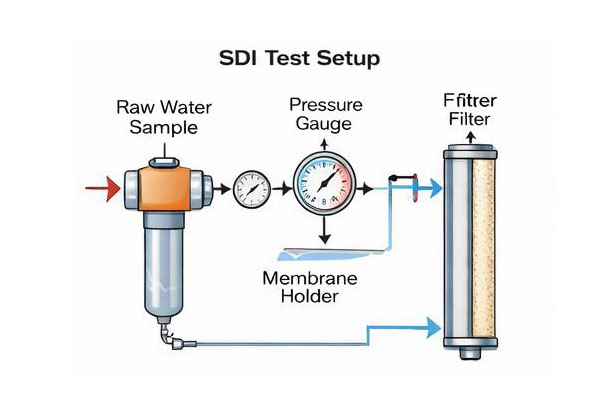
The biggest point of confusion for many engineers is the difference between SDI and turbidity. A turbidity meter (which measures in NTU) shines a light through the water and measures how much of that light is scattered by suspended particles. It is great for measuring larger silt. However, colloids are often too small to scatter light effectively, so water with a high colloidal content can have a very low turbidity reading. This is where SDI becomes essential. The SDI test physically challenges the water against a filter membrane. It does not care if the particles are visible; it only cares if they are capable of plugging a tiny pore. This is why water can be crystal clear but have a dangerously high SDI value.
SDI vs. Turbidity: A Critical Distinction
Treating them as interchangeable will lead to poor system design. They measure two very different things.
| Feature | Silt Density Index (SDI) | Turbidity (NTU) |
|---|---|---|
| What It Measures | The rate of plugging on a membrane | The amount of light scattered by particles |
| Particle Sensitivity | Highly sensitive to small colloids (sub-micron) | More sensitive to larger particles (>1 micron) |
| Primary Purpose | Predicts membrane fouling potential | Measures overall water clarity |
How Does a High SDI Value Directly Harm Your RO System?
A high SDI value might just seem like a number on a lab report. But ignoring that number leads to real, physical damage and significant financial losses.
A high SDI indicates rapid colloidal fouling on the membrane surface. This blockage increases energy costs, reduces water production, requires frequent chemical cleanings, shortens membrane life, and will almost certainly void the manufacturer’s warranty.
The damage caused by high SDI is a slow but steady process of destruction. First, a gel-like layer of colloids builds up on the feed side of the membrane. To overcome this new barrier, your high-pressure pump has to work harder, consuming more electricity for every gallon of water you produce. At the same time, this layer blocks water from passing through, so your permeate flow drops. To fix this, you are forced to perform frequent and harsh chemical cleanings. These cleanings, while necessary, are aggressive and slowly degrade the delicate polyamide material of the membrane. Each cleaning cycle permanently reduces its performance and shortens its lifespan. Finally, and most importantly for an engineer like Jacky, every major membrane manufacturer like Dow, Hydranautics, or Toray has strict SDI limits in their warranty terms. If you operate a system with feed water SDI above their limit (usually 5, but often requiring <3), you have voided the warranty.
How Can You Use SDI to Improve Your System Design and Operation?
You have an SDI result, but what is the next step? Without a clear action plan, this critical piece of data is wasted, and fouling problems will continue.
Use the SDI value as your primary guide for designing the RO pre-treatment system and for monitoring its ongoing performance. The number tells you exactly how much protection your RO membranes need to survive.
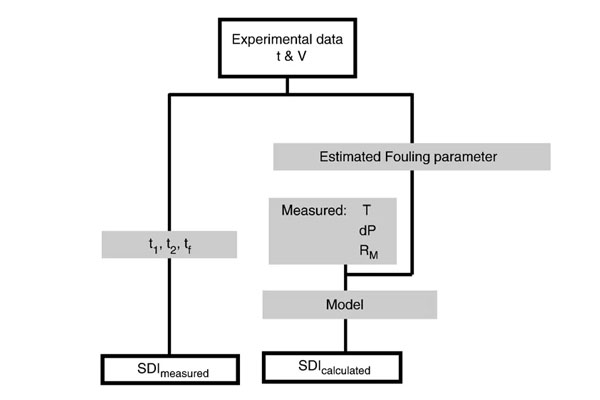
SDI is the most practical tool you have for making smart, cost-effective decisions about your water treatment train. It stops being a guessing game. By regularly testing the SDI of your raw water, you can choose the right technology from the start. For example, if your SDI is consistently high, you know that simple cartridge filters will not be enough, and you need to invest in a more robust system like ultrafiltration. Furthermore, SDI is the perfect tool for performance monitoring. You should test the SDI before and after your pre-treatment system. If you have a media filter and the SDI is the same on both sides, you know it is not removing the colloids that are killing your RO. This data allows you to diagnose problems and justify upgrades or changes to your operational strategy.
Action Plan Based on SDI Value
| SDI Value Range | Fouling Risk | Recommended Action & Monitoring |
|---|---|---|
| < 3 | Low | Standard 5-micron nominal pre-filters are likely sufficient. Monitor SDI on a quarterly basis. |
| 3 – 5 | Moderate | Significant fouling is possible. Use high-efficiency 1-micron absolute filters. Monitor SDI monthly and watch for trends. |
| > 5 | High/Unacceptable | Rapid fouling is guaranteed. Requires advanced pre-treatment like coagulation and media filtration, or Ultrafiltration (UF). Monitor SDI weekly or even daily. |
Conclusion
The SDI is not just another water quality parameter. It is the single most important metric for predicting fouling, protecting your RO membranes, and ensuring your system’s long-term health and reliability.