When Is the Right Time to Replace Your High flow Filter Cartridge?
You replace filters when you think they are clogged, but are you doing it too early and wasting money? Or are you waiting too long and risking your entire downstream process?
You should replace your filter cartridge when it reaches its pre-determined terminal differential pressure (ΔP). Alternatively, for critical systems, you can replace it on a fixed time-based schedule to ensure consistent performance and prevent unexpected failures.
Early in my career, I was taught to simply run a filter "until the flow drops." It seemed to make sense, but it was a terrible habit. I learned the hard way that by the time the flow noticeably decreases, the pump is already working way too hard, and the filter itself is under extreme stress. A senior engineer finally showed me how to use differential pressure gauges. He said, "Stop guessing. The gauges tell you the filter’s story in real-time." That single piece of advice is the foundation of all good filtration maintenance. It is about being proactive, not reactive.
Isn’t It Just About Waiting for the Flow to Slow Down?
You are using reduced flow as your sign to change filters. But this method is imprecise, causing your system performance to degrade long before you finally take action.
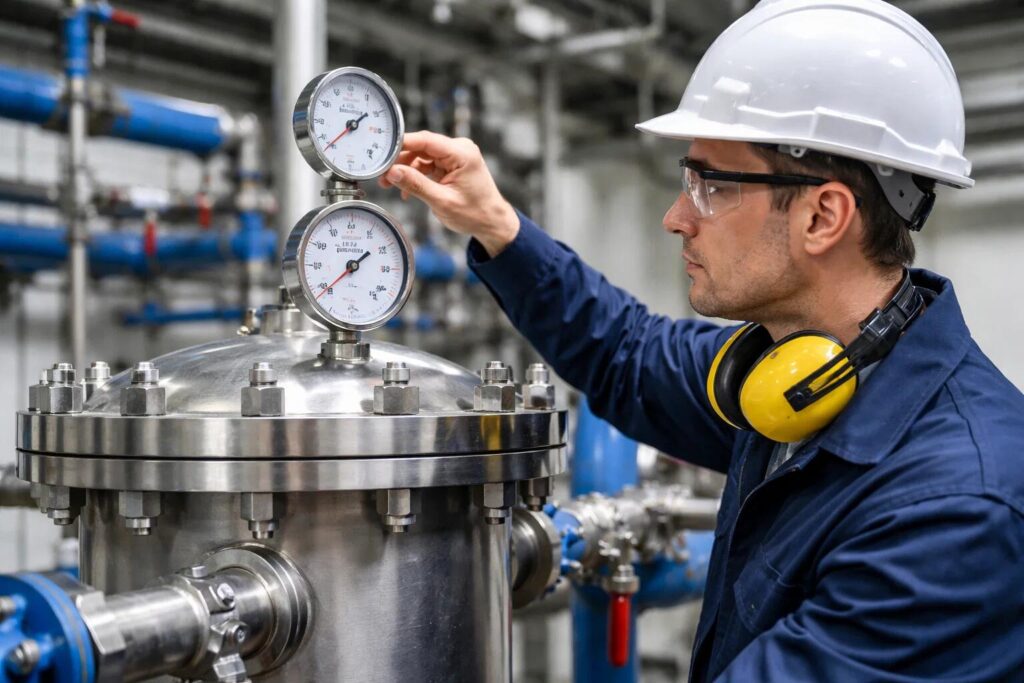
No, waiting for the flow to slow down is a poor strategy. The best practice is to monitor the differential pressure (ΔP), which is the difference between the inlet and outlet pressure. This is the most accurate indicator of how clogged the filter truly is.
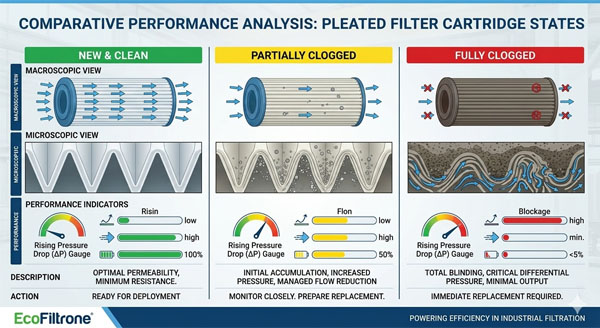
Think of differential pressure as a measure of effort. When a filter is clean, water flows through it easily, so there is only a small pressure difference between the inlet and the outlet. This is your "clean ΔP." As the filter captures dirt and its pores begin to clog, the pump has to push harder to get the same amount of fluid through. This extra effort shows up as an increase in inlet pressure and a growing gap between the inlet and outlet readings. This gap is the differential pressure. It is the most direct and sensitive way to measure how much life is left in your filter. Waiting for the flow to drop means you have already passed the optimal change-out point and are now wasting energy and stressing your equipment.
Typical Change-Out Pressure Limits
| Filter Type | Clean ΔP (Typical) | Terminal ΔP (Change-out Point) |
|---|---|---|
| Pleated Cartridge | 1-3 psid (0.07-0.2 bar) | 15-25 psid (1.0-1.7 bar) |
| Melt-Blown Depth Cartridge | 2-5 psid (0.14-0.34 bar) | 20-30 psid (1.4-2.0 bar) |
| High-Flow Cartridge | <1 psid (<0.07 bar) | 15 psid (1.0 bar) |
What Happens If I Push the Filter Past Its Limit?
You want to squeeze every last bit of service life from each cartridge to save on filter costs. But this can lead to a sudden, catastrophic failure that costs far more to fix.
Pushing a filter past its recommended terminal ΔP is a huge risk. The high pressure can cause the filter media to tear or deform, leading to "contaminant unloading"—a sudden release of all the captured dirt downstream, which can destroy sensitive equipment.
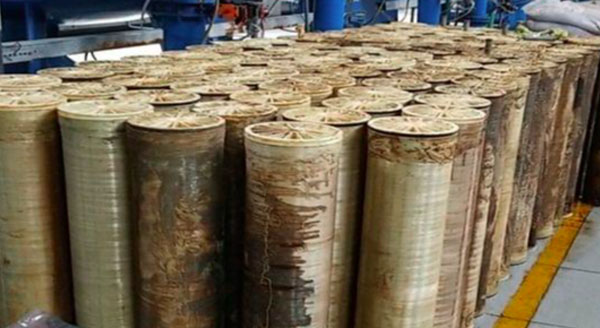
I once got an emergency call from a power plant where their turbine lube oil polishing system had failed. They had tried to extend the life of their 3-micron absolute filters to save money. The differential pressure went far beyond the manufacturer’s limit. Eventually, the internal support core of a cartridge collapsed under the pressure, tearing the pleated media. This not only stopped the filtration but also released a massive amount of accumulated metal fines directly toward the turbine bearings. The damage was catastrophic and cost hundreds of thousands of dollars in repairs and downtime. All of that damage happened just to save a few hundred dollars by not changing a filter on time. That is the true cost of pushing a filter past its limit. It is a gamble you should never take in a critical system.
The Cost vs. Risk Analysis
| Action | Perceived Benefit | The Hidden Risk |
|---|---|---|
| Changing Filter On Time | Cost of a new filter cartridge. | None. This is the correct procedure. |
| Pushing Filter Past Limit | "Saving" money on one cartridge. | Equipment damage, product contamination, unscheduled downtime. |
Are There Times to Replace a Filter Before the Pressure Rises?
Your pressure gauges show that everything is normal, and the filter is not clogged. Yet, company policy says you still have to replace it, which seems like a complete waste of a perfectly good filter.
Yes. In many industries, filters are replaced on a fixed schedule regardless of ΔP. This is done in high-purity applications to prevent bacterial growth or in critical systems to guarantee reliability and avoid any possibility of an unplanned shutdown.
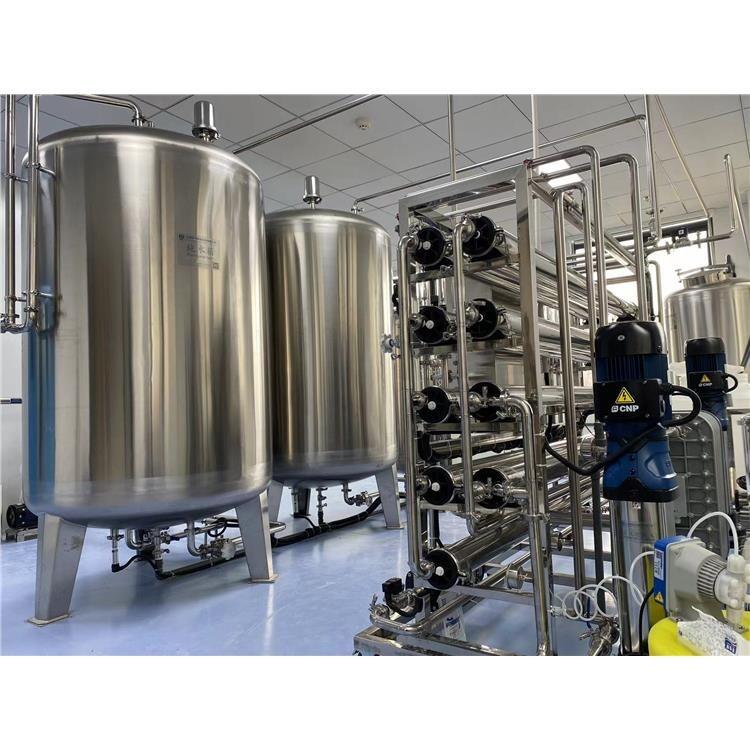
Scheduled replacement is all about control and predictability. For example, in a pharmaceutical or food and beverage plant, a filter might be replaced every three months even if its ΔP is very low. This is not about dirt holding capacity; it is about preventing any chance of bacteria colonizing the filter media over time. In other heavy industries, like the power generation client I mentioned, it might be about operational planning. A plant will schedule a major shutdown for annual maintenance. During that time, they will replace every single filter in the facility, whether they are clogged or not. It is far more cost-effective to replace a filter with 50% of its life left during a planned outage than it is to risk an unplanned shutdown of the entire plant a few months later just because one filter finally clogged. It is a strategic decision that prioritizes system reliability over individual filter life.
Deciding Your Replacement Strategy
| Strategy | When to Use It | Primary Goal |
|---|---|---|
| Differential Pressure (ΔP) | Most industrial applications where performance and cost are balanced. | Maximize filter life without risking the system. |
| Scheduled (Time-Based) | High-purity systems, critical processes, or facilities with planned shutdowns. | Ensure process purity and operational predictability. |
| Volume-Based (Thruput) | Batch processing where product consistency is the top priority. | Guarantee identical quality for every single batch produced. |
Conclusion
The right time to replace a filter is based on data, not guesswork. Use differential pressure for performance-based changes, or a fixed schedule for guaranteed system reliability and process control.