What requirements does the recovery rate of a reverse osmosis system place on pretreatment filtration?
You increased RO recovery to save water, but now membranes foul constantly. Your system is struggling, and downtime is up. The issue isn’t your recovery rate; it’s the pretreatment.
A higher RO recovery rate concentrates all incoming contaminants—salts, silt, and organics—in the brine stream. This super-concentrated water puts extreme fouling and scaling pressure on your membranes. Therefore, higher recovery absolutely requires more robust and effective pretreatment filtration.
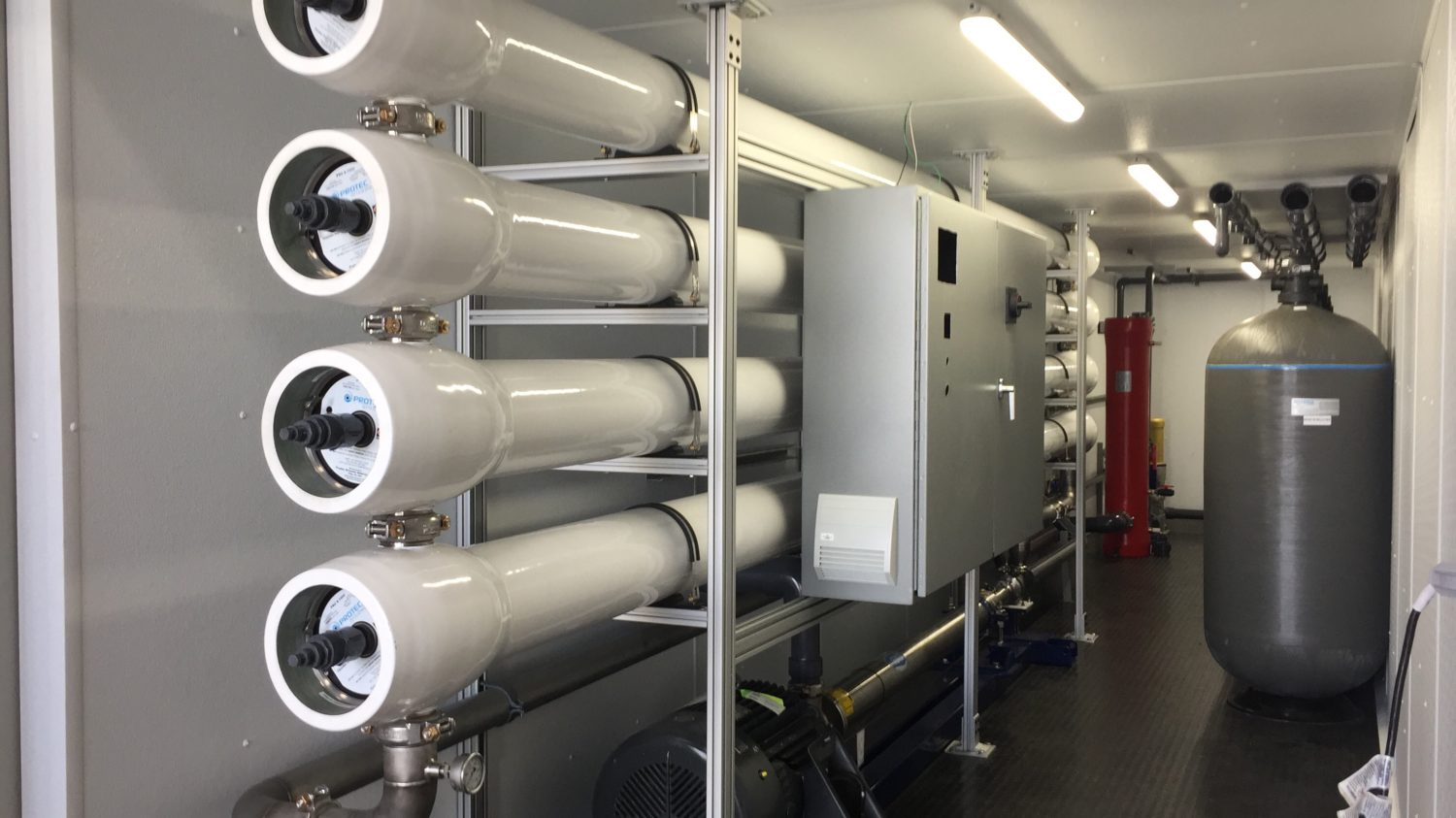
I remember a project for a bottling plant. They wanted to hit an 85% recovery rate on their well water to reduce waste and meet new environmental targets. It was an ambitious goal. The plant manager was proud of his existing 5-micron nominal-rated sediment filters and thought they were more than enough. I had to sit down with him and draw out what happens to water chemistry at that level of concentration. The projected Silt Density Index (SDI) and the Langelier Saturation Index (LSI) at the tail end of his RO train were in the red zone. I showed him that his current pretreatment would allow enough fine particles and scale-forming minerals through to destroy his membranes in just a few months. We had to rethink the entire front end of the system, starting with much finer, absolute-rated filtration.
What Exactly is RO Recovery Rate and Why Does It Matter?
You hear the term "recovery rate" all the time in meetings. But you might not be sure exactly how a number on a spec sheet connects directly to your daily operational problems.
Recovery rate is the percentage of feedwater that is successfully converted into purified water (permeate). A 75% recovery rate means that for every 100 gallons you feed the system, you get 75 gallons of pure water and 25 gallons of concentrated waste.
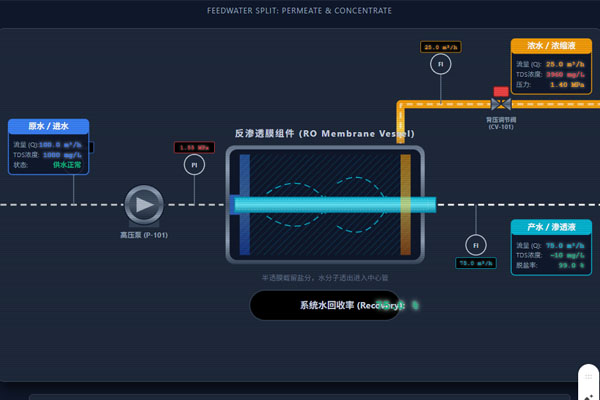
The key thing to understand is what happens in that remaining 25 gallons of concentrate. All the salts, minerals, and particles that were in the original 100 gallons are now squeezed into just 25 gallons. This means their concentration has quadrupled. We call this the Concentration Factor (CF). An engineer like Jacky knows this is especially brutal on the last membranes in an RO train. The first membrane sees the raw water, but the last membrane sees this super-concentrated, aggressive brine. If your pretreatment is weak, you are essentially feeding the end of your RO system a solution designed to foul and scale it as quickly as possible. A higher recovery rate isn’t just a number; it’s a direct multiplier for every single contaminant in your water.
Contaminant Concentration at Different Recovery Rates
| Recovery Rate | Water Recovered | Water to Waste | Concentration Factor (CF) |
|---|---|---|---|
| 50% | 50 gal | 50 gal | 2x |
| 75% | 75 gal | 25 gal | 4x |
| 85% | 85 gal | 15 gal | ~6.7x |
| 90% | 90 gal | 10 gal | 10x |
Why Does a Higher Recovery Rate Demand Better Pretreatment?
You think your standard 5-micron filters are doing a fine job. But as soon as you try to push the recovery rate from 70% to 80%, you are getting killed by fouling.
Higher recovery creates a super-concentrated brine. If pretreatment fails to remove tiny particles (silt) and scale-forming ions before the RO, they will exceed their saturation limits in this brine. This causes them to rapidly precipitate onto the membrane surface, blocking flow.
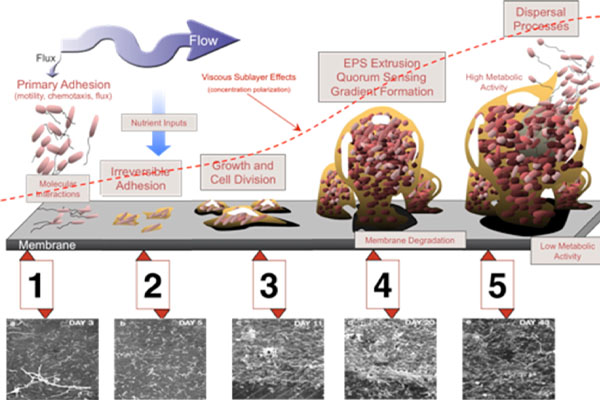
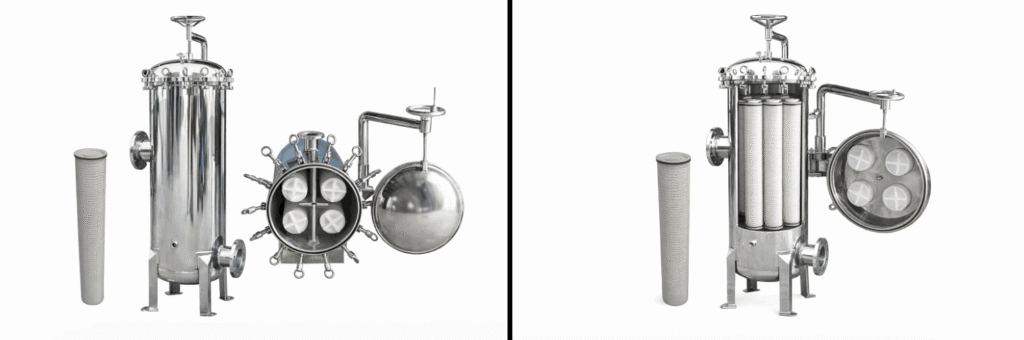
There are two main enemies here: particulate fouling and mineral scaling. Particulate fouling is caused by tiny suspended solids like silt, clay, and organics. We measure this potential using the Silt Density Index (SDI). RO membrane manufacturers demand an SDI of less than 5, and ideally less than 3. The job of your pretreatment filter, like our Ecofiltrone HFL series, is to capture these particles and deliver low-SDI water to the membranes. If your filter lets a few particles through, at a 75% recovery rate, the concentration of those particles is 4x higher at the end of the train. This is why a system that is stable at 60% recovery can fail catastrophically at 80%. Similarly, dissolved minerals like calcium carbonate can cause scaling. At high recovery rates, their concentration can increase beyond the water’s ability to keep them dissolved, causing them to crystallize directly onto the membrane surface.
How Do You Design Pretreatment for High-Recovery RO Systems?
You know you need better pretreatment for your high-recovery goals. But what does "better" actually mean? What specific filters and strategies should you be using to protect your investment?
For high recovery, you must go beyond basic filtration. This means using absolute-rated high-flow cartridges (1 to 5 micron absolute) to guarantee a low SDI. This must be combined with proper chemical pre-treatment and constant monitoring to stop scaling and fouling.
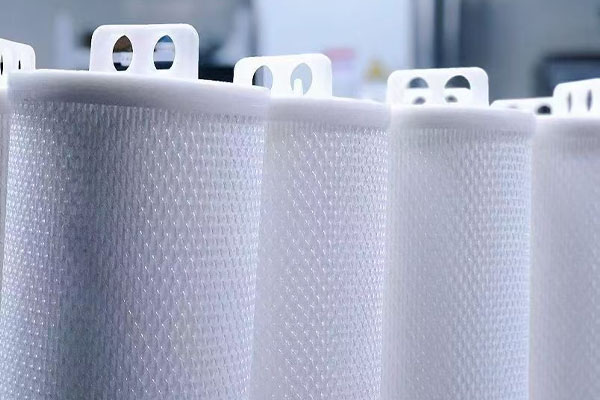
First, you need to stop thinking in terms of "nominal" ratings. A nominal 5-micron filter can let a significant amount of 5-micron particles pass through. For high recovery, you need an absolute-rated filter. A 1-micron absolute filter, like our HFK series, is guaranteed to remove 99.9% of particles 1 micron and larger. This is the only way to ensure the water hitting your membranes has a consistently low SDI, even when the raw water quality changes. For a critical high-recovery system, I always recommend starting with a 1-micron absolute high-flow cartridge. This provides the best defense against particulate fouling. This robust physical barrier must then be supported by a correctly dosed anti-scalant program to handle the dissolved minerals. For an engineer like Jacky, building a reliable system means being conservative and planning for the worst-case water conditions, not the best.
Pretreatment Design for RO Recovery
| Recovery Goal | Filtration Approach | Recommended Ecofiltrone Filter | Key Metric |
|---|---|---|---|
| Low (50-65%) | Good | 5-micron nominal rated cartridge | Visual Clarity |
| Medium (65-80%) | Better | 5-micron absolute rated high-flow | SDI < 5 |
| High (>80%) | Best | 1-micron absolute rated high-flow | SDI < 3 |
Conclusion
Pushing for high RO recovery without upgrading pretreatment is a recipe for failure. You must match the quality of your filtration to your recovery goals to protect your membranes and achieve true efficiency.