How to accurately select O-ring materials (EPDM, NBR, Viton, silicone) based on fluid medium and temperature?
A leaking filter brings your whole system down. A failed O-ring is often the culprit, a tiny part causing a huge mess. Matching the material to your fluid prevents this.
For general water and steam, use EPDM. For oils and fuels, NBR (Buna-N) is your best bet. When dealing with aggressive chemicals and high heat, choose Viton. For wide temperature ranges, especially very high or low, select Silicone. Always check chemical compatibility charts.
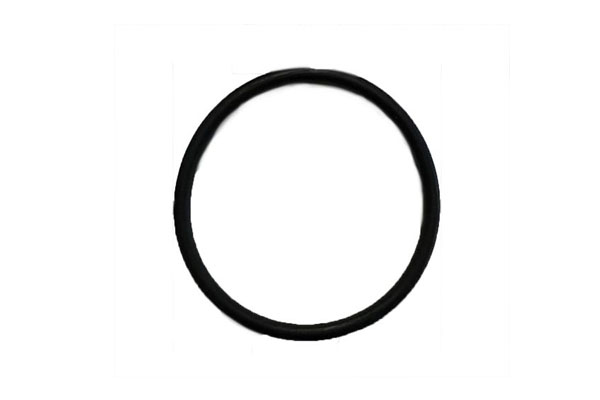
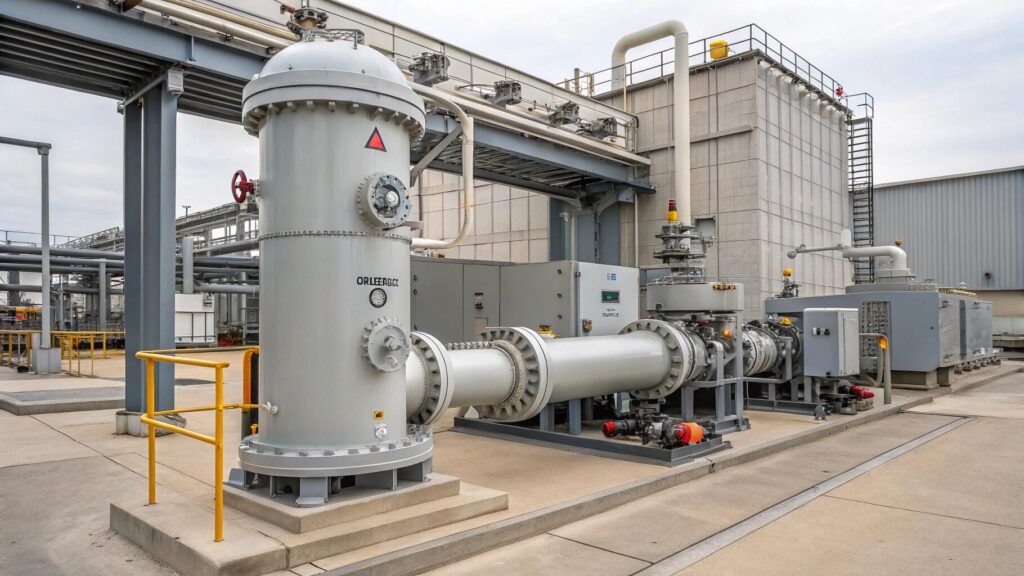
I’ll never forget a call I got from a frantic plant manager. Their brand-new, expensive filtration skid was leaking everywhere. They had just replaced the filters, and now their process was halted. When I got there, I took one look at the filter housing and knew the problem. They had used standard NBR O-rings from their general maintenance stock to seal a high-temperature steam condensate line. The O-rings had turned hard and brittle, completely losing their ability to seal. The most advanced filter in the world is useless if the seal fails. That tiny ring of rubber is the single point that ensures a perfect, leak-free seal between the cartridge and the housing. Let’s break down the common choices so this doesn’t happen to you.
When is EPDM the right choice for water-based systems?
Your system uses water, steam, or glycol. You need a reliable seal that won’t degrade over time, but you don’t want to overpay for an exotic material you don’t need.
EPDM is the go-to material for sealing water, steam, and many polar solvents. It offers excellent resistance to heat, ozone, and weathering, making it perfect for most non-oil-based applications.
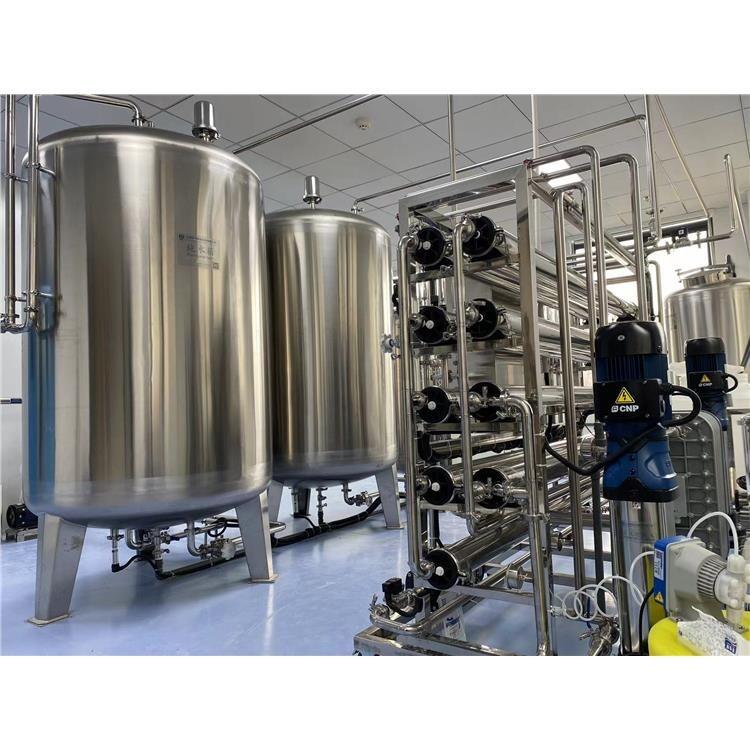
EPDM (Ethylene Propylene Diene Monomer) is a fantastic material that I recommend all the time for water applications. Its molecular structure makes it extremely stable when exposed to water, steam, and even many dilute acids and alkalis. This is why it’s the standard choice for cooling water systems, RO pre-filtration, and many general water treatment processes. It holds up well against heat, typically working in temperatures up to 150°C, and it doesn’t get damaged by sunlight or ozone like some other rubbers. The most important thing to remember about EPDM is what it can’t do. It has very poor resistance to petroleum-based fluids like oils, greases, and fuels. If you use an EPDM O-ring in a hydraulic oil line, it will swell up, soften, and fail very quickly. Stick to using EPDM for water, and it will give you a long, reliable service life.
Why is NBR the default for oils and fuels?
You’re filtering hydraulic fluid, fuel, or lubricating oil. You need a seal that won’t swell up or break down, but Viton seems too expensive for your standard industrial application.
NBR (Nitrile or Buna-N) is the workhorse for oil-based applications. Its excellent resistance to petroleum oils, fuels, and hydraulic fluids, combined with its low cost, makes it the default choice in many industrial systems.
NBR, often called Buna-N, is the counterpart to EPDM. If EPDM is for water, NBR is for oil. It’s the most common general-purpose, oil-resistant elastomer out there. When you see a standard black O-ring, it’s often NBR. Its popularity comes from a great balance of performance and cost. It provides a solid, reliable seal in contact with hydraulic fluids, lubricating oils, gasoline, and other petroleum products where EPDM would fail instantly. This is why in our filter specifications, you will often see NBR (Code ‘N’) as a standard option. It’s perfect for countless industrial applications. However, NBR has its limits. It has poor resistance to ozone and weather, so it’s not ideal for outdoor applications unless it’s protected. It also has a more limited temperature range, typically up to about 105°C. For standard oil and fuel applications, NBR is the smart, economical choice.
When must you use Viton (FKM) for a reliable seal?
Your process involves aggressive chemicals or high temperatures that destroy other elastomers. You cannot afford a leak because failure is not an option and safety is paramount.
Use Viton (FKM) for demanding applications involving high temperatures and aggressive chemicals, solvents, or concentrated acids. Its superior chemical resistance and high-temperature stability justify its cost in critical environments where other materials would fail.
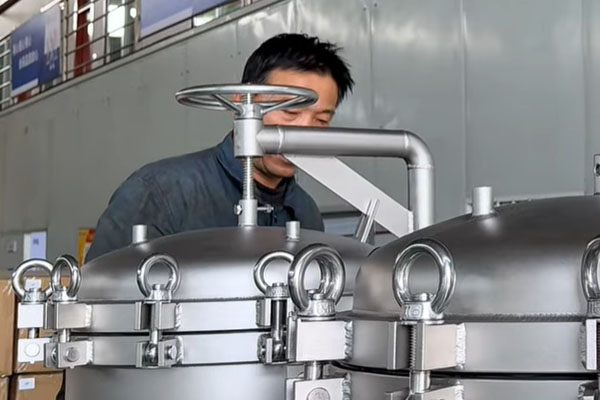
Viton is the problem-solver. When EPDM and NBR can’t handle the job, Viton (a brand name for FKM) steps in. This is a high-performance material designed for the toughest conditions. Its main advantages are its incredible chemical resistance and high-temperature stability. It can withstand temperatures over 200°C and is compatible with a very broad range of aggressive fluids, including many acids, fuels, and chlorinated solvents that would destroy lesser materials. I worked with a client in a petrochemical plant whose NBR seals were failing in just a few days due to an aggressive solvent mixture. We switched their filters to use Viton seals (our ‘V’ option), and the problem was solved completely. The new seals lasted the entire service life of the filter. Of course, this level of performance comes at a higher cost. You don’t use Viton everywhere, but you use it where reliability is non-negotiable.
What unique problems does Silicone solve?
You need a seal for a process with extreme temperature swings, from freezing cold to very hot. Or you are working in the food or pharmaceutical industry and need a clean, non-toxic material.
Silicone is the specialist for wide temperature ranges, from -60°C to 230°C. It is also favored in food, beverage, and pharmaceutical applications due to its cleanliness, low toxicity, and physiological inertness.
Silicone is a specialist material with a unique set of skills. Its most impressive feature is its incredibly wide operating temperature range. It stays flexible and seals effectively at very low temperatures where other rubbers become brittle, and it remains stable at high temperatures. This makes it ideal for applications with frequent and wide temperature cycles. Secondly, silicone is very clean and non-toxic. This has made it a favorite in the food, beverage, and medical industries, where material purity is critical. However, silicone is not a tough material. It has poor tear and abrasion resistance, so it’s not suited for dynamic seals or high-pressure applications where it might get damaged. It also has poor compatibility with oils and solvents. You choose silicone when you have a specific problem—extreme temperatures or purity requirements—that other materials simply can’t solve.
O-Ring Material Quick Selection Guide
| Material | Best For | Avoid | Temperature Range |
|---|---|---|---|
| EPDM | Water, Steam, Glycols, Dilute Acids | Petroleum Oils, Greases, Fuels | -50°C to 150°C |
| NBR | Petroleum Oils, Hydraulic Fluids, Fuels | Ozone, Sunlight, Ketones, Strong Acids | -40°C to 105°C |
| Viton (FKM) | Aggressive Chemicals, Solvents, High Heat | Ketones, Amines, Low Temperatures | -20°C to 205°C |
| Silicone | Extreme Temps, Food/Pharma, Dry Heat | Oils, Fuels, Solvents, High Abrasion | -60°C to 230°C |
Conclusion
Selecting the right O-ring is simple when you match the material to your fluid and temperature. This small choice ensures a reliable, leak-free seal and protects your entire system.