High Flow Filter vs Standard Filter: Which Is Better for Solar Farms?
Using dozens of small standard filters is creating a logistical nightmare. Each change-out costs you time and labor, and your system’s footprint is huge.
For large-scale solar farm cleaning, High Flow filters are significantly better. They process much more water in a smaller footprint, last longer to reduce total costs, and simplify maintenance, making them the superior choice for high-volume, demanding applications.
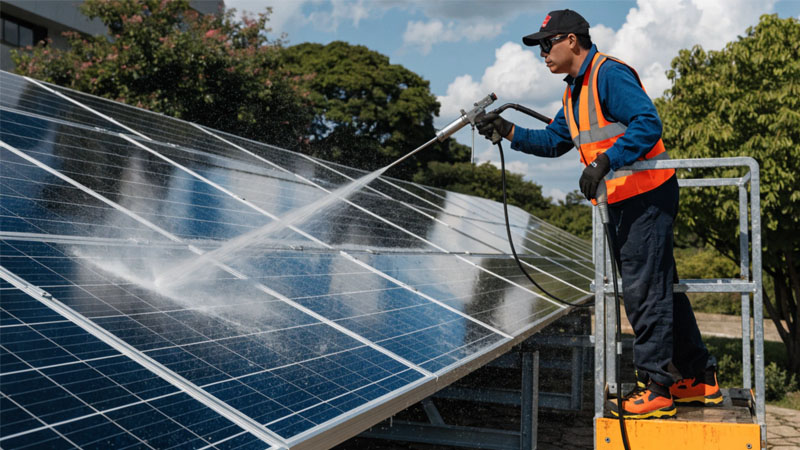
I remember consulting for a large agricultural co-op that had just built a solar array. They designed their water treatment system using what they knew: dozens of standard 2.5-inch filter housings lined up in a massive bank. Their operators were spending half their day just changing out cartridges. They were exhausted, the system had constant leaks from all the connection points, and their disposal costs were through the roof. It was a perfect example of how a solution that works on a small scale can become an operational disaster when you try to scale it up.
Do High Flow filters really handle more water?
Your system can’t meet flow rate demands. You keep adding more standard filter housings, but the system just gets bigger, more complex, and more expensive.
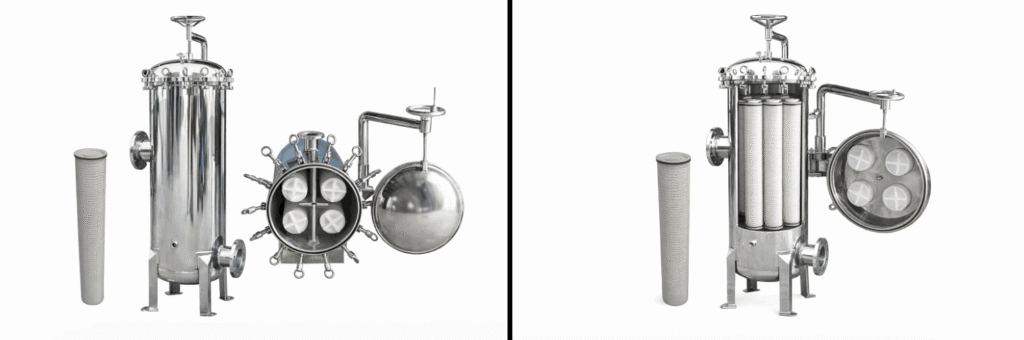
Yes, absolutely. A single 60-inch High Flow cartridge can handle the flow of 15 to 20 standard 40-inch cartridges. This massive capacity comes from its large 6-inch diameter and highly efficient pleated media, dramatically reducing the system’s overall size.
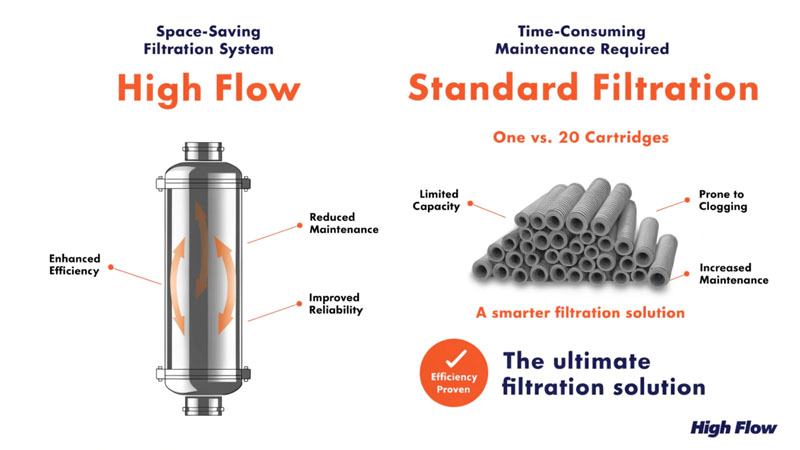
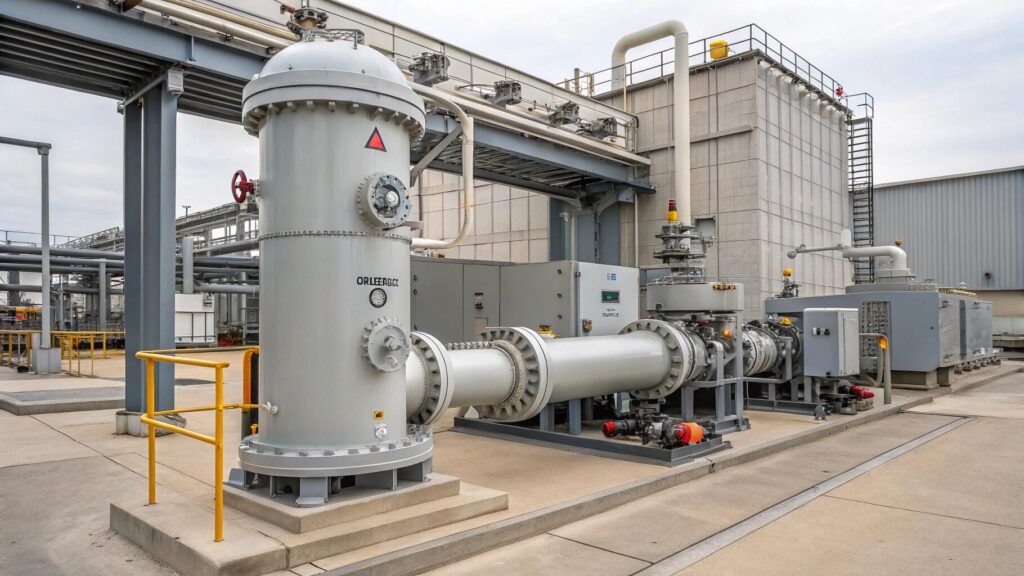
The difference in performance is not just a small improvement; it’s a complete game-changer. The secret is simple physics and smart design. The flow capacity of a filter is directly related to its surface area. A High-Flow filter’s large diameter and pleated construction give it an enormous surface area compared to a standard cylindrical cartridge. This means more water can pass through it with less restriction, or what we call a lower pressure drop. For an engineer like Jacky, this means you can design a much smaller, simpler, and more efficient system from the start. Instead of a complex plumbing manifold feeding twenty separate housings, you have one inlet and one outlet. This reduces installation costs, eliminates potential leak points, and makes the entire skid much more compact—a huge advantage for mobile systems.
| Feature | High Flow System (1 x 60") | Standard System (20 x 40") |
|---|---|---|
| Typical Flow Rate | 350 GPM | 350 GPM |
| System Footprint | Small (approx. 4 sq. ft.) | Large (approx. 20 sq. ft.) |
| Seal Points | 1 (cartridge) + 2 (housing) | 40 (cartridges) + 42 (housings) |
| Installation Complexity | Low | High |
Are High Flow filters cheaper in the long run?
The initial price of a High Flow cartridge is making you hesitate. You are tempted by the low upfront cost of standard filters, but you worry about hidden expenses.
Yes, they are far cheaper. While one cartridge costs more upfront, its huge dirt-holding capacity means it lasts much longer. This reduces filter consumption, labor for change-outs, and disposal fees, leading to a much lower total cost of ownership.
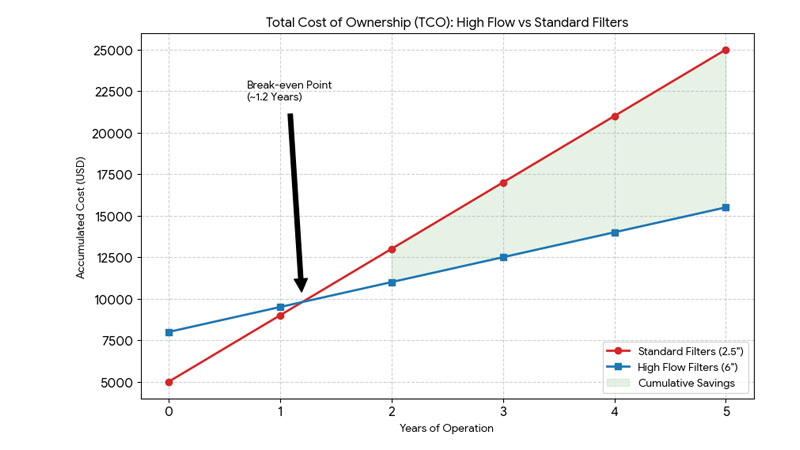
Focusing only on the price of one filter is a common mistake. In industrial filtration, the true cost includes much more than just the hardware. We need to look at the Total Cost of Ownership (TCO). This includes the cost of the filters themselves, the labor required to change them, the cost of disposing of used filters, and the cost of system downtime during a change-out. When you analyze it this way, the financial argument for High-Flow filters becomes very clear. Because they last so much longer, you buy fewer of them. More importantly, your team spends dramatically less time performing maintenance. I have seen operations cut their filtration labor costs by over 90% just by switching. For a manager balancing a budget, these savings in labor and consumables go directly to the bottom line.
| Cost Factor | High Flow System (Annual) | Standard System (Annual) |
|---|---|---|
| Filter Cartridge Cost | $2,000 | $4,500 |
| Labor Cost (at $50/hr) | $100 | $1,200 |
| Disposal Fees | Low | High |
| Total Annual Cost | ~$2,100 | ~$5,700+ |
Is changing out High Flow filters harder?
A 60-inch High Flow cartridge looks heavy and difficult to handle. You are concerned that the change-out process will be too demanding for your operators.
No, the process is much faster, safer, and easier. You open one housing and replace one cartridge instead of opening twenty housings and handling twenty separate cartridges. The process is streamlined, cutting downtime and labor significantly.
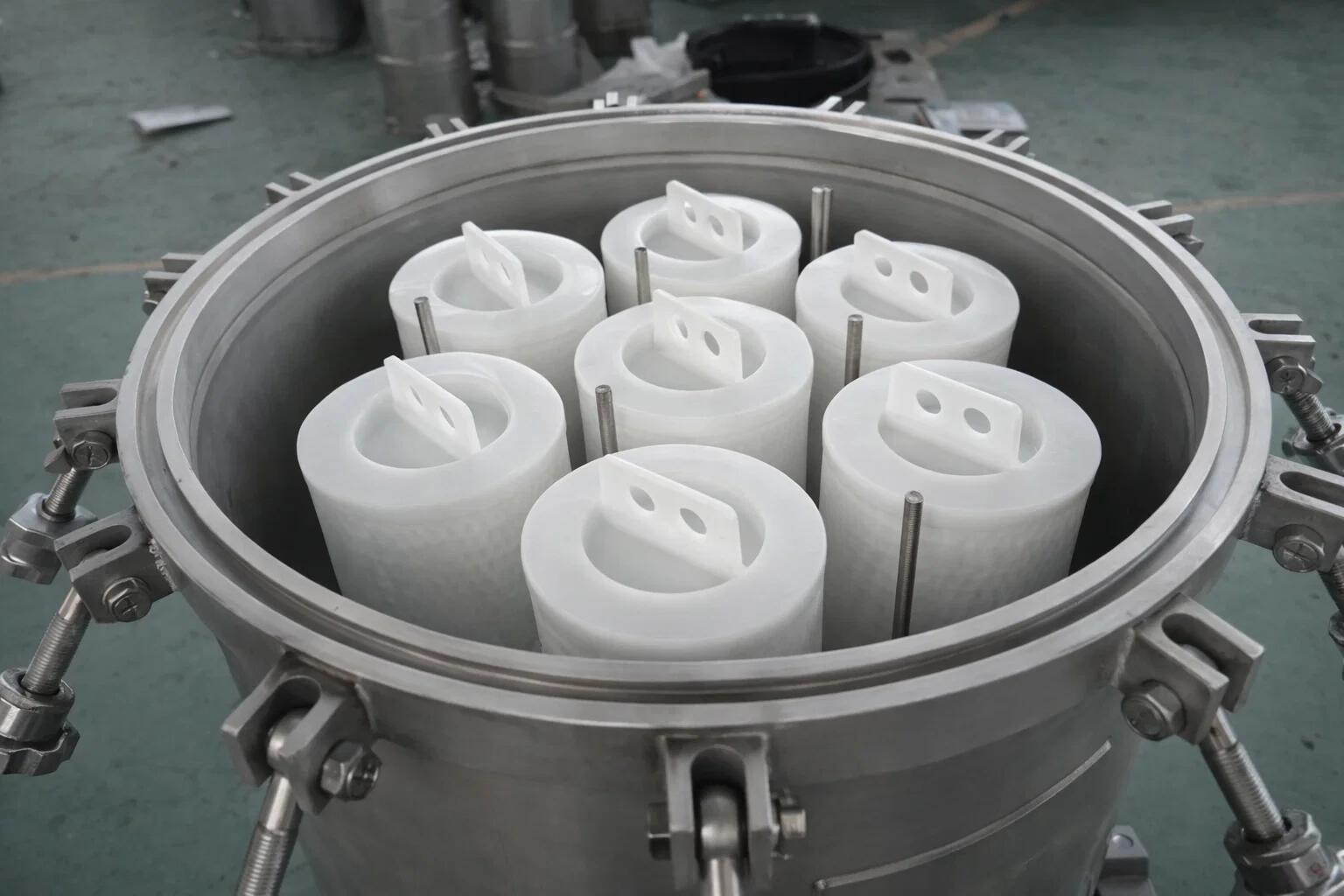
This is a concern I hear a lot, but it is based on a misunderstanding of the process. While the cartridge itself is larger, the overall job is simpler. Think about the steps involved with a standard system: an operator has to vent and drain twenty individual housings, unbolt twenty lids, pull out twenty dirty, dripping cartridges, clean twenty housing bowls, install twenty new cartridges, and then seal and tighten twenty lids. It is a long, messy, and repetitive job with many opportunities for error, like a pinched O-ring causing a leak. With a High-Flow system, the operator opens one lid. They remove one cartridge. They install one new cartridge and seal one lid. Many High-Flow housings are designed with features like hinged lids and davit arms to make lifting the cover effortless. The entire process takes minutes instead of hours. This is not only more efficient, but it is also safer. It reduces the operator’s physical strain and their exposure to the process fluid.
| Process Step | High Flow Change-Out | Standard System Change-Out |
|---|---|---|
| Housings to Open | 1 | 20 |
| Cartridges to Handle | 1 | 20 |
| Seals to Check | 1 | 40 |
| Typical Time | 15 minutes | 2+ hours |
Conclusion
High Flow filters are the clear winner for solar farms. They deliver higher performance, lower total costs, and simpler, safer maintenance, making them the superior engineering choice for any large-scale system.