What is the most serious challenge that security filter cartridges typically face in seawater desalination plants?
Your multi-million dollar RO membranes are failing years ahead of schedule. You’ve checked for silt and sand, but the real enemy is a silent, living threat growing inside your system.
The most serious challenge is biofouling. This is the rapid growth of a slimy layer of bacteria, algae, and other microorganisms on the filter media, which not only clogs the filter but also releases damaging substances that poison expensive RO membranes.
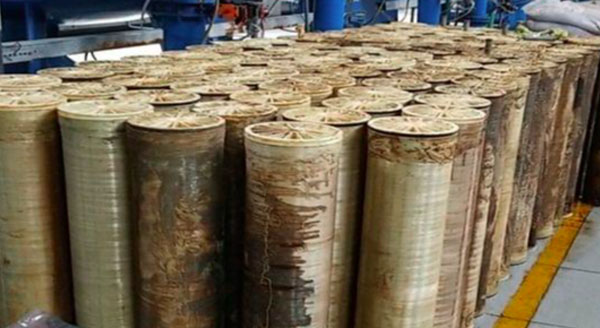
I’ll never forget a project I consulted on for a large desalination plant in the Middle East. They were experiencing catastrophic pressure spikes on their security filters, forcing change-outs every 48 hours instead of every few weeks. Their lead engineer, a sharp guy named Ahmed, was convinced a new upstream construction project was dumping silt into their intake. But when we cut open a failed cartridge, it wasn’t full of sand. It was coated in a thick, gelatinous green-brown slime. An algal bloom far offshore, invisible to the naked eye, was feeding a massive bacterial growth spurt right inside their pipes. It taught me that in desalination, you’re not just filtering water; you’re fighting a living ecosystem that can overwhelm your defenses in a day.
Why is biofouling a greater threat than simple sediment?
You know how to manage predictable wear from sand and silt. But you are caught off guard when a "living" contaminant grows, multiplies, and actively attacks your system from the inside.
Unlike inert sediment, biofouling is a self-replicating problem. The microorganisms create a sticky biofilm that grows exponentially, completely blinds filter pores, and actively releases metabolic byproducts that chemically attack and degrade RO membranes.
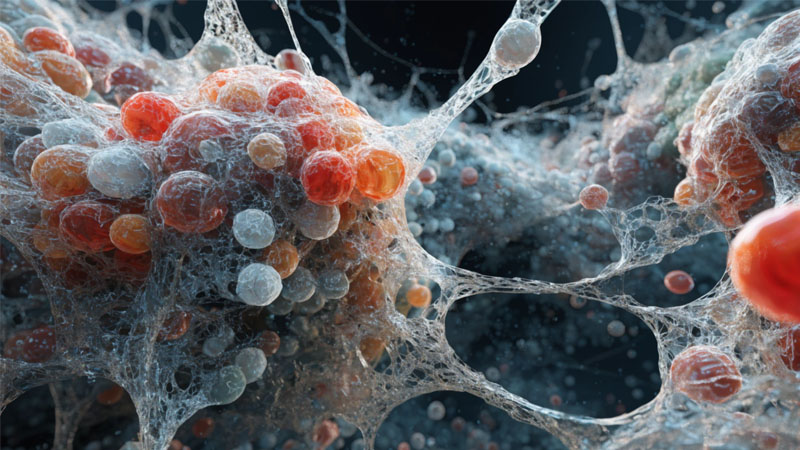
Handling sand, clay, or rust particles is a relatively straightforward mechanical problem. The particles are inert; they don’t grow or change. Biofouling is completely different. It starts with a few bacteria or algae spores landing on the filter media. These aren’t just passive particles; they are living factories. They consume nutrients in the seawater and multiply rapidly. As they grow, they secrete a sticky, glue-like substance called Extracellular Polymeric Substances (EPS). This slime is the real killer. It creates a cohesive biofilm that traps other particles and seals off the filter surface with an impermeable layer. Worse still, this living biofilm releases enzymes and acidic byproducts that can cause irreversible damage to the polyamide material of downstream RO membranes. A grain of sand just takes up space; a bacterial colony actively works to destroy your entire system.
| Fouling Type | Particle | Behavior | Downstream Risk |
|---|---|---|---|
| Particulate Fouling | Sand, silt, clay (inert) | Fills pores mechanically | Scratches or blocks RO membranes |
| Biological Fouling | Bacteria, algae (living) | Grows, multiplies, secretes slime | Poisons/degrades RO membranes |
How does biofouling physically destroy a filter cartridge’s performance?
Your filter’s pressure drop is skyrocketing, far faster than your models predicted. You think it’s just clogged, but it’s actually being suffocated by a thick, slimy blanket that no amount of pressure can push through.
Biofouling rapidly creates a dense, non-porous slime layer across the entire filter surface. This biofilm completely blinds the media, causing a near-vertical pressure drop increase and leading to catastrophic failure with almost no warning.
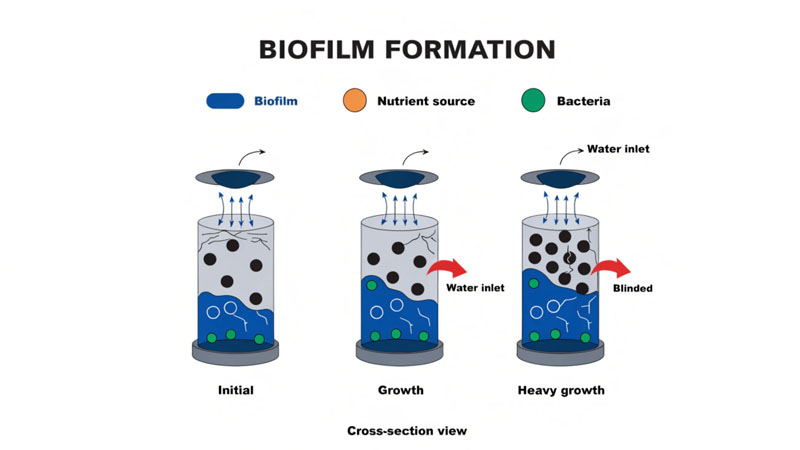
The physical process of biofouling is a multi-stage attack. First, individual microbes attach to the vast surface area of the pleated filter media. Then, they begin to colonize, forming small micro-colonies. This is when they start producing the EPS slime, which helps them stick firmly and protects them. This slime then grows and expands, linking the colonies together to form a continuous biofilm across the filter pleats. This biofilm is incredibly effective at blocking flow. Unlike the channels that might remain between hard particles, the soft, gel-like slime molds itself into every opening, sealing them completely. This is why the pressure drop doesn’t just rise; it skyrockets. The filter goes from functional to completely blinded in a fraction of the time it would take for normal particulate clogging. In some severe cases, chunks of this slimy biofilm can "slough off" and travel directly to the RO membranes, causing immediate and severe damage.
What are the effective strategies to combat biofouling in security filters?
You feel like you’re in a constant, reactive battle against biofouling, always responding to emergencies. This approach is stressful and expensive, and you need a way to get ahead of the problem.
An effective strategy is proactive, not reactive. It combines aggressive pre-treatment to kill microbes, selecting specialized filters resistant to biological growth, and continuous system monitoring to catch biological events before they become catastrophic.
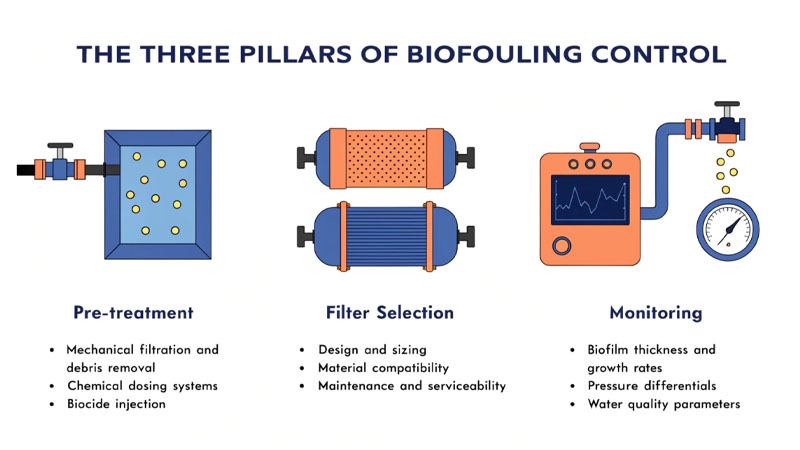
You can’t win against biofouling by simply waiting for it to happen. A robust defense requires a multi-layered approach.
1. Upstream Chemical Pre-treatment
This is your first and most powerful weapon. Dosing the intake water with a biocide like chlorine is standard practice to kill the majority of microorganisms. However, since chlorine will destroy RO membranes, this must be followed by a meticulous dechlorination step, often using sodium bisulfite, before the water reaches the security filters. The balance is critical.
2. Smart Filter Selection
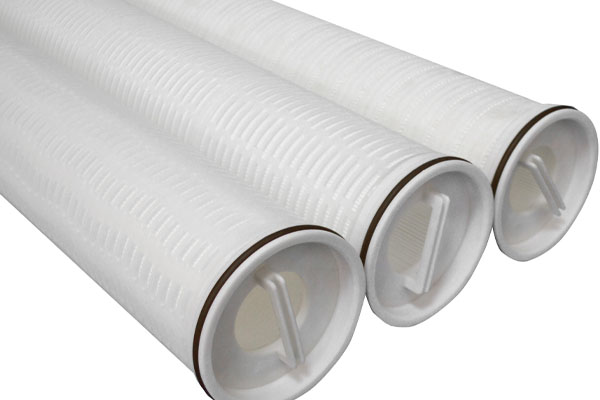
The filter itself can be part of the solution. Some high-flow cartridges are available with antimicrobial treatments where silver ions are embedded in the media to inhibit bacterial growth directly on the filter surface. Additionally, filters with a graded-density structure are often more resilient. They can trap some biomass in their outer layers without immediately blinding the finer inner layers, extending their service life during minor biological events.
3. Rigorous Monitoring and Operation
Constant vigilance is key. Regularly monitoring the Silt Density Index (SDI) and differential pressure (delta-P) across your filters is crucial. A sudden, sharp increase in these values is a classic red flag for a biological event. This data allows you to act proactively, perhaps by increasing biocide dosage or scheduling a filter change-out before a complete system shutdown occurs.
Conclusion
Biofouling is the most severe challenge for security filters in desalination because it is a living, growing threat that blinds filters and destroys RO membranes. Combating it requires a proactive strategy of pre-treatment, smart filter selection, and vigilant monitoring.v