🧲 The Iron War: Magnetic Filtration vs. High Flow Cartridges in Condensate Polishing
In Condensate Polishing, the enemy has a name: Iron Oxide.
Specifically, Magnetite and Hematite .
During a cold startup, the condensate turns black. This "Crud Burst" can overload a standard High Flow cartridge bank in 30 minutes.
Engineers often ask me: "Should I switch to Magnetic Filters to save money on consumables?"
The answer is not a simple "Yes."
Magnetic filters are not a magic wand. They are a weapon with specific limitations.
To design a robust system, you must understand the physics of both technologies. Here is the veteran’s comparison.
1. High Flow Cartridges: The "Absolute" Goalie
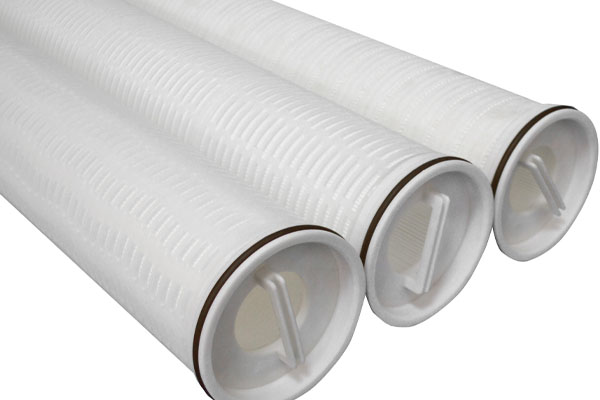
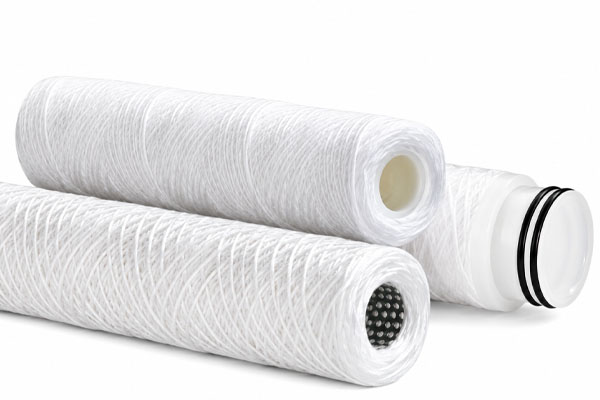
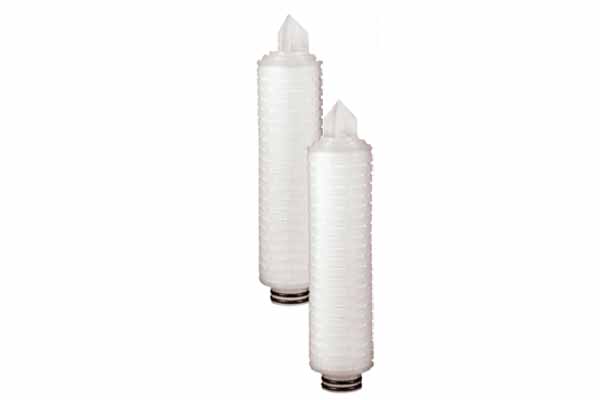
Standard practice uses pleated High Flow cartridges (1um – 5um).
- The Pro: They are Non-Discriminatory. They catch everything—Magnetite, Hematite, Copper, Silica, and Resin fines. They provide a guaranteed effluent quality.
- The Con: They are Sacrificial. During an Iron Burst >1000ppb Iron), they blind instantly. You are essentially using expensive engineered textiles to catch bulk mud. It is technically effective but economically suicidal.
2. Magnetic Filtration: The "Bulk" Defender
Magnetic separators use high-gauss rare earth magnets (Neodymium) to trap particles.
- The Pro: Zero Consumables. You wash the iron off and turn it back on. They can handle massive loading rates that would crush a textile filter.
- The Con: Selectivity. They only catch Ferromagnetic particles (Magnetite). They usually miss Hematite (Red Rust) and non-magnetic Copper/Silica.
- The Risk: If your chemistry shifts and you produce Hematite, the magnetic filter becomes a useless pipe extension, and your downstream resin gets fouled.
3. The "Hybrid" Strategy: Why You Need Both
The most efficient plants I have audited don’t choose between them. They use Both in Series.
- The Setup: Install a Magnetic Trap upstream of the High Flow Cartridge Housing.
- The Economics:
- The Magnet captures 95% of the heavy, black Magnetite during startup.
- The Cartridge acts as the final polisher, catching the non-magnetic Hematite and fine colloids.
- The Result:
- Without Magnet: Cartridges last 2 days during startup.
- With Magnet: Cartridges last 2 months.
- ROI: The Magnetic filter pays for itself in consumable savings within 6-12 months.
4. Operational Warning: Flow Velocity
A common mistake with Magnetic Filters is Flow Velocity.
If the flow is too fast ($> 2 \text{ m/s}$), the hydraulic shear force rips the iron particles off the magnet ("Sloughing off").
You must oversize the magnetic vessel to slow the water down, allowing the magnetic field to capture the particles effectively.
Conclusion
Don’t ask a plastic filter to do a magnet’s job.
And don’t ask a magnet to guarantee 99.9% filtration.
- Use the Magnet to save the Budget.
- Use the Cartridge to save the Boiler.
👇 Discussion: Do you use magnetic traps in your condensate loop? How much "Black Sludge" do you pull out during startup?