❓ Reverse Osmosis: The 5 Questions Every Plant Manager Eventually Asks (And The Honest Answers)
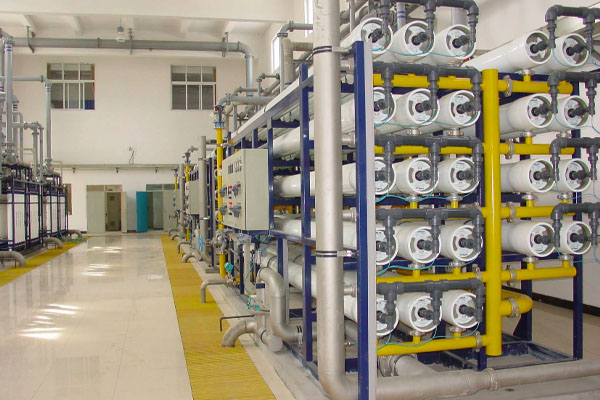
I have walked into hundreds of RO control rooms. From massive municipal desalination plants to compact industrial skids, the anxieties are always the same.
Operators stare at the HMI screen, watching the conductivity rise or the flow drop, and ask the same fundamental questions.
Google gives you generic textbook answers.
As a veteran in the field, I’m going to give you the Field Engineer’s Answers. These are the insights learned from diagnosing failures, not just reading manuals.
Here are the Top 5 Most Commonly Asked Questions about Reverse Osmosis, decoded.
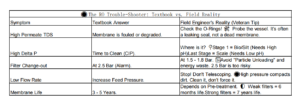
Q1: "Why is my Salt Rejection dropping?" (Why is my Permeate TDS rising?)
The Textbook Answer: "Your membranes are degrading or fouled."
The Field Answer: "Check the O-Rings first."
Before you panic and order $50,000 worth of new membranes, check the $2 rubber seals.
- The Experience: In my experience, 30-40% of sudden TDS spikes are caused by a damaged Inter-connector O-ring or a rolled End Adapter seal. This allows raw saltwater to bypass the membrane and leak directly into the clean water tube.
- The Action: Don’t guess. Perform a "Probing Test" (inserting a tube to sample water from inside the vessel at different points). If the TDS is high only at the connection points, it’s a leak, not a membrane failure.
Q2: "My Pressure Drop (Delta P) is high. Should I clean (CIP) now?"
The Textbook Answer: "Clean when normalized $\Delta P$ increases by 15%."
The Field Answer: "Yes, but WHERE is the pressure drop?"
You cannot effectively clean an RO system without knowing where the blockage is.
- Stage 1 High △P: This is almost always Silt (SDI) or Biofouling. The dirt came from your pre-treatment failure.
- Solution: You need a High pH cleaning (to remove organics/silt).
- Last Stage High △P: This is almost always Mineral Scaling (Calcium Carbonate/Sulfate). Your recovery is too high or antiscalant failed.
- Solution: You need a Low pH cleaning (to dissolve scale).
The Expertise: If you use an acid cleaner on a bio-fouled Stage 1, you will harden the slime and ruin the membrane. Diagnosis comes before treatment.
Q3: "How often should I change my Pre-treatment Cartridge Filters?"
The Textbook Answer: "When the differential pressure hits 2.5 Bar (35 psi)."
The Field Answer: "Change them BEFORE the pressure spikes."
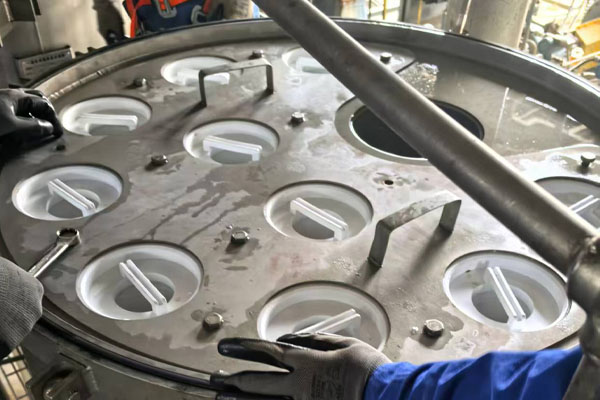
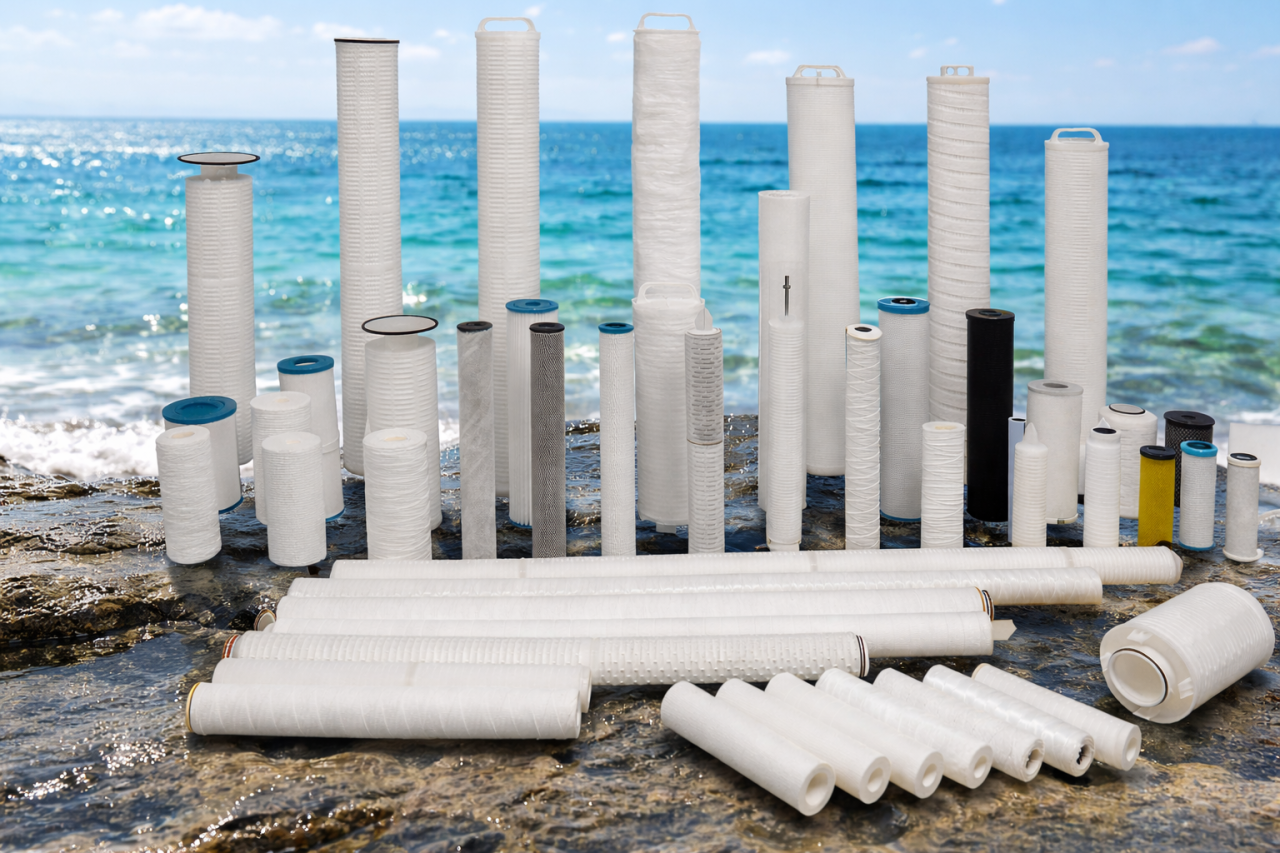
Waiting for the alarm (2.5 Bar) is a dangerous game. That number is the mechanical limit of the cage, not the performance limit of the filter.
- The Risk: At high differential pressure, cartridge filters can expand and "breathe," releasing previously trapped soft particles (Particle Unloading) downstream.
- The Action: The economic "sweet spot" is usually 1.5 – 1.8 Bar. Changing filters here protects the RO from "unloading" and saves energy (pumping costs).
Q4: "Can I just increase the Feed Pressure to get more water?"
The Textbook Answer: "Yes, flux is proportional to pressure."
The Field Answer: "Do NOT do this blindly. You will kill the membrane."
If your flow is dropping, the membrane is dirty. Increasing the Feed Pressure to compensate is the fastest way to cause "Compaction" and "Telescoping."
- The Physics: High pressure packs the dirt layer tighter against the membrane surface, making it denser and harder to clean later. Eventually, the mechanical force will physically deform the element (Telescoping), crushing the anti-telescoping device (ATD).
- The Rule: Restore permeability through CIP (cleaning), not through brute force pressure.
Q5: "How long should my RO membranes last?"
The Textbook Answer: "3 to 5 years."
The Field Answer: "It depends entirely on your ‘Bodyguard’ (Pre-treatment)."
I have seen membranes last 7+ years in plants with robust High Flow filtration and strict CIP protocols.
I have seen membranes die in 6 months in plants that used cheap, bypassing cartridge filters to "save money."
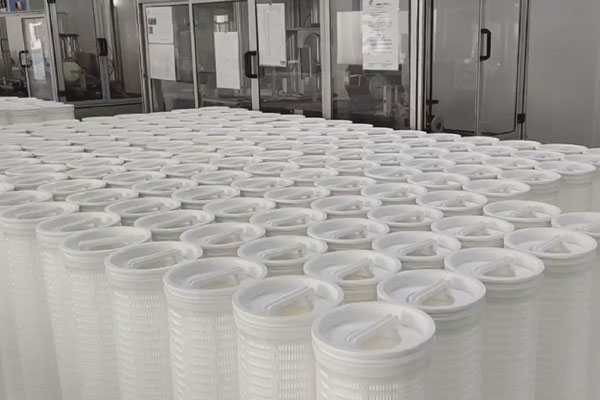
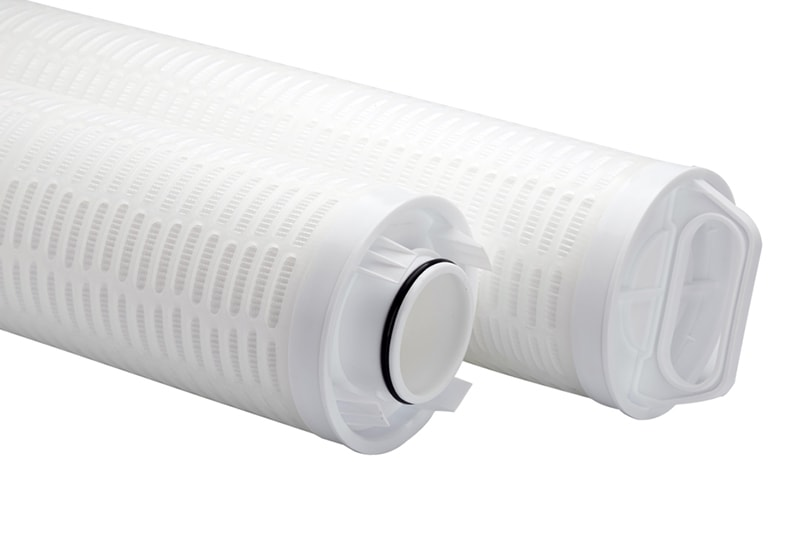
The Truth: The RO membrane is the victim. The Pre-treatment Cartridge Filter is the bodyguard. If you starve the bodyguard (buy cheap filters), the victim dies young.
Conclusion: Listen to Your System
Reverse Osmosis is not a "black box." It talks to you through data—Pressures, Flows, and Conductivity.
The next time you see a red number on the screen, don’t rely on generic advice. Isolate the variable (Stage 1 vs. Stage 2), check the mechanical seals (O-rings), and respect the limits of your pre-treatment.
👇 Discussion: What is the strangest thing you have ever found inside an RO pressure vessel? (I once found a wrench left by a contractor!)